Call me a forever optimist, but there is just something about a brand new year that brings a sense of rejuvenation and hope to me. One of the reasons I am so uplifted is the bigger community I am feeling a part of — a community of people who are actively discussing personal development and embracing meaningful changes in their lives.
This collective positive energy and rich, deep conversations inspired me to revamp my blogging website and I am unveiling it today! It’s a brand new look with some major changes to my navigational menu. Gone are tabs that are no longer relevant and in their place are ones I believe better suit the evolving direction of my blog.
I have a renewed focus for my blog now. It’s my strong desire that it will become a resource for others — a place where they can discover helpful tools and teachers for their own self-awareness journeys. My new menu tabs include Noteworthy Resources, such as podcasts, books and Instagram influencers. Inspirational Quotes is another new tab. These are impactful quotes that guided me to start the personal growth journey and motivate me to stay committed to the ongoing work. Best of all, many of these inspirational quotes come from relatable peers who are deeply steeped in doing their own work.
When I first started Inspired New Horizons six years ago, my goal was to share with others what I was learning through my self-discovery journey with the intention that it might help others on their own path of personal growth. To be honest, I felt pretty alone in the process at that time. It was not a topic of regular conversation among most of my friends. My secondary goal with my blog was to keep myself committed and accountable to the inner work I was doing. I’m not only still doing that work six years later, it has become a part of my daily routine.
I credit Brene Brown and Glennon Doyle for the growing community that is keeping me so inspired these days. Glennon’s book Untamed unleashed a groundswell of women who began to look at their lives through very different lenses. Her “We Can Do Hard Things” podcast and her Facebook discussion groups opened up the floodgates of women wanting to share their stories and dig deeper into some serious personal development. Brene has been on fast-moving upward trajectory to get us to embrace our authentic selves and to shed ourselves of protective armor, numbing, debilitating behavioral patterns, and painful triggers. She calls for us to step into our vulnerability, courage and creativity and live a wholehearted life, rooted in grounded confidence.
Brene’s work has created several global discussion groups that I belong to, and honestly the conversations have been real, raw, meaningful and purposeful. All throughout the pandemic, I found ballast from the news and political chaos, in these discussions. I’ve made friends, gained followers for this blog and my Instagram posts, discovered incredible activists and had my faith in humanity restored. The diverse perspectives and heart-opening stories that are shared serves as a healthy reminder of the power of connection and empathy that Brene espouses.
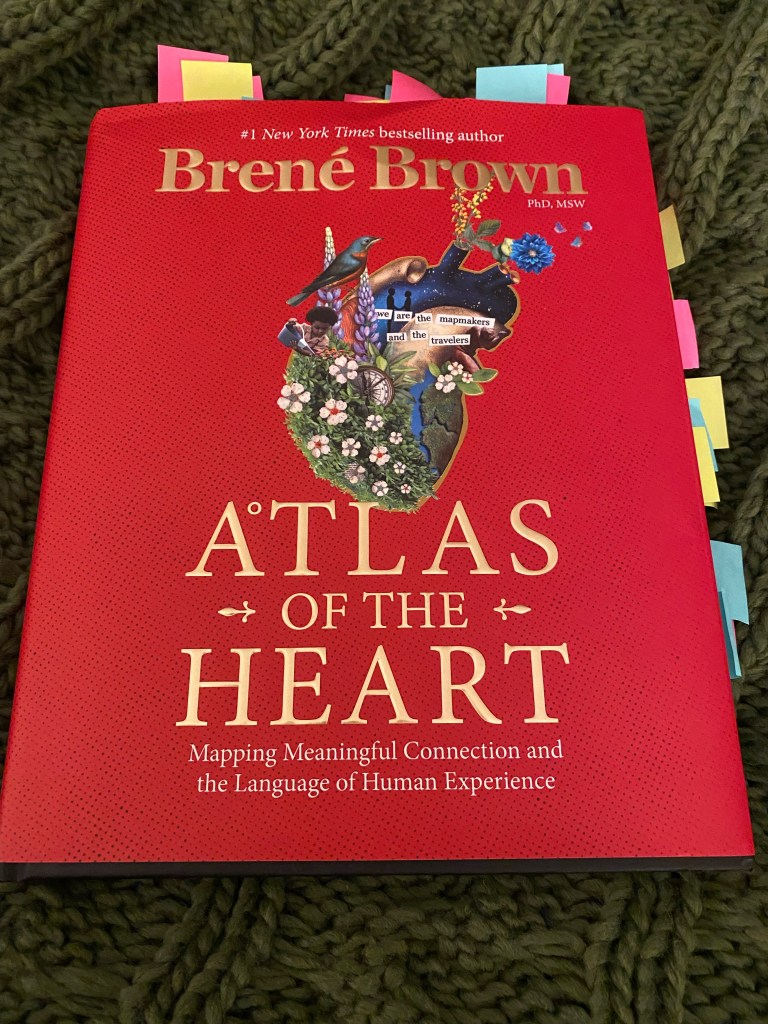
I mentioned in a recent blog post entitled Becoming Part of Something Bigger how Brene’s latest book, Atlas of the Heart is an impactful reference book for anyone who is committed to personal development. She taps into the wisdom and research of so many of the teachers I’ve used over the past six years. This prompted me to make changes to my blog website to help others easily find these resources. It’s my hope that my personal stories will help others feel less alone when they peel back their own layers.
And this brings me to one of the most dramatic changes I have experienced and witnessed because of self-discovery and improved self-awareness. My close circle of friends these days is comprised of women with whom I can have deep, emotional conversations. No subject is off limits, no confidence will be betrayed, no judgment or dismissing of feelings. I have a beautiful jar of diverse, empassioned marble jar friends. My marble jar friends have revealed to me that they too now have the most remarkable collection of trust buddies. Somehow, over the past few years each of us has drawn to us the women we needed to help us excavate our histories, reframe them, and shine a light on all our potential and possibilities.
It is my hope that my blog posts will inspire others on their journey. I’m going to keep sharing my stories, the lessons I am learning and relearning, and the benefits that come from self-reflection and embracing change. I wrote a post entitled Awareness Activist some time ago — it is where I feel I make a meaningful contribution in this world. We cannot change what we are unaware of — and once we become aware, we can make better choices — for ourselves and others.
Wishing you Peace, Love, Joy and Hope in the coming New Year.
RECOMMENDED RESOURCE:
I’m offering only one resource to accompany this post today. The reason is that this podcast is so relevant for reflecting on the past year and our own past, as well as for looking forward and pondering what will best support and guide us. I think you’ll really enjoy this conversation with Dr. Rick Hanson and his son Forrest.
I love those “aha moments” that show up in the midst of an ordinary day. Those “aha moments” grab our attention making us more aware of things we sometimes take for granted or are often too busy to notice. Catch an”aha moment” and put it in your pocket! Start a collection of “aha moments” and watch a little magic unfold in your daily life. This Nuggets of Wisdom in this post are about creating more “aha moments” by putting a little more awareness in each day — self-awareness, present moment awareness and other-awareness.
Meditation is one of those practices that begins to show up in your daily life in organic, meaningful ways. Take listening for example — when you meditate, you learn to be free from judging your own thoughts. You become more skilled at sifting out distracting thoughts. You become more attuned to listening to understand what you are truly feeling or experiencing.
When these skills sets begin to show up as you interact with others, you will smile knowing that you are taking your meditation practice from the “cushion to the real world.”
Improved communication and connection with others is a two way street — speaking AND listening. We can become better skilled at both! A skilled listener is non-judgmental and focused on understanding how another person is truly feeling.
Practice on yourself through meditation….then try it out IRL (in real life).
As we hone our skills to become more aware of our emotions, we might be surprised to discover that all too often we are giving those emotions much more control in the heat of the moment than we would prefer. It’s time to tell our emotions that they are always welcome, but they can’t do the driving.
During the course of a normal, busy, routine and occasionally chaotic day, we are going to experience a wide range of emotions. Sometimes when we are just being bombarded with too much to juggle, we inadvertently let our emotions run the show. Often it only makes a stressful situation worse.
Hit the reset button — take a deep, calming breath BEFORE you react/respond. That breath, that pause is often just enough to create awareness that it is your emotions taking over, not your integrity. And guess what? Your kids (and others) are watching…..and they’ll mimic your stealth skills if they see you doing this “reset” in times of stress, being calmer and more reasonable in your responses. That’s a win-win in the daily course of our busy lives.
In her newest book, Atlas of the Heart, Brene Brown dives deep into helping us understand how so many emotions can look similar — and all too often, we assume that we know exactly how someone else might be feeling. Then, we respond or react to others from that place — how those same emotions would feel to us. Is it any wonder that we can really make things confusing when this occurs? First of all, we are snagged on our own emotions and that will often pull our attention away from another person and inward on ourselves. Second, we may be putting the brakes on the emotions that another person is trying to process and understand.
Brene introduces a new concept for us to embrace — story stewardship. When we become trusted stewards of others’ stories, we listen with open hearts and open minds, without judgment and with an intention of getting to better understand what their personal experience and emotions truly are.
All of us have stories that are hidden under the tip of our iceberg. It would be impossible for others to know why certain things land so hard on our tender hearts. Not everyone needs to know, or can be expected to understand, these vulnerable parts of our story. It is healing for us to share our stories with someone who has earned the right to know the depths of our experiences. It is also helping others to gain bigger perspectives, to deepen their empathy and curiosity and to release habitual judgments when we have the courage to share our stories.
One of the greatest lessons to be learned from Brene when someone trusts us enough to share their stories, is to ask the question “What does support look like to you right now?” Ask that question and wait for the answer….take it in and really listen to what someone needs. Too often, we are so uncomfortable when others are hurting we rush to fix, to distract or even turn away. Meaningful story stewardship means holding space (even when we are uncomfortable) and asking others what they need.
We sometimes fail to see, or forget about, the best parts of ourselves. When we look in the mirror, we see reflected back whatever our inner critic or racing thoughts deem appropriate to share with us. If you have a trusted friend, a caring parter or a supportive parent who reminds you of your goodness, your grit and your unique gifts, then you are truly blessed. Those people are your best mirrors — the best sources of encouragement when life gets bumpy.
It is not surprising that we often bring the best versions of ourselves to the outside world — to our workplace, our community endeavors, even to strangers in the check out line. Yet we find it more challenging to tap into those attributes with the people we know the best — and often the ones we love the most. If you have a trust buddy that reminds you of this, thank them. If you have someone who has your best interests at heart and holds you accountable to the better version of yourself, you have a committed teammate in life.
We get to be these mirrors for others all throughout life. When you spend time on your own self-discovery, you often enhance your abilities to see the strengths and gifts that others possess too. Speak up — tell others all the goodness you see. The way they make you laugh, how generous they are, how resourceful they are, how they stand up for others…..there are so many ways that each of contribute our unique gifts to the world. Sometimes we all just need a really good mirror!
When I first began my self-discovery journey about six years ago, I had no idea what incredible gifts I would find along the way. At the onset, I was cobbling together teachings from notable mindfulness gurus like Pema Chodrun, Deepak Chopra and Thich Nhat Hahn. I relied on Mindfulness Magazine and SoundsTrue.org to help me find teachers and tools that would guide me. I contributed at least a dozen of the 60 million views to Brene Brown’s Ted Talk on vulnerability.
I felt a lot like Alice in Wonderland when the Chesire Cat offered his wisdom. I had no idea where I was going on this personal growth journey, I just knew in the deepest part of me that something had to change. I had a few breadcrumb clues to work with (patterns that I was discovering as I reflected on my 60+ years), and a 1,000 piece puzzle of both good and not so good pieces of my life. I knew I wanted to heal from heartbreak, to gain some traction in becoming a better version of myself, and above all to live a peaceful, meaningful rest of my life.
Little did I know that I was part of something bigger than I could have ever imagined — a growing community of like-minded people who were hungering for change and who were willing to look at themselves as the starting point for that desired positive change. It became evident that “inner work” was an emerging new path for self-help, enlightenment and personal growth. What fascinated me was how neuroscience was weaving its way into relevant conversations about evolving into our best selves. It is not only possible, it is incredibly beneficial, to rewire our brains for an enriched quality of life.
Last year, I wrote a blog post about how this entire field of inner work and personal growth has grown exponentially over the past five years — and how collectively so many different disciplines, resources and tools are merging to create a solid framework for anyone who wants to proactively address their mental well being and quality of life. Best of all, it is so mainstream now that the stigma associated with counseling, therapy and mental health is loosening its grip. We can almost hear and feel the collective sigh of relief and release. We are long overdue in getting to know our true, authentic selves.
I don’t offer that last sentence lightly. The real transformational change that humanity needs begins by truly knowing ourselves. Brene Brown has been shedding light for years on all the ways that we armor up to hide and protect our vulnerabilities. Yet it is our vulnerabilities that forge our strongest connections and are the birthplace of innovation, change and creativity — the very things that get us unstuck from old patterns and behaviors that just are no longer working.
We think that words like “love, trust and vulnerability” are gauzy and mushy — that they lack the strength, endurance and conviction to bring about meaningful change and deep connection. Well, prepare to be amazed — these words convey an enduring personal empowerment and an undeniable shift to growing self-awareness, perspective-taking and cultivating empathy. When we invest the time and work in truly getting to know ourselves, we shed the heavy armor that gets in our way and weighs us down. We live more at ease, comfortable in our own skin and stories. We have room to grow in the expansiveness we’ve created by purging what is no longer needed.
I remember very early on in my personal growth journey the words of Pema Chodrun. She said that once we know ourselves, we will in turn get to know others better too. This is a compelling message that Brene offers to us in her newest book Atlas of the Heart. Brene encourages us to do our inner work so that we can show up in life with “grounded confidence” in ourselves. It is from that deeply rooted place of self-trust that we can in turn engage with others with empathy, awareness and courage.
Just imagine “showing up” in your relationships with skills and tools that foster compassion, respect, non-judgment, safety and trust — instead of old armor that often leads to shaming, blaming, dismissing or avoiding.
Today, If anyone were to ask the Chesire Cat the best path to self-discovery, I am fairly certain that he would mindfully hand them this most incredible book — The Atlas of the Heart – Mapping Meaningful Connection and the Language of Human Experience. As Brene shares “I want this book to be an atlas for all of us, because I believe that, with an adventurous heart and the right maps, we can travel anywhere and never fear losing ourselves.”
I just finished reading this book a few days ago. It had a profound impact on me. I have been on my committed practice of self discovery and personal growth for six years and what I discovered about myself while reading Brene’s work, was both healing and revealing.
“The lack of self-awareness in folks is not overcomeable without language and the study of emotion. We are not rational, cognitive Vulcans — we are emotional beings. People are trying so desperately to become more self-aware without the lexicon and language to do it. It feels (this book) like something completely different than I have ever done and also the culmination of all my work.” — Brene Brown during her Unlocking Us podcast, Part 3 of A Sisters BookClub on Atlas of the Heart.
Normally at the end of my blog posts, I share my recommended resources with all of you. Today, the only recommended resource I’ll share is this beautiful, hearty, impactful, colorful, inspirational, incredible book. The bonus I’ll throw in is simply to listen to the 3 part Sister series on Unlocking Us where Brene and her twin sisters, Ashley and Barrett, have a book club discussion about Atlas of the Heart. You can listen to Unlocking Us for free on Spotify. You can also find show notes and links to every episode at https://brenebrown.com
I found myself in a bit of a conundrum recently. I was fully committed to leaning into my courage and being honest about how some things were landing on me. This meant that I also had to state my boundaries (again). This has always been something that I’ve struggled with – it feels so darned uncomfortable not to mention extremely vulnerable. It can be especially hard for me to share my hurt feelings with those I love. Yet I have made a commitment to myself to do hard things and to develop better navigational skills for just these sorts of relationship conversations. The problem? I entered familiar territory with a new strategy, but the receiver of my message of how I was feeling went into defense mode. Almost instantaneously I could feel that old familiar paradigm washing over both of us. It would have been so easy to fall into our old patterns and roles. But this time, I declined to play my old role and I stay grounded and calm.
I’d love to tell you that there was a quick, happy ending – with hugs and humor. That was not the case.
While the scenario played out much like it always has in the past, it was me who brought a new conviction to the situation. I knew I could not control how my conversation would be received. The only thing I could control was how I chose to respond in return. This is where real change takes place for me — when I make a conscious decision to choose a new path. I will only ever get a different result in the way I am treated if I stay committed to my self-worth and the boundaries that support my values. As a life-long people pleaser and conflict avoider, this will probably always be a work in progress for me.
I learned a lot from being both an observer and a participant in this interaction. Mindfulness and meditation practice have been instrumental in helping me to straddle these two perspectives. I made a lot of mental notes and later poured them out into my journal. Journaling helps me to sort through my emotions, another’s emotions and reactions, and differing points of view. It is often through journaling that I gain a deeper understanding of myself and why certain situations matter so much to me. In this case, it was not all surprising to recognize myself on both sides of the fence.
You see, I was on the receiving end of someone trying to insist that their idea was best for me but I had stated clearly that I did not want that. I used to be that person – the helper — who would jump in and “fix things” even when my help was not wanted or needed. Ugh….so that is what it feels like to be steamrollered by good intentions and poor “listening to understand” skills. Naturally, the person trying to help me solve a problem (and not even the right problem), was hurt that I would not be appreciative of their efforts and their thoughtfulness. (Oh my, I have been that wounded helper so many times in the past.)
On the other side of the fence, is the new me, trying my best to set and hold boundaries, to honor myself by stating clearly what I want or need. It was important to me that my wishes would be respected. The reason this is such a tender and vulnerable issue for me is that for many years, I would acquiesce to keep the peace, I would sacrifice my own needs and desires to placate others, and I was often afraid that I would lose treasured relationships if I held my ground. The tap root for all this people pleasing and timid behavior was embedded in my childhood experiences.
Since boundaries are something that I am striving to develop with confidence and conviction, I am trying to practice new skills with what seem like relatively small matters. What I discovered was that even a small situation can be fueled with a lot of emotions, defensiveness, misunderstanding and poor listening.
Ironic isn’t it — that I could see myself as both the over-zealous helper and the evolving person striving to set clear boundaries. What a rich lesson for me to absorb. It is a reminder that when we get to know ourselves better, we also gain a greater awareness and empathy for others.
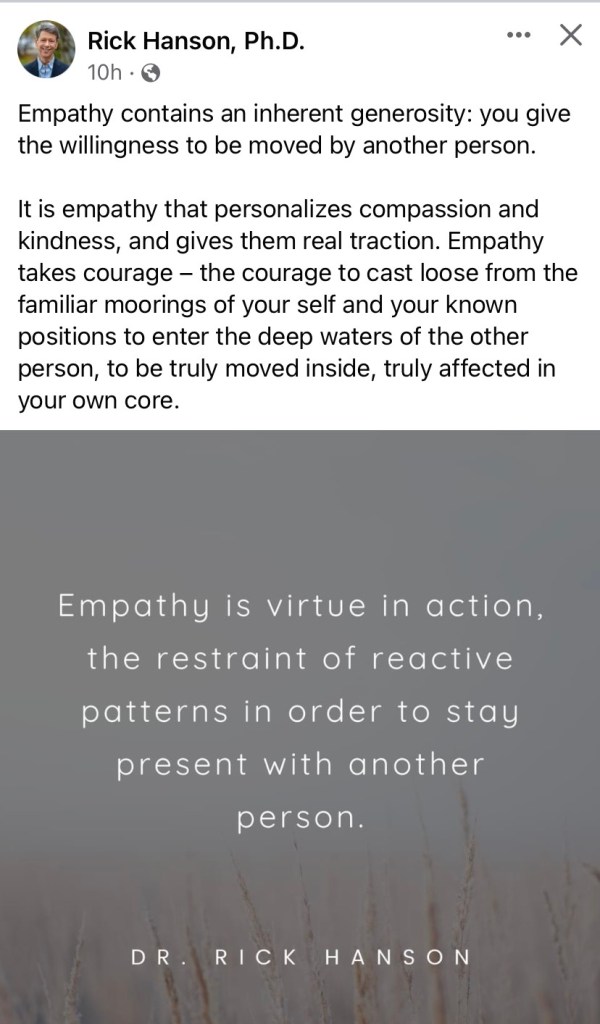
It just so happened that I came across some invaluable insight from Dr. Rick Hanson just as I was processing all of this:
It was those words — “the restraint of reactive patterns in order to stay present with another person” that stopped me in my tracks. What I had wanted most during that hard, heated conversation was to be heard — and what I was learning from my own part in that same conversation was the value of genuine listening. Listening to understand. Genuine listening that moves us to truly hear what another person wants us to know about their most vulnerable places.
Too often, we find ourselves unconsciously falling into the same old conversations and familiar but ineffective patterns. Judgements and defensiveness are roadblocks that lead to dead ends. Dr. Hanson offers a better way for us to enter these challenging conversations — by being open to hearing how someone really feels.
This does require that we tap into our empathy and that we pay attention to old reactive patterns (our own and another person’s). So many times, our actions are well-intended, but we miss the opportunity to respect how it might land on someone.
Making a genuine effort to change how we “show up” for each other in these hard conversations can have a transformational impact in our relationships.
Listening to understand creates a bridge for a better conversation — and a deeper connection. And did you know that repairing a misunderstanding or a wrongdoing can actually strengthen a relationship?
Relationships also grow stronger and flow more easily the better we know each other. Just as we are careful with the sensitivities of young children, we can work to be more cognizant of these tender places with our friends and family. Some of those tender places are the wellspring of the best attributes of people we love.
There is a happy ending to my story. It took a few days and several more conversations — and yes, there were a few good laughs to boot. (Did you know that laugher completes a stress cycle?).
Perhaps the best take-away from this whole experience is that I earned a merit badge in the personal growth department. I am finding solid footing for expressing my boundaries and I am able to refrain from getting caught in old, unhealthy emotional swirls. It really feels good to use my tools and get a favorable result in the end, even if I still need a lot more practice.
RECOMMENDED RESOURCES:
Dr. Rick Hanson – Check out Dr. Hanson’s many resources including his books, podcasts, newsletters, and courses. Follow him on Instagram and Facebook for daily doses of practical wisdom and insight.
Nedra Tawwab – Therapist, NY Times Bestselling Author and Relationship Expert – Nedra is best known for her work on boundaries! Follow her on Instagram “NedrasNuggets” for daily doses of inspiration for setting, holding and honoring boundaries.
Elizabeth Earnshaw, Clinical Psychologist, Author, Gottman Institute Trained Counselor — Elizabeth is one of my favorite young resources for sound relationship advice and experienced guide for invaluable tools to navigate all of our most important relationships. Follow her on Instagram — LizListens
Back in October, I offered my blog post entitled Scattering the Seeds of Change, where I shared how friends were making proactive, meaningful differences in their families and communities. Admittedly I was more “aware” of how my friends had transformed how they were “showing up” in a much more authentic way. My awareness of this collective shift was cultivated over several years of long conversations, being vulnerable and trusting each other, non-judgmental support and a healing dose of empathy.
One thing stands out as a true catalyst for those who are the change-makers, the seed sowers, the light carriers — their willingness to be vulnerable. Time and time again, I have been blessed to hear the stories my friends found the courage to share. My respect and compassion for them grows immeasurably when I absorb their heartbreaking life experiences and contrast them to the courageous, dynamic, wholehearted women I know and love. They are living proof that we are “broken open” often by life. These women radiate light, emit a magnetic energy that feels amazing, and reveal a deep vein of trust that will take your breath away.
My friends are captivating storytellers. It is through their stories that we discover parts of ourselves — and find the courage to bring our own vulnerabilites into broad daylight. The more we share with each other, the deeper our friendships grow. Trust is a rock solid foundation on which to build relationships and ironically enough, it is being vulnerable that opens us up to trust.
Oh yes, it is scary to take that first step, especially if your trust in others has been broken repeatedly in the past — and who has not experienced that? The first person we need to trust is ourselves. Trust that our life experiences do not define us. Trust that how we respond and learn from our experiences is the accurate reflection of our true selves.
What I have discovered about my friends is that when they have found firm footing in trusting themselves, that is when they lean into vulnerability and bring others hope, encouragement and a roadmap. They do this through storytelling.
This past week, I witnessed the power of storytelling in a collective setting. My friend, Diane Brandt, was the keynote speaker for an annual event in Lancaster, Pennsylvania – The Silent Samaritans Luncheon. The Silent Samaritans are a group of women focused on helping other women who seek counseling but are at a time and place in their lives where they cannot afford it. They were founded in 1996 and have raised over $1.4 million dollars for women in need in the Lancaster County community. This year’s event was entitled “Ripples of Hope & Healing: The Many Colors of Creativity.”
I have come to know Diane through my Beautiful Cheetahs Zoom Book Club which began right at the onset of the quarantine for the pandemic. She is a liturgical artists and spiritual director, with deep roots in the Lancaster Community. She is a talented artist who teaches how art and creativity can heal us in profound ways. I am sure that her students over the years have been transformed in ways they never thought possible. The overview of her keynote presentation shared that Diane would share how we can move beyond the limitations of our fear-based thinking and enter the spacious terrain of the heart.
Over the past 20 months, during twice a month book club meetings, Diane has often shared a personal story with us that moved us deeply. Her wisdom and insights that come on the other side of her healing experiences are profound. Naturally, I was eager to hear what she would impart to the Silent Samaritans in this more formal setting. There were several reasons for this — my lifelong best friend, Judy, would be in attendance along with some of her wholehearted trusted friends. Judy has heard many stories about Diane and my other friends in the book club. They would all be present together at this event and I so wanted them to meet. Another big reason for my eagerness was my excitement for Diane — she would be stepping into a role that much of her hard work had beautifully prepared her for — she would be fulfilling another component of her life’s purpose. Diane is a change agent — she helps others transform pain into creativity and healing.
A little sidenote — I was participating virtually for this event since I now live in scenic Idaho. I was surely wishing I could have transported myself to be there in person for this event, and I was grateful that the live streaming option was available.
When Diane stepped onto that stage, she radiated peace, joy and high energy. Within minutes, she had won over the audience with her easy going, relatable manner. While I should not have been surprised, Diane deftly took us on a journey through her life — and revealed tragic, vulnerable parts of her story that were new to me. I was in awe — here was my friend, being a complete open book to this group of caring women. She personified courage in that moment to me. She was standing firmly rooted in her own trust — trust that she evolved into the woman she wanted to be in spite of her life experiences, trust that she is living authentically and trust that she can help others in a meaningful way.
In conversations after the luncheon that I had with my friend Judy and a few of my book club friends, I learned firsthand just how Diane had created a safe place for vulnerability to have a sear at the table. Each table at this event had sheets of blank paper, crayons and markers. Diane used her gift of creativity and art to encourage each of us to draw something that depicted where we found HOPE through the pandemic. This child-like activity was a stroke of pure genius. Each woman could reflect privately on her own life, illuminated through Diane’s presentation, and then simply draw…..
When the exercise was completed, the women took turns sharing with others at their table their drawings and what it represented to them. These conversations were more vulnerable, more genuine, more open than Judy had ever experienced at prior luncheons. Guests lingered longer, connections were being made and as one guest commented — you could feel those connections!
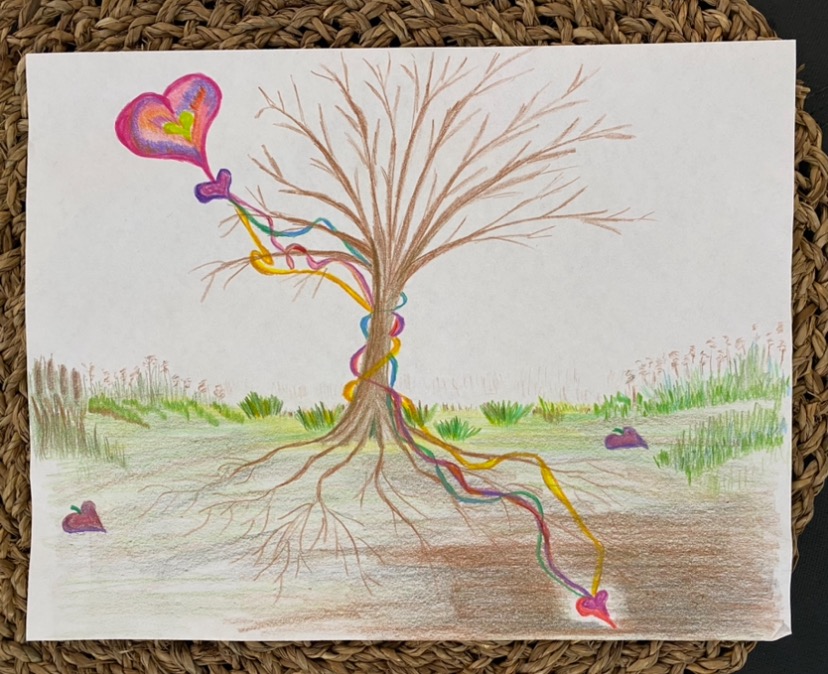
Oddly enough, “connection” was the very word that came into my mind as I sat with my colored pencils and sheet of paper, 2000+ miles away in Idaho. It was connection that gave me hope all throughout the pandemic. I drew a loopy heart with flowing tentacles, a thick tree trunk and many deep roots. I jotted a few notes about what it meant to me in my journal. The big loopy heart is a symbol of my happiness when I am feeling both loved and loving. I lead with my heart in all my most cherished relationships. The tentacles represent my personal connections that deepened through the pandemic – including my bond with. my 8 year old granddaughter in Maryland, the growth and depth that Judy and I experienced in our lifelong friendship, the new friends I made through the Zoom Book Club who are now treasured trust buddies, a reconnection with my dear friend, AR, and the deeper bond I made with my daughter and her family while living with them through the quarantine, uncertainty and change. The brightly colored tentacles are loosely wrapped around me (represented by the tree with deep roots). They represent how relationships ebb and flow, with room for growth and space to be on our own. That smaller heart that anchors us all is the me I discovered through my personal growth work — still stretching down into the rich nourishing compost of vulnerability, honesty and acceptance.
What I find so fascinating is that many of these connections which gave me hope and anchored me through all the uncertainty — were done virtually! Zoom book club, long phone calls, twice a week Skype sessions with my granddaughter. It was the continuity and consistency of our outreach that created a framework. Honest conversations with deep dives into vulnerability and acceptance of reality made those connections stronger. Our relationships flourished — even though the Petri dish of life was not ideal.
What gives me hope is connection – the deep, solid, sustainable type of connection with others on whom we can depend, learn from and growth with through their wisdom. What I am committed to being braver about is my own vulnerability — which is the birthplace of both creativity and connection.
This conversation with Jake Wesley Rogers will touch your heart with its honesty, vulnerability, creativity, joy, acceptance and gratitude for those who “drop the keys” for us….to free us from our own cages and light the path to our greatest potential. There are “mic drop” moments in this conversation about the power of a song to change a heart and mind. Do yourself a favor and listen to his song Pluto on Spotify….
This dynamic conversation that Brene has with her long time friend and activist, Karen Walrond, will inspire you to look for joy even in the darkest of places, but especially in the everyday things we do — it is joy that reminds us of our purpose. It is joy that fuels needed change in positive ways.
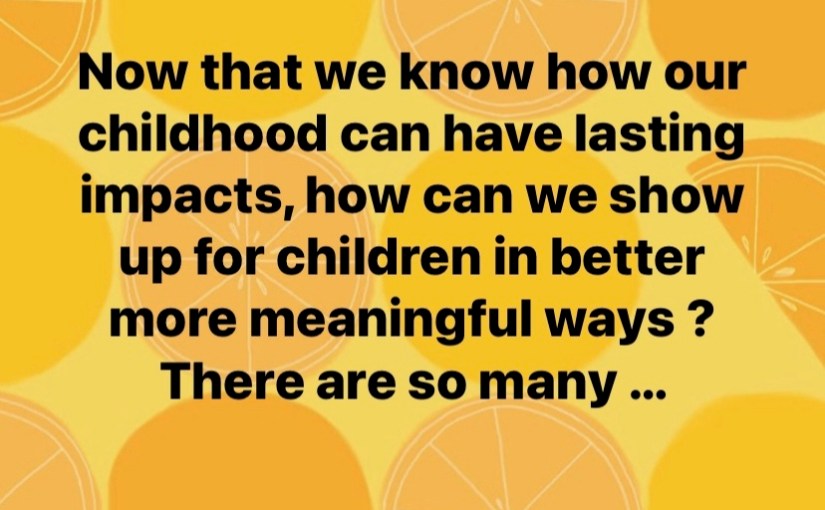
One of my most rewarding facets of the personal growth journey is learning how we can best support our children. So many of us go into parenthood with the list of things we will do differently than our parents, but only from the perspective of how their actions and behaviors felt to us as a child. Dig a little deeper into what was going on with our parents to cause them to behave as they did and add a healthy dose of what society deemed acceptable at that time — and you will come away with a better understanding of how invaluable doing personal growth and healing work can be for generations of families.
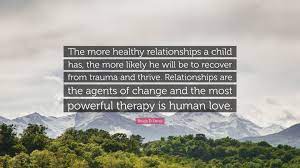
I’m a huge fan of the dynamic work of Dr. Bruce Perry and Dr. Dan Seigel. Both these distinguished researchers offer us insights into how a child’s brain develops, the effects of trauma and neglect in the first few months of life, and the importance of relationship scaffolding for children and their caregivers. As Maya Angelou so wisely tells us “When we know better, we do better.” Understanding that a young child does not have the top down emotional and intellectual capacity to self regulate gives us a whole new insight into our expectations of a child’s behavior and what is possible in reality. The onus goes directly back to us as adults to utilize our own self-regulation, effective distraction and empathy to respond to a child in emotional distress. Imagine how the power struggle shifts, and possibly even evaporates, with this knowledge. Recognizing that some of the fidgeting can be a child’s organic way of self-soothing and calming would stop us in our tracks before we tell them one more time to stop.
When I was a young mother, I relied on Dr. Spock for parenting advice. Today I would encourage parents to read the books that Dr. Perry and Dr. Siegel have written. A companion tool for parents is the enneagram. Even if you don’t want to go to deep with the enneagram personally, a quick review of the core motivations and fears for each of the nine types provides a primer to many of the reasons we choose to armor up, dial back and bully our way through life. A little knowledge can go a long way in preventing your own child from needing to make these adjustments to feel safe, loved and to feel like they fit in.
Too often, we are so caught up in our “to do” list, personal agendas or lack of awareness, that we dismiss our child’s feelings. We don’t really mean to do this of course, but it happens. With the best of intentions, we might say “Oh honey, you shouldn’t feel that way. Look at all these things you’ve got going for you.” Wrong. Trust me, they feel exactly as they feel. And those old familiar words intended to bring comfort only bring shame and guilt to a young person already struggling with big emotions.
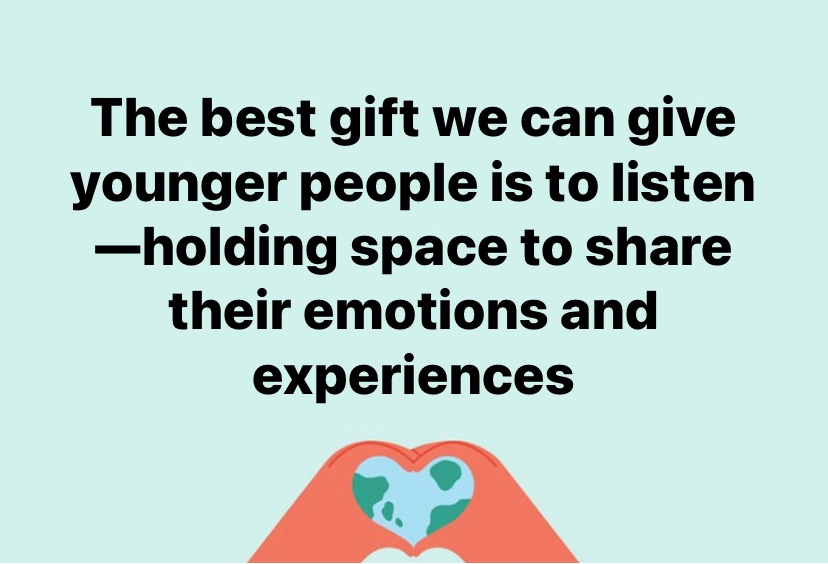
Get curious when you child is displaying big emotions. You can probably sense the hurricane-like storm that is swirling around in them. Sitting down together – calmly – and inviting your child to open up about their honest feelings is incredibly powerful. Responding with words like “that must be really hard” or “that must feel so painful” is so empathic and respectful. You don’t have to solve the problem or soothe the discomfort away. Just being present, listening to learn and understand, offering compassion and a hug are incredible gifts to receive when emotions are strong (whether you are a young child, a teenager or an adult). Rather than inserting our will, leaning in and holding space for young people who simply do not possess the capacity to understand, yet alone process, their emotions is a better path for parent and child.
There is no doubt that we live in a world where there are many demands on our time and attention. Technology has managed to eat up snippets of our day that accumulate into hours without us even recognizing it.
Take a look around when you are out to lunch, in a coffee shop, at the local park or grocery store. Adults everywhere are staring at their screens instead of each other, and this includes their rambunctious, adventurous toddlers.
It’s easy to see how we can miss the little “bids for connection” that children make all day — with their moms and dads, grandparents, teachers and caregivers. We may not be able to catch every one of those bids but my guess is that there is big room for improvement. Challenge yourself to pay attention to the excited little voices calling to you repeatedly, the tug on your pant leg, or the crashing of toys being dumped in the middle of the floor. It only takes a few seconds to answer that bid for connection, and the reward is huge — for both adult and child. Eye contact, a smile, an encouraging word, a hug or tap on the head are all meaningful responses to these tiny bids for connection that our children seek every single day. If we can jump to respond to the ding of a text or email, we can re-program ourselves to do the same for those who look up to us.
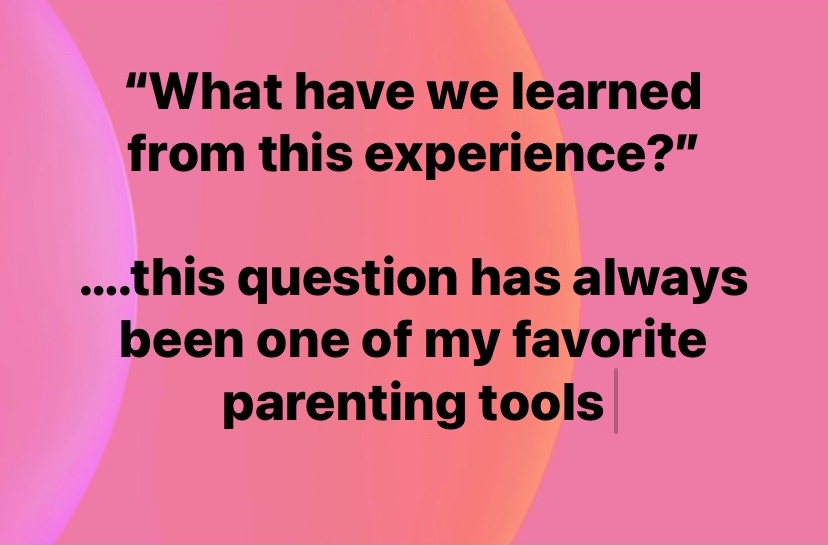
True confession — I came up with this one big question when my sons were teenagers. I’m not sure how it came to be, except that I do remember pondering how to make the lessons stick. Having them be part of the conversation about consequences, accountability and responsibility seemed worth a try. When my sons would balk thought-provoking question and beg for a grounding or daunting chore, I knew that I was on to something.
Now my daughter has been using this question consistently for her young children, ages 4 and 6. The other day I was delighted to discover that this poignant question is entering the third generation. My six year old granddaughter, Charlotte, was knee deep in a silent assessment of the results of a choice she had just made. Out of the corner of her eye, she could see her mom patiently watching for her next move. She turned to her mom and said boldly “Well, that was a learning experience!” Then she sighed and added, “I don’t care for learning experiences.”
My daughter looked at me and winked, both of us hiding smiles that tugged at the corners of our mouth. That’s when my daughter knelt down and made eye contact with her sweet girl and reminded her that learning experiences help us make better choices the next time. “I get it, mom”, Charlotte responded.
The reason I have come to like this question as an invaluable parenting tool, is that it not only gives a child information to draw on in the future, it plants the seeds of agency. It also opens up lots of meaningful conversation about trial and error, using good judgment, asking for help, being resourceful. My daughter is not waiting til her kids are teenagers to employ this skill, she is using it now when her children are young — when it sticks like velcro.
The other morning, Charlotte was sitting in the kitchen with her young brother as he was assembling legos. It was clear that he was struggling a bit with his design by the sounds he was making. Charlotte turned to him and sweetly asked, “How can I help you?”
I was in the laundry room and chuckled with delight to myself. She sounds just like me. I confess I loved it.
Skillfully learning how to approach others when it appears they might need help was a hard lesson for me and one that I truly only got after a few years of personal growth work. Thank you to the enneagram and Brene Brown for helping me discover that we can help too much, steamroller people, and even take away growth opportunities when we insert ourselves too much. Who taught me this lesson in the most remarkable way? None other than spunky, strong willed Charlotte. When she hit that age of “I can do it myself”, I got many chances to practice skillful approaches. Charlotte wanted –and deserved — the chance to do things for herself. Whether it was learning to ride a bike, bake cupcakes, or follow instructions for a science project, she wanted autonomy and agency. I remember telling her “I respect you Charlotte and I promise not to help.” She beamed.
What we are all learning together is that when you ask before just inserting yourself, it is a show of self-restraint and respect. Asking “how can I help you” opens up the space for someone to speak their truth — “I don’t want help. I don’t need help, I’m just frustrated. Could you hold this end for me? That would be great.”
I used to help too much. I have done this since I was a child. Always believing I needed to keep the peace, pick up the pieces, resolve the issue. These childhood patterns can lead to enabling and co-dependency in adulthood. It can also be dismissive to others, making them feel incapable or instilling a sense of neediness.
Brene Brown offers this great question for our adult relationships – “What does support look like to you right now?” Wow — isn’t that an awesome, clarifying and supportive question to ask your friend, your partner or your colleague. Rather than assuming we know what they might need or want, invite them to share honestly with you. The other caveat to this question is that it invites someone to ask us for the help they legitimately need or want – without having to feel guilty or ashamed of asking for help.
I’m including this “reframing” of what we often call triggers, because of a touching note I received from a follower recently. Her 11 year old son struggles with PTSD and she read this “reframing” to him because it felt relatable and comforting. My heart melted as I read her note to me. This is how we can help our children heal, by being aware of the hurts and traumas they have experienced and conscious of how they might show up from time to time. Our children are deeply impacted by divorce, by the loss of loved ones, by the pandemic and virtual school, by incidents at school…..the list goes on. How we show up for them when they have bad dreams or bad days, is crucial. We don’t have to be perfect, we simply have to care enough to put ourselves in their smaller shoes.
Sending love and encouragement out to all parents, grandparents,caregivers, teachers, mentors and coaches who lead with their hearts and their ears….showing our precious children that they matter.
Go to YouTube and search for conversations with Dr. Bruce Perry and Dr. Dan Siegel to listen and learn from two of the best resources on childhood development and how we as adults can make an incredible difference to the quality of their future lives by showing up in meaningful, helpful, responsive and respectful ways.
After much reflection and filling half a journal, I have peeled off a few more layers of understanding about the impact that our protective armor can have on our spirits. I actually had a really big AHA moment this morning, which is the reason for this addendum to yesterday’s post.
What started this search was an explanation of how I fell back into old childhood patterns so late in my life. The clues were hidden in the fibers of my life story. I have often said that I lost my compass after Skip died in October, 2002. Now I can see more clearly just how incredibly true this was. But there’s some backstory that also deserves attention.
In September of 2001, my daughter Brelana was just beginning high school at Virginia Episcopal School in Lynchburg, Virginia. This was her decision and anyone that knows my strong-headed girl can appreciate that she was all-in for this empowering decision she’d made for herself. Her devoted step-dad Skip was a graduate of VES and it was evident that she embraced this fresh start for herself as a chance to “belong” in ways that made her feel worthy and valued — by association, being the “daughter” of a respected, congenial graduate of this boarding school. While I supported her decision, my heart was aching because I knew I would miss her terribly. I knew all the reasons she’d made this decision, which is a story for another time. Just know that she was desirous of a clean break from a confusing pattern with her dad as a result of our divorce. While I would not have been able to articulate it at the time, I now know that I was very angry at having to pay the price of being separated from my daughter because of my ex-husband’s behaviors and choices. This pattern of paying the price for someone else’s actions has a very long thread in my life story and those origins lie in my childhood.
Skip urged me to go with him to Scottsdale Arizona where he was conducting an international banking conference for a week. He thought the distraction would be good for me. Bless his heart — he hated to see me sad and he could tell that I was struggling with emotion about my baby girl being so far away from me for months at a time.
Skip knew the bond that Bre and I have – he often told me that Helen Reddy’s Song, “You and Me Against the World” reminded him of the two of us. Each time he passed a bubbling water fountain in the Philadelphia plaza near his office, he would toss two pennies in it as a symbol of his pact with God to protect us.
Perhaps if I had stayed home, I could have processed all my emotions. The anger about who and what had prompted such a decision, the gratitude for Skip and the role model that he was for my daughter, the sadness about being apart from her and not having conversations over cookies after school.
But as often happens in life, that big life event got swept under the carpet very quickly. While the banking conference had indeed been fun and a distraction, it came to an abrupt and tragic halt on the morning of 9-11. Just typing 9-11, I can feel so many strong emotions coursing through me, the memory of that morning returning with such clarity that I can feel it in my bones. Skip’s adult children were scattered across the country, as were my three children. Phones were jammed as we frantically tried to make contact with loved ones. Bre’s classmates at VES had parents who worked at the Pentagon. The VES faculty were scrambling to keep kids safe and address their fears. In a split second, our world had changed so dramatically. Collectively we all felt fragile, vulnerable, scared.
Skip was a hero in my eyes with how he conducted himself at that conference, being a source of comfort and resilience to so many. Again, the full scope of his efforts are a story for another time. I have shared some of it in an earlier post. We got home, to a small apartment in the suburbs of Philadelphia. It wasn’t really home. It was a temporary place for us to live while our house was being built. Home for me was our cute townhouse back in Millersville, full of happy memories, familiar furniture, treasured keepsakes.
Ironically Skip had to leave shortly after our return for an international business trip. Flights had resumed and although there was much uneasiness in the day to day life routines, everyone was trying to get back to some sense of normal. That is, all while keeping a watchful eye out for suspicious white vans or shady activity. So I was home alone, in an apartment, where I did not know any neighbors. I’d go to work each day at PNC Advisors, grateful for friends and something to do to pass the hours. But things were changing rapidly at work due to the terrorist attack and safety precautions being instituted to protect clients and financial affairs. It was overwhelming to process it all especially with a healthy dose of fear added to the mix.
Cell phones did not get good reception in those days. We had not yet gotten a land line installed in the apartment, so I would go to a payphone outside the apartment complex gym to call Brelana or await a call from Skip. A few weeks of standing in the dark, talking on a pay phone hoping that I sounded cheerful, calm, and comforting.
Just one month later, my mother died suddenly. A blood clot from a surgery I did not even know she was having. Now my mother and I did not have a really good relationship, but we had been trying to get it back on track. Oddly enough I had heard some church bells ringing in the distance while walking our small dog at the very moment she passed. As I realized that coincidence, I took a little comfort from it. A sign that in the end, we were ok.
In 2002, I had high hopes for the pendulum to swing back to more positive experiences. The house Skip and I were building was a source of joy for both of us. But only two months after we had moved in, my beloved Skip passed away in my arms…..having just returned from a 2-1/2 week business trip in Cairo. My world went dark….and extremely quiet. So did I. There was just not an ounce of grit and determination left in me. I was beyond worn out. For a very long time, I felt numb. I think it is the body and soul’s way of protecting us — cocooning us when things seem so unbearable.
I know this story of mine is beginning to sound surreal — so many big, impactful life events all unfolding like dominos….one right after the other, without a moment to catch a breath, cry it out, start to heal.
Yet I am sure that if you look around, you will see similar stories that are unfolding right now — through this current collective event of a global pandemic. It is the impetus for me sharing all of this. To open your eyes and hearts to the many events and experiences that are breaking spirits of others.
A key similarity to my life experience and the pandemic is isolation. When Skip died, I was all alone. We had moved from my hometown to the Philadelphia suburbs. No family, no friends yet. Too much isolation during my darkest hours.
I believe that it was that isolation — that long lonely recovery period of grieving — that really put me in a tailspin and sent me spiraling backward into unconscious behavioral patterns.
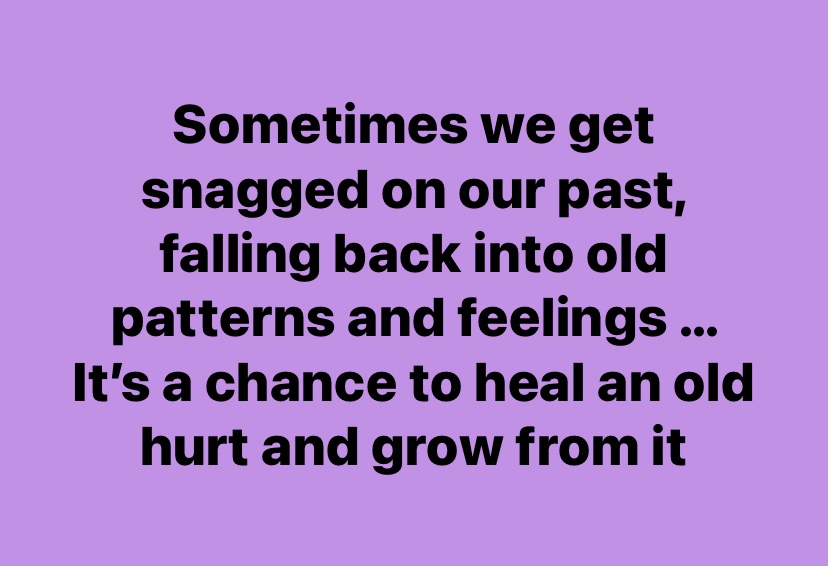
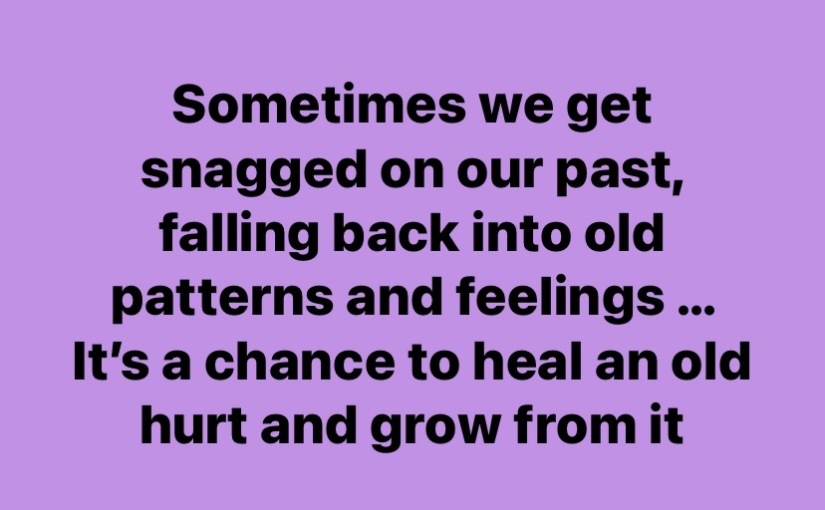
In my post yesterday, I shared how even experienced practitioners can get snagged on emotional baggage from their past. These deep emotional experiences can have very strong currents that pull on us when we are most vulnerable. So often, we then begin to sift through old memories and excavate other painful experiences. I have done this myself, stringing together a series of past events where I was alone, vulnerable, in struggle. It amplifies our emotions and can flood us to the point of overwhelment.
I have witnessed this happening to people I love. They ask questions I cannot answer and those questions reveal the unhealed parts of their life that still snag them.
This is why I am sharing such personal vignettes with you today. It has only been through a lot of inner work, with the help of a cherished friend, that I have been able to go back and process what needed to be faced and healed. I was dragging around of lot of old baggage for far too long and allowing it to hold me back. This is precisely why we need to help each other with non-judgment, kindness and an abundance of empathy.
I have often shared how it was a broken heart that put me on the path of personal growth. The truth is that I also suffered from a broken spirit, one that was decades in the making. It was my fragile, broken spirit that needed to be healed first. I just did not know that at the time.
This morning I was reflecting on those first few weeks of being on my own after that painful breakup — how I wrote in my journal that I wanted peace, to feel safe and to be free to be myself. Ironically I thought that living alone was the best way for me to achieve those three things. What I should have been asking myself is “why were you not finding these things within your relationship?”
An inventory of both past and present relationships might have revealed some truths that required further investigation. It dawned on me that when I am behaving and feeling most authentically myself, then I am both at peace and feeling safe — both alone and within my relationships. No one else is responsible for ensuring those core values are ever present but me.
What became very evident was that I need to untangle myself from a complex combination of childhood trauma, learned behavioral patterns, exhaustion from hustling for my worth, and a heavy trunk of unprocessed emotions. It was this complex combination that had been breaking my spirit, slowly and consistently over time. I was completely unaware of the toll it was taking — on me, on how I showed up, how I reacted, on the dynamics of my most cherished relationships.
One thing became crystal clear to me. Those times in my life when I felt most at peace, safe and my buoyant, resilient self was when I was with people who saw past my flaws, who recognized my potential and who mentored me through role modeling and coaching.
My young broken spirit was often mended by my beloved Aunt Betz, my church choir director, a high school teacher, a cherished friend. These are the marble jar people that Brene Brown talks about — those who are so trustworthy that we feel safe to take refuge in their care. These earth angels give us little footholds to help us tap into our innate worthiness and foster our growth. I don’t think that I would have been able to cope with all the chaos in my family’s dysfunction without the help of these incredible people. They not only gave me a safe place to land for a while, they gave me wings to fly a little higher than my circumstances. When I was young, they were helping to untangle me from the baggage that was breaking my spirit.
As I dug deeper into personal growth work, two things really began to gel for me. One was that it is our responsibility as adults to do the work of untangling ourselves from outgrown narratives and old baggage. The second was that even the most dedicated practitioners also get snagged on their past, and fall into unconscious, unhealthy patterns from time to time. It is often in times of high stress, great loss or adversity that trigger us to fall back.
Much as I would like to pretend that this did not happen to me in my 60’s, it did. I fell back into old uncomfortable but very familiar pattern reminiscent of my childhood without even being aware of it. I slipped into the role of helper extraordinare and then followed that unhealthy path down a rabbit hole into enabler and co-dependent. Completely unaware of my blind spots, I became the one who was instrumental in breaking my own spirit. The warning signs of resentment, stuffing my emotions, and feeling so uneasy that I was jumping out of my skin at sudden noises only fed an old story line that I was not good enough, not worthy, falling short –again. Unbeknownst to me, I had drifted into the very unhealthy end of my enneagram spectrum. I was in a strange and complex paradox of trying to get my needs met while accepting behaviors that were in direct conflict with those needs.
To add to my confusion, while I was falling so short in that relationship, my friends and family members saw me as an easy going, cooperative, optimistic and encouraging person. How was it that others could see those good parts of me but my partner could not? This paradigm is common actually — as I discovered through long conversations with friends. Could the answer be in how we “show up” differently without so many deep rooted emotional entanglements clouding the waters. If so, what is it about ourselves that we do differently in our closest relationships that contribute to this conundrum?
For me, it was the fear of making things worse by bringing up something important to me. The tap root of my unwavering need for trust that was broken repeatedly in my childhood. So often when I would speak up for me and my brothers, the consequences were far worse than the initial event.
This pattern began to appear in my relationship and I got hooked on old insecurities. Trust unraveled and my spirit took a hit. I did try to explain this to my partner once but I was clumsy about it. It is a textbook example of why we need to get skilled at having hard conversations — both in the way that we articulate our truth and how we listen to learn.
The better we understand ourselves as well as our basic needs and desires, the healthier our relationships can be. I only wish that I had been introduced to the enneagram earlier in my healing journey. You see, the enneagram sheds a lot of light on childhood roots of learned behavioral patterns and what it is that we each need in order to feel fulfilled, loved, valued and safe. The enneagram is truly one of the most valuable self-awareness and self-discovery tools we can access. A companion resource for the enneagram is Brene Brown’s powerhouse book, The Gifts of Imperfection. This book illustrates so well the armor that we choose to protect ourselves from the core motivations and fears that the enneagram reveals to us.
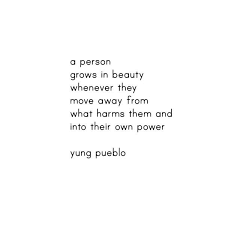
Check out Yung’s deeper explanation of this wisdom in the Recommended Resources at the end of this post.
As I was working on my draft of this blog post, the above quote from Yung Pueblo landed in my inbox. It was so timely and his accompanying insights dovetailed with my own experience and the wisdom I’m striving to impart. While Yung Pueblo leans heavily into his meditation practice to peel back the layers of his patterns, I turn to the enneagram for course correction. When I find myself feeling off kilter, I know I am drifting into the unhealthy end of my spectrum. I heed the warning signs of resentment or feeling unappreciated as cues that I have overcommitted myself or failed to set a boundary.
These examples really just scratch the surface of all that you can learn from the enneagram. Perhaps one of the greatest gifts is helping us to see others in a whole new light. When we understand that each of the nine types has a dominant way of showing up in life, it releases us from taking things so personally. That creates a bridge to understanding and empathy. We can begin to recognize the bids for connection that others are making even when they might be clumsy about it.
When I reached the point of being able to trust myself enough to know what I needed to feel at peace, safe and valued, I knew that I was making meaningful strides in my goal of being my authentic self. Admittedly this was hard work and requires ongoing practice. Shedding the armor of being a people pleaser or shape shifter to feel like I fit in or was liked has been the equivalent of shedding unwanted pounds. It is easier to express my emotions and my needs now without all those old entanglements getting in the way.
This brings me back to broken spirits and broken hearts. Everyone experiences broken spirits and broken hearts in their lives — and sometimes that brokenness takes a very long time to heal. So often we do not realize just how much another is hurting, in need of empathy, compassion and trust. Sometimes we project our pain onto others because we lack self awareness. Sometimes we take things too personally because we ourselves are fragile. When we are not skilled at having hard conversations, we can inadvertently shame or blame others. This is why I believe Brene Brown’s work on vulnerability is crucially important. Self-awareness and vulnerability are two of the strongest gifts we can give to ourselves and each other. Deeper, more fulfilling relationships are cultivated in these rich spaces of trust, honesty, acceptance and understanding.
RECOMMENDED RESOURCES:
Yung Pueblo — Author of Clarity and Connection. Follow him on Instagram and Facebook for daily insights on personal growth, maturity and growth mindset partnerships.
Being Well Podcast with Dr. Rick Hanson and his son, Forrest Hanson
A puffy snow white dandelion is absolutely irresistible to my six year old granddaughter as she skips across the front lawn to pluck it and blow enthusiastically, sending tiny seedlings airborne on wispy tendrils. “Where will they travel, Gigi? Where will they land?”
This timeless joyful outdoor activity is the perfect metaphor for what I am witnessing in family members and friends who are doing the same with the seeds they are sowing on their own personal growth journeys. Immersive conversations with several close friends have been so inspiring and uplifting. As these women have peeled off the layers of personal narratives that no longer fit, and shed the armor no longer needed, they have become invaluable resources for sons and daughters, for siblings and friends.
I’ve planted a few seeds within my immediate family over the past few years. I’ve nurtured and nourished those seeds with patience, shared personal experiences and even hard conversations. I can see and feel them sprouting now — and it fills my cup with joy, gratitude and hope.
While I wished for these kinds of results in the past, I am now well aware that I had a lot of personal weeding to do first so that I could discover the places where old conditioning, old triggers and outgrown behavioral patterns were stunting my growth and contentment. Now that I am tending my own personal growth in a healthier way, I am able to see more clearly and empathically where others might be entangled or stuck.
My friends are experiencing this very same thing in their immediate families. They share stories of how their adult children are embracing personal growth much as they would a new nutrition plan. They see the benefits of doing this preliminary work earlier in life (in their 30’s and 40’s) so that they don’t end up like Bob Marley chained to a lot of baggage that restricts them from evolving through life.
What are the seeds we are planting? For starters, we are showing up differently. This includes a laundry list of shifts like being curious rather than judgmental, listening to learn and understand, refraining from offering advice and asking more questions to help others solve their own problems. We honor other’s feelings, don’t take things so personally and we hold boundaries. People can feel this difference in how we are showing up for both them and ourselves. It is often described as feeling safe, building trust and fostering a sense of agency.
As those seeds take root, it becomes a lot easier to lean in to each other and share vulnerabilities. It opens gateways to ask for help when needed, or to have those really hard but necessary conversations. Deeper connections are forged in these most vulnerable spaces. A lot of misunderstanding gets cleared and a lot of healing takes place.
To be certain, none of this happens overnight. Meaningful personal growth changes take time, practice and patience. It is the consistency of these changes that become so noticeable to others.
Personal growth work is becoming more mainstream. They are so many relatable, useful and game-changing tools readily accessible to us — through books, podcasts, apps, online tools, classes and counseling. Even my doctor’s office has been highlighting the benefits of mindfulness and meditation in managing stress, sleep deficits, inflammation and overall quality of good health. There is also a realistic understanding that personal growth is an on-going process throughout our entire lives, just as caring for our physical, nutritional and mental well being.
No doubt the pandemic, quarantine, and ongoing uncertainty about a new normal has also played a relevant role in awakening many to the ruts and routines that were not serving them well. The Atlantic recently featured an insightful article about why so many people are quitting their jobs, moving their families and seeking a new balance for work and family. This reset may be fertile ground for seeds of self-discovery and personal growth to take hold.
I am so elated when my friends tell me stories of the personal transformations they are witnessing with their adult children. We are all feeling so inspired that this younger generation is learning some of these big life lessons much earlier than we did. It is easy to recognize that they will have better skills, resilience and compassion for whatever life has in store for them as the years unfold for them. Some of these wise young adults also recognize that they can pass along multi-generational issues if they don’t do this inner work. They are motivated to change so that they can free their young children from debilitating family narratives and patterns. In some cases, adult children are helping their older parents heal from their past traumas through their own personal growth work. The effort and benefits can truly flow both ways.
A recent conversation with my lifelong friend Judy had us laughing about needing a “Johnny Appleseed” kind of name for those of us who extol the huge benefits of personal growth work. As I watched my little granddaughter joyfully blowing the dandelion seeds into the brisk autumn air, I realized that it was the perfect analogy. Anyone doing personal growth work and sharing their discoveries with others is scattering the seeds of positive transformation. We don’t know where they will travel and we don’t know which ones will take root — yet we will joyfully scatter nuggets of wisdom, empathy and encouragement every day.
Here’s to those who are scattering seeds of positive change — by sharing their stories, by setting examples, by recommending a book or a podcast, by being brave enough to have hard conversations, by pausing before reacting, by offering grace and kindness, by recognizing that we really don’t know each other’s full life stories and being willing to listen to gain understanding.
It dawned on me as I was chatting with my lifelong friend Judy that our big immersive conversations have shifted quite a bit as we progress on our personal growth journey. A few years ago, our focus was on ourselves –behaviors we wanted to change, what we wanted to heal and what lessons we were learning. While we continue to do this inner work, we have discovered that we are now more naturally attuning ourselves and our focus to others. As a direct result, our conversations reveal that we are more proactively participating in healthy ways to helping others find their own path. We feel more energized, fulfilled and purposeful. The feedback we are getting from others is reinforcing that how we are showing up for others these days is landing just as we had always hoped it would — in positive, helpful and constructive ways.
I recall telling Judy years ago about some wisdom from Pema Chodrun. In essence, Pema said that doing our own personal work was not just for ourselves, but also for others. As we peeled off layers of old baggage and outgrown behavioral patterns, others would notice we were changing. At first they might not care for it because it would feel awkward to them. Over time however, they’d witness how much calmer and present we were and they too might be inclined to do some personal growth work. Pema offered that this is how we pave the way for others. She also explained that as our energy shifts to more positive, resourceful ways to respond to life, we will organically begin to attract more of that same growth mindset energy from others. Judy and I marvel at all the truth that is packed into Pema Chodrun’s wisdom. We have witnessed this transformation in our own lives and in each other. I don’t think we will ever lose sight of all the hard work we did together over these past few years and where it lead us.
Judy and I are both Type 2’s on the Enneagram — the helper. For most of our lives, we were like first responders for family and friends. Although our life paths took us in very different directions, as we revealed our stories to each other, we could easily recognize the all-too familiar patterns of helping too much, exhausting ourselves, enabling others and diminishing our own value. That would be the unhealthy end of the spectrum for a Type 2. We made a commitment to get to the healthy end of that spectrum — together. We would help each other stay on track. To be honest, we knew that there would be times that this might be really hard especially when the truth might hurt. Yet we had a strong foundation of trust to help us with our commitment.
A trusted friend is invaluable when it comes to discovering and addressing our blind spots, tunnel vision and insecurities. It is often so much easier to divulge our fears and vulnerabilities to a friend than to our family members. It just feels safer. Brene Brown calls these our “marble jar” friends.
A marble jar friend is your advocate – and they want you to be successful, happy and to flourish. They hold your confidences, can be trusted implicitly and aren’t judgmental. They are also realists who can sit with you in your darkest hours and hold space for you to cry, to vent, to pick up the pieces. If you have one, you are so fortunate. If you have several, you are truly blessed.
So often, I have heard a soft refrain of “me too” from one of my marble jar friends when I shared something painful or shameful. I can almost feel a space opening up to pour out hard stories when those words are uttered. It feels like a trust fall — “let go, you are safe – I will catch you.”
Judy and I have certainly deepened our friendship as we ventured hand in hand on our personal growth journey. We have also witnessed how our daughters have been watching us – how we maintained a lifelong friendship (with and without social media), how we have celebrated and supported each other through many life events, and most especially how we’ve transformed into healthy versions of our type 2 selves over recent years.
It is this “witnessing” of personal growth work in action that has become the most meaningful aspect of the journey for me. My own daughter sees and feels it in my relationship with her. The same is true for Judy and her daughters. Old patterns that we once had with our daughters have faded away giving us a more expansive space for connection, encouragement and wisdom. Judy and I love helping our daughters navigate the challenges of parenting, marriage, careers, friendship, family and life with the wisdom gained from the lessons we learned the hard way and the benefits of better responses.
Others in our lives have also witnessed — and experienced – how we are showing up much more authentically now. Just as Pema Chodrun pointed out, others are drawn to the changes they’ve noticed and are asking us about our resources and tools. We are calmer, more energetic and resourceful. We listen more and ask better questions to learn more.
Here is another heartwarming aspect of the journey for me. Where once I was often interjecting my help where it may not have been needed or wanted, I am now legitimately helping others who are expressing a desire to learn and understand.
As we moved the needle toward the healthy end of being a Helper, Judy and I also ended up more closely aligned with our true nature and our purpose, especially at this chapter of our lives. We have always had good intentions, and now we have better tools and skills to support us.
I’ve been witnessing this same progression with my several of my dearest friends. The more we are engaging in growth mindset conversations, the more we are reading, experimenting with new tools and resources and sharing ideas.
I get so inspired by my friends as they share their stories of how they are evolving in their relationships with their adult children. Especially when it becomes so evident that all the work we are doing is shining a light on a new path for that generation — that they are shedding their armor much earlier than we did.
And with any luck at all, we will help our grandchildren travel through their lives with strong emotional intelligence, a firm grasp on their own authenticity and worth, and the confidence to pursue their passions with our wholehearted support.
RECOMMENDED RESOURCES:
Being Well Podcast (Two parts) with Dr. Rick Hanson and Forrest Hanson- Debunking Self Help Myths:
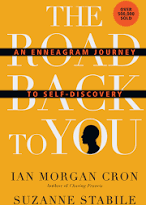
Such a great introduction to the Enneagram for anyone curious to learn more. The more you learn about all nine types, the less likely you are to take things personally — and the more likely you are to open up to understanding how another person is hard-wired and responding to life differently than you.





















 Inspired New Horizons