Breaking the Chain

Over this past year, I gained a deeper understanding of the impact of childhood experiences from one generation to the next.

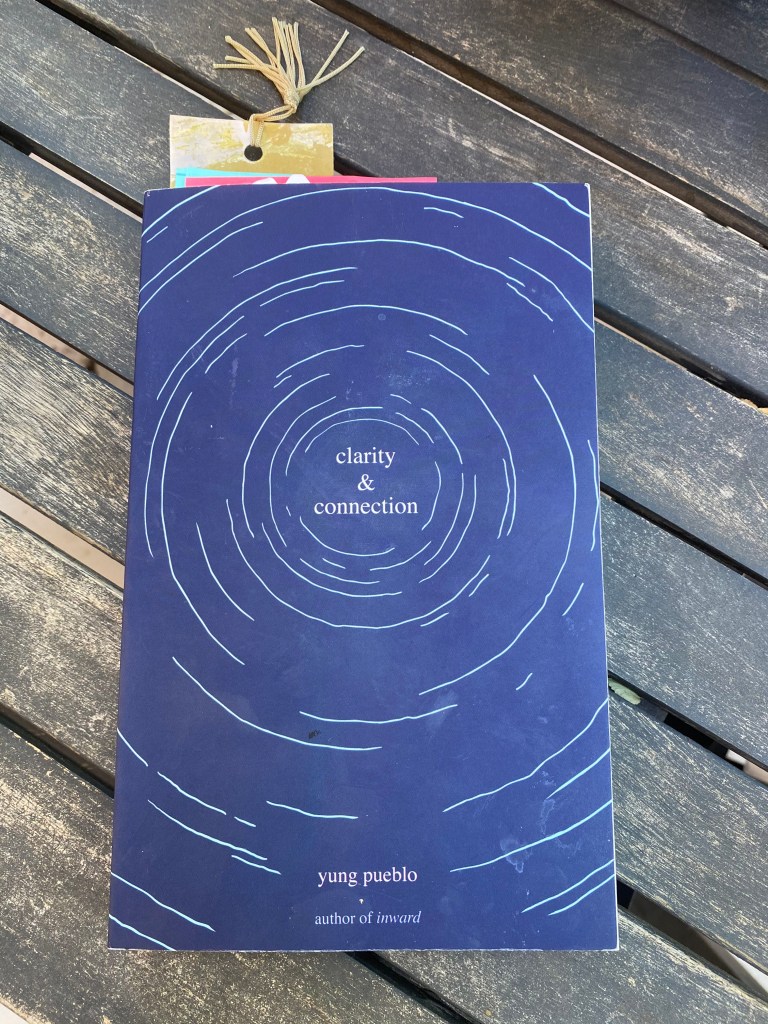
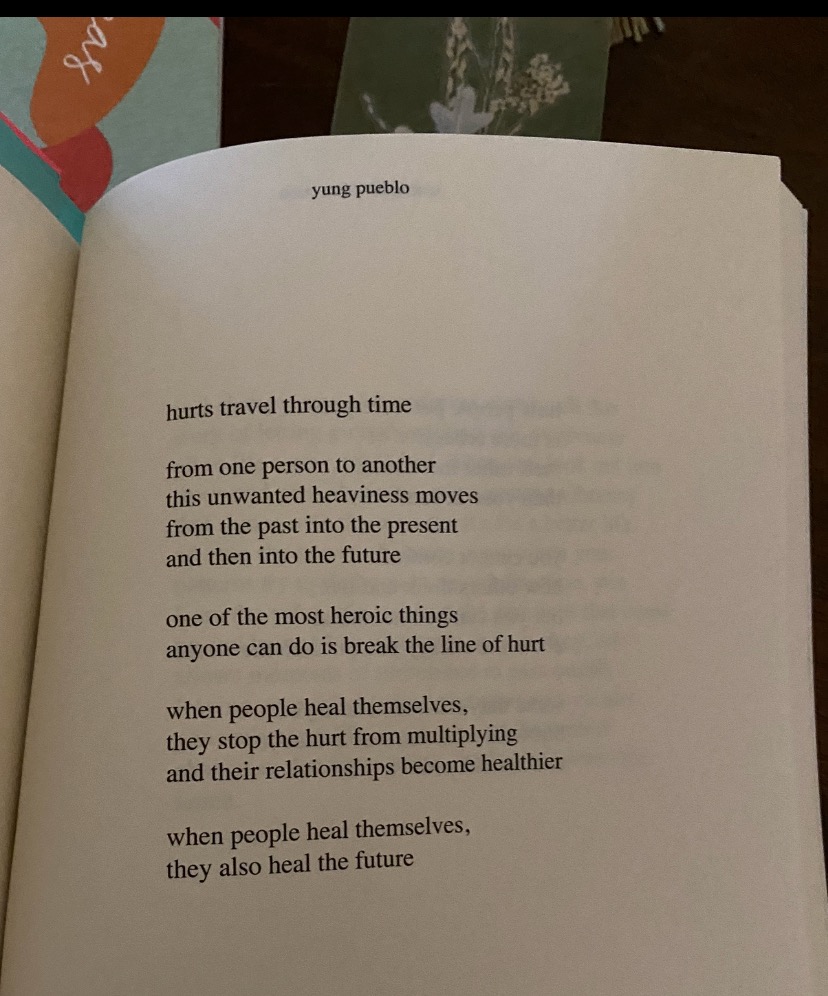
As I read this page from Clarity &. Connection by Yung Pueblo, I paused to reflect on just how true these words are. Often when I read a page in this book, I do find that I have lived exactly what Yung expresses.

I reflected on my mother whose parenting skills were sorely lacking and how that impacted me from a very young age. If you asked me at age 5 or 10 or even 15 what I wanted to be when I grew up my answer was always the same: “A good mother”.

Most people would just smile and think how sweet. However, a guidance counselor in middle school took it as a red flag. I spent more time in 7th grade in that counselor’s office than the classroom. I drew pictures of a house with a white picket fence, a big leafy tree with a tire swing, colorful flowers lining the path to the front door, three smiling kids and two happy parents, all holding hands. The guidance counselor would give me an odd smile that felt intrusive as he asked me vague questions and and gave me the ink blot test. Looking back, I am sure he knew I was leading a double life – the fantasy image that I drew on that paper and the harsh reality of a very dysfunctional family. He could also see my mother’s reaction when she stormed into his office to yank me out of there. I often wondered if he could hear her yelling at me when we got into the car. A few days later when I found myself back in his office, I was sure he did. Truth be told I was angry at him for putting me into this endless cycle of fearing the consequences of being back in his office while surreptitiously begging for his help, leaving clues on blank sheets of paper. Neither adult seemed to truly care about me. I was Olive Oyl between Popeye and Brutus. The tug of war was between them and my fate remained unchanged. A pattern that would play out in my life for decades.

So it was clear that from very early on I thought this whole mothering business could be handled much better. My framework for this was established with a long list of “what not to do” and it even included all the awful things my mother would repeatedly say that I vowed never to say to my own future children. Imagine my confused relief when I realized that other kids from seemingly functional homes had that same list. The big glitch in building a framework on “what not to do” is that it creates a very shaky foundation.

It set in motion a very complex webbing of reactive behavioral patterns intended to keep me and my brothers safe. I had an imaginary hope chest full of ideas on how to do things better when I was a mom. All those old reactive behavioral patterns became road blocks on my life journey. I can see that so clearly now — at 69 and on the other side of six years of self-discovery work.

Here’s the blueprint for all that generational heaviness that Yung Pueblo writes about — my mother had her own story. I know very little of it except that her own mother’s early death left her reeling and it must have happened shortly after I was born. She went to seances and fortune tellers, numbed her pain with alcohol, cigarettes and bad choices. My dad was overwhelmed by her and afraid of her. He was way out of his league in how to navigate it all. I remember being so angry with him for not protecting me and my brothers, but now I realize that he was every bit as frightened and stymied as we were. Both my parents were armoring up against their own fears and unprocessed trauma.

I grew up too fast, assuming adult responsibilities around the age of 10. Like many young kids, I believed I was the problem — that if I was better, we would somehow magically change into that happy family image I drew on paper for the guidance counselor. My behavioral patterns took root and I became a helper extraordinaire, a people pleaser and abundantly compliant. I took my lived experience, extracted the parts that hurt and vowed to do it differently. I began stuffing that imaginary hope chest with my own blueprint for being a good mom, wife and having a happy family.

I left home just a few days after graduating from high school. Actually, I bolted from home — in broad daylight, while my mom was at work. Packed my few belongings and moved into a third floor apartment on a peaceful street on the other side of town near a local college. I felt so free, in charge of my own destiny for the very first time. Just one little problem, I kept looking behind me (literally and figuratively) to see if trouble was looming. Like I said, it is very hard to build a solid foundation from shaky scaffolding. My mother gave me good reason to keep looking behind. She stole my car — my 1968 Mustang, in the middle of the night. I came out of my apartment in the morning to go to work and discovered my car was missing. She did this a few times, in spite of the fact that I thought I was so clever by parking it discreetly blocks away from my apartment. Those tentacles of childhood distrust just kept reaching out and tapping me on the shoulder.

At that time, I was working as a legal secretary in a law office for $70 a week. My boss was the most kind, sensible, empathic adult I’d met in a long while. He offered me a solution to the repeated stolen car dilemma, pro bono, and sent my mother some legal notice that put an end to her nonsense. It may have been the first time that I truly felt that someone had my back. I wonder if I conveyed to him just what that really meant to me.

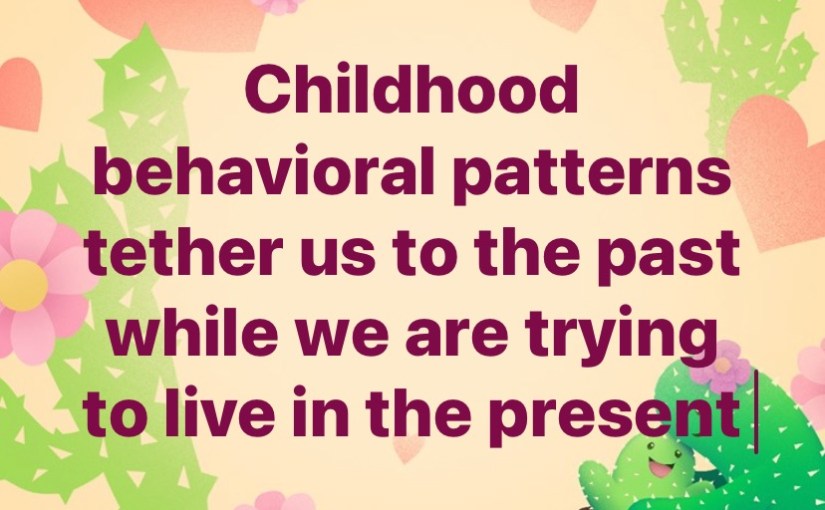
My hope chest blueprint was an attempt for me to be the exact opposite of my mother but because I was also looking over my shoulder, I could not really sink down deep into my own core values and fully embrace who I truly was. My learned behavioral patterns kept me tethered to a past full of uncertainty. I carried my parents armor and my own. There was no sure footing, no strong foundation.

That’s how many find ourselves moving forward into life, getting married and having kids — and bringing all our baggage into the new life we are trying to build. Even in the best of families, there are blind spots. I think my parents’ generation had a junk drawer and a skeleton closet. They hid discomfort, dysfunction and trauma. My generation was often taught to suppress our emotions –stop crying, get over it, pick yourself up by the bootstraps. Is it any wonder that generationally we struggle with emotional triggers?

When I married in my early 20’s, I naively believed that my “happily ever after” blueprint was destined to come to fruition. My first husband was the oldest of 5 in what surely looked like the TV version of family perfection. Dad dutifully off to work, while mom in a flowered apron baked and ironed, preening over her children and her gardens. It was only after we were married, and were living with his family for several months that I discovered there were serious cracks in this facade as well.

Looking back now, I can more clearly understand that many of our marital struggles were rooted in the behavioral patterns we both brought with us into a young marriage. Unfortunately, we doubled down on what once worked for us in times of stress. That in turn just entrenched the cycle of our pasts colliding creating that unwanted heaviness that Yung Pueblo describes. Naturally that meant that our three children were exposed to this newer version of the same old thing — and voila now they were developing their own reactive behavioral patterns. Three generations of armor getting heavier by the minute.

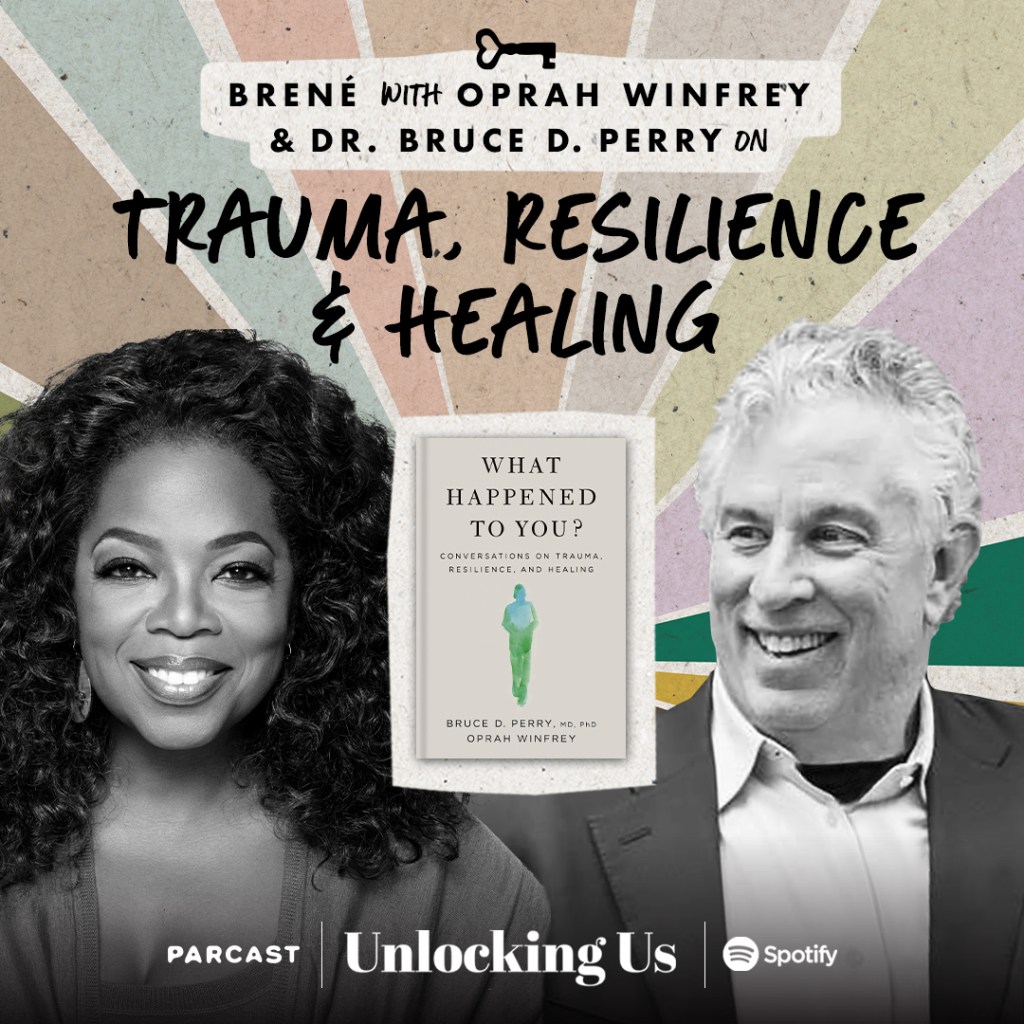
Over the past several years, I learned about the findings of Dr. Bruce Perry, a noted clinician, teacher and researcher in children’s mental health and neurosciences. His work on the impact of abuse, neglect and trauma on the developing brain has had meaningful impact around the globe. It became very evident to me that what happens to us in our early childhood years can have lifelong repercussions.

This is why I feel so strongly about the importance of caring for our mental health and emotional regulation. I wholeheartedly agree with Yung Pueblo that when people heal themselves, they heal the future.

Deep conversations with close friends has revealed that my story is not that remarkable. Many had similar experiences and have felt the effects of their learned childhood behavioral patterns throughout their adult lives. I’m hard-pressed to find a family tree that does not have entangled branches of dysfunction, depression, estrangement, insecurities and brokenness.

Take heart, however — We were also well-intentioned gardeners tending those family trees as best we could. We chose to do the opposite of what their parents did, we chose to love more deeply with an understanding it might hurt, we chose to soothe, comfort and nurture. The pendulum may have swung too far the other way. We burned ourselves out trying to do it all and keep everyone staying in the green on the happiness meter. We still lost our tempers, got resentful, exhausted and disconnected. We offered ice cream cones to our children when we should have pulled them in our laps and honored their feelings. We should have done the same for ourselves but we chose a glass of wine or a bag of chips.

My first marriage ended in divorce. We tried couples counseling before we threw in the towel, but like my guidance counselor experience I realize that we were unable to identify the root cause of our problems. So we just lobbed our resentments back and forth, paid the bill and went home to hit repeat. We did not break the cycle. I can look back now through clearer eyes and a wiser heart and see how our emotional armor and old behavioral patterns kept us entangled til we couldn’t actually live our best lives anymore. I also see how our three kids paid a dear price just as my personal counselor told me. She said that my kids might come back to me one day and ask why I did not leave sooner. When I made the decision to divorce, my sons were away at college and somewhat insulated from the months of anxious fallout, but my daughter was now Olive Oyl between Popeye and Brutus. Consider that my daughter was only 5 when I was diagnosed with breast cancer and 7 when she became my motivation to divorce to free us from a cycle of insecurities and unworthiness. Those events landed hard in the heart and mind of a young child.

Again, my story is not all unusual. And we have seen this play out throughout many generations. When my son was in the throes of his own divorce, I remember telling him that the long arduous decision making process had consequences for his young daughter and encouraged him and my daughter in law to co-parent from a space of awareness and love. I am relieved that they have done this well and continue to do so. For me personally, this is what Yung Pueblo means when he writes about healing the future. Learning from my mistakes, I share openly with my son and daughter in law. I am striving to help them navigate the challenges of raising a child in a co-parenting and ever-evolving family dynamic. No choosing sides and no ostracizing a child or making her feel “less than.” Raising a child is the hardest job we will ever do.

Embracing life’s realities and the brokenness that will inevitably occur in a caring, supportive, inclusive way is far better than saddling a child with our old emotional baggage. The best gift we can give a child is teaching them to honor their feelings. Holding them in our laps and listening, holding space for them to truly feel the depth of their emotions and feeling safe to do so. Teaching emotional awareness, emotional regulation and modeling it ourselves in daily life is how we heal the future. Do the work — in the present moment.

I had no idea when I dipped my toes into mindfulness 6 years ago what I would be gaining. While I was so focused on healing myself, I was then unaware how helpful it would be to my family and friends in the years to come. I knew that I wanted to get out of a situation that was draining me physically and emotionally so that I could be at my best for whatever life had in store for me in this last chapter of my life. That desire to be stronger, healthier and of clearer mind took me on a journey I could have never imagined. So often I told myself that I wished I had learned this all much earlier in my life, recognizing that it would have not only saved me a lot of heartache, but it may have also meant I did not inadvertently hurt others. There is a quote that says that life brings to you what you need the most — and what I needed the most was to heal from old trauma, drop the baggage and embrace equally my imperfections and my gifts. My discoveries and continued learning are supporting my efforts to help others learn this invaluable lesson much sooner in life.

I am so grateful that we live in a time where the stigma around mental health is falling away. I am so encouraged that counseling and therapies are taking a more holistic approach to mental health, bringing grounded research and more tools into the fold. I do believe that we need to be an advocate for our own mental health as much as we need to be advocates for our physical health.

I have looked back on my counseling sessions and see evidence where childhood experiences were begging to be brought out into the open, but were dismissed or simply missed. Had we all recognized that the warning signs were flashing, we could have done some of this meaningful healing work so much sooner. We may have saved good relationships that were tainted by our past.

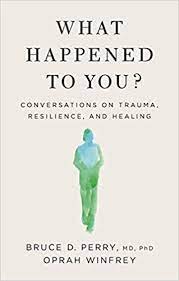
Dr. Bruce Perry and Oprah recently released their book “What Happened to You?” If we each asked ourselves this question, and then took the time to go back and revisit our childhood with compassion and mature perspective, it would be an invaluable step in breaking the generational line of hurt.

OPRA

RECOMMENDED RESOURCES:

The chapters in this book offer a meaningful personal growth framework: Self-Awareness, Unbinding, The Love Between Us, Growing, A New Life

Beautiful Cheetahs

It was early Spring, 2020 and things had come to a screeching halt as we went into lockdown due to the global pandemic. Looking back, that was probably the compelling reason that a group of mostly strangers agreed to participate in a bi-weekly Zoom Book Club. We surely had the time, and frankly we needed something stimulating to distract us. The hook was set when we learned that first up was Untamed by Glennon Doyle. Most of us had recently read Untamed and it’s one of those books that make you want to jump up, dash out and go make changes in the world. So we had energy, we had ideas — and we were quarantined. A lively discussion about this book was an invitation we could not refuse.

If not for the quarantine, it is quite doubtful that our dynamic little group would have ever come together in the first place. We would have all been busy with life as usual. We might have had a few conversations about snippets of revelations we had, but it is unlikely that we would have been able to keep it going more than a month or so.

Little did we realize the seeds of friendship that were planted on those first few Zoom sessions. We had no way of knowing what the universe had in store for us — a group of mostly strangers from different states.

We had a pastor, educators, leadership coaches, retired bankers and a chair of her local political party. We were daughters, mothers and grandmothers. We were married, divorced, widowed or single — or had been all of these at one time or another. We were diverse in our ages, experiences and interests.

The common denominator was evident during our very first Zoom session. It was our mixed bag of strong emotions in an unprecedented time of great uncertainty. We were all scared for ourselves, our families, and the world at large. Those seeds of friendship began to sprout as we revealed the concerns that were most relevant to each of us. We got a glimpse of each other’s vulnerability. Looking back, I am aware that there was no judging present as we got to know each because we found the common thread instinctively pulling us together — to share and to listen with grace, open hearts and open minds.

As the months of quarantine continued, so did the Beautiful Cheetahs zoom book club. It was the one bright spot that we all looked forward to every other Thursday evening. Before we would dive into discussing the book chapters, we would update each other on how we were coping, what was unfolding in our lives and families. Sometimes we would vent about the toxic news cycle. We’d share diverse opinions and a wide array of resources to expand our knowledge and understanding. These conversations were sorely needed and much appreciated. It was a chance to offload some stress, a place to ask compelling questions and hear varied perspectives. It was a glimpse into how each and every one of us and our families were being impacted by the turmoil in our country and around the globe.

It was a revelational microcosm of what was transpiring collectively in our country. There is no doubt that we benefited from hearing each other’s stories. It reinforced our common humanity and our human frailty not to mention the importance of connection. We saw job loss, virtual school, social isolation, business disruption, births and deaths through the eyes and hearts of each other.

And all of this happened before we had even opened our copies of Untamed to discuss the assigned chapters!

So let’s zoom out to take a look at what took place when we did turn our attention to the book. At first blush it would seem that none of us had come anywhere near the metamorphosis that Glennon Doyle has in her 40+ years. She has gone through many transformations to get to her true self. She is refreshingly candid about how hard that has been and she offers wisdom that can only come from deep introspection. We were eager to rally around her book and collectively motivate each other to unleash our own inner cheetah.

Untamed became both a framework and a bridge for us. We all confessed that we loved the book, saw ourselves in chapters of it and were inspired for some metamorphosis of our own. The timing was so right. Even though it seemed the world was standing still, change was occurring all around us — a telling metaphor for our own reflecting. The more we discussed the book, the more we realized that even though it appeared on the surface that we had been standing still in our own lives, changes had been occurring all along.

We would dive into a chapter, reading aloud a sentence or two that resonated deeply — and that would be the catalyst for one of us to share a personal vignette from their own life story. Thank goodness for Zoom, because we could see the facial expressions, the body language that enriches a story. If you pay close attention, you can not only feel the story as it once happened, but can even see the indelible imprint it left on your friend.

While I don’t remember the details of the very first deeply personal story that was shared, I do recall that in that moment there was an unspoken understanding that this was a safe and sacred place for each of us. And so it began — organically — a group of women holding space for each other to tell their most vulnerable stories without holding back. As is often the case, our experiences or circumstances may be remarkably different, but the context is the common ground. We could so easily put ourselves in one another’s shoes.

Having these deep conversations was cathartic. Free at last from stories buried so deep within us that we had even forgotten some. Stories that needed to come out just like a splinter so that healing could begin. Stories that we did not realize were our very own “cheetah” moments – not til one of us piped up with a fresh perspective and an “atta girl”. We cried, we laughed, we shook our heads in disbelief and we air toasted our bravery.

Those initial seeds of friendship grew exponentially over this past year. We often reach out to each other independently of Zoom sessions through email and texts and best of all phone calls. Some who were friends before Beautiful Cheetahs have really deepened their friendships. Some of us have gained incredible new friends we would have otherwise never even met. We have helped each other through very specific challenges in supportive ways that came from our own personal experiences.

We offer each other a unique space to explore new ideas or approaches. It’s fun — it feels like going on a shopping trip with friends that bring things to the dressing room that you would never pull off the rack. We help each other with fresh perspectives and reframing. We eagerly say “hey, you can try something new!” We celebrate breakthroughs and wobbly first steps in the right direction.

Over this past year, we have had the privilege of getting to know our friend Sally’s beloved mother Isabelle, through colorful stories and delightful anecdotes. Our hearts were always warmed by the lifelong devotion of our friend and her mother. While we were all busy trying to get better at being authentic ourselves, 95 year old Isabelle showed us what life looks like when you embrace your true self and live every moment in joy and gratitude.

Diane, the ever gracious pastor in our group officiated at Isabelle’s funeral just last week. AnnaRuth, Barbara, and Linda were able to attend the service in person. I participated virtually as did some of Isabelle’s family members who live in New Zealand. Thank goodness for technology and how it can bring us all together for moments like this. Isabelle’s “going home” celebration was the most touching memorial I have ever witnessed. The colorful memories that family members shared about Isabelle were a testament to a woman who seized the joy of every present moment. Listening to Sally tenderly weave the rich stories of Isabelle’s life, especially as she neared the end was incredibly beautiful. Being able to see and hear Sally’s son and daughter share their memories of their beloved grandmother was heartwarming.

After a year of quarantine and zoom meetings, my friends who were able to be physically present for this lovely service were overcome with emotion at being able to actually see each other. We’ve grown so close, but from a distance. The gift of being together was not lost on them. I was sitting alone 2,000+ miles away, having just closed my laptop, reflecting on that beautiful service when my phone rang. It was AnnaRuth. I was so touched that she would call me as soon as she got to her car. Now I was overcome with emotion, a warm wash of that feeling of true belonging. I confided in AnnaRuth that her thoughtfulness in calling me immediately felt like I was being pulled into a hug. As we shared highlights from the service that went to our hearts, we also marveled at the deep personal bonds we have made with each other — because of a Zoom book club.

To say we have witnessed remarkable personal transformation would be an understatement. While it is true that each of us independently has experienced so many growth spurts over this past year, it is the collective bond of deep friendship that is so rare. We went into a lockdown and Zoom book club as mostly strangers and a heart full of untold stories. We are emerging a year later with six trust buddies who love deep conversations and who support each other on this journey to be the best versions of ourselves. That is a truly miraculous metamorphosis.

These Beautiful Cheetahs tip our hat to you, Glennon Doyle.

P.S. Did I mention that we are only half-way thru Untamed a year later?

Constant Companion

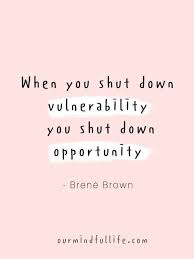
Vulnerability is a fine precision tool that drills small openings in our armor, our fears and our awareness. A series of tiny. little openings allowing light to fall into the “what matters most” center of our being. It is the continual “breaking open” process that nourishes our life.

The very word “vulnerability” conjures up images so far from the truth of its strength, courage and tenacity. Against all odds, it is our vulnerability that protects us most and often is the jettison force needed to take action. Vulnerability is a constant life companion.

Vulnerability whispers in your ear when you are crying, heartbroken and empty. Vulnerability whispers that you don’t need to stay any longer. Vulnerability says “I will help you pack.”

Vulnerability reaches into your heart and makes space for your newborn as you craddle him in your arms, so tiny and fragile. Vulnerability places gifts of patience, resilience and resourcefulness you’ve never known possible in that heart space. You will operate on too little sleep and a deep well of love for many years. Vulnerability is your constant companion and your reservoir as you parent for the rest of your life.

Vulnerability embraces you and holds space for you alone for days, as you absorb the diagnosis. Vulnerability sits patiently as you tumble through an emotional vortex without judgment. Vulnerability listens to unspoken words, watches in silence as you envision all possible and impossible scenarios. Vulnerability hugs you when you have made your decision days later. Vulnerability becomes your invisible strength partner on your journey no matter the outcome.

Vulnerability sits with you weighing the pros and cons of pursuing a bigger dream. Vulnerability views the sacrifices, the risks, the rewards, the long hours and renewed sense of purpose. Vulnerability rarely misses a detail in the complex decision making process and still offers a nudge to seize the moments. Vulnerability smiles with you as you take that first step forward into a long-time dream.

Vulnerability never leaves your side when you are fraught with worry over a loved one though you cannot change a thing. Vulnerability listens to your heart, your fears, your prayers. Vulnerability helps you discover new depths of your love and faith.

Vulnerability urges you to call a trusted friend when you are falling apart.

Vulnerability reminds you it is ok to ask for help or state a boundary. Vulnerability holds your hand while you hold your breath waiting for a response or a reaction.

Vulnerability will wash into every corner of your very being when you fall in love — with your partner, with your grandchild, or with a passion. You will learn more about yourself than you ever knew possible.

Vulnerability’s best friend is courage. Vulnerability drills those little openings to break free of what holds us back and courage pulls us into a different direction, or back into life, or launches us on a growth spurt.

People who live wholeheartedly lives have come to understand that vulnerability is a strength for it opens our hearts to ourselves and to each other. Vulnerability enables us to get in touch with our deeper human emotional connection. Vulnerability makes no promises about rosy outcomes or happy endings but it invites and encourages us to not let fear hold us back from love and belonging or from pursuing dreams and passions.

The most valuable lesson that vulnerability taught me was that my heart can be broken but not irreparably. My heart will expand in all the places that it was broken and my capacity to love and be loved will grow exponentially. Love is a renewable source of hope, inspiration, comfort, peace and joy. Vulnerability encourages me to go bravely forward for there remains much to be learned from all of life’s experiences.

Authors of our Own Stories

Did you know that each of us is an author, a storyteller? Brene Brown tells us that “the most powerful stories may be the ones we tell ourselves — but beware – they’re usually fiction”.

Do you know that we possess an imagination more creative than we believe possible? Best selling author, Caroline Myss is renowned for her work in the field of energy medicine. She offers very powerful examples of how we use our big wild imaginations to create the most anxiety-inducing worst case scenarios but fail to apply that same creativity to hope, best case scenarios and problem-solving.

The recent 21-day Chopra Meditation Program entitled “Getting Unstuck” echoed similar sentiments — that we are the author of every moment we live. What narratives do we tell ourselves about our life history and current experiences that prevent us from moving forward and expanding our perspectives? Are we stuck in the stories we repeatedly tell ourselves?

Here are some examples of places we can be stuck:

  • complaining about the same things day in and day out
  • self-defeating self talk
  • a wild imagination that only amplifies our anxieties
  • lost in thoughts about the past or the future
  • not accepting reality and relying on magical thinking

A few years ago I was trapped in some serious rumination. I was stuck reviewing a past that could never be changed no matter how much attention I devoted to it. The cycle often distracted me throughout the day and it definitely led to sleepless nights. So, yes I have firsthand experience with being “stuck” and with breaking free.

I credit the psychologist, Dr. Rick Hanson, for teaching me how the brain develops a “reward system” for these habitual but unhelpful mental loops. While we unconsciously retreat to these mental comfort zones, any peace we find there is short-lived. And then that cycle begins again. As he explains, neurons that fire together, wire together.

People can spend years trapped in those negative thought patterns, stuck not by choice, but by habit. Struggles with self-worth, abandonment issues, co-dependency and PTSD are all rooted in the stories we have written around our past and the natural tendency of the brain to spend an extraordinary amount of time and energy on negative thought patterns.

Being stuck, whether it is a small and short term matter, or an over-arching long term life pattern robs us of the present moment, of the love we desperately want but are unable to see or feel, of the connections to others that buoy us through all of life. Unknowingly, our stuck-ness also often creates collateral damage.

From personal experience and both sides of the fence, I can share that others get exhausted from offering support but seeing no real change or break-through from negative patterns. People get tired of hearing the same complaints. Eventually, they are worn down to the point of snapping when they don’t mean to, or growing resentful or even pulling away altogether. These collateral damage responses “feed” the self-fulfilling prophecies of the stories we tell ourselves. They confirm that we are unworthy, that we need to do more, or that we will be abandoned.

Another aspect of collateral damage is the highly contagious effect of negativity. We feed off of each other’s energy. Neurobiologically we are hardwired to find negative energy the stickiest of all. Have you ever noticed how someone’s bad mood can shift an entire family experience? Take a ride in the car with a family when just one member is throwing out some negative vibes and watch what happens. Best real life neuroscience experiment ever.

I recall telling a guy I cared about that I was not going to buy a ticket for the merry-go-round anymore when it was apparent that our relationship was stuck in a pattern of negativity. We just kept having the same conversation over and over. It was every bit as dizzying as an on-going merry go round ride to have the same issue crop up but never change how we handled it. Sometimes we just need to stop. Step back and fully take in the pattern. What is the story that we are telling ourselves and then ask “is it true?” (Thank you Brene for such a great tool.)

Elizabeth Lesser reminds us “tell me where you focus your attention and I will tell you who you are”. In the case of being stuck – either short-term or long term – consider this: “tell me where you focus your attention and let’s figure out where you are stuck.” Surprisingly, sometimes we honestly believe we are not getting what we want or need from others, but we actually are. It is our “stuck-ness” that is blinding us to seeing and receiving the gifts of love, time, attention, and encouragement. Re-writing our narratives can have a powerful transformational effect.

The day I realized that ruminating about the past was never going to produce a different ending to my story, I embraced the breakthrough and began to re-write my narrative. The shift in perspective was the equivalent of moving a giant boulder out of my path. I was free to move on, without dragging the past around. The circumstances could not be changed but my framing of it most certainly could. Yes, I was hurt and yes someone else’s actions caused a lot of pain and suffering. What did I learn from those experiences? Could I have made better choices? Could I have trusted my intuition? Could I have established boundaries? Was I still playing a role I had assumed in my childhood even though I was now decades older? Ah, yes — the answers I got to those questions set me free from rumination. I moved from feeling like a “victim of someone else’s unresolved pain” to a better informed “me”. I committed to regular meditation practice to re-wire my brain and break free from the strong urge to fall back into rumination. This was a gamechanger for me. I began to sleep soundly and I found that I broke the spell of being attached to a very sticky past.

My daughter and I were recently chatting about the day to day routine of life and how especially in the past year of Covid, it all gets so monotonous. The reality is that laundry needs to get done, bills need to get paid and meals need to be cooked and eaten. We can easily get stuck focused only on the boredom. A tool I learned from mindfulness was to “reframe a situation.”

An old memory came to mind and I shared this story with her: I was in my early 40’s and stuck in the hamster wheel of the daily life grind. One morning I realized that on my commute to work, at the very same intersection each and every day, I would rest my head on the steering wheel of my bright blue Achieva and lament “I am soooo tired.”

After several weeks of this, it suddenly dawned on me that I was stuck and I had this little chat with myself:

You have been saying this very same thing every day for weeks, at this very same place — and girl, it is getting you no where but even more tired. Something’s gotta change!”

The next morning, as I put my foot on the brake pedal of my blue Achieva at that very same intersection,I decided to change my self-messaging. I did not lay my weary head on the steering wheel. I looked out at the sunlight streaming through the canopy of trees. I proclaimed outloud “I love my life and my family.” I made a promise to myself that I would state that positive affirmation every day at that intersection.

Little did I know just how meaningful that shift in attitude and perspective would become. Those ongoing daily tasks were contributing in many positive ways to my family and were my expressions of love for them. My relationship to them changed from draining to rewarding — and my energy got in sync with that positive reframing.

As I shared with my daughter, another trick I would occasionally use back then was to imagine someone else having my life. Would they be grateful for the very things I was complaining about? Often giving myself that kind of perspective was all that I needed to put a little gratitude in my attitude.

What I love about these conversations with my daughter is that it reveals how from one generation to the next, little has essentially changed about building independent adult lives and raising children Babies grow through all their stages the same as they have since the beginning of time.

However, so many aspects of our contemporary daily life has dramatically changed. Technology alone has had a major impact, good and bad. My daughter and I both recognize that we can easily get “stuck” to our phones and get caught up in the drama, energy and emotions of news cycles or the latest post. We’ve had some very good conversations about how even the news cycle gets “stuck” and how we see others getting “stuck” based on their social media feeds. Once you become more enlightened about ways that we get “stuck” you start to see the patterns popping up everywhere.

After more than a year of quarantine, when I see people out for dinner, shopping or having coffee meetups, I’m so surprised to find most folks are staring at their phones — not the faces of their friends and family, not looking around and taking in the music, the conversations, the collective energy of others. They are stuck, held captive by a phone that they can stare at all by themselves at home alone. What do we miss when we are not paying attention to all that is around? What fun things could we be taking in if we turned our attention away from the phone. If you have ever drank your entire cup of coffee and then realized that it was empty but you weren’t even aware that you drank it, then you know just what I am talking about. Remember what you long for about the old “normal” and steep yourself in that when you are out and about.

Deepak Chopra shared another compelling example of where we can get stuck. He termed it a “second hand experience”. In other words, we acquiesce the essence of a present moment to someone else. We let another person become the author of our experience. He offers the ways in which this can happen:

  • when we do what someone else tells us to do
  • when we live up to someone else’s low expectations
  • when we do things that are not really true to who we are

Often in these situations, we will feel unsettled, frustrated and pressured. We feel a sense of relief when we can get out of that kind of influence and can just be ourselves. There have been numerous times in my life when I felt this way and now I am aware that the cause was my strong desire to be accepted, or to ensure someone else’s happiness at my own expense. Having boundaries prevents these experiences from recurring. Paying attention to our internal “warning signs of discomfort” helps us to get back on track and to enjoy life firsthand.

Deepak offered this awesome insight: “One reason people are thrilled to fall in love is it feels new, exciting and original. You should have some flavor of that in your everyday experiences too. If you can say, I love this moment even when nothing big is happening, you are enjoying first hand experience.”

There is no one better at first hand experiences than my brother. He is such a positive guy and extremely grateful for moments that many of us take for granted. Being around my brother is like having a magnifying glass to ensure that you don’t miss one drop of the good stuff that life is doling out. Whenever I need a reminder to change my perspective or reset my vision, I just think of him. I’ve come to realize that the reason he is so resilient to all that he has weathered in his life has come from his continual harvesting of gratitude. Dr. Rick Hanson tells us that if we can just hold onto those moments of joy for 30 seconds — in the moment they are happening, then we create a reservoir of resilience for the future.

So many people are feeling overwhelmed these days with the ongoing uncertainties that we are collectively experiencing with Covid, quarantine, working from home and more than a year of virtual school. We are all feeling the effects of the strain in one way or the other. It is easy to get “stuck” and it is easy to get writer’s block about our life experiences and the stories we tell ourselves. In a recent Dare to Lead podcast, Brene Brown and her guest, Dr. Angela Duckworth, confirmed that there has been a very sharp rise in mental health issues over this past year.

Take heart that we are not alone when we get stuck, struggle or just become listless. So much honest conversation about what we are collectively feeling is supporting our efforts to break free from old stories and mental loops. Take advantage of the many tools, therapy and friendships that support our efforts to reframe experiences and expand our perspectives.

There may never be a better time to revisit our old narratives and give them a “refresh”. We can use this time as a springboard to write a healthier, honest and evolving life story.

RECOMMENDED RESOURCES:
Places I find inspiring, encouraging and chock full of good ideas for perspective taking:

TYPOLOGY PODCAST with Ian Cron

Awesome episode with David Nurse, NBA Life & Optimization Coach and author of a new book entitled Pivot & Go. We can all draw from his coaching and learn to “pivot” when we need a new field of vision.

https://youtu.be/fgSewebQPyw

DARE TO LEAD and UNLOCKING US PODCASTS

–Both are hosted by the dynamic Brene Brown, free on Spotify

Check out the latest Dare to Lead Episode with Dr. Angela Duckworth for a relatable conversation about trying new things and perspective taking:

https://brenebrown.com/podcast/brene-with-dr-angela-duckworth-on-grit-and-the-importance-of-trying-new-things/

DR. RICK HANSON, Author of Neurodharma is my go-to resource for a rare combination of neuroscience and mindfulness. He’s relatable, informative and encouraging. Here’s an endorsement from Lori Gottlieb that captures the essence of his game-changing book:

LOS ANGELES TIMES BESTSELLER • “An easy-to-follow road map for creating day-to-day inner peace in today’s increasingly complex world.”—Lori Gottlieb, MFT, New York Times bestselling author of Maybe You Should Talk to Someone

In this Youtube video, Dr. Hanson offers the 7 practices that enhance higher levels of happiness in our lives.

https://www.youtube.com/watch?v=1aR4y_kX7xI

Oprah Magazine – Brene Brown, author of Rising Strong https://www.oprah.com/omagazine/brene-brown-rising-strong-excerpt

Greater Good Magazine – How Anxiety Hides in Your Habits https://greatergood.berkeley.edu/article/item/how_anxiety_hides_in_your_habits

Inner Child

I’m celebrating another milestone today — I have been blogging for 5 whole years! What initially was a rather daunting commitment to myself has become a source of great joy. I have reawakened my love of creative writing through a blog that I started as a means to hold myself accountable to personal growth.

I’ve written 81 posts over the course of the past five years and admittedly I am proud of that. I’d set myself a goal of one a month and I have met and slightly exceeded that. While I once was a determined over-achiever, the old me would probably have dutifully cranked them out driven solely by that initial goal.

The “evolving” me has come to appreciate that it is far better to be fully committed and stay the course using the goal as a guideline, but not letting it rob me of the joy of the creative process. My approach to writing each of my blog posts has shifted rather remarkably over the course of five years. What initially felt like work and a public confessional, has become a source of pure joy for me. I love writing and I forgot that. I became disconnected from my love of writing and my own creativity that I naturally possessed as a young child. Blogging about my personal growth journey has reconnected me to my “inner child” in ways that I never would have imagined. Trust me when I tell you that I possess a wild imagination….I’ve come to realize that I was not using that gift wisely.

Personal growth work requires a solo walk down memory lane, hand in hand with that very young child we once were, and being courageous enough to revisit the places and events that impacted us in ways we were far too young and too innocent to comprehend. If you are a fan of This is Us, you probably are beginning to see through this current season’s episodes how our childhood experiences and our young child’s perspectives can entangle us and our relationships all throughout our adult lives. It is the perfect real life example of why this personal growth work is so necessary. We carry all those childhood perspectives, immature coping mechanisms, and emotional roadblocks into our adult lives and wonder why we keep treading water as we try to build our own futures. We are bogged down by that baggage and it tethers us to the past. Personal growth work untangles us from that labyrinth and frees us up to embrace the flexibility of being our most authentic selves, making better choices and living with grace and compassion for ourselves and for others, in the present moment.

Over the past five years, one blog post and one emotional layer at a time, that is what I have come to see so clearly.

The reward for all that hard work is feeling at age 69 like the 5 year old I once was — back in touch with the wonderment of an innocent child who marveled at the intricacy of a delicate spiderweb in the morning dew and thought it was the fanciest doily she’d ever seen. I was too young to be afraid of spiders. I saw only the beauty. Today I embrace the paradox of life — and I can see both the beauty of the spider’s craft and his painful bite.

Father Richard Rohr writes about this transformation into maturity and the inherent gift of paradox that comes through learned wisdom in his book Falling Upward. When I first read it, I was intrigued and desired that kind of wisdom. I am now realizing that I am given those opportunities to grow into that maturity more naturally almost every day. The key is to be “aware” and then to be childlike in my “exploration and observation”. Honestly, I am delighting in this fresh approach to life and especially how I show up for others. A small child can touch our hearts in the most simple yet most profound ways. A small child lives in a healthy state of paradox.

Just the other day, my 4 year old grandson was watching his beloved mom struggle with a massive to do list and more than a few things going wrong. He looked at her so tenderly and said “Go ahead and cry mom. It’s okay.” My heart melted into a puddle. He was holding space for her, acknowledging that a good cry will release the tension, is often soothed with a hug, and will pass. This is the very gift she offers to him every day when he is overtired, frustrated, overwhelmed. He mirrored it back to her with a wisdom that comes from the heart. A heart that is not entangled with all the armor we adults accumulate.

If you want to examine this real life example from an unaware adult perspective, think about a spouse that is also juggling a similar overflowing plate and the natural response “We all have a lot to do, get it together.” Or the well intentioned grandmother who says “Oh honey, look at all the good things you have and the stuff that is going right”. Both responses seem benign on the surface. The wisest is the innocent four year old who sees the situation for what it is — the present moment with honest feelings. That’s love and understanding that comes from an open heart, not an armored heart. It also comes from truly living in the present moment and being aware of it. Do you know that my little grandson remained calm through it all. He’s only 4, yet he didn’t let his mom’s emotions override his own. He’s too young to realize what a superpower that is. He just operates that way naturally.

This is the inner child I am reconnecting with myself. I will be completely honest and tell you that it was incredibly hard work and very painful at times. Yet each time I took my younger self back to revisit the past, I accompanied that innocent version of me as a caring, supportive, trusting adult. The one that was missing in my young life experiences. At times I even discovered that there were rather remarkable adults who did show up in my earlier years and offered me guardrails, a beacon of hope and some cliff notes about life. My appreciation for what those guardian angels did for me has deepened exponentially.

These childhood revisits have illuminated the ways I began to sabotage myself with an armored heart and protective but ineffective coping skills as I moved through my adult life. Oddly enough that concept of paradox has proved to be the rarest of clear lenses to view the past. I can now see where my blind spots were and how I contributed to things not going as smoothly as I’d hoped. I can see where I got in my own way often and where I let others take advantage of me. And I learned (with more practice than you can imagine) to let it go. The more I shed the old layers of self-doubt, armor and triggers, the lighter I felt and the more in touch with my true nature.

I’ve often used the phrase “freeing up the real estate” to describe that internal space I’ve gained in my mind, my heart and energy, when I let go of the past, of how others operate and of hoping that reality could be different than it is. What I happily discovered was that when I freed up that real estate, better things began to move in. And that is where I re-discovered my own tap root of creativity.

As a young child, I was quite naturally creative. I made the most elaborate sand castles at the beach and my beloved aunt would marvel at them. They were complex in structure and decorated with the most unusual treasures I could salvage from my beach hunts. I learned to make forests by creating layered sand trees, letting sopping wet sand dribble from my loose palms into the landscape around my castles. Sand and water, shells, driftwood and a feather. Simple raw materials turned into magical kingdoms of castles, gardens, forests, tunnels, and moats. I’d forgotten just how much I thrill to create all kinds of mixed media art from things I find in nature. I’m playfully reconnecting with that now and sharing it with my grandchildren.

Just like my young grandchildren, I loved to sing and I often made up songs as I played. But I only recently remembered how much I did that as a child and I even recalled a song I wrote as a teenager. That song is lighthearted and playful, full of hope that love would always be exciting and fun. I still recall every word and the catchy melody. Today I am infusing my daily life with more music. I cherish the memories that are evoked from favorite songs and I relish in the discovery of new artists and songs. And rarely a day goes by that I am not making up some whimsical little song for my grandchildren as they tidy up a room or wash up for dinner.

All throughout elementary school, I sang in the choir at church and for a long while, I used to sing solos on Sunday mornings at various churches throughout Lancaster and Lebanon Counties in Pennsylvania. I recall the highlight of my singing career happening in middle school when I was named the lead mezzo soprano for the school choir. It was a short lived moment of joy and accomplishment since that was also the very day my mom left my dad and we moved. I stopped singing for quite a while after that. Today that memory serves as a reminder to pay close attention to when I stop doing something I love, when I feel my joy or creativity waning. While another’s actions or a life circumstance may be the intial cause, what can I do to return to those parts of me and my joys? That is where my agency lies. It is also an anchor to my true nature — if I give up the very things that fill my heart I won’t be living in the joyful, playful part of me. The reality is that I won’t be able to be my best self. I have doused my inner light when I stop being creative and appreciative of life’s little marvels.

I wrote poetry when I was in elementary school and my grandmother was my biggest fan. She’d read everything I wrote and then she would read it out loud to me. Hearing her voice place emphasis in different places than I did made me aware of how personal writing is to both the writer and the reader. Art in any form is a creative wonder for both the artist and those that are drawn to it — and often it speaks to us in the most profound ways. A painting, a book, a song or a play — all land in our individual hearts where we have space for them. Space to heal, space to feel. I recently decided that I would try my hand at poetry again. The inspiration for this came from a gauzy-feeling idea that came to me as I woke up one morning. I jotted it down in my bedside journal and found myself giggling. It felt amazing to be so aware of the joy coursing through me simply by writing an inspirational short poem. I now have a pretty pale blue notebook dedicated for my poems. As I have expanded my awareness of ideas coming to me, I jot down these fleeting moments as they happen if I can. Sometimes I will write a whole poem, and other times I will just have a framework for something that requires deeper reflection. I imagine that I am feeling the way an aspiring cook feels when she creates a new recipe and delights in savory tastes that linger in her mouth.

My teen years were really hard because of choices my mother made and responsibilities that I assumed. I wish I had journaled then or kept up with writing poetry. I think it would have been therapeutic for me. Looking back, I think I lost my creativity due to the multi-levels of darkness in my family. I turned my creativity toward resourcefulness and resiliency for the pragmatic things in life. So I read instead, escaping from my circumstances and living vicariously through empowering stories.

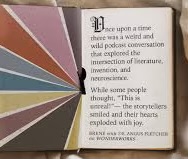
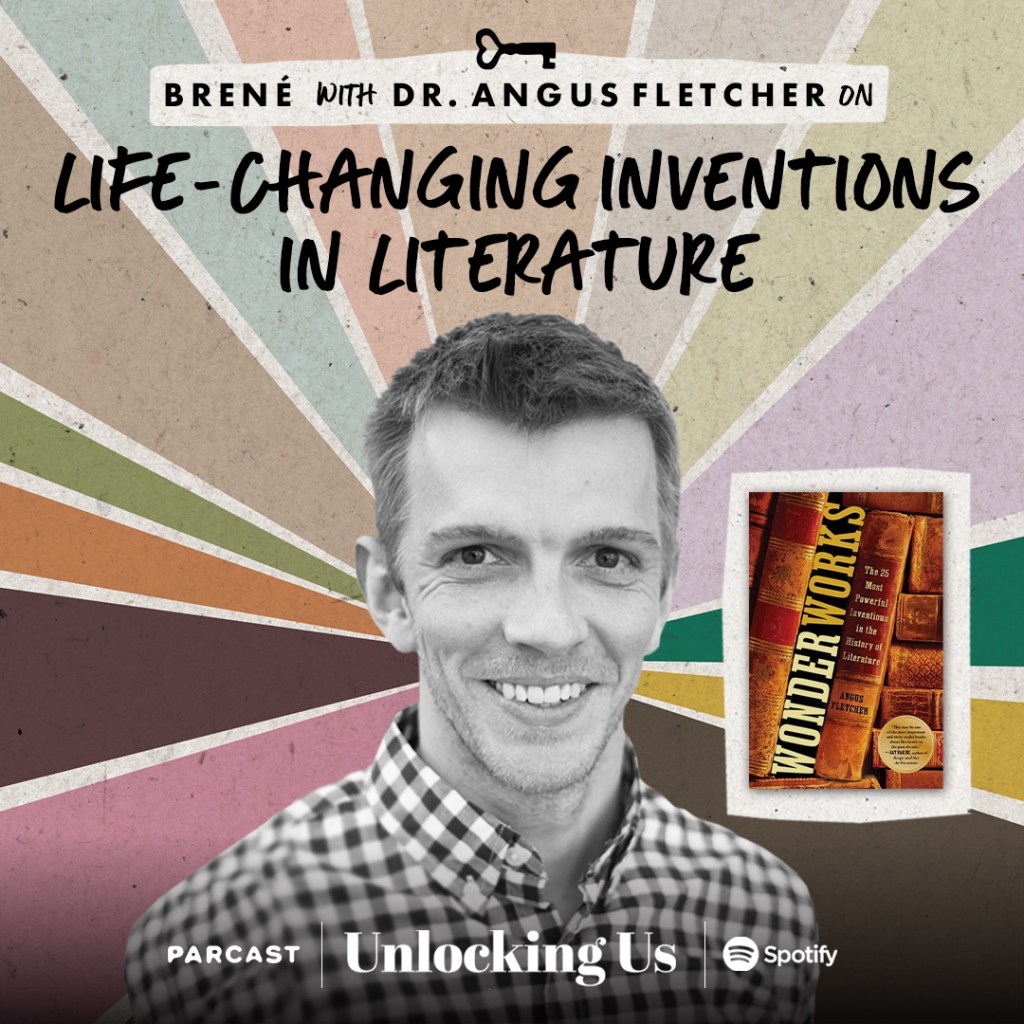
After hearing the podcast with Brene Brown and Dr. Angus Fletcher about the marvels of literature, I became very aware that the books I read filled the places in my life where I was not getting, but truly needed, some aspiration and a clear path for building a better life for myself. I also realize that my love of “self help” books probably originated from the realization that my family was a Petri dish for unhealthy issues. Even in my early 20’s that’s the section of the library or book store I was often drawn to visit first. That remains unchanged almost 50 years later — I am still a work in progress. What’s changed is my perspective about it. I am not trying to “fix” my imperfections anymore. I am embracing them and learning from them. I am excited that at this late stage in life, I still have room to grow.

To celebrate my 5 year blogging milestone, I decided to reflect on the places where my reconnection with my inner child’s creativity merge with that child-like sense of curiosity. On purpose, I work very hard to replace judgment with curiosity. We learn to be judgmental — of ourselves and others. We can unlearn it and replace it with curiosity. Picture an iceberg and realize that most of us go through life showing only what we want to project out into the world. It is the parts of us that are hidden under the surface that are often guiding our life trajectory and the birthplace of blind spots. Now that I have spent so much time getting to know myself, I have a much greater appreciation and awareness of what others may have under their own surface. There is no doubt that it has organically expanded my empathy and compassion for others.

I now have that beautiful example of my young grandson offering the gift of space, compassion and present moment awareness to use as a poignant reminder to stay in the present moment, to remain grounded and calm, to honor what others are truly feeling, and to hold space for others.

My childhood life experiences created a lot of layers of armor that I brought into my adult life. The armor tethered me to a past in ways that went unexamined for far too long. I somehow got the message that I was on this earth to fix things for others. I am not here to fix things for others. I needed some serious pruning shears to get all those brambles and entanglement cleared away to find that truth. Yet letting go of striving to fix and wanting to fix things for others allowed me to clearly see that the best gift I can give to others in their time of struggle is that of truly being seen, heard and valued. This I learned though over five years of hard personal growth work and over 80 blog posts I have shared with all of you. My 4 year old grandson reminded me that we are born with it. “Out of the mouth of babes,” comes the greatest wisdom — and they live in a constant state of present moments.

Today I am grateful to have rediscovered my inner child and to be delighting in exploring the many ways creativity is beginning to show up in the real estate I have cleared in my approach to life. Let’s just say that the new tenants are so much more fun, energetic and inspiring!

The Transformational Wonders of Story

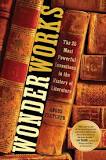
Imagine being able to find just what you need to build courage, heal from grief, or excite your curiosity from literature. What if the elements of story could unlock our imaginations, emotions and even our psyche to improve our quality of life and mental health? Dr. Angus Fletcher will rock your world with his research and insights on the power of story — steeped in both the mystery of human emotion and the logic of science. He was a recent guest on Brene Brown’s Unlocking Us podcast and his dynamic enthusiasm is contagious. He takes a deep dive into the inventions in literature, the technologies that were created to help us understand, unravel — and grow — from the human experience in his recently released book — Wonderworks: the 25 Most Powerful Inventions in the History of Literature:

A brilliant examination of literary inventions through the ages, from ancient Mesopotamia to Elena Ferrante, that shows how writers have created technical breakthroughs—rivaling any scientific inventions—and engineering enhancements to the human heart and mind. Literature is a technology like any other. –from Amazon.com

Dr, Angus Fletcher takes the blueprints for 25 literary inventions throughout history and explains how each can be viewed as both a narrative and scientific breakthrough. The result is a completely original deep dive through literary history—from Greek tragedy and Shakespeare to Virginia Woolf and Dr. Seuss—examining how each innovation provides us with distinct psychological benefits such as increasing creativity, alleviating trauma, boosting intelligence and elevating happiness. –– excerpted from the Show Notes, Brene Brown.com

As Dr. Fletcher so deftly explained to Brene, stories and especially memoirs, pull us into an intimate and safe space to explore our own complex emotions, perceptions and possibilities. He freely shared the books that had a meaningful impact in his own life and the transformational growth he tapped into as a result. Writers like Maya Angelou and Jane Austen offered insights and wisdoms that gave him agency to explore his own power to evolve in creative, engaging and entertaining ways.

Although I had never consciously thought about this, I found myself recalling the books, plays, movies and songs that made indelible impressions on me throughout my life. I can still vividly remember reading Shakespeare in my early teens, sitting cross-legged on my bed in a shabby second floor apartment we were living in temporarily. Sunlight was trying its best to peek through the dirty windows while downstairs neighbors were arguing. Yet I was oblivious to it all, having been transported far away to another space in time, captivated by the images those written words created in my mind and the characters who came to life page by page. Looking back, I can most definitely see how the books I read in my teen years informed me about life in ways that I otherwise would have never known. Without a healthy, solid family framework, books probably played a more meaningful role that I could have ever imagined.

As a young mother years later, another story touched me so profoundly that I named my middle son based on the main character of a heartwarming TV mini-series. I loved the core values and the affable, grounded demeanor of the lead male character who was always referred to by his last name, Damon. I could almost picture my infant son as a grown man possessing the same virtues. That is how my middle son got his first name, Damon.

There are countless other memories that I have been revisiting, looking for clues as to how stories told through music, plays, books, movies and TV shows contributed to my life now that Dr. Fletcher has illuminated these incredible transformational literary inventions.

Dr. Fletcher is a practitioner on story science with dual degrees in literature (PhD, Yale) and neuroscience (BS, University of Michigan). As you might imagine, my interest was really piqued when he and Brene discussed the neurobiological effects that literature can have on us because of my ongoing fascination with neuroscience. Dr. Fletcher’s research is devoted to exploring the psychological effects (cognitive, behavioral and therapeutic) of different narrative technologies.

The initial discovery of the psychological benefits of literature was made by the Greek philosopher, Aristotle, in 335 B.C The following excerpt from Smithsonian Magazine (March, 2021) succinctly captures Aristotle’s remarkable assessment:

Shortly after 335 B.C., within a newly built library tucked just east of Athens’ limestone city walls, a free-thinking Greek polymath by the name of Aristotle gathered up an armful of old theater scripts. As he pored over their delicate papyrus in the amber flicker of a sesame lamp, he was struck by a revolutionary idea: What if literature was an invention for making us happier and healthier? The idea made intuitive sense; when people felt bored, or unhappy, or at a loss for meaning, they frequently turned to plays or poetry. And afterwards, they often reported feeling better. But what could be the secret to literature’s feel-better power? What hidden nuts-and-bolts conveyed its psychological benefits?

After carefully investigating the matter, Aristotle inked a short treatise that became known as the Poetics. In it, he proposed that literature was more than a single invention; it was many inventions, each constructed from an innovative use of story. Story includes the countless varieties of plot and character—and it also includes the equally various narrators that give each literary work its distinct style or voice. Those story elements, Aristotle hypothesized, could plug into our imagination, our emotions, and other parts of our psyche, troubleshooting and even improving our mental function. https://www.smithsonianmag.com/innovation/eight-literatures-most-powerful-inventions-and-neuroscience-behind-how-they-work-180977168/

I have been so captivated by the revelations that Dr. Fletcher enthusiastically shared in the podcast with Brene, that I have listened to it three times. I also bought the book Wonderworks and am currently savoring every page, while simultaneously reading some really good fiction. Now I have a sort of three-D awareness of the connections I am making with the story and the characters. I’d describe it as an Imax theatre experience for books.

Each of the unique endorsements in Wonderworks will whet your appetite for the many intriguing aspects about to be revealed in this remarkable book. The one that really caught my attention was from Dr. Martin Seligman, the internationally esteemed psychologist. It was Dr. Seligman’s book, Flourish, that started me on my journey of mindfulness and self discovery in 2014. Dr. Seligman’s game changing work in positive psychology focused on raising the bar for the human condition through optimism, motivation and character. It was almost like reconnecting with an old trusted friend who was as excited as me about these new discoveries.

“Find one polymath. Take a profound knowledge of world literature. Add a deep knowledge of modern psychology and of neuroscience. Add a cupful of worldly wisdom. Stir in an enchanting prose style. Heat until bubbling. You have just baked unique, marvelous treat: Angus Fletcher’s Wonderworks.”Dr. Martin Seligman, Professor of Psychology and Director of the Positive Psychology Center, University of Delaware.

I will confess that the reason I just had to buy this book as soon as I heard this podcast was the fact that I was totally enchanted with the names that Dr. Fletcher had for these inventions. Here are just a few to tickle your imagination:

  • the invention of the sorrow resolver
  • the invention of the mind/eye opener
  • the invention of the butterfly immerser
  • the invention of the Valentine armor

Just to marinate your imagination in what each invention might offer, consider this. Dr. Fletcher shares that “valentine armor” was the technology invented by Jane Austen to help you bounce back from heartbreak and to also empower you to have friends that are different from yourself. If you find this tidbit fascinating, just wait til you listen to the podcast or dive into the book — or both! Prepare to be amazed. (If you just can’t wait, fast forward to about 48 minutes into the podcast and listen to Dr. Fletcher blow your mind with his fascinating learnings from Jane Austen.)

For all the modalities that are available to us for personal growth, how incredible to know that literature should most definitely be added to that list. Literature is such a unique teacher for both the experience and the emotion of it — a treasured opportunity to explore our own humanity in a rich and safe space. Dr. Fletcher uses Maya Angelou’s book, I Know Why the Caged Bird Sings as an extraordinary example of how it encourages us to align with our own core values, and find the agency to help ourselves do the work we need to grow, to give ourselves self-care. This makes us more flexible and resilient. By getting stronger in yourself, you unearth the gift that keeps on giving — because you in turn can offer meaningful, empathic help to others.

Dr. Fletcher offers this quote as the heart of his whole book: “For whatever the power of truth may be, literature’s own special power has always lain in fiction. That wonder we construct. It is the invention that unbreaks the heart and brings us into hope and peace and love.

I am thoroughly enjoying Wonderworks, reading it slowly and soaking in the history, the creativity and the sheer wonderment of all that can be learned, healed and transformed through literature, theatre, music. Brew some tea or pour some wine….treat yourself to some upbeat, uplifting inspiration from Dr. Angus Fletcher. Oh and by the way, if you aren’t already enamored with him, just know that his favorite TV show as a young man was Gilmore Girls and he is currently reading Nancy Drew to his daughter for bedtime stories.

RECOMMENDED RESOURCES:

When the Students Become Teachers

I’m pulling a thread from my last blog post about “evolving” and how I witness personal growth blossoming from one generation to the next. My inspiration comes from my daughter and the book she recently gave me entitled Inward by Yung Pueblo as well as the most endearing “present moment” comments from my 3 year old grandson.

My 3 year old grandson, Tank, was in his happy place — a dirt filled construction site with a small mountain of freshly turned soil, a Tonka dump truck and a bright yellow excavator assessing the big job. I overhead his conversation to himself. “You can do this Tank. You’ve got this.” I turned to my daughter who was nearby and said “wow, that is great self-talk.” At that point he looked at me and said — “I am just telling my brain, Gigi.” Out of the mouth of babes, right? It seems so natural and so easy — assess a challenge and feed your brain the positive messages to tackle it.

One day he was playing in the same construction sight, his little leg outstretched in the cool dirt. He was busy digging away, filling a truck with soil, when he looked at me and said “I love the warm sun on my skin, Gigi.” “You know, buddy, that is one of my favorite feelings too,” I replied. That moment really touched my heart since I often share my little present moment delights with him — the happy chatter of the birds, a welcome cool breeze on a hot afternoon, the rich colors of the sky at sunset. Perhaps I have nurtured his awareness of his own little present moment treats. I hope so, because it is the moments when we are not distracted but fully steeped in the experience that enrich our memories. Children seem to learn so much by osmosis — which is really just observing us and where we focus our attention.

My daughter discovered Yung Pueblo a few months ago and read his book Inward while she and her family were on the road for a few months. When we reunited recently, she handed me her copy of the book saying I think you might like this, mom. She was right — I loved it. Yung Pueblo offers wisdom that comes from his own personal growth journey, his activism and life experiences. You’d think he was my age but this remarkable inspirationalist is only 32 years old! For young people like my daughter, he is relatable — and he leads by example. I am so delighted that she has found her very own resource for inspiration and learning. Here are just a few of his insights shared on his Twitter account in recent weeks:

Maturity is realizing there is a big difference between what you think you want and what you actually want. Your cravings can twist your mind and make elaborate fantasies that seem good but in real life they aren’t worth all the trouble. Align with your goals, not your cravings. –Yung Pueblo

Are you being yourself or are you being your past? Immediate reactions are often old patterns. Real authenticity is removing the power away from the immediate reaction and giving it to the intentional behavior that aligns with how you actually want to show up in the world. — Yung Pueblo

Find a partner who realizes how their emotional history impacts the way they show up in your relationship. They don’t need to know themselves perfectly or be fully healed, they just need enough self-awareness to see when their past is getting in the way of loving you right. –Yung Pueblo

A few days ago, my daughter came home from running an errand, eager to tell me about a podcast she had just listened to with Yung Pueblo on “radical authenticity.” Just like the moment with my grandson and his awareness of the warm sun on his skin, I found myself soaking up this moment. I often listen to podcasts while running errands or out walking — and I am usually excited to share some nugget of incredible insight when I return. Now here I was — the benefactor of something remarkable my daughter was discovering through her own resources.

Little does she know, but that brief conversation we had about radical authenticity was such a gift to me. As a parent, I’ve strived to foster all the goodness and potential I see in my children even though they themselves may not fully see it. My 33 year old daughter is now both my child and a mother of her own children. Through her own parenting lens, she is exploring more fully all that she wants to instill in her own children.

Some of my greatest growth spurts happened during my 30’s and 40’s and they were borne of the desire to be at my best for my children. I wish that I had discovered a “Brene Brown” to help me back then. What I know for sure is that I often was not my “authentic self” as I navigated my marriage, parenthood and my career. It took me til my 60’s to realize that people pleasing, conflict avoidance and pushing myself to the point of exhaustion were some of the roadblocks to being my authentic self.

I am elated that my daughter is embracing radical authenticity and allowing that big-hearted personality of hers to shine. She strives to bring her best self to her children every day — the real and honest version of herself. The conversations that she has with her young children touch my heart in a very deep way. They do not shy away from hard conversations and the realities of life. (This past year of pandemic and quarantine made this a necessary part of life.). They honor feelings, no matter what they are. They explore these emotions and how best to respond to them in healthy ways. They work out problems together with respect and understanding. Often when the kids are playing alone, they naturally use these whole-hearted skills to solve an issue with a dispute over a toy. My daughter stays out of it and allows them the space to put into practice what they are all learning through their interactions with her.

I marvel at the self-awareness that my young grandchildren already possess at the tender ages of 3 and 5. They can describe very accurately their body’s responses to emotions and situations. They are being taught to trust their intuition and make choices that are best for them. They recognize their individual differences and are learning to just accept that what causes a strong emotional response in one simply doesn’t hit the radar screen in the other.

When they offer an apology, they also explain what they wanted and how they were feeling. Just this morning I heard my grandson tell his sister that he was sorry for pouring water on her. He explained he was upset because he was excluded from her tea party. She accepted his apology and said very plainly “There are better ways to get an invitation, Tank.” What I love about this interaction is the framework my daughter has given them for a sincere apology. They acknowledge their actions, explain their frustrations and respect how that affected their sibling. It’s often just a matter of minutes til they’ve resolved their issue and are enjoying each other’s company.

In my generation’s childhood, we were often dismissed or even punished for expressing our emotions. As a result, we developed coping mechanisms that were more problematic than helpful. Brene Brown has taught us that all this armor we use to protect ourselves just gets in the way of being our beautiful authentic selves. My generation’s parenting style evolved where we often tried to soothe hurts with ice cream, and rescue our children which often meant they didn’t get a chance to solve their own problems. I don’t think we fully understood that though our intentions were good, we were still impeding the process of living authentically.

My generation did not have the tremendous influence and social pressures of social media to contend with either. Constant comparisons and a high demand to portray a “perfect life” on Facebook and Instagram just create more pressure and roadblocks to being present in the moment and being your authentic self. Brene reminds us that living authentically means embracing all of life — the messy, complicated stuff as well as the happy, lighthearted share-worthy moments.

It is a source of great comfort and inspiration to me and my friends to watch our adult children evolving in their own lives and in their parenting skills. They are doing a better job than we did in many cases and it gives me great hope that future generations will not be bogged down with baggage, armor and ineffective coping skills. Imagine harnessing all their energy in creative, resourceful, compassionate and respectful ways. The future we all hope for begins in the home, with our family and what we teach each other.

Recommended Resources:

Let Your Inner Truth Shine: How the Children in our Lives are also our teachers: click the link below for this Mindful Magazine’s Weekly Wakeup:

https://mailchi.mp/bce14a1eee4d/fww9ui8d7t-169078?e=7cfa105635
Inward is a collection of poetry, quotes, and prose that explores the movement from self love to unconditional love, the power of letting go, and the wisdom that comes when we truly try to know ourselves. It serves as a reminder to the reader that healing, transformation, and freedom are possible.

Every parent knows the importance of equipping children with the intellectual skills they need to succeed in school and life. But children also need to master their emotions. Raising an Emotionally Intelligent Child is a guide to teaching children to understand and regulate their emotional world. And as acclaimed psychologist and researcher John Gottman shows, once they master this important life skill, emotionally intelligent children will enjoy increased self-confidence, greater physical health, better performance in school, and healthier social relationships. Yung

Evolving or Revolving?

There has been a golden thread running through my recent conversations with good friends that has really lifted my spirits in the most astounding way. What I am marveling at is this beautiful paradox of acceptance and awareness. As we reflect on our past, we recognize and accept that we were doing the best we could with what we had, or knew, in that moment in time. Now we possess better tools, wisdom borne from experience, and a reconnection with our most authentic selves.

The gift of old friendships is that we remind each other of the younger version of ourselves — and the magnetic attributes of our personality that became the bond of our lifelong friendship…..long before they got camoflaged or diluted by life. The treasure in new friendships is finding common ground through our life stories that help us see ourselves in others. In both cases, we can extend a helping hand and encouragement to help others evolve. As Maya Angelou so wisely expressed – “Forgive yourself for not knowing what you didn’t know before you learned it.”

I have long believed that those who have overcome adversities in life and became good role models for perseverance, resilience and positivity were such guiding lights to all of us. These beacons of hope are not just those who have attained celebrity status or reside in in our history books, they walk among us. They are our family and friends who are survivors and thrivers.

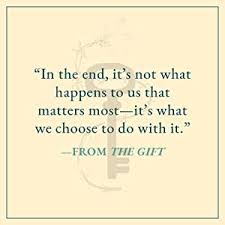
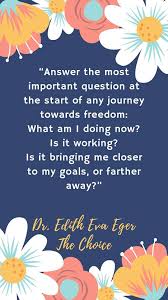
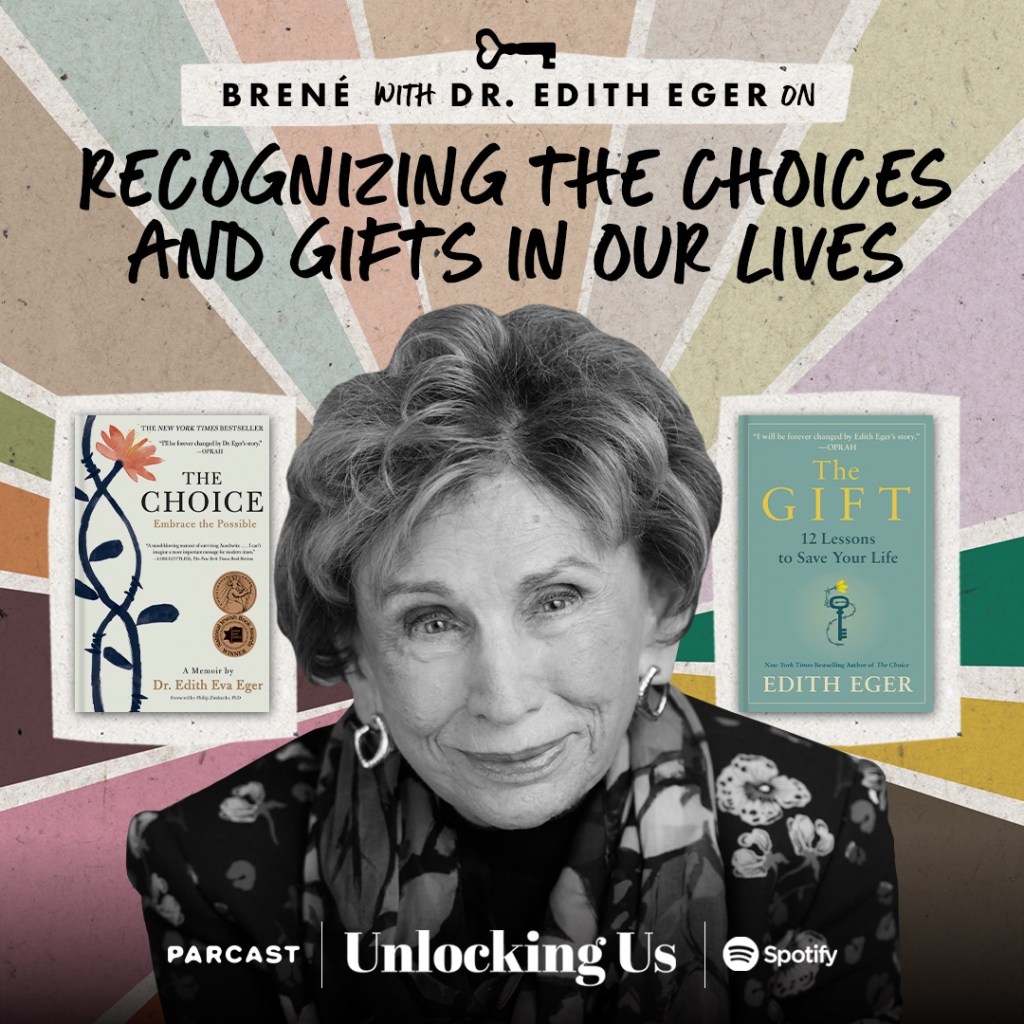
I recently listened to Brene Brown’s podcast with Dr. Edith Eger and found myself captivated by her observation that we are either “evolving” or “revolving”. Dr. Eger is a 93 year old inspirational dynamo, a Holocaust survivor, who drew on her personal life experiences in her career as a clinical psychologist to help others free themselves from the prison of their own minds. Just last fall, she published her latest book, The Gift: 12 Lessons to Save Your Life. What I love most about her short, yet oh so impactful book, are the questions she poses in each chapter that really stop you in your tracks and make you take a good hard look in the mirror. Questions like: “would you like to be married to you? You can’t heal what you can’t feel. Are you evolving or revolving?”

In her first book, The Choice, Dr. Eger wrote an inspirational book of overcoming the trauma of her Holocaust experience and healing the pain associated with it. She truly believes her purpose is to provide encouragement and support to help others overcome trauma and live a meaningful enriched life. In this second book, she expands on her message of healing and “provides a hands on guide that gently encourages us to change the thoughts and behaviors that keeps us imprisoned in the past.”

One silver lining that has arisen from the uncertainty and upheaval of 2020, is the deepening of friendships. My friends and I have leaned in, opened up and found so much help and hope amongst each other. Not surprisingly, it has unearthed a lot of the messaging we received from our past experiences that informs our decisions and lives as we go forward.

My friends and I are embracing an “evolving” mantra as we go forward in our lives. We take with us the hard-earned lessons that life has taught us and we are owning the blind spots and old reactive behavior patterns that no longer serve us well. We support each other in this evolution, because it does require a lot of hindsight, insight, hard work and new practices. Oddly enough, for many of my female friends it also requires getting very comfortable with setting boundaries. This is probably the one area where we offer to each other the greatest encouragement.

Dr. Edith Eger offers a touchstone for those of us who struggle with speaking our truth when someone crosses a boundary that is rooted in our core values. She teaches that freedom is having choices. We have the choice to say “no” and we have the choice to say “this response or behavior is not helpful to me”. We can free ourselves from the unconscious choice to ignore bad behavior or poor emotional regulation from others. Dr. Eger makes clear that we sacrifice and suffer when we accept the unacceptable. She encourages us to find our personal empowerment and break free. It is our choice. When she shared that fear and love cannot co-exist, it really resonated with me. We think of love as soft and mushy but it just the opposite– it is the super glue of life. Love is supported with accountability and trust. It forges a strong foundation for all our relationships. We shouldn’t be afraid to tell those who love us what we truly need to heal, to survive and to evolve.

Fear of repercussion kept me from holding boundaries many times in my life. But that fear also meant that I made a lot of sacrifices and suppressed my true self to either please others or avoid their disapproval. The path of least resistance was not the path to happiness or wholehearted, authentic living. How can we possibly be the best version of our true selves if we are operating from fear?

My friends and I have been having some really good discussions about fear and about the power of perspective and reframing things. As we hold ourselves in both awareness of our own behavioral patterns and a renewed accountability to change our responses, we realize that we have more empathy and clarity for others. I do believe that this is one of the greatest insights we gain from our own personal growth work. It truly enables us to “walk in another’s shoes”. We gain a better understanding of other’s “soft spots” and “trigger points”. We can respect that their history has created these bruises, not us. We can then choose to find a more caring approach for challenging discussions. Imagine how it would feel if someone took great care to understand the root cause of your deepest emotional wounds.

In her book, Dr. Eger offers some incredible real-life examples of people who have endured major adversities and chose to shift their perspective to see the silver linings and the gifts that can be found even in our darkest moments.

Here is Dr. Eger’s inspiration for shifting our perspectives:

What a beautiful reminder that the things that interrupt our lives, that stop us in our tracks, can also be catalysts for the emerging self, tools that show us a new way to be, that endow us with new vision. That is why I say that in every crisis, there is a transition. Awful things happen, and they hurt like hell. And these devastating experiences are also opportunities to regroup and decide what we want for our lives. When we choose to respond to what’s happened by moving forward and discovering our freedom to, we release ourselves from the prison of victimhood.” —From the Gift: 12 Lessons to Save Your Life

It’s been cathartic for my friends and I to share our personal stories and hard life experiences that helped us evolve and discover something new about ourselves. Many of us have had similar experiences such as the death of a beloved spouse, a divorce, a job loss, being single moms, and cancer.

It is in the shared stories of our grief and recovery that we find footholds for our own journeys in life. Over this past week, I have heard so many touching stories from friends about the words of encouragement that they have given to others, or the space that they held sacred for others in the deepest grief. They are offering to others what they themselves would have most appreciated in their dark moments. And they are doing it better than ever because of their conscious personal growth work.

A meaningful benefit of doing any self-discovery and personal growth work is that you will be a source of encouragement and hope for others who are also seeking to “evolve” through their all their life experiences. Life happens….how we respond is our choice and our strength.

Recommended Resources:

A special credit goes to my son in law, Ted Larsen, for the t-shirt image I used in this blog post today — when I saw him wearing this shirt recently, it brought a huge smile to my face.

Filled with empathy, insight, and humor, The Gift captures the vulnerability and common challenges we all face and provides encouragement and advice for breaking out of our personal prisons to find healing and enjoy life. (excerpted from Amazon.com)

https://brenebrown.com/podcast/brene-with-dr-edith-eger-on-recognizing-the-choices-and-gifts-in-our-lives/

Being Well Podcast with Dr. Rick Hanson and Forrest Hanson How To Change for Good https://www.facebook.com/rickhansonphd/posts/1869119006584107