
Imagine my surprise to hear a male guest on a podcast sharing that he and his wife are now using more “sophisticated” tools to navigate life. Wow — I love that impactful word and could even feel myself leaning into it and embracing the full scope of what it feels like.
It is remarkable how one word can shift us quickly into the next level of our personal growth — and do so in a way that feels amazing.
I could see it in the body language of this middle-aged man – he was owning how empowered he felt by proactively choosing a “sophisticated” way to support his wife deal with an emotional situation. There was a sense of pride and accomplishment.
His personal story was a sliding door experience for him — one where he could see how he used to handle situations like this that usually only made things worse; and how he attended to his wife’s needs now in a more mature and skillful way. Not only did his wife get what she needed most, their personal connection deepened.
The stark contrast of how his old ways of dealing with relationship struggles pulled them further apart – and how his new and improved ways, strengthened their relationship was undeniably magical. The “before” and “after” results of using “sophisticated” tools was proof positive that he was growing in the right direction.
He had handled a common relationship issue with aplomb.
Admittedly, he shared that he used to match her emotions and they’d get in an emotional tug of war. This could lead to a stand off and for the next few hours, they’d avoid each other or poke at each other’s shortcomings. Not fun.
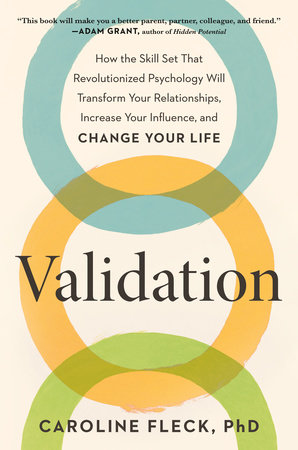
His new and improved approach of validating her feelings and her experience, of listening to understand and co-regulating her by remaining calm, felt surprisingly good to him too. A simple shift in his approach was the fast-acting remedy that produced incredible results. They were hugging and smiling in just a few minutes. For hours afterwards, they could still feel the strong intimate connection they’d made.
Build a Sophisticated Toolshed:
That young man inspired me to see what is possible as we reframe personal growth and self discovery. Yes, of course — we want to be using sophisticated tools in skillful ways to build the life we want. To become better versions of ourselves over time and to support those we love in ways that build trust, resilience and self-confidence.

We can become master craftsmen and craftswomen with some simple, impactful shifts in our language and our awareness. Who wouldn’t want to become confident enough to use “power tools” in our most treasured relationships?
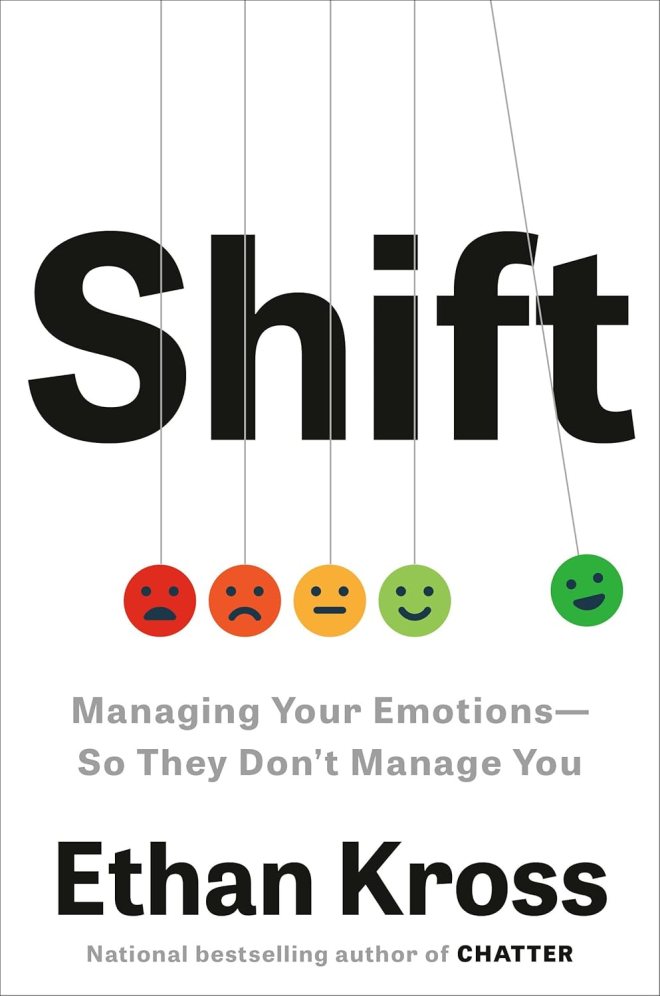
In his book, Shift, author and psychologist, Ethan Kross, reveals just how easy it is to step into using the “power tools” that proactively shift our mindsets, perspectives, emotions and perceived limitations. In fact, the concepts he details in his book could be the Starter Kit for building your own sophisticated toolshed.
These power tools are really pretty straightforward but we frequently get hijacked by the stimulus of a situation and just reach for a hammer.
It’s our natural human tendency to rely on familiar methods or tools, even when they are not the most appropriate for a situation.
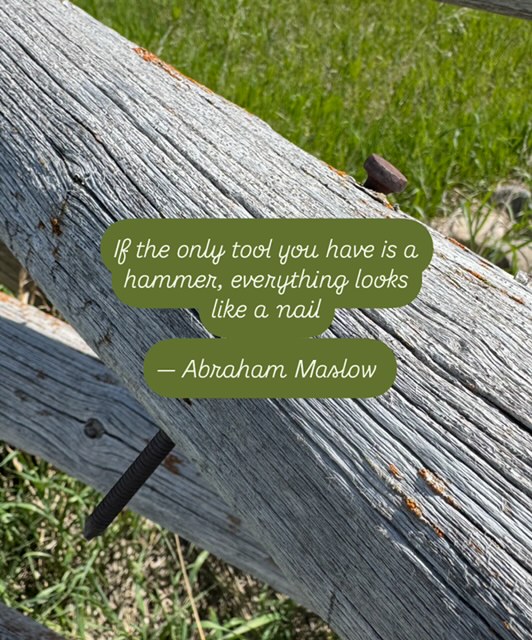
As Abraham Maslow reminded us: “If the only tool you have is a hammer, everything looks like a nail.”
It is precisely why Victor Frankl urges us to use the pause between stimulus and response to think about what is the best course of action in the long run.
Reminding ourselves that we want to be reaching for “sophisticated” power tools while we are taking that pivotal pause might be all that is needed to remind us to be more mature and intentional about our reactions. Drop the hammer and reach for the more contemporary, state of the art, power tools.
Instead of over-reacting, consider reframing a situation.
Rather than be singularly focused, take a broader perspective and consider how others are feeling or could be impacted.
Validate what you are experiencing instead of projecting your pain onto others.
Lower the temperature on your heated emotions and let them cool down before boiling over.
Ask for help rather than complaining or blaming.
Validate other’s experiences and emotions with respect and empathy rather than dismissing them.
Zoom out and ask yourself if what’s happening now will matter as much in a few hours, a few days or next week.
A Method and a Motto:
There is a method to stop the madness of using a hammer for everything that pops off in our lives and crops up in our relationships. It is recognizing that we human beings have a lot of variation in the way we show up day in and day out.
Some days we are far better resourced to handle blunders, mistakes and miscommunications. We can let things roll with grace and generosity.
Other days, not so much. We are irritable, easily distracted, have limited bandwidth and are running on fumes.
Even when we want to do our best, it may feel nearly impossible to pull that rabbit out of a hat.
Enter a colleague of Ethan Kross – author and neuroscientist Emily Falk to help us when we are feeling out of sorts and prone to knee jerk reactions, swinging a hammer with wild abandon.
In her book, What We Value, Dr. Falk shares how we rely too much on yet another human default system that is our biggest obstacle to changing how we show up under pressure.
Turns out, we unconsciously overweight and overrate what we can get in the short term. We make snap decisions and have knee jerk reactions to get satisfaction right away. We don’t like feeling uncomfortable, we want relief immediately. Winning a shouting match feels good.
But winning that shouting match only feels good for a hot minute.
That’s the unfortunate reality of overweighting what feels good in the heat of the moment. We unconsciously give too much weight to winning a fight or avoiding a conflict. We make a value calculation that is fleeting.
Dr. Falk reminds us that where we “place our attention” is the lever we can pull to override our tendency to overweight the value of a short term outcome. Play the long game. Turn attention to what matters most. Are you the kind of person who saves the day?
We aren’t little kids in a sandbox anymore. We are grown ups who calmly come in and help each other get along. We can clearly assess the situation and get back to having fun together.
In her book, What We Value, Dr. Emily Falk urges us to get intentional (especially in the heat of the moment) about shifting our attention to the long game. We will find it much easier to reach for our sophisticated relationship power tools when we focus on what we value most in the long term.
It may seem small and highly unlikely to be effective to “shift” to the long game – but it is an elevated form of delayed gratification. Do you want one marshmallow now or would you be willing to wait so that you get two marshmallows later?
Play the long game.
Turning our attention to think about what we are working towards in becoming a better person, in how we show up for others especially when it is challenging — that shifts our focus and puts more weight in the ‘value calculation” that drives our choices, behaviors and actions.
When we play the long game, we make the most of that pause between stimulus and response, by asking ourselves – “Wait a minute – let’s think about what I value most and make the better decision that aligns with my values.”
The method we can use to help us reach for power tools instead of a hammer is to shift our focus to playing the long game and matching our responses to our long term goals and core values.
The motto we create for ourselves becomes the lever we pull that opens our sophisticated tool shed. Something as simple as the golden rule can be a magical shifter in how we meet life’s moments.
Sophisticated Power Tools and Lots of Practice:
When our kids are little, we give them those brightly colored plastic replicas of lawn mowers, weed whackers and leaf blowers. Many times our kids love to store their pint-sized imitation power tools right next to the real thing in the backyard toolshed.
We would never give our kids the real deal power tools until they are old enough and mature enough to use them with great care and skill. But we do plant the seeds that they will be quite capable to use the real tools in the future.
What we know now that is backed by advances in science and psychology is that for far too long is that most of us were only taught to use a hammer to fix just about everything. But a hammer and duct tape do not build strong relationship foundations and deep connections.
As we begin to incorporate more advanced relationship tools into our daily lives, we reinforce the positive benefits we reap – and we also teach by osmosis how effective sophisticated power tools truly are – in the long run.
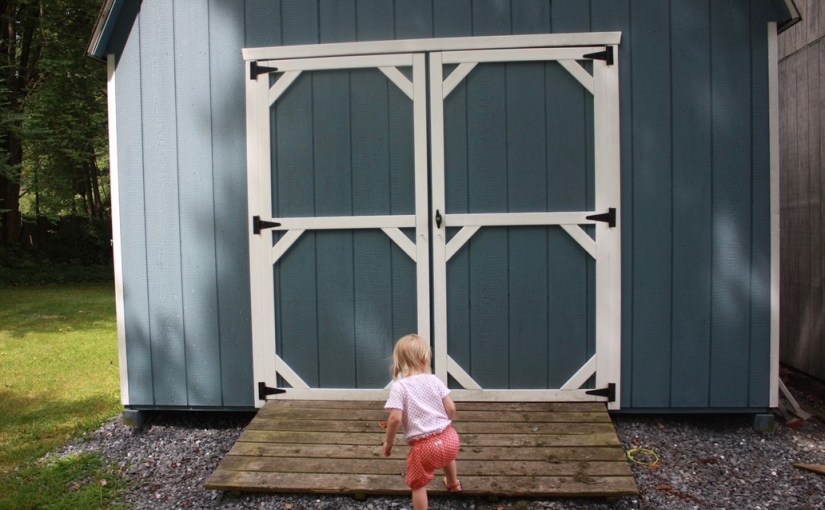
Think about using the mental image of a magical toolshed full of dynamic power tools that are fun to use and get the job done right the first time. We can all build that kind of toolshed, well equipped with sophisticated tools and skills easily accessed each and every day.
What motto would you put on the sign that hangs over the door of your sophisticated toolshed?
RECOMMENDED RESOURCES:




 Inspired New Horizons