Spring Cleaning

Spring is my favorite of the four seasons because it is so rich with fresh starts, new beginnings, awakenings and growth. As a young girl, I loved the fact that my birthday (April Fool’s) coincided with spring. Bluebells and lilies of the valley bursting through the ground felt magical to me, like anything was possible. Being able to open the windows and let fresh air fill the nooks and crannies into each stuffy room felt so revitalizing. Warm sunshine and cool, crisp air became a “hot fudge sundae” moment to be savored.

Back in the day, April signified a time for a major refresh indoors — the annual spring cleaning tradition. It meant some serious deep cleaning and purging of toys and clothes we’d outgrown. The house was infused with sunlight, more space, a lighter energy and a clean, appealing scent. A soft spring breeze would make gauzy window curtains dance. A vase of pale purple lilacs was the finishing touch. I can still smell their delicate fragrance and be transported back to the “fresh start” feeling associated with spring cleaning.

Recently I listened to Michael Singer’s podcast “Taking Care of Your Inner Environment”. His message was chock full of relatable metaphors including one that reminded me of spring cleaning.
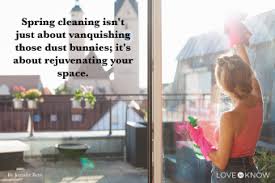
We tidy up our homes, declutter and deep clean them. When we step back and admire our work, we find a deep sense of satisfaction and a pride in our abode. It’s like we have waved a magic wand and transformed our home into a blissful place to entertain, recharge, unwind.

Michael Singer invites us to do the same with our internal self. Why not declutter inside and create an inner self that can move with greater ease through the realities of life?

“Very few people work with themselves on the inside. If we don’t do that inside work, then what is going on inside can be a real mess. People don’t even understand what a mess it is, because they aren’t aware that it doesn’t have to be that way. They are moody, sensitive, they don’t get what they want, they are afraid. It’s an uncomfortable commotion inside. Just as it is our responsibility to keep our house clean and make our bed it, it is also our responsibility to take care of our inner environment. It’s the exact same thing.” — Michael Singer, from his podcast

We live from the inside out. Whatever is going on inside of us, consciously or unconsciously, is going to be impacted by something that happens outside of us.

“Because people are not straightening up inside, they accumulate an entire collection of stored things from the past that bothered them. This is unfinished business. As a result, events that unfold outside come in and stir up discomfort, disturbances and fears. Anything that is stuck inside of you is going to drive you crazy.” — Michael Singer, from his podcast

Picture this – we might be hoarders! We just might be hoarding old memories, past experiences, unresolved conflicts and that beat up cardboard box of insecurities our inner critic likes to rummage through. This is the unfinished business Michael is talking about — the multitude of things we’ve stuffed in the basement and attics of our inner self.

The ironic thing is that many people spend a lot of time and effort trying to keep the outside world from getting any glimpses of all that accumulated junk. As Michael points out, this strategy is not the least bit effective.

We simply cannot control outside events. The reality of life is that things will change — and some of those changes will be uncomfortable, even painful. We cannot build a life that has only good things and none of the discomforting things.

Maybe this is why I find Spring to be so meaningful. After all, Spring is fearless when it comes to pushing through once frozen ground, stretching both fragile roots down and pushing delicate leaves and buds up. Spring does the hard work. She knows it is worth it. Spring welcomes paradox — the hot fudge sundae moments of warmth and cold. Spring can hold two opposing moments and value them both. Spring rushes head first into the fullness of her season, bursting with color, textures, scents. She goes softly when it is time to hand the baton to Summer with a wink and a promise. It is this ebb and flow of nature that Spring reminds us of…take the good and the bad together — it is life. We can do hard things and we can grow.

If we had our way, we would never grow. We would build a little life that is in a box filled with all the things we are comfortable with, hop in and lock it up! Growth comes from things that are not comfortable.” — Michael Singer, from his podcast

Michael compares this inner housekeeping to physical training we might undertake. The motto at the gym is “no pain, no gain.” Yet we shy away from adopting that same motto for our emotional and mental well being. Brene Brown reminds us that people will do anything not to feel emotional pain — even causing pain to others. Offloading our pain onto others is a horrible strategy. Hoarding it is an equally bad option.

We can’t let our fear of feeling some emotional pain prevent us from doing the inner work. Taking care of our inner environment is doing the heavy lifting of accepting reality, fully experiencing what is happening and honoring the right to learn from it. No pain, no gain.

What we have been learning in recent years from Brene Brown’s research, neuroscience and psychology is that powering through big hard emotional experiences is NOT strength and it surely is not in our best interests long term. It is exactly why we end up with a basement and attic full of accumulated discomfort.

We need to fully experience and process the hardships and losses in our lives as they unfold. When we learn to do this, we grow. We only bring into our inner world the invaluable residue of what we have learned from the experience. That’s the rich compost for a grounded, meaningful, more peaceful life.

“Working on yourself means learning from the realities of life, learning from our discomfort. Honor what has happened, accept it, experience it and become a greater person because of what you learn and how you grow from the experience.” — Michael Singer, from his podcast

Michael Singer offers a powerful reframing that helps us approach emotional processing in a whole new light. Rather than thinking of how painful it is, think of it as a challenge — like training for a marathon or mountain climbing experience. Or you might approach it like a game of chess — what strategies can you employ to win?

People go out of their way to challenge themselves in other areas of their life. That’s why we love a good competition. What if we changed our mindset about life’s difficulties?

Right now I am feeling a bit like the mom that sneaks veggies into the Mac and Cheese. Is anyone shying away from a good old fashioned challenge? A chance to win? To move from victim to victor?

Michael’s reframing changes not only our mindset; it also changes our energy from resistance to receptivity. We get excited about a challenge, we get motivated. We get it and we own it. We say to ourselves, “I’ve made a mess inside and I am going to clean it up!”

Here’s another refreshing insight. Michael says we can ease into this new paradigm by dealing with the realities of life that are unfolding in the present moment. Set yourself up for success by working on the things that are causing you discomfort right now. In other words, don’t be putting more “stuff” in the basement. Step one is stop adding more clutter.

Lead with this new mantra when you are practicing genuine emotional processing as it is unfolding: “I want to be open and receptive, to be able to handle the reality that is in front of me — and finish it off.” (credit to Michael Singer)

Once you are more nimble with processing current experiences, you may want to get into that attic or basement and pull out the dusty older stuff. Learn what you can and then toss it. I have found Brene Brown’s Atlas of the Heart to be invaluable for this deep clean. With an expanded emotional vocabulary and a better viewing lens, I can go back and revisit old experiences in a healthier way. I keep the treasures and discard the cobwebs.

Imagine how much lighter you will feel emotionally, how much more expansive your inner world will be and how much more discerning you will be about what you keep inside.

Now…get to it! It’s time for some major spring cleaning!
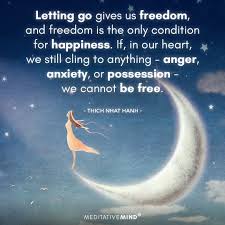
RECOMMENDED RESOURCES:

Michael Singer (author, journalist and motivational speaker) will motivate you to grab some tools and begin your inner Spring cleaning. I’m recommending this podcast episode for his wise, grandfatherly pep talk. You can skip the intro and fast forward to 2.45 minutes in to get your juices flowing https://podcasts.apple.com/us/podcast/michael-singer-podcast/id1573483082?i=1000557932460

Under the Surface..

For quite some time, I have been thinking about all the stratifications that we each have under the surface — the ones that are hidden not only from others, but even from ourselves. These stratifications are biology, biography, behavior and backstory — and they can snag us, keep us stuck or sometimes even pull us under when the seas of life get tumultuous. If you’re curious about how to move through life more fluidly, with less drag, read on.

This image of an iceberg seems fitting for what I’ll be unpacking. The surface is where we believe we are operating each day. The reality is that the stuff below the surface is always present, either consciously or unconsciously. The more self-aware we are, the lighter the undertow of what’s below the surface.

In Atlas of the Heart, Brene Brown defines these stratifications as the layers of our biology, biography, behavior and backstory. We are continually adding to these layers as we go through life. Brene implores us to to examine them so that we can become more self-aware.

If we pull back the layers and tease apart the entanglement that occurs as we drag these layers unchecked and unconsciously through life, we begin to more clearly understand the weight and the complexity of all that lies under the surface of each of us. Why wait for a mid-life unraveling as Brene calls it?

I marvel sometimes that we human beings can have a meaningful, interactive conversation with each other, let alone be in relationships, be parents, friends, co-workers and leaders. A peek under the surface at another’s stratifications would be revelational — and even daunting. The buried treasures are the very things we need to make deeper connections, build resilience and move through our lives with greater ease.

In my most recent post, I shared some of the game-changing insights about our superpower, ATTENTION. The entire time I was reading Peak Mind and writing that post, I was thinking about something very profound: If we are already losing 50% of our lives because we aren’t really “paying attention”, what happens when we numb our pain, hide our true feelings and needs, walk on eggshells, and react to false narratives and beliefs? How much of the remaining 50% do we lose with armor, addiction, baggage and unconscious patterns of behavior?

Is it any wonder that there is an urgent call to “find your authentic self?”

Picture Jacob Marley, dragging around that long and heavy chain for most of his life.

The chains are intended to represent his sins in life, accompanied by his guilt for failing to help his fellow man. His lack of compassion.

He forged the chain himself.

This image seems an appropriate metaphor for the stratifications we have under the surface. Quite honestly, some were not of our own doing, but just ways in which we learned to make sense of our world.

Other parts of our stratifications can be attributed to baggage we’ve collected over our lifetime, unprocessed emotions, insecurities and triggers. Hidden underneath all that heavy stuff are the very things we want to be more aligned with — our innate gifts, our strengths, resilience and joy.

Let’s take a deep dive under the surface and explore how biology, biography, behaviors and backstory impact us today. We operate unconsciously because we simply aren’t fully aware of how we are showing up and why. Armed with self-awareness and introspection, we can make informed choices about personal development.

BEHAVIORS:

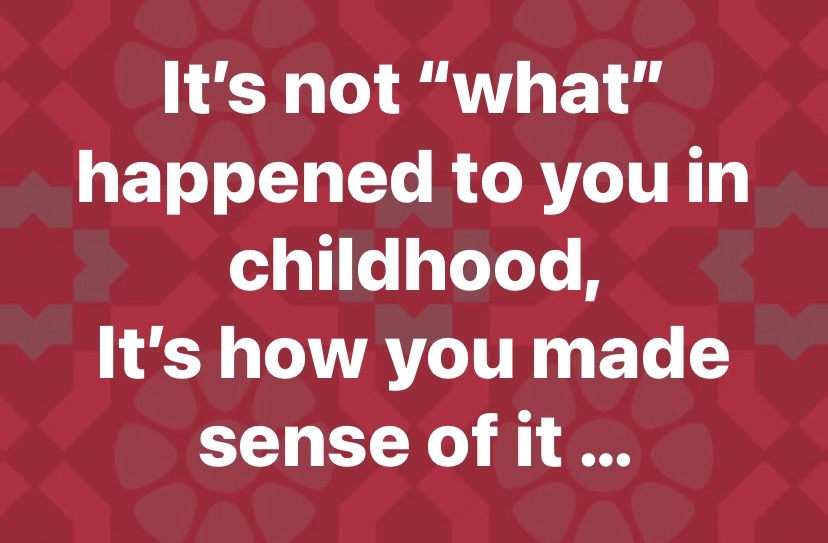
Outgrown behavioral patterns originated in childhood when our brain development did not yet able us to operate in a “top-down” fashion. We were using immature brains to make sense of our lives. Not only that, we had limited language which hampered our ability to articulate complex emotions. All too often, as children we were told to suppress emotions or get over it. Bottled up emotions are bound to explode at some point. So, we developed both behavioral patterns and reactive responses. This hampered developing emotional agility and good coping skills.

Here’s a sampling of typical behavioral patterns: Conflict avoider, people pleaser, shape shifter and perfectionist. We may go through life withdrawn, hyper vigilant, overly anxious or temperamental. We may have a fear of abandonment or of not being worthy; or we may be confrontational or overly complacent.

The coping strategies we relied on to navigate our childhoods rarely serve us well in adulthood. In fact, these “go-to” behaviors hold us back from growing emotionally and psychologically. Very often, these behavioral patterns are some form of armor that we use to protect us from feeling vulnerable. We were most vulnerable as children, especially if the very people we relied upon to keep us safe, did not do that. So, we armored up. We found creative ways to navigate and mitigate.

While they may have worked in childhood, they do not help us function in a healthy, proactive way in adulthood. They become the “drag” that shows up as resistance, a lack of confidence or not even knowing what we really want from life.

BIOGRAPHY:

Our behavioral patterns are interconnected to our “attachment style”. Simply put, attachments styles are expectations we develop about relationships with others based on the relationship we had with our primary caregiver.

Our attachment style is a great place to start when pulling back the layers of our biography. It offers insight into how we are showing up in our most important relationships.

This chart highlights the attributes of the primary caregiver for each of the 4 attachment styles and the corresponding ways a person will respond in their adult relationships.

The huge benefit of coming to terms with both our behavioral patterns and our attachment style is that we free ourselves from things that no longer serve us. We often go into adulthood with concrete ideas about the things our parents did that we will NOT be doing. But we are unaware that unconsciously we are bringing along the patterns — both our own and those of our family. We lived in a Petri dish of family dynamics for nearly two decades. We won’t shake off old habits overnight — especially if we aren’t paying attention to them.

We can take affirmative steps to untether ourselves and find a better way to go through adulthood. This work starts with self-awareness. It is also how we break unhealthy generational cycles. Dr. Dan Siegel is a great resource for parents who want to understand their own attachment style and develop healthy, secure attachments with their children.

There’s a little more to biography than attachment styles however. Our feelings arise from an emotional experience — and we surely accumulated many emotional experiences during childhood and adolescence (and all with a brain not yet fully developed).

The study of moods and emotions helps reveal the porous boundaries between conscious and unconscious mental processes.

What gets stored consciously in our memory banks are the tangible details of our experience – the one we can articulate with clarity years later. What gets unconsciously stored is the nuanced physiological and emotional responses associated with that story. This is where we find ourselves “triggered” by a present day experience that is quite different from a past event yet feels familiar.

Did you know that our brain might not distinguish between an imagined stressful situation and one that is actually happening? Our brain will produce stress hormones — adrenalin and cortisol — in both situations unless we help it to make the distinction. As Dr. Amishi Jha explains in Peak Mind, our brains are trainable.

New brain imaging research shows that “imagining” a threat lights up similar regions as “experiencing” it does. This research confirms that imagination is a neurological reality that can impact our brains and bodies in ways that matter for our well-being.” Tor Wager, Director of the Cognitive and Affective at CU Boulder, senior co-author of Your Brain on Imagination, White Paper published December 10, 2018.

If we could take a cross-section of our accumulated emotions and experiences, we would see clearly how the layers formed – from our childhood environment, to how we made sense of it; to the behavioral patterns we adopted and the armor we used for an added safety measure; to our brain and body’s responses, and the memory banks we filled. This is also a heavy “drag” on us as we go through life. These stratifications are our own Jacob Marley chains.

BACKSTORY:

All of this brings us to backstory. Biography, Behaviors and Biology are all intertwined in the narratives we created as children to help us make sense of things; they are equally intertwined in the stories we tell ourselves today when we are feeling insecure, shamed, triggered, uncertain or vulnerable. Our inner critic often engages as a co-author in our stories, much to our detriment.

There is a shadow being cast from our backstory onto the experience we are having today. Most of the time, we are completely unaware of it.

Imbedded in the layers of our biography, behaviors and biology is our history. Brene invites us to get inquisitive, to ask “what brought this on? Because the clues we need to unravel the present moment from our entangled past, lie in this deeper exploration of our layers – the stratifications of emotions and experiences we have accumulated over our lifetime.

For decades, I have combed the shelves of the “self-help” section of libraries and bookstores. I even stumbled across Jon Kabat-Zinns book “Wherever You Go, There You” are back in February, 2000 — but I wasn’t ready to “receive” all the wisdom imbedded in his book about mindfulness and meditation. When I was reading Atlas of the Heart, I marveled that Brene Brown included his work in her own research and writing.

In fact, as I have written in prior blog posts, so many of the resources I have cultivated for my own personal growth work over the past decade are now intersecting. The tool box for self-discovery and personal development is chock full of readily accessible, integrated resources.

One inspiring difference are the game-changing breakthroughs in neuroscience that have become the foundation — and the impetus — for all of us to take self-awareness seriously.

And the serious work of cultivating greater self-awareness begins by pulling back the layers, performing a “Marie Kondo-like” purge of patterns, armors and coping skills that are not sparking joy and harnessing the power of our most phenomenal organ — our brain.

What has me so excited and energized these days is witnessing young parents leaning into all that we are learning from neuroscience, incorporating personal growth and mental well being as a part of their overall self care, and proactively teaching their children to express and process their emotions in healthy ways.

Here’s a toast to smoother sailing ahead!

RECOMMENDED RESOURCES:

The Enneagram Academy – Behavioral Patterns https://enneagramacademy.com/behavioural-patterns/

The Verdict is In — the Case for Attachment Theory

https://drdansiegel.com/wp-content/uploads/2020/09/1271-the-verdict-is-in-1.pdf

Science Daily Article: Your Brain on Imagination; It’s a lot like reality

https://www.sciencedaily.com/releases/2018/12/181210144943.htm

UNDERSTANDING STRESS: CAUSES, BIOLOGY & HOW TO BECOME RESILIENT
https://www.youtube.com/watch?v=KsPtfBYkgeA&t=50s
RUMINATION: HOW TO DISRUPT OBSESSIVE THOUGHTS
https://www.youtube.com/watch?v=U2tnf8q7GMk

YouTube Video with Dr. Dan Siegel: THE IMPORTANCE OF PARENTS’ ATTACHMENT TO CHILD’S BRAIN INTEGRATION https://www.youtube.com/watch?v=TsGOyX9WY4k

Want a personal viewpoint? Check out this conversation with Steve Tyler, Aerosmith’s Lead Singer and what his own personal growth journey has been like. https://podtail.com/en/podcast/oprah-s-supersoul-conversations/steven-tyler-pt-1/

Nuggets of Wisdom – Insights from Others

I’m changing things up a bit for this Nuggets of Wisdom post. This time, I am sharing insights from some of my favorite inspirational resources along with my reflections on how their wisdom can show up in our daily lives. Let’s jump in:

You know that old adage that “time heals everything“…..well, it simply is not true. As yung pueblo so wisely shares in the above quote, it is not time that heals — it is the courage we muster to stop ignoring and hiding from the obvious. When we know we are not showing up as our best selves, when we keep having the same argument or miscommunication, when we lose our cool or opt to shut down — those are the little warning lights telling us that we need to pay attention to the root cause. From my experience, the pain that yung pueblo refers to has two sides — the unprocessed pain that we bottled up because of a past bad experience AND the pain of showing up now in an inauthentic way. Often we regret how we are showing up in the present moment, because we are “acting out” rather that “working through”. Stuffed emotions, ongoing resentments, and bottled up pain never go away with time alone. Heed the warning lights and lean into your courage. It’s the faster path to self awareness and supporting the better version of who you really want to be.

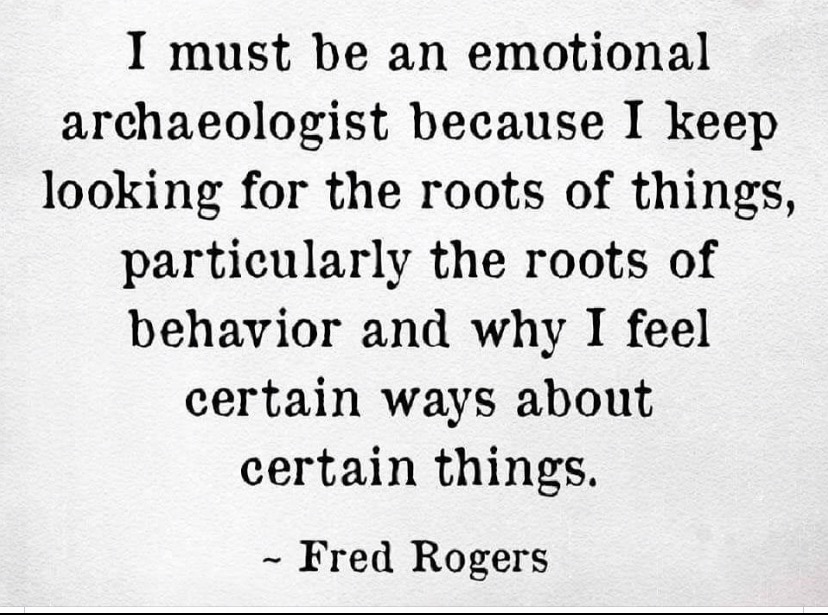
This quote from Fred Rogers echos the same sentiment that yung pueblo expressed, so I thought it a fitting P.S. to his nugget of wisdom.

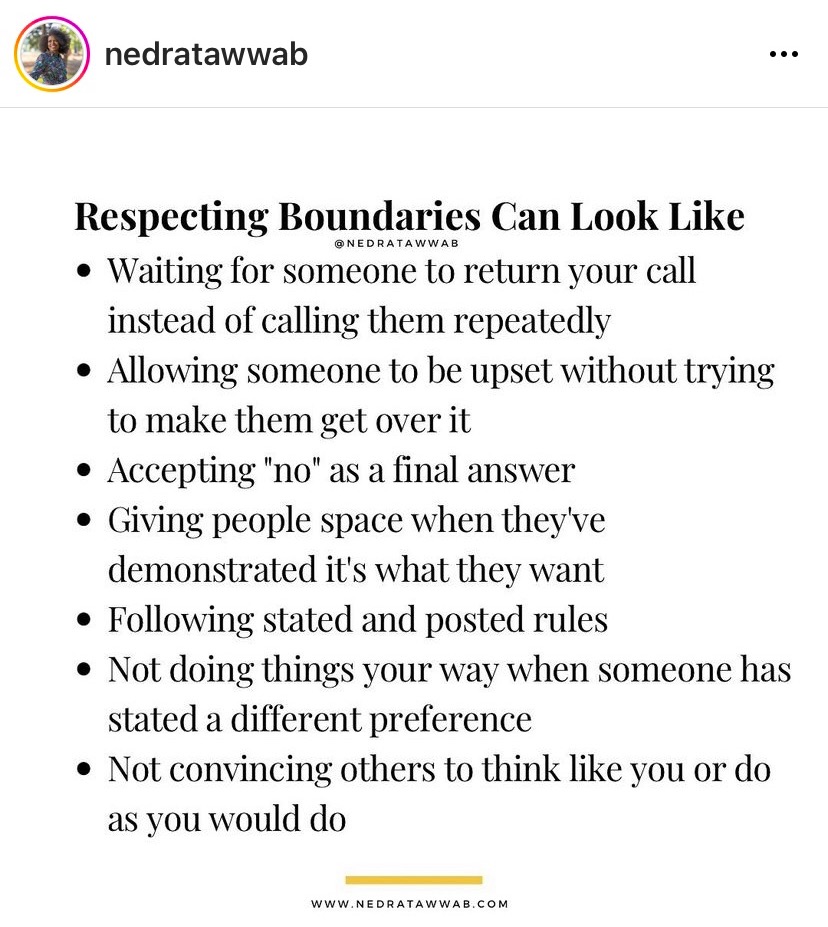
Boundaries sometimes conjure up an image of limitations or walls, but they are actually the gateways to treating someone with respect and integrity – in a way that feels very tangible and supportive to them.

Nedra Tawwab is my go-to resource for deeper understanding of the importance of boundaries in healthy relationships of all types. In this post, Nedra provides clear cut examples of what it looks like to respect and accept another’s boundaries.

I’m working on helping my grandchildren learn the benefits of boundaries by using the word “respect” when I respond to their request for privacy, specific help, or even not helping. If my granddaughter tells me that she does not want help with something that I believe may be frustrating her, I respond by telling her that I respect her wish to do it all by herself. This may seem like a small matter yet it is planting the seed of what it feels like to be respected. Here’s an interesting twist that she’s teaching me — She prefers to work through things on her own even if they are a little daunting; then she feels good to have successfully accomplished it independently. This invaluable lesson of resourcefulness, tenacity and personal agency that comes from respecting her boundaries is not lost on me.

At the onset of 2022, I shifted the focus of my blog to helping others discover tools that would best benefit their own self-discovery and personal development journey. The concept of a toolbox really resonates with me and I like the idea each of us customizing our individual toolbox. Just like the toolbox you have for home repairs, you might have some you use often and others that are for speciality jobs. The same is true for the tools we rely on to help us build resilience and emotional agility, cultivate greater self awareness and inner peace, and those that heal and bridge us through times of great adversity.

Yet there is an important caveat that must be mentioned here. We are all better skilled at using these tools and achieving meaningful results if we take the time to understand neuroscience and how our brains operate. It is the very reason I was drawn to Dr. Hanson’s work at the onset of my own personal growth journey. Fortunately there are understandable and relatable resources to help us better understand and utilize the potential of our brains. Check out Peak Mind by Dr. Amishi Jha, Flourish by Dr. Martin Seligman, You, Happier by Dr. Daniel Amen, Hardwiring Happiness by Dr. Rick Hanson and of course, the Being Well Podcast. My recent post entitled Mindfulness: A Brain Game Changer might be a good primer if you want to dip your toes into learning more about neuroscience.

One of the phrases that Dr. Rick Hanson often uses that I find so encouraging is “how are you resourcing yourself?” This question encompasses what we do on a daily basis to support our overall mental well being and what tools we turn to when we hit a rough patch, are overwhelmed or in deep struggle. Our customized toolbox can be chock full of diverse tools to resource ourselves throughout life.

I’m wrapping this post up with yet another nugget of wisdom from yung pueblo because of an uplifting, inspirational conversation I had with my friend, Judy Chesters. It’s no secret that we have supported in each other in many ways over these past 5 years of personal growth work. Mindfulness has been a cornerstone of our inner work and that’s where we both became much more self-aware of armor and baggage that was getting in our way of living in alignment with who we really are. In our recent chat, we were both sharing how much lighter and more expansive we feel now, how we have more clarity, more resilience and inner calm. We have more energy, more fun, more creativity and deeper relationships. Because we know each other so well, it becomes very evident as we swap stories that we are most definitely showing up in much healthier ways these days — and yes we even chuckle at how the former versions of ourselves would have responded.

What got my attention in this quote of yung pueblo’s is how he emphasizes that when we “find ourselves” (and are operating with more mindfulness), we connect with people that add to our radiance (love that word), and move with bold and genuine energy. That is exactly how Judy and I are feeling these days.

In her book, Peak Mind, Dr. Amishi Jha highlights that when we are living mindfully and are more skilled at focusing our attention in the present moment, our experiences are amplified (another awesome word). Things feel brighter, louder and crisper. Judy and I have discovered that memories of our experiences have been enriched with smells, sensations, the feel of a tiny warm hand in ours, colors and textures, the twinkle in someone’s eye. You cannot capture these sensory details in a photo….but they are strongly imprinted with our experience when we have been fully present in the moment.

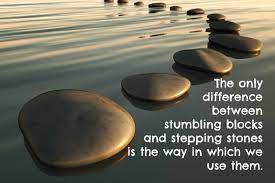
All these nuggets of wisdom may seem to be unrelated, but they are actually stepping stones on the personal development journey. Time doesn’t heal, doing the work is what heals. Boundaries help us show each other how we want to be treated, and serve as a reminder to ourselves of our value and what we need to flourish. We benefit from having a toolbox to resource ourselves with daily self-care and to support us through challenging times. And the light at the end of the tunnel — well that is where you find yourself living more mindfully, more present and engaged, in alignment with who you truly are. You will find friends and like-minded souls on your self discovery journey. They will scaffold you, hold space for you and celebrate your progress.

RECOMMENDED RESOURCES:
Understanding Stress: Causes, Biology, & How to Become Resilient

https://www.youtube.com/watch?v=KsPtfBYkgeA

Dr. Daniel Amen – TEDxOrangeCoast: Change Your Brain, Change Your Life

https://www.youtube.com/watch?v=MLKj1puoWCg

Mindfulness: A Brain Game-Changer

Before I got seriously committed to personal growth, I had this growing curiosity about resilience, coping skills and an ability to sustain some level of overall satisfaction with life. Why did some people seem to have this in spades and others really struggled? Little did I know that my search for answers would end up changing my life in the most remarkable ways.

Back in 2014, I found myself in the psychology section of the book store and discovered Dr. Martin Seligman’s book, Flourish: A Visionary Understanding of Happiness and Well-Being.

Dr. Seligman offered a game-changing theory in the field of psychology about what really makes a good life — and his focus was on optimism, motivation and character. Simply put, flourishing was defined as feeling good and functioning well. That sure seemed like a great place to start for answers to my questions. Here’s what drew me in:

While certainly a part of well-being, happiness “alone” doesn’t give life its meaning. Seligman asks: “What is it that enables you to cultivate your talents, to build deep, lasting relationships with others, to feel pleasure and to contribute meaningfully to the world. In other words, what is it that allows you to “flourish”? (Kirkus Reviews)

Dr. Seligman was flipping traditional psychology upside down — rather than focusing solely on efforts to relieve human suffering, his focus was to look at what was going well in our lives. It was a straightforward, understandable way to “re-wire the brain” and provide balance for the brain’s negativity bias. I was intrigued by this because I had noticed that some of those folks struggling with sustained contentment in their lives often had a lot of things in the “plus” column. Yet that alone did not seem to be enough to have them adopt a “glass half full” perspective. A simple exercise that Dr. Seligman recommended was to identify 3 things that went well at the end of every day.

That simple exercise had a very relevant link — often the very reason that things went well was related to something that the person actively did to facilitate a positive experience.

Agency, action and positive reinforcement all wrapped up in a simple gratitude practice.

It was then that I had a “aha” moment. My brother is the poster child for resilience, strong coping skills and a contagious enthusiasm for life. Yet my brother has had more than his fair share of setbacks and adversities in his life and frankly he has a lot more “minuses” in the column than most. Could it be that his immense gratitude for the small, good things was the key to his ability to be so upbeat and resilient?

Whenever I spend time with my brother, I just bask in his effervescent reviews of the best cheeseburger he just enjoyed, the thrill of the round of golf we just played (even if he lost most of his golf balls) and the miraculous beauty of a sunset. He is the most appreciative, grateful guy I have ever known. Is this his secret sauce for living life with optimism, motivation and resilience?

About a year after I read Flourish, my friend gave me several issues of Mindfulness Magazine. It was my initial introduction to mindfulness and I was fascinated. Little did I know that mindfulness practices would become an integral part of my life. There’s no doubt in my mind that because I had read Flourish, I was extremely receptive to learning all that I could about mindfulness.

Flipping through those issues, I discovered Dr. Rick Hanson, an expert in positive neuroplasticity. I was so intrigued by this remarkable concept: Neuroplasticity is the brain’s ability to modify, change and adapt both structure and function throughout life and in response to experience. What I had already been learning from Flourish was that shifting the brain’s negativity bias simply by focusing on the good things in our life can have dramatic impacts on our quality of life — and on our ability to cope, build resilience and squeeze more joy out of life.

I began to see where psychology and neuroscience were complementing each other. It was through Dr. Hanson’s work that I began to find some of the answers to my earlier questions — we can get caught in the negativity bias, create deep trenches in our brain where we stay stuck…and have a very hard time overcoming — even when our life circumstances have changed dramatically for the better. Negative emotional cycles can lead to self-fulfilling prophecies, rumination, apathy, anxiety and depression. It can be very difficult to break these cycles, especially if you’ve been prone to lean heavily into the negativity bias for most of your life.

About the same time that I was digging deep into neuroscience, I was also soaking up all that Brene Brown was revealing about shame, vulnerability, courage and empathy. One of her findings was that when we “numb” pain, we also “numb” joy. This insight led me to think about the ways that people numb their pain and its correlation to negativity bias. When we numb, we dial down our awareness. So, we are now operating unconsciously and before we know it, we have consumed an entire bag of potato chips, the carton of ice cream, or binged two seasons of a Netflix program. When we have slipped into auto-pilot, our brains are naturally going to default to the negativity bias if that’s our “go to” familiar place. See the connection?

When we numb pain, we numb joy. We aren’t able to see the good things right in front of us, because we are back in the negativity loop and we don’t even realize it. When the numbness wears off and we “awaken” to our consciousness, we look around but still have blind spots to the good stuff. It’s incredibly hard to sustain joy and happiness when our focus and awareness are lopsided due to the negativity bias.

The correlation I was making from all of this inter-connecting research is that mindfulness is an incredible tool because it anchors us in “awareness”. Mindfulness keeps us present so we can take in the good and stops us from slipping into unconscious auto pilot. Meditation is an interactive tool to help us break the cycle that feeds the negativity bias. Meditation helps us to avoid getting “stuck” by our thoughts and pulled into old negative cycles.

Putting the pieces of this puzzle together became the foundation for my own self-discovery and personal growth plan. While I was an upbeat person, wired much like my brother, I was having some difficulty breaking free from rumination. I realized that this was holding me back from the life I really wanted to be living. I wanted to “flourish” – feeling good and functioning well.

At the onset of both my mindfulness and meditation practices, the best I could do was small doses of each. I committed to doing the best I could and to doing it every single day. When I would find myself “living in the past” rather than being fully present in the moment, I would make a note of it — “ruminating” or “thinking”. This is a basic tool I learned from my Headspace mindfulness app. A little trick that can be used throughout the day. I also used another trick of “substitution”. If I would find myself thinking about a person or event that caused me discomfort, I would substitute a person or event that brought me joy. I recall Dr. Hanson offering a mindfulness practice of “flipping it”– which was basically the same premise that Dr. Seligman introduced — “look for the good, not the bad.”

I will readily admit that meditating was so incredibly hard in the beginning. I had these unrealistic expectations that I would sit for 5 or 10 minutes and be blissfully thought-free. Just the opposite happened — hundreds of thoughts streamed into my mind the moment I sat down and closed my eyes. After I embraced the idea that meditation was more about letting thoughts come and go, I bought into the theory that I was “breaking the cycle” of getting attached to my thoughts. My meditation practice become more productive and honestly I came to enjoy it. Maybe not in the moment if I am being honest, but when I realized that I was able to tap into these tools throughout my day, I knew I was making real progress.

Mindfulness and meditation became the foundation for my processing, my healing and personal growth. I was able to end a long cycle of rumination and curate greater self-awareness. I often wonder if my keen interest in resilience, optimism and emotional regulation was really a springboard for what I myself needed. Would I have been so drawn to neuroscience, mindfulness, mediation and Brene Brown if not for this curiosity?

I will share with you what prompted me to reflect on all of this and to make the connections I may have missed five or six years ago. It was a dynamic and insightful Dare to Lead podcast that Brene Brown recently had with neuroscientist, Dr. Amishi Jha. It is entitled Finding Focus and Owning Your Attention.

Here’s the introduction for this episode: “a game changing conversation about attention, focus, concentration and mindfulness- specifically how mindfulness can literally change our levels of attention “……Brene Brown

Naturally I was captivated the moment I read both the title and the introduction for this episode. A huge smile came across my face as Brene Brown shared Dr. Jha’s credentials before the conversation — She is the Director of contemplative neuroscience for the Mindfulness Research and Practice Initiative. Wow — contemplative neuroscience is a real thing!

This podcast episode will illuminate all the ways that mindfulness can have a profound impact on your quality of life. Yes, I chose that word illuminate on purpose because Dr. Jha is witty, light-hearted and possesses a gift for metaphors. Her flashlight metaphor will totally illuminate things you never knew about your brain and your attention.

Dr. Amishi Jha is the author of Peak Mind: Find Your Focus, Own Your Attention, Invest 12 Minutes a Day and she has a Ted Talk entitled “How to Tame Your Wandering Mind”. I highly recommend both if your interest has been piqued. Imagine what a small investment like 12 minutes a day might just do to amp up how you are “flourishing” in life.

I am so grateful that neuroscience, mindfulness and meditation are becoming mainstream, relatable and user-friendly. Those of us in the everyday world who are practicing both and reaping the benefits can be so helpful and encouraging to others.

RECOMMENDED RESOURCES:

To contend with the stress of our current world, we need to properly equip ourselves to cope. Neuroscientist Dr. Amishi Jha teaches you how to use mindfulness to train your brain to pay attention differently and provides scientifically sound alternative to panic: presence

TEDxCoconut Grove – Dr. Amishi Jha on How To Tame Your Wandering Mind

https://www.ted.com/talks/amishi_jha_how_to_tame_your_wandering_mind

Two Peas in a Pod

One of the things I love most about this enlightening journey of my personal growth is the reconnection with friends from my past. Who knew that my blog and my social media posts about my experiences would be the spark that rekindled old friendships?

It turns out that parts of my stories resonated at a time when my friends found themselves in a similar place, contemplating what wasn’t really working in their lives, struggling with relationship issues, or trying to find their way forward after a major adversity or loss. We often discover common ground when another’s story reflects parts of our own life back to us. There are elements of our experiences that are so relatable, we feel safe to reach out for connection and support.

That is exactly what unfolded as my friends were processing their own lives and happened upon my blog or social media posts. I am so grateful for these reconnections because these are friends that I have shared so much of my earlier life with and it feels so good to reminisce, to laugh and to discover all that has transpired since we last saw each other. What we valued in each other way back then is what we still value in each other today. Often, we help each other blow the dust away to see the hidden treasures deep inside of us that we may be having difficulty finding in the present chapter of our lives.

I marvel at the very different paths that each of our lives have taken and yet there are so many common threads that run between our stories of careers, marriages, parenthood, family dynamics, major life events and choices we have made over the decades. There have been a great variety of reasons for each of us to take a step back from our lives and give serious consideration to things we wish to change.

When we take in another’s story and recognize that we have had similar experiences, we feel a sense of relief. We feel less alone. It reminds me of Brene Brown’s book, “I Thought It Was Just Me” where she emphasizes that our imperfections are what connects us to one another and to our humanity. Our vulnerabilities are powerful reminders to keep our hearts and minds open to the reality that we are all in this together.

In the case of these rekindled friendships, there was also a reminder of our shared values and the comfort we found in each other when we first forged our friendships years ago. All these things combine to create a bridge from the past to the present and a knowing that it is safe to share our full stories.

I was both humbled and deeply touched that my friends would reach out to me because something in my blog resonated with them. While I had always hoped that what I was learning myself would in turn help others, it was an unexpected gift to discover it was meaningful to my friends — women that I knew, loved and respected; women who in turn knew me so well.

One of those rekindled friendships has evolved into a deeper, more encompassing relationship than either of us could have ever imagined.

My dear friend, Judy Chesters, and I met when we were just 18 years old and starting our first job right out of high school. We worked for a small law firm in Lancaster, Pennsylvania. At that time, we bonded over our Lancaster roots, humble beginnings and hopes for our future. We were two peas in a pod. Eventually our lives took different paths – though in a small town like Lancaster, we’d run into each other and pick up right where we left off. Some friendships are just like that — no matter how much time and life fills the spaces in between seeing each other, it is easy to catch up and reconnect. As often happens however, we fell out of touch as we both got so busy with growing families, juggling jobs, health issues, and life. I had also moved to West Chester, PA and then later to Florida. I did see Judy once in Lancaster before I moved to Florida when we ran into each other at the Park City Mall. We exchanged mobile phone numbers and friended each other on Facebook. That chance meeting turned out to be very fortuitous.

Just a few years later, Judy was reading my newly launched blog and decided it was time to call me rather than just hit “like” or offer a supportive comment on Facebook. Not surprisingly, we picked up right where we left off, chatting with ease to each other. However, this call took a sharp right turn and a deep dive — turns out we both were doing some soul searching and personal development work. It was one of my blog posts that really hit home with Judy and prompted her to call me.

Looking back, I can still picture where I was sitting that day, the Arizona sunshine warming me — but not as much as the heartfelt conversation that Judy and I shared. While our lives had taken completely different paths, so much of what we experienced over the past few decades had remarkable similarities. Even though our circumstances were polar opposites, the personal development discoveries we were making were nearly identical. Judy and I became trust buddies committed to helping each other on our inner work/personal growth journey. Two peas in a pod once again.

I recently asked Judy if she’d be willing to be a guest writer on my blog. I wanted her to share from her own perspective what it was that prompted her to do some re-evaluation of her life five or six years ago. Her insights are so impactful and I am so grateful that she agreed to share them here.:

I have known for a very long time I am an individual who thinks and feels differently than most people — many people would say that I am just “too sensitive” as if I have control over how I am wired. I feel deeply, I love deeply, I care deeply and I feel others’ pain deeply. I have a strong intuition and a result of these, I can hurt deeply.

I have a tendency to put others’ needs ahead of my own, often times not realizing that I too have needs. Emotionally, I became worn down by others who would embrace that part of me for my sensitivity and how it served them, but criticized me when my “sensitivity” did not serve them. As a result of this pattern of behavior and feeling exhausted and defeated, I had to accept the fact that I needed to embrace who I was to survive — and I had to find the balance to stay true to myself while protecting the heart that was given to me.

I worked tirelessly, reading and practicing some behavioral changes and it was a very difficult journey.

I was blessed to have my dear friend, Amy, and a few very close friends who were going through similar personal growth to help me stay on track.

I had to look deep inside of me and accept the fact that some of my own behavior patterns were keeping me trapped and getting in my way of moving forward. One of the biggest things I had to do was set some healthy boundaries to protect my heart. When boundaries were set, some embraced it while others did not. I realized that I did not have control over how others accepted my “change” and I could respect that.

I had the ability to live my life in a way that kept me true to myself for my intended “purpose” in life, using my God-given gifts to help others and I was no longer tethered to those who felt I needed to become “less sensitive” because it somehow made then feel “less than”. I have learned to respect myself and embrace the number of people who are in my life that understand my heart – they know my “core values.” I am far from perfect and I remind myself daily that I am ok with keeping distance from those that don’t understand my heart — and quite honestly, if others feel that way, why would they want to be a part of my life anyway? This has nothing to do with my love or caring for others. It is just a healthy boundary for self-care — and sometimes means loving “from a distance”.

I am so energized by living a life that aligns with who I am and not being burdened by anyone that doesn’t understand me. I am OK with that. I encourage others to look inside of themselves to align with who they are.

We are all different and have different purposes in. life. We all need to be the healthiest version of who we were meant to be — and discover that for ourselves. No one else can do it for us.

I love having women over for coffee just to chat and encourage each other to keep growing and to share resources for that growth. It is then, when we are able to have peace and contentment of knowing who we are, that we are able to “serve” others in a way that aligns with our individuality. ” —- Judy Chesters

My dear friend Judy is a born empath. I have known this about her since I first met her and it was likely the very reason I was drawn to her. As she shares, being an empath meant that she often took on others’ pain as though it were her own. There is no doubt in my mind that Judy’s young life experiences influenced her as a deeply compassionate, intuitive empath. She is one of those very rare people who can sit with others in their darkest hours without flinching. She has even done this for total strangers and somehow seems to find the words of comfort they so urgently need. I often tell her that she is God’s airbags for others when life is crashing all around them.

Perhaps the most noteworthy transformation that I have seen in Judy through all the personal growth work she has done, is that she is no longer overwhelmed physically and emotionally because of her gift of deep empathy. She has discovered a rare ability to stay grounded while also being a source of great comfort, support and healing for others. The people who come into Judy’s life are often in need of the most intensive care. It is not all surprising to me that Judy frequently forges meaningful, long term friendships with people she has supported through some of their hardest trials.

What Judy and I have both learned is that having a “study buddy” for personal growth work is truly invaluable. We are sounding boards for each other; we share resources and tools that we find helpful. We are honest and open about the patterns and responses we are working on. We cheer for each other when we make real progress and we support each other when the work gets challenging.

It is so gratifying today when we have our long conversations and witness the positive changes that have occurred in each of us. We are discovering that as we have shifted into the healthier, better versions of ourselves, we have more energy, more joy and a broader scope of awareness. We both feel more in alignment with our values and our life purpose.

We do have a few good laughs about how the old versions of ourselves might have shown up and the repercussions of that. Without a doubt, this is better!

When Judy shared with me that she was setting up a little library in her home for the books and resources that we have found helpful – and would regularly be inviting small groups of women over for coffee, I was overjoyed. I can just imagine the friendships that will be created, the stories that will be shared and the personal growth that will emerge.

In our wildest dreams, I don’t believe either of us thought our personal growth journey would be so rewarding. Over the past few years, we have both grown our circle of marble jar friends — and we are delighting in seeing each of them tap into their potential and share their unique gifts with the world.

I will close this post with a giant thank you to my lifelong friend, Judy, for being so genuine and so supportive.

RECOMMENDED RESOURCES:
Judy and I found the enneagram very useful. We both read The Road Back to You by Ian Morgan Cron. We discovered we are both dominant enneagram type 2 – and I told her she would laugh and cry when she read about us in this book. The enneagram puts a spotlight on behavioral patterns that hinder us. The best part of the enneagram is that it helps you move toward the healthy end of your spectrum. Check out The Enneagram Institute online for an introduction to this worthwhile tool.

Brene Brown’s books, both her podcasts (Dare to Lead and Unlocking Us) and her Ted Talk all served as great resources. The Gifts of Imperfection is a personal favorite.

Both of us have journaled most of our lives. Judy and I find journaling one of the best way to process our emotions, do deep reflective work and get to know ourselves better.

I’ll be updating this post with Judy’s recommendations for books on being an Empath; and on her favorite Daily Devotionals.

Broken Open by Elizabeth Lesser is another remarkable book – and is great for discussion with a good friend.

Nuggets of Wisdom — Unlearning & Relearning

When I began my self-discovery and personal growth journey six years ago, I had no idea where it would be leading me — and I am extremely grateful for the path it has become. What excites and inspires me is the ground-breaking research that is shedding light on old myths that have contributed to unhealthy multi-generational family dynamics and stunted our own personal growth efforts. In this post, I will highlight some of the key shifts that are having transformational impacts in self-development, mental health and personal growth.

Many of us grew up with the belief that vulnerability was weakness. So naturally we tried our best to hide and mask our own vulnerabilities in an effort to protect ourselves. Our blind spot around vulnerability was most likely in the way we responded to others who showed us theirs — we’d recoil, dismiss or diminish what they shared with us. Weakness was to be avoided at all costs.

Brene Brown’s extensive research on vulnerability spans over two decades and volumes of data. What she reveals is that across cultures, most of us grew up with this false belief that vulnerability was weakness — and at the same time, we were told to be brave. This created a tension that made so sense. Being brave requires courage — and we can’t get to courage without leaning in, and exposing, our vulnerabilty. Hard stop.

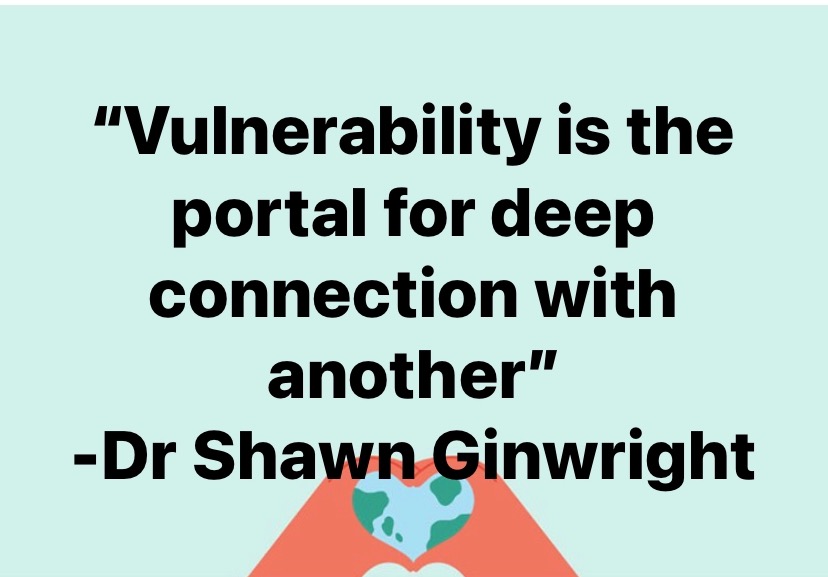
Brene has long professed that vulnerability is the key to deep, meaningful connections with others. Author and activist, Dr. Shawn Ginwright drives this point home with a powerful image:

“Vulnerability is the portal for deep connection with another.”

I believe that vulnerability and trust go hand in hand. This heartbreaking misconception about vulnerability being weakness may be a huge contributing factor to the breakdown of trust in family dynamics. Children who do not feel safe will carry mistrust with them into adulthood along with the armor they use to hide their vulnerabilities. Brene cautions us that we often don’t believe the stories others tells us about their experiences, which leads to more disconnection, withdrawal and an innate lack of trust.

Vulnerability is not weakness – it is in fact the greatest measure of courage. On both sides of this coin, we can become more aware of this truth and drop the old, harmful belief. We can learn to respond to vulnerability — our own and others – with respect, empathy, non-judgment and a desire to learn more. We will cultivate more heroes than victims of our own stories with this one transformational shift.

Here is a thread that runs from what we are re-learning about vulnerabilty to what we also can re-learn about regret. When author Dan Pink was working on his latest book, The Power of Regret, he was rather astonished to discover that when he openly shared his heartfelt stories of his own regrets, his friends did not recoil — they actually leaned in. There was an exchange of similar stories and shared humanity. Those conversations led him to do several years of research about how we got regret all wrong. Living a life with no regrets means living a life without any reflection, without extracting the invaluable life lessons meant to help us along our path.

Dan Pink discovered that when others opened up and risked being vulnerable about their regrets, their insights revealed what they valued most in their lives. Not surprisingly, as we age, what we value most becomes crystallized. In this case, hindsight was truly 20/20 and most regrets were about thing people DIDN’T do rather than things they did — the missed opportunities and risks they didn’t take because of fear, insecurities or perceived judgments.

Vulnerability and regret are like two missing pieces of a bigger puzzle. Dr. Shawn Ginwright explains that we can’t move from transactional relationships to transformational relationships without vulnerability because there is no emotional risk, nothing is at stake. Transformational relationships help us evolve into our better selves; these are the people willing to hold up a mirror for us and encourage us to grow — especially from our life experiences.

Let me share my favorite example of a transformational relationship — being a parent. Reflect for a moment on how your role as a parent evolves as your infant moves from toddler to teen. There is no greater example of how deeply our shared vulnerabilty with our child forges a bond that cannot easily be diminished or disconnected. When our kids are teenagers, we often use regrettable moments as a tool for helping them gain some agency around their choices and a foothold on creating their personal values.

I love Angela Duckworth’s body of work around resiliency and grit — and guess what, it dovetails right into vulnerability and regret. Angela says we don’t learn well when there’s no feedback.

Feedback from others is something that often feels like a hit to our ego, so naturally we prefer to avoid or ignore it.

Yet if the feedback is coming from someone we respect and is offered as a “mirror” for personal growth, then we should be grateful — and lean in. Feedback, like regret, is another tool for learning. Those people who offer us insightful feedback may be the ones we can develop a transformational relationship with — those who will help us do our most meaningful “mirror” work.

One way to get more comfortable with feedback is to ask for it. There’s no doubt this will foster your willingness to choose courage over comfort. And, you will be setting a good example for others:

“Courage is contagious. Every time we choose courage, we make everyone around us a little better, and the world a little braver.” –Brene Brown

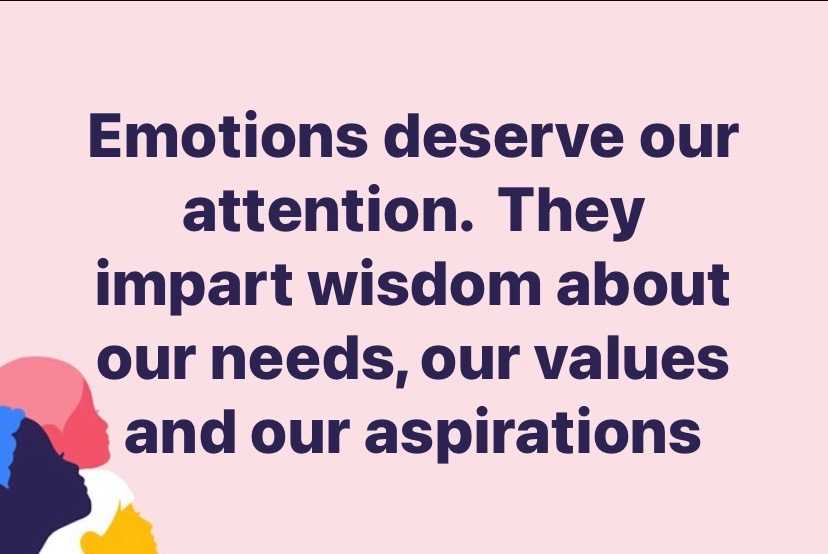
One of the most revelational breakthroughs has been around emotions. We are emotional beings and yet we rarely tap into the wisdom that our wide range of emotions offers to us. We may have been taught as children not to express our emotions; we may have learned to stuff them and power through hard times; we may be triggered by them and then act on them, often with poor outcomes.

While we often talked about emotional regulation, the focus was more on trying to navigate around our emotions than accepting them, feeling and honoring them, and gaining the knowledge they offered. As more research rolls out from behavioral scientists, neuroscientists, psychologists and social work experts, we are recognizing that emotions are not the problem — it is unprocessed emotions that cause lingering and long-term issues.

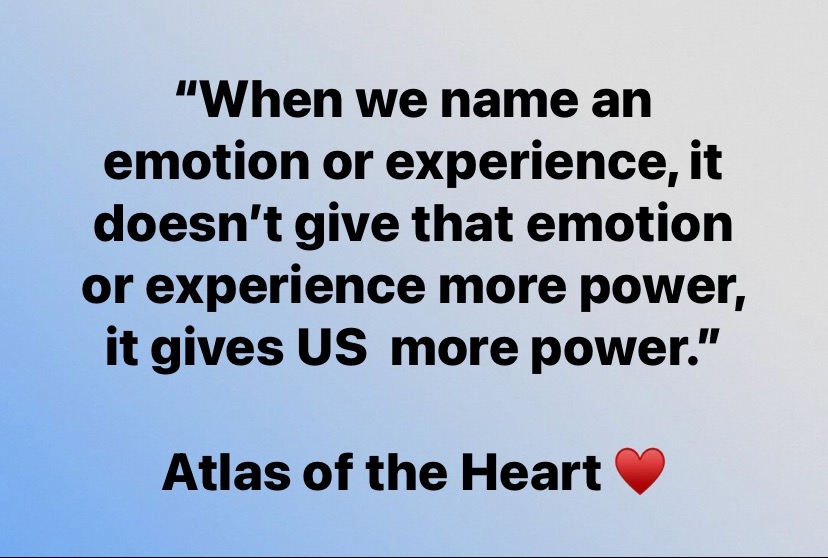
In Atlas of the Heart, Brene Brown integrates so much research of her own and others, to open us up to a brand new way of thinking about — and learning from — our EMOTIONS.

Emotions are neither right nor wrong, good or bad. Each and every one has some intrinsic value that is a part of our full life experience.

In Atlas of the Heart, Brene gives us a resource guide for 87 emotions and experiences that are common to most of us. She shows us “where we go” emotionally with so many relatable events that happen in our lives. Best yet, she gives us an expanded emotional vocabulary to help us name them, process them and learn the lessons from them. Her research revealed that we often just dumped our emotions into one of 3 buckets — happy, sad or angry. There is no way that we were ever going to be able to untangle ourselves from the complexity of our many emotions without a bigger vocabulary and greater discernment.

Imagine the transformation that can occur in just one generation when we embrace these breakthroughs — recognizing vulnerabilty as a measure of strength and courage; gaining invaluable life lessons from regret and reflection; and accepting and honoring all our emotions, processing them in real time (rather than ignoring or stuffing). Imagine how freeing it will be for younger generations to move through life without heavy armor and emotional baggage. What if we came to see ourselves as heroes of our own stories rather than victims of an old narrative? All of these breakthroughs in how we relate to vulnerabilty, to regret and feedback, and to our vast emotional landscape are the maps we can use to grow forward.

RECOMMENDED RESOURCES:
My recent blog post — What We Got Wrong About Vulnerability

https://inspirednewhorizons.com/2022/02/26/what-we-got-wrong-about-vulnerability/

Another recent blog post – Regret and Reflection

https://inspirednewhorizons.com/2022/02/17/regret-and-reflection/

This very recent episode touches on so much that I have shared in this post — especially about processing emotions in healthy ways and learning from failure — such relatable sound advice https://www.rickhanson.net/being-well-podcast-learning-to-cope-with-failure/

What We Got Wrong about Vulnerability

I get so invigorated when a breakthrough discovery upends old paradigms and carves a brand new path for us to take on this life journey. Recently I shared how we missed the necessary life lessons embedded in regret. Today, it’s a big one — it’s vulnerability.

Just like the impassioned enthusiasm that author Dan Pink has about reframing regret for its value, this same passion and high energy exudes from author and activist, Dr. Shawn Ginwright, about the multitude of benefits gained from embracing vulnerability in a whole new way.

In his recent conversation with Brene Brown on Unlocking Us, Dr. Shawn Ginwright spoke with conviction about the role vulnerability plays in our most meaningful relationships. Especially, transformative relationships — those rare and invaluable relationships where we are lifted up and given the scaffolding we need to grow and flourish.

When Dr. Ginwright proclaimed “vulnerability is the portal for deep connection with another” I stopped the podcast and let that soak in. Then I rewound it and listened two more times.

As an ardent student of Brene’s work on courage and vulnerability, this concept of a portal gave me an unforgettable image to reframe the role that vulnerability plays in meaningful relationship connections. A portal is a doorway, a gate, an opening — sometimes, a large and impressive one.

When someone is courageous enough to be vulnerable with us, they are literally dropping their innermost drawbridge and revealing the “portal” into a deeper understanding of who they are, what matters most and what they are experiencing.

Dr. Ginwright calls our response to these moments of vulnerability “the exchange of humanity”.

If we peek through that portal and look closely, we can see, and feel, another’s anguish through our own eyes and heart.

Brene Brown explains that this “exchange of humanity” creates a connective energy between people and provides the emotional support for healing and growth.

All we really have to do is reflect on a past vulnerable moment of our own to intuitively know what we would have found comforting. This is where “meaningful connection” takes root – in our shared humanity. Our experiences may be quite different, but those deep feelings and painful emotions are similar.

Vulnerability has been a rich topic of conversation very recently in my book club and with my close friend since we are all reading and digesting Atlas of the Heart. As we shared stories with each other, we began to reframe how we think about — and respond to — vulnerability.

It made me realize that we were actually experiencing what Dr. Ginwright is teaching — our connections were deepening as we leaned in to each other’s stories where they took a leap of faith and bared their vulnerabilities to others.

Brene writes that across cultures, most of us were raised to believe that being vulnerable is being weak and that this belief sets up an unresolvable tension because we were also taught to be “brave.” But being brave implies having courage — and vulnerability is the most accurate way to measure courage.

Real courage means taking that risk, sharing our truth and who we really are, without any guarantee of the outcome.

Courage requires the willingness to lean into uncertainty, risk and emotional exposure.” (excerpt from Atlas of the Heart).

We are “all in” for courage when we cheer on the protagonist in our favorite book or movie. That kind of courage seems fearless and heroic.

We are far less comfortable with courage when it comes to ourselves. Our fear — of being judged, labeled, diminished or worse yet — cast out from the groups we want to belong to — keeps us armored up and silent.

And here is our conundrum — we want deeper connections in our relationships, but we mistakenly believe that by being vulnerable and opening up to others, we will be perceived as weak. There’s a lot of shame, fear and insecurity wrapped up in this old belief system. We build walls and don protective emotional armor to keep us safe — but it is a false sense of security and a major roadblock to meaningful connection.

That old belief system also set us up for failure when it comes to responding to those who take that risk and share their vulnerabilities with us. If we believe that being vulnerable is weakness, we can easily fall back on old unhealthy patterns of relating to weakness as something to avoid. Like it or not, our first unconscious responses probably are to judge, diminish, recoil and withdraw.

We’d be operating on auto pilot with a harmful belief system that predisposes us to respond to perceived weakness as undesirable.

This is where I find the work of Brene Brown, Dr. Shawn Ginwright and their peers to be game-changing. Shattering these old myths and reframing vulnerability as the portal for connection is a very profound, healthy step in the right direction. As Brene shares in Atlas of the Heart, we have been using perfectionism, people-pleasing and proving to mask vulnerability. No wonder we find it so challenging to really be our authentic selves.

It seems to me that the old belief about vulnerability being equated with weakness also contributed to an erosion of trust. Trust is the bedrock of genuine connection. If we shared our vulnerabilities with someone and their response was to treat us as “weak”, it is only natural that the trust we placed in that person would be compromised.

Brene highlights the importance of discipline and self-awareness when it comes to sharing our vulnerabilities for this very reason. Trust is an essential component of solid relationships. She advises that we mindfully chose those who have earned the right to hear our stories and experiences — those people you deem trustworthy.

On the flip side of this, remember that if someone comes to you to share their stories, you have probably earned their trust. Will you be a good steward of that earned trust?

Reflecting on my life, with this new perspective, I can more clearly see the pivotal “sliding door moments” where both vulnerability and trust were at stake — and the resulting outcomes.

There are moments when I shared my vulnerability with someone I trusted — and they chose to lean in and listen, to be kind and respectful. A warmth washes over me when I recall how it felt to be cared for in such a loving way when I was hurting. And yes, my trust in those people grew exponentially and our relationships have stood the test of time.

There are other “sliding door moments” when others dismissed, diminished or ignored me when I was most vulnerable. These reflections took me back to childhood, marriage, friendships and parenting – where those missed opportunities caused chasms in relationships. These moments feel more like doors closing, my membership card in a group being revoked, and jabs at my self-worth.

I see that now — I did not see it in those moments when it was all unfolding.

My friends and I have long wondered why others respond in ways that amplify someone’s pain, or even inflict more on to them when they are at a low point. Could it be that the old myth of vulnerability being a weakness was the main problem?

The more we are learning, reflecting and sharing, the more we are beginning to understand the root causes of disconnection. It is a complex combination of the belief that vulnerability is weakness; all the ways we employ to keep our vulnerability hidden; the lack of emotional support that we inherently need to help us work through adversities; and our own negative and hurtful responses to others’ vulnerability.

We are “unlearning” what doesn’t work and we are “relearning” a much more beneficial approach for courage, vulnerability and deeper, meaningful connections. It does require that we begin to show up more authentically and not hide our vulnerabilities, that we express our needs and boundaries and that we do our part to build trusting relationships.

Dr. Ginwright encourages us to take all of this “relearning” one giant step further by seeking “transformational” relationships. He defines these relationships as those that help us do the necessary “mirror work” to grow into our better selves. Transformational relationships will help us see where we are stuck, where old behavioral patterns could be problematic, and the hidden potential we possess.

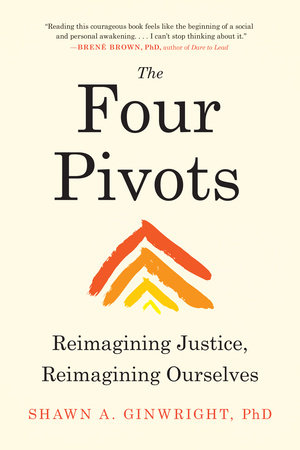
In his newest book The Four Pivots: Reimagining Justice, Reimagining Yourself, Dr. Ginwright emphasizes that we don’t get “mirror work” without these important transformational relationships — and that we only get into these invaluable relationships by sharing our vulnerability. It is through this exchange of humanity that we become connected in ways that cannot be easily dismissed or disconnected.

When I think of a transformational relationship and “mirror work”, I think of my lifelong friend Judy. Over the past six years she has been an honest, trustworthy, truthful friend. We have forged a strong, flexible and enduring relationship bond as we peeled back the layers of our life experiences and searched for the lessons we missed along the way. Perhaps this is why Dr. Ginwright’s teachings resonated so deeply with me. I have firsthand experience of the transformational power of reframing vulnerability in this whole new light.

It is what inspires me to be a transformative “mirror” friend to others. The gift in paying it forward, is that we continue to gather more stories of humanity — those heart-expanding stories that braid the bond with more texture, more color, more fiber, more compassion.

I hope that this revelational new way to view vulnerability opens your heart and eyes to a better pathway for relationship building — and repairing. I will leave you with one compelling message: Please be gentle with those who show you their vulnerability. Even if you are unable or unwilling to be the rock they need in their hour of despair, don’t make their healing work harder. Be kind and respectful. Reflect on how much courage it took for that person to show you vulnerability.

RECOMMMENDED RESOURCES:

https://brenebrown.com/podcast/the-four-pivots-reimagining-justice-reimagining-ourselves/

http://www.shawnginwright.com

Entangled Behavioral Patterns

Each of us has a set of behavioral patterns that we bring into all our relationships. Our patterns and those of others get enmeshed and we actually create a third dynamic behavioral pattern unique to each relationship. This actually explains why some of our relationships flow so smoothly and others are so challenging. Have you ever wondered why you seem to be such a great communicator in some relationships and completely unable to be understood clearly in others? Could it be that the relationship behavioral pattern dynamic is getting in the way?

If you regularly follow my blog, you know I am a big fan of the enneagram for cultivating awareness of our unconscious behavioral patterns. Being “aware” of our own behavioral patterns is the first key step in understanding how they are impacting our lives — and our relationships. Then, the second step is assessing what is working for us — and what isn’t.

Using the enneagram is one of the “fast track” tools for personal growth. The real gift of the enneagram is that it not only helps us diagnose what isn’t working anymore, it offers us the framework to step out of outgrown, unnecessary patterns and into healthier, more enriching ways to engage in our lives and relationships.

Many of our unconscious behavioral patterns originated in our childhood. The same is true of our values, how we view the world, and how we choose our friends and life partners.

Here’s the distinction however — as we grow and mature, as we gain more knowledge and life experiences, we organically re-assess our values. Our world view expands as we finish high school or college, start a job or career, build a life of our own. We find ourselves learning a lot from our friendships and our marriages. We are in a constant state of change. These change prompt us to re-assess our values, our goals, our impact on others and our overall contentment (or discontentment).

Yet while we are in a constant state of change, accumulating more knowledge and information that informs us about the trajectory of our lives — we are dragging around with us all those childhood behavioral patterns. We actually are using child-like navigational tools in our adult world. Ironically, we often strive hard to build an adult life for ourselves that is quite different from our childhood experiences. Yet our unconscious behavioral patterns can become our biggest hurdles to successfully achieving those goals.

As Ian Morgan Cron states so profoundly in this latest enneagram book, The Story of You, those childhood patterns work well — until they don’t.

I found the enneagram to be just the tool I needed to realize the protective armor of my childhood and the patterns that held that armor in place were no longer needed.

Hindsight truly is 20/20 — Just revisiting a few old memories and events with this awareness brought to light the way I would “help” too much, deny my own needs and harmonize when I should have stood my ground. Even with the best of intentions, the downside of my childhood patterns kept me from growing into a healthier version of my best self. My most uplifting discovery was that a healthy enneagram Type 2 often becomes a “helper” in the most incredible ways — by mentoring and resourcing others in their own journeys of self discovery and personal growth. That was the big push that I needed to address my personal roadblocks.

A very simple and effective tool for starting this needed change is to do the opposite of what you would normally do. Sounds so easy, doesn’t it? It’s not. A lifelong helper almost has to tie her hands behind her back and slowly exit a room when the intense urge to jump in and rescue, fix or resolve an issue arises! It takes a Herculean effort for a helper to actually ask for help — or say no, when she’s overextended.

My friends who are also Type 2’s have become a support group for this purging process. We laugh a lot, we hold each other accountable, and we cheer wildly when we tell stories of how we “responded in a much healthier way” to a familiar event that once pulled us back into childhood patterns.

What I love about the inner work that we can all benefit from doing, is that it frees us up and creates so much space in our hearts, minds and lives. A mindfulness tool that I’d been trying to implement was “not to take things personally.” As I read about each of the nine types, it became the knowledge base I needed to lean hard into this practice. The more I learned how each of the nine types often “show up” in life, the greater was my awareness of how other’s childhood patterns were impacting their adult lives. Not only did that free me from “taking things personally”, it also increased my empathy for others on several levels. (The seeds of my becoming a more effective “helper” were nurtured in this process.)

This brings me back to recognizing just how entangled we can get in each other’s behavioral patterns. If you feel like you keep buying a ticket to the same “merry go round” when it comes to relationship issues, this just might be an insightful starting point.

Let’s take a look at what might transpire when our old unconscious behavioral patterns get enmeshed with someone else’s.

If a peace-maker and a challenger forge a relationship, you can bet that some friction and fireworks are quickly invited along for the ride. The “challenger” who loves a heated, feisty argument in order to work things out will become a steamroller for the “conflict avoider” who just wants harmony and peace above all else.

It’s likely that the conflict avoider will not speak up and will choose to acquiesce to the needs of the challenger. This will feel like the path of least resistance to a peace-maker. Meanwhile the challenger might get bored and frustrated by that approach. A challenger thrives on high energy, some conflict and a good, heated discussion.

If both of those people double down on their old patterns, a conflict avoider may withdraw and stuff their emotions. A blind spot is not acknowledging and expressing their needs. The challenger might be perceived as nagging and controlling. The challenger is likely to keep bringing up the issue at hand, making more points, turning up the heat, refusing to back off. A blind spot is not recognizing that this approach pushes away the connection and understanding they are seeking. The peace-maker might be perceived as insensitive, unsupportive and dis-engaged.

Can you begin to see how these old patterns get in the way of building a strong, fluid and trusting relationship?

It often isn’t the person we care about that is the problem. It’s outgrown, unhealthy behavioral patterns that prevent us from really getting to know each other, what we need and how best to support each other. We may have common interests, shared core values and similar hopes and dreams, but without peeling back some of our history, we may have a hard time getting on the same page and building a strong relational foundation.

By the way, this is true for all our relationships — be it parent, sibling, partner or friend. If you spend some time reading about all nine types of the enneagram, you will discover deeper insights into the people you think you know pretty well. At the very least, it will create a little more awareness about behavioral patterns and how they show up in our responses to life. A great primer for this can be found at The Enneagram Institute online (https://www.enneagraminstitute.com)

Under the “Learn” tab you can read descriptions of each of the nine types. I especially find the “Levels of Development” section for each type to be so helpful for anyone that wants to shed the childhood navigational system and upgrade to a more mature, self-aware version.

Also under the “Learn” tab, you will find “The Enneagram Type Combinations.” This is one of my favorite resources for cultivating more awareness about how different types interact with each other. You can click on any combination of types and learn what each type brings to that relationship combo as well as learn about potential troublespots. This invaluable resource is the equivalent of having a detailed nautical chart, channel buoys, and a lighthouse to skillfully navigate our relationships with others.

Cultivating more self-awareness helps us discover the places where we get snagged by our outdated, outgrown navigational system. It is an invitation to take a long hard look at how our childhood armor and the behavioral patterns that hold that armor in place just might be the reasons we are having such a difficult time showing up as our best selves in the meaningful lives we are working so hard to build.

RECOMMENDED RESOURCES:
Elizabeth Earnshaw is a Gottman certified therapist and an outstanding resource for couples who are committed to a thriving and fulfilling relationship.

Follow Liz on Instagram for more insights like this: @lizlistens

A primer for the Enneagram by Ian Morgan Cron
Ian’s most recent book – Helping you “re-write” your childhood story into a more evolved one for your adult life.

The Transformational Power of an Apology

Some of the greatest gifts that come from a sincere apology are the release of pain, the freeing of false or limiting beliefs, and true clarity about the events and behaviors that were often made very murky by big emotions. An apology offers these healing gifts to both the Giver and the Receiver.

A recent conversation with my book club about an emotional episode of This is Us revealed just how many of us have been impacted by apologies that were never offered.

I’m talking about the kinds of apologies that could shift an entire family dynamic in a dramatic and positive way.

The recent This is Us episode entitled “Don’t Let Me Keep You“, is a case study for dysfunctional family dynamics — and how it sets into motion adaptive behavioral patterns to navigate volatile home environments. As I watched Jack’s dad causing so much pain for his wife and his two sons his children due to alcohol addiction and unchecked anger, I could literally feel my own emotions rising up to match those of his wife and children. The empathy and sadness I felt for them came from my own lived experiences — for I have been both the child and later a spouse in emotionally volatile family dynamics. Many of my friends had similar lived experiences. This episode of This is Us brought many memories to the surface where we shared our emotional stories with each other. We also explored how the trajectory of our lives might have changed had we received a transformational apology.

There was a poignant moment in that TV show when Jack is giving his eulogy at his mother’s funeral and he stated the raw truth that resonated so deeply with me and my friends — “no matter how far away you move, no matter how old you get and how much you rebuild a new life for yourself, a piece of that childhood story stays with you forever.”

I thought about the power that Jack’s dad had to release that whole family from so much fear, pain and trauma. If he’d owned his bad behavior and addressed his demons, he would have helped himself, his wife and children — and freed them from dragging around so much baggage that hung like a dark cloud over their lives for decades. He could have saved his marriage. He could never have lost the lifetime of chances to be a loving, supportive father to his sons. He could have known his three grandchildren.

“Apologize to your children. Children have a strong sense of justice and suffer when a parent’s defensiveness invalidates what the child knows to be true.” — Harriett Lerner

Jack’s dad stayed mired in his addiction and old story for his entire life — estranged for all those decades from his family.

Jack’s mom spent most of her life living in fear, always looking over her shoulder wary that she was not safe. She sacrificed being the kind of mom she really wanted to be for her young children, trying her best to protect them from harm while she herself was constantly in harms way, both emotionally and physically. Later in life, when Jack was a young adult, he rescued his mom. He moved her out of the house and her abusive marriage. I imagine she felt ashamed for needing her son in this way. She probably did not want to be a burden and we see their mother-son relationship devolve to once a week, brief and awkward phone calls. (Hence the title of this episode — “Don’t Let Me Keep You“) Even when she visits Jack and Rebecca and their three babies years later, she is uneasy. She fears that Jack’s dad will know she is there and show up and she is scared. The chasm in her relationship with her son, Jack, creates so much unspoken tension. All the things that they have swept under the carpet for decades makes for a very lumpy, bumpy mother-son dynamic. Both of them needing each other and neither knowing how to express it. They never really find their way back to each other.

Another poignant moment in Jack’s eulogy was when he shared in a very vulnerable way the hard life they had with his dad — and that “they were just doing the best they could.” This was the moment that broke me, warm tears streaming down my face. One man’s hurtful actions put into motion a chain reaction of heartaches and emotional roadblocks for his family. They were “doing the best they could” in an unhealthy environment. How would their lives have been different had Jack’s dad held himself accountable for his toxic behaviors?

Imagine the unhealthy behavioral patterns and protective armor that Jack and his mom adopted out of necessity. As Jack so openly acknowledged, even when they changed their environments, the scars from their lived experiences stayed with them always.

If you are a fan of This is Us, then you know that Jack later struggled with alcohol. He was in constant conflict of trying to numb his pain (both past and present) and not wanting to become his dad. Jack’s younger brother, Nicky, also struggled with drug and alcohol addiction, with big insecurities and low self-esteem. He led a very troubled life for years. Addictions are often passed from one generation to another. So are the unhealthy behavioral patterns we develop to keep us safe. Children are like sponges, soaking up what they watch their parents do. How parents “show up” for each other and their children forges their own patterns.

What causes people to hurt others in such obvious ways and never offer an apology?

Surely they must know in their hearts that their actions caused a lot of suffering (including their own, no doubt). Jack’s dad had to know this. He had to have some awareness of all the collateral damage to his family.

Apologies matter. Accountability matters. Both can change the course of our lives.

I have lived and witnessed this same unfortunate scenario in my own family — and I see the lingering emotional baggage as well as limiting, false beliefs instilled in innocent people. Another’s hurtful behaviors deeply impacted lives, disrupted parental and sibling relationships, and strained family dynamics.

It made my parenting job harder. I was left to mend a heart I didn’t break, rebuild self-esteem I didn’t shatter, and the most challenging of all — instill and maintain TRUST. Trust is the strongest glue of relationships and when it has been broken repeatedly, it takes a Herculean effort to re-establish and repair the damage. In my child’s case, the lingering lifetime impact will always be repeatedly testing relationships for trust.

I sometimes imagine what a genuine apology would have meant to members of my family decades ago. I imagine the healing that could have come from such a gift. What memories we would have made together without so much baggage and conflict. How we could have supported each other through adversities in meaningful ways.

It is human nature to feel very vulnerable when we know we’ve hurt someone. We want to avoid those feelings of remorse, guilt, shame. But hiding from them, or sweeping them under the carpet, will not make them fade away, or even loosen their grip.

This may be hard to believe, but it is true: The fastest route to releasing those painful emotions deep within us is a heartfelt, meaningful apology. And a timely apology will also save a lot of heartache and pain.

When we have been hurt, we usually create a false narrative to help us make sense of what happened to us. Those false narratives have deep roots in our personal history. We may inadvertently double down on our feelings of unworthiness, or of being unloved or not valued. We may become unnecessarily freaked out or distrusting. Someone else’s hurtful actions can trigger our insecurities and old stories. It’s so hard not to get entangled in all of that emotional baggage. This is one of the most prevalent reasons it is invaluable for apologies to be timely. A swift, meaningful apology can stop that emotional snowball from rolling down a very slippery slope.

Apologies that are never forthcoming can deepen the scars of our lived experiences.

It’s no wonder that we can get snagged on the broken parts of our life stories. Many times what we believe to be true gets reinforced through similar situations that often play out the same. Many unhealthy behavioral patterns we developed in childhood could have been avoided with a meaningful apology and honest accountability by the adults in our lives.

The lessons we can learn from this insightful episode of This is Us — and from our own lived experiences — is that awareness, accountability and apologies can make an empowering transformational difference in family dynamics.

Cultivating self-awareness helps us recognize when we are defaulting to old behavioral patterns that no longer serve us well and are not needed for the life we are now living. We can free ourselves from being entangled in our old stories and have agency over how we respond to others and to circumstances. We can step out of old patterns and into alignment with our own core values.

As we become more self-aware, we more naturally cultivate more empathy and “other” awareness too. This helps us show up for others in more mature, calm and relatable ways. It becomes easier to “treat others as you would like to be treated.” There will always be conflicts and disagreements, and they can be discussed and resolved with dignity and respect.

Accountability is such a huge part of healthy relationships. Brené Brown has brought to our attention that we often don’t hold others accountable because of our own discomfort. To get over that hurdle, begin implementing boundaries as a powerful tool for making clear what matters most to you — and what you need in order for a relationship to work.

Too often, we fear speaking up and asking for our needs to be met, so we just accept other’s behavior — until we reach the breaking point. By that time, the relationship can rarely be salvaged. Nedra Tawwab teaches us if someone expresses a boundary to us, it is a clear sign that the relationship matters to them and they have a strong desire to repair it. Think about that the next time someone expresses their boundary to you. It’s a great gauge of how committed you are to someone.

We can’t let our fear or discomfort keep us from holding others accountable for how they are impacting our quality of life. There are consequences for bad behavior and hurtful actions. Who is paying the price of those consequences?

A sincere apology has the power to heal and strengthen a relationship. Dr. Dan Siegel calls this “rupture and repair”. We are bound to make mistakes, for we are human. When we know we messed up, hurt someone or could have handled a situation better, it is time to apologize. An earnest apology shows that you care about the other person and about the relationship. An apology that is backed up with changed behavior becomes solid foundational webbing that builds trust.

Rupture without repair leads to a deepening sense of disconnection. As Dr. Seigel explains, if ruptures continue and they are not dealt with, it will affect a person’s sense of self. This is precisely why those apologies that are never offered create so much collateral damage. That lingering collateral damage can follow us far into adulthood.

Even if two people agree that they are no longer compatible and that their friendship, marriage, parental or sibling relationship should end — apologies are in order and can go a long way for both parties to heal.

Personal accountability for actions and behaviors reveals our character and core values. When we own our mistakes, it’s a sign of maturity and awareness. If we choose to work on change, it is a sign of a commitment to learning from our experiences.

There is incredible transformational power in a genuine, heartfelt apology. Imagine a brighter future for our young children if we can launch them into adulthood without unnecessary, undeserved emotional baggage.

“The best apologies are short and don’t go on to include explanations that run the risk of undoing them. An apology isn’t the only chance you ever get to address the underlying issue. The apology is the chance. you get to establish the ground for future communication. This is an important, and often overlooked, distinction.” — Harriett Lerner

RECOMMENDED RESOURCES:
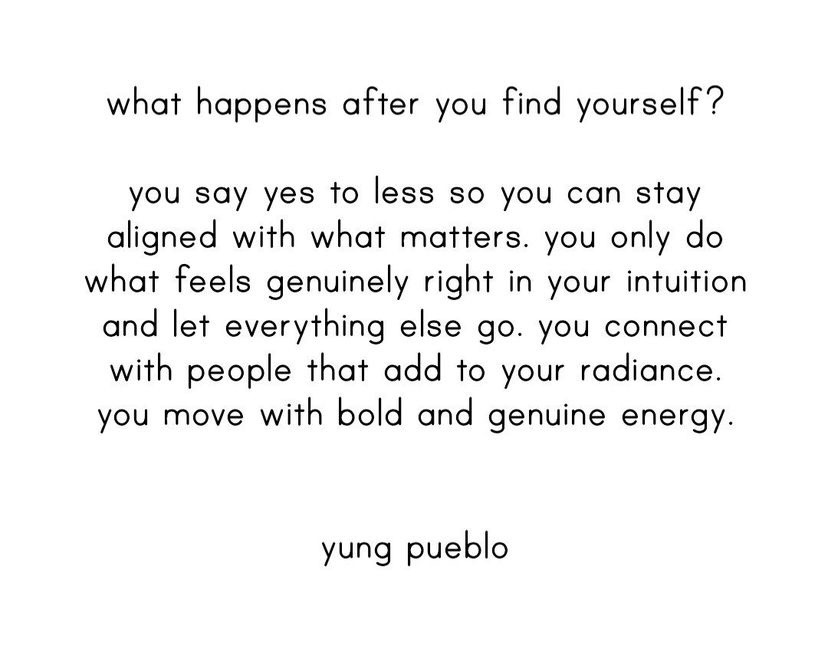
This “grab bag” episode of questions from Being Well listeners touches on so many of the questions most of us have about family dynamics, making big financial decisions, and healing from painful childhood experiences https://www.youtube.com/watch?v=6xAd4-KXrUQ&t=2279s

Check out this episode of The Happiness Lab to learn about “guilt” and how it can very insightful in understanding how our actions and even emotions — can impact others:

https://www.happinesslab.fm/2022-new-year-mini-season/when-guilt-is-good-and-when-its-not

Greater Good Science Center, Berkley, CA:

Article and Video on Making An Effective Apology https://ggia.berkeley.edu/practice/making_an_effective_apology

My Personal Tribute to Thich Nhat Hanh

This post has been inspired by the many teachings of Thich Nhat Hanh that landed in my heart when it was bruised and broken six years ago. His tender insights became both a soothing balm and a guide to finding a new path forward. Thich Nhat Hanh died on January 22, 2022. He was a beloved spiritual leader, poet and peace activist.

Although I had read some of Thich Nhat Hanh’s inspirational quotes in the past, it was in 2015 that his mindfulness teachings took root in me. All the brokenness I was feeling so deeply actually opened me up to the lessons I needed to learn.

The quote that you see on the right was the very first image I imbedded in my newly launched blog website on the home page in 2016. When I gaze at that image today and I take in the words he so eloquently offered, my healed and expansive heart just fills with gratitude.

I can recall very clearly how I was feeling back then. I instinctively knew that I needed a calm, peaceful and nurturing environment to find some ballast. I gave myself just that in the form of personal autonomy and a house I lived in alone. Unfortunately, painful memories and emotional confusion after ending an unhealthy relationship had moved in with me. I needed to unpack and purge a lot of baggage if I was going to gain any traction with healing from heartache.

I took great comfort in listening to Thich Nhat Hanh’s soft and soothing voice each morning while sipping my morning coffee. He always chose his words with such great intention. While his lessons were so powerful, his tone was gentle. He became a source of healing, one little parable at a time. He also became a source of inspiration and hope — for his own personal story was so compelling. He too had come from such a broken place. Yet here he was — a world renowned teacher for overcoming adversity and heartbreak. A tender, compassionate guide for evolving beyond what has happened to us.

I chose that first quote for my blog website with great intention. Mindfulness was the very first tool that I discovered as I sat alone, trying to sort out the pieces of my life, and put myself back together — a little better than I’d been before. “When mindfulness embraces those we love, they will bloom like flowers.” My inner work journey began with mindfulness and self-love.

This quote expands on the insight that “hurting people hurt people”. Thich Nhat Hanh offered so much clarity about human behavior — why we push away what we want the most, or project our own fears and emotions onto others, create double standards, lack empathy or are unaware of our blind spots. Again, it was his simple stories that brought these debilitating personal obstacles into greater awareness.

When I discovered the enneagram, this quote resonated even more deeply with me. Learning about the various behavioral patterns often adopted in childhood opened my eyes and my heart. Once I understood the core fears and patterns we use to secure the love and sense of value we need, I found myself able to offer forgiveness and compassion to those who had hurt me in the past. Just this knowledge alone offered answers to questions that had been on my mind and heart for years about why grown people behaved as they did. This deep wisdom from Thich Nhat Hanh awakened my curiosity and empathy for others.

I am still reflecting on this quote today as I continue my personal growth work. In the past, my own outgrown behavioral pattern of helping too much meant that I could become an enabler. While I did not mean to do so, I could disempower someone by swooping in to fix, rescue or take on a consequence that was not mine. My nature is to help others, and now I am learning healthier, more meaningful ways to do that.

One of the greatest gifts I have given to myself is “letting go”. This was one of the hardest parts of my inner healing work yet it provided me with so much room to grow.

I started with letting go of the cravings I had to numb my heartache and disappointment. As Brene Brown teaches, when we numb our pain, we also numb our joy. So I stopped numbing and avoiding the painful emotions — and I journaled furiously. I learned a lot about by myself and I processed things that had bogged me down for decades. And guess what, I did feel lighter and much freer – emotionally. I even came up with a quote of my own — “Letting go frees up a lot of real estate in my heart and mind.”

Another way that I embraced letting go was reminding myself that “I am not attached to the outcome.” I am well aware that having a sense of control was a “go-to” strategy for me when life hit a rocky patch. Yet the reality is that often things are not within my control. This simple phrase reminded me to accept what was unfolding in life. The one thing I can control is how I chose to respond, to show up in those moments of upheaval. What has shifted dramatically for me is that I now have more energy in reserve by not trying so hard to control things. I can tap into that energy for my responses to life’s challenges

I have another helpful quote that I created to remind me to let go when I feel like I want to pull something or someone very close to me, but know what is truly needed is space, a little room to figure things out without interference. This one is “Let out a little kite string”. I love the image — and the feeling — of releasing taut string from a spool in my hands and watching a colorful kite dance freely in a gentle breeze. That image translates so well for me — I can envision how it feels to someone to have that freedom of space to process things for themselves. I believe many of our goals and our relationships ebb and flow throughout our lives, and when we cling too tightly, it feels restrictive. Letting out the kite string means offering space for creativity and reflection — and trusting that what is meant for us will come to us.

This final quote I share today is the one that guides me each and every day. It reminds me of Maya Angelou’s quote “When someone shows you who they are, believe them the first time.” I have been through some heartbreaking adversities in my life, and what I am most proud of is that I did not let them harden me. If anything, through all the work I have done over these past six years, I am more softened and opened than I have ever been. And I am also more steadfast in my core values. It feels good to be on a path that enriches my life everyday. This simple quote from one of my beloved teachers encourages me to be mindful of my actions, for they are a true reflection of what I have learned from this incredible life.

The final image I share is a reminder that we are forever connected to people we love and who remain our teachers long after they have left this earth.

RECOMMENDED RESOURCES:

Thich Nhat Hanh, Plum Village

https://plumvillage.org/about/thich-nhat-hanh/