Regret and Reflection

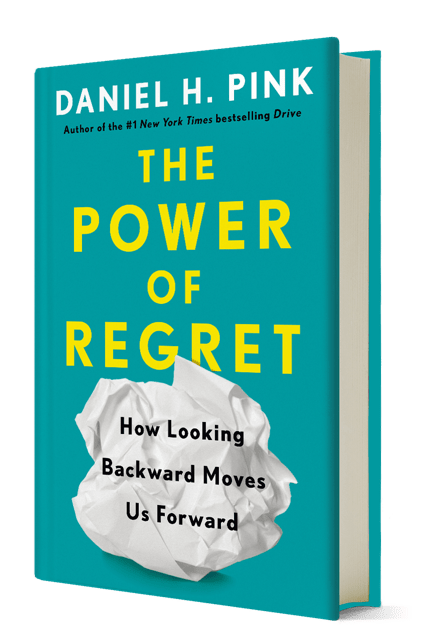
I found myself captivated by the recent Dare to Lead Podcast with author, Dan Pink, discussing his latest book, The Power of RegretHow Looking Backward Moves Us Forward. Dan weaves rich personal stories and extensive research together to shatter the myth of that age-old advice to “live a life with no regrets”.

Dan was so impassioned about the role that our regrets play in transforming our lives for the better that I found myself actually leaning into this conversation and hanging on every word. He believes that regret is our most misunderstood emotion and it can be the pathway to our best life.

I’ve had regrets throughout my life and most often I kept them to myself. I recall conversations with friends who would say they had no regrets. We’d all agree that we wouldn’t be where we were in life without some of those regrettable decisions. But it was this insightful discussion that Dan Pink had with Brene Brown that made me wonder what different paths we might have taken in our lives had we learned the lessons that our biggest regrets wanted to teach us.

If we were operating under the adage of “no regrets”, we probably just licked our wounds, and powered on through life without taking the time to even consider our values. Is it any wonder that we were prone to repeating the same mistake? Or that we doubled down on our fear of taking a risk or speaking up?

Dan explained that what we “regret the most” shows us what we “value the most.”

Brene Brown has also addressed the “crunchy” subject of regret for years. This insight from 2018 captures the essence of her findings about regret:

I’ve found regret to be one of the most powerful emotional reminders that change and growth are necessary. In fact, I’ve come to believe that regret is a kind of package deal: A function of empathy, it’s a call to courage and a path toward wisdom. Like all emotions, regret can be used constructively or destructively, but the wholesale dismissal of regret is wrongheaded and dangerous. “No regrets” doesn’t mean living with courage, it means living without reflection.” — Brene Brown (4/26/18)

Dan Pink’s recent research and latest book dovetail with Brene’s body of work – and throughout the podcast, it was evident that they were both inspired by and in awe of each other’s discoveries. This new, enlightened way of viewing regret is compelling.

I began to reflect on the big regrets of my life through a much different lens. What was the life lesson that was imbedded in each of those regrets? It dawned on me that the process of reflecting on regret is yet another tool of self-awareness and personal growth.

How unfortunate that we were told to bypass it.

Just as we are learning that stuffing our emotions and keeping skeletons in the closet was so detrimental to our family dynamics and our own agency in life, this is another big shift in the arena of self-discovery.

Which comes first — the chicken or the egg? Do we recognize our regrets more readily as we peel off childhood armor — or do we learn from regret that we even have that armor, those outgrown behavioral patterns that are not in alignment with our adult values?

Dan Pink pointed out that the older we get, the more we are inclined to look back and have more regrets about the things that we DID NOT do than the things we actually did do. This makes me believe that as we age, and shed the protective armor, we do get more clarity about missed opportunities. We can see more clearly our failures of courage, failures of kindness, failures to take a risk.

All the more reason to teach the value of processing regret in a timely and productive way, so that when life presents a “sliding door” moment, we are better informed and in alignment with our values so that we make the wise choice. This is a radical shift from living a life with no regrets which bypasses the transformational learning.

In his book, The Power of Regret, Dan reveals that “regret is a marker of a healthy, maturing mind. It is so fundamental to our development and so critical to proper functioning that, in adults, its absence can signal a grave problem.” All the more reason not to ignore regret. Perhaps there is some key to our mental well being imbedded in the life lessons from regret. (Learn more about the scientific research that unpacks this in the chapter “Why Regret Makes Us Human.”).

In the chapter “Why Regret Makes Us Better” we learn something we intuitively know — Burying negative emotions doesn’t dissipate them. It intensifies them. It also reinforces all those behavioral patterns we developed in childhood to keep us safe. The problem is we are wearing toddler sized armor in our adult world.

Dan explains that “rumination doesn’t clarify and instruct. It muddles and distracts. When feeling is only for feeling, we build a chamber from which it’s difficult to escape.”

Dan has a better approach for processing regret — Feeling is for thinking.

Don’t dodge emotions. Don’t wallow in them either. Confront them. Use them as a catalyst for future behavior. If thinking is for doing, feeling can help us think.” — (excerpt from The Power of Regret)

Here’s the big distinction that turns processing regret into a tool for personal growth:

“Framing regret as a judgment of our underlying character can be destructive. Framing regret as an evaluation of a particular behavior in a particular situation can be instructive. ” (excerpt from the Power of Regret)

Brene helps us clarify the relevance of this distinction: “Shame is a focus on self — I am bad. Guilt is a focus on behavior – I did something bad.” Framing regret as a judgment of self reinforces shame. Re-framing regret as an opportunity to evaluate a behavior fosters self-awareness and positive change. Game-changing distinction.

Another correlation between shame and regret is that we really don’t want to experience, or talk about, either. Brene has been sharing with us for decades that shame makes us feel small, flawed and never good enough. If we share it, we feel so incredibly vulnerable. When others share their vulnerability, we view it as courage and daring. In ourselves, we view it as weakness.

Is this why when someone takes that first step — and opens up to us about some of their most vulnerable life moments, we can find ourselves breathing a sigh of relief and discover our own courage? It is this mutual understanding and acceptance that forges deeper connections.

That is precisely what Dan discovered when he opened up and began talking about his own regrets. Rather than recoil, people leaned in! People wanted to talk about it — they wanted to engage.

A remarkable discovery was made about disclosing our regrets. Disclosure is both an unburdening and a form of sense-making. “When we convert these blobby, negative emotions to concrete words, it de-fangs them. It helps us make sense of them,” says Dan Pink. That is a mic drop moment right there!

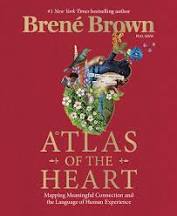
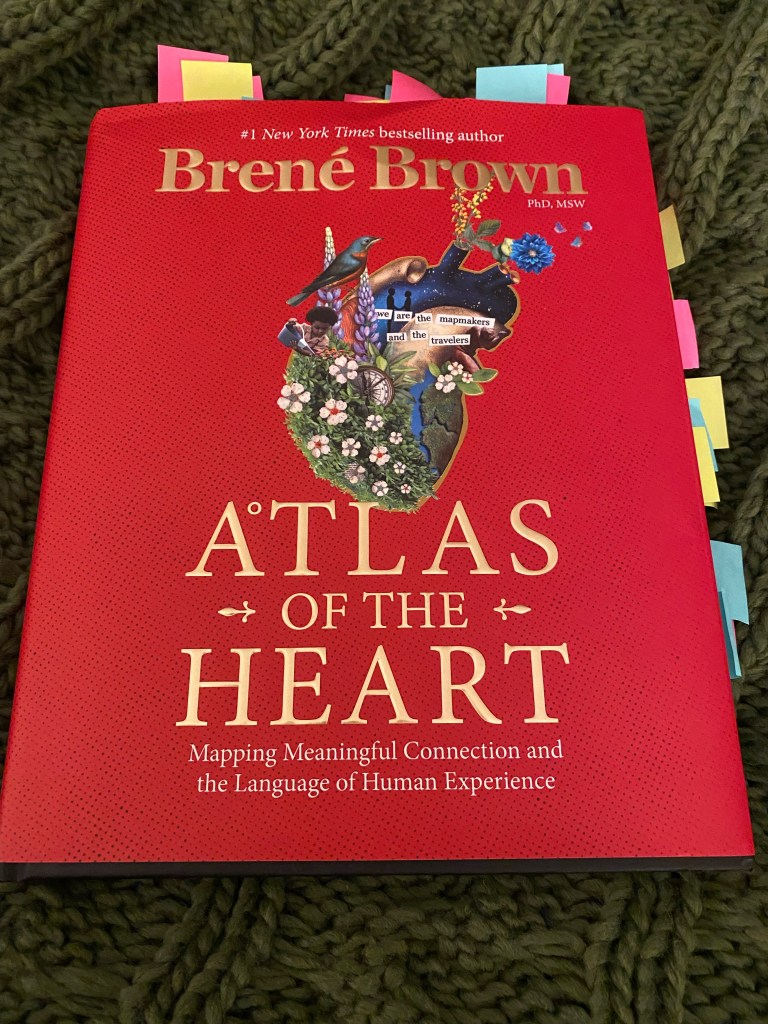
Brene teaches that labeling our emotions correctly is the first step in processing them, and learning from them. Her book, Atlas of the Heart, offers in-depth definitions for 87 emotions so that we can get better at accurately defining them. What we are learning about the misunderstood emotion of regret is that it can be a bucket for many negative emotions, all sloshing around with our values.

So, now we have a “research guide” for an expanded emotional vocabulary in Atlas of the Heart — AND — we have all the wisdom and tools that Dan provides in the Power of Regret to expand our life lessons’ education.

“Our fear is that when we disclose failures, setbacks, missteps of our own, we think that people will like us less — and the evidence is overwhelming, after 30 years of behavioral science study, people like us more. This is vulnerability “ — Dan Pink (stated emphatically in the Dare to Lead podcast). Yes, this is another mic drop moment.

I can share (again) from my personal experience that the above statement is absolutely true. This is precisely what transpired in my Zoom Book Club over the course of two years with a group of women that really did not know each other very well. As we took a deep dive into Untamed, and now Atlas of the Heart, we stuck our toes in the pool and began to share how our own life experiences mirrored what we were reading and discussing. The more we shared with each other, the more we all leaned in, and the closer knit our friendship became. To be quite honest, a group of women scattered across counties and country, with a variety of different backgrounds and experiences have more in common than we could have ever imagined. Vulnerability was indeed the bridge that forged our deep connection.

We haven’t gotten to the chapter on Disappointment and Regret in Atlas just yet, but I have a keen feeling that we will be doing some major exploration and excavation when we do. The more “unburdening and de-fanging” we do, the more space we have in our hearts and lives for purpose and intention.

Dan shares that framing regret as an opportunity helps us transform it — from a leaden blanket to a sharp stick. This image brought to mind just what it feels like when we are emotionally burdened with our armor. I’d trade that any day for a laser pointer on a whiteboard.

Dan’s book is chock full of tips for more effective problem solving and sturdier emotional health — that oddly enough all come from the one thing we’ve been told to steer clear of — REGRET.

What I am enjoying so much about Dan’s book is how he combines his research with heart-opening real life stories from people he interviewed about their regrets. He uses one of my favorite backdrops for revealing how our cracks make us better — the Japanese art of Kintsugi — which is repairing broken pottery by sanding down the rough edges of the broken pieces and gluing them back together with a lacquer mixed with gold. It is not the artisan’s goal to faithfully reproduce the original work or even to conceal those acquired flaws. It is to transform the pottery into something better. The bowls are beautiful because of their imperfections — the cracks make them better. Dan’s gift of storytelling reveals to us how the same is true for us human beings. It is the vulnerability of others as they share their regrets and subsequent life lessons that opens us up to accepting a brand new way of viewing both disappointments and regrets.

RECOMMENDED RESOURCES:

Entangled Behavioral Patterns

Each of us has a set of behavioral patterns that we bring into all our relationships. Our patterns and those of others get enmeshed and we actually create a third dynamic behavioral pattern unique to each relationship. This actually explains why some of our relationships flow so smoothly and others are so challenging. Have you ever wondered why you seem to be such a great communicator in some relationships and completely unable to be understood clearly in others? Could it be that the relationship behavioral pattern dynamic is getting in the way?

If you regularly follow my blog, you know I am a big fan of the enneagram for cultivating awareness of our unconscious behavioral patterns. Being “aware” of our own behavioral patterns is the first key step in understanding how they are impacting our lives — and our relationships. Then, the second step is assessing what is working for us — and what isn’t.

Using the enneagram is one of the “fast track” tools for personal growth. The real gift of the enneagram is that it not only helps us diagnose what isn’t working anymore, it offers us the framework to step out of outgrown, unnecessary patterns and into healthier, more enriching ways to engage in our lives and relationships.

Many of our unconscious behavioral patterns originated in our childhood. The same is true of our values, how we view the world, and how we choose our friends and life partners.

Here’s the distinction however — as we grow and mature, as we gain more knowledge and life experiences, we organically re-assess our values. Our world view expands as we finish high school or college, start a job or career, build a life of our own. We find ourselves learning a lot from our friendships and our marriages. We are in a constant state of change. These change prompt us to re-assess our values, our goals, our impact on others and our overall contentment (or discontentment).

Yet while we are in a constant state of change, accumulating more knowledge and information that informs us about the trajectory of our lives — we are dragging around with us all those childhood behavioral patterns. We actually are using child-like navigational tools in our adult world. Ironically, we often strive hard to build an adult life for ourselves that is quite different from our childhood experiences. Yet our unconscious behavioral patterns can become our biggest hurdles to successfully achieving those goals.

As Ian Morgan Cron states so profoundly in this latest enneagram book, The Story of You, those childhood patterns work well — until they don’t.

I found the enneagram to be just the tool I needed to realize the protective armor of my childhood and the patterns that held that armor in place were no longer needed.

Hindsight truly is 20/20 — Just revisiting a few old memories and events with this awareness brought to light the way I would “help” too much, deny my own needs and harmonize when I should have stood my ground. Even with the best of intentions, the downside of my childhood patterns kept me from growing into a healthier version of my best self. My most uplifting discovery was that a healthy enneagram Type 2 often becomes a “helper” in the most incredible ways — by mentoring and resourcing others in their own journeys of self discovery and personal growth. That was the big push that I needed to address my personal roadblocks.

A very simple and effective tool for starting this needed change is to do the opposite of what you would normally do. Sounds so easy, doesn’t it? It’s not. A lifelong helper almost has to tie her hands behind her back and slowly exit a room when the intense urge to jump in and rescue, fix or resolve an issue arises! It takes a Herculean effort for a helper to actually ask for help — or say no, when she’s overextended.

My friends who are also Type 2’s have become a support group for this purging process. We laugh a lot, we hold each other accountable, and we cheer wildly when we tell stories of how we “responded in a much healthier way” to a familiar event that once pulled us back into childhood patterns.

What I love about the inner work that we can all benefit from doing, is that it frees us up and creates so much space in our hearts, minds and lives. A mindfulness tool that I’d been trying to implement was “not to take things personally.” As I read about each of the nine types, it became the knowledge base I needed to lean hard into this practice. The more I learned how each of the nine types often “show up” in life, the greater was my awareness of how other’s childhood patterns were impacting their adult lives. Not only did that free me from “taking things personally”, it also increased my empathy for others on several levels. (The seeds of my becoming a more effective “helper” were nurtured in this process.)

This brings me back to recognizing just how entangled we can get in each other’s behavioral patterns. If you feel like you keep buying a ticket to the same “merry go round” when it comes to relationship issues, this just might be an insightful starting point.

Let’s take a look at what might transpire when our old unconscious behavioral patterns get enmeshed with someone else’s.

If a peace-maker and a challenger forge a relationship, you can bet that some friction and fireworks are quickly invited along for the ride. The “challenger” who loves a heated, feisty argument in order to work things out will become a steamroller for the “conflict avoider” who just wants harmony and peace above all else.

It’s likely that the conflict avoider will not speak up and will choose to acquiesce to the needs of the challenger. This will feel like the path of least resistance to a peace-maker. Meanwhile the challenger might get bored and frustrated by that approach. A challenger thrives on high energy, some conflict and a good, heated discussion.

If both of those people double down on their old patterns, a conflict avoider may withdraw and stuff their emotions. A blind spot is not acknowledging and expressing their needs. The challenger might be perceived as nagging and controlling. The challenger is likely to keep bringing up the issue at hand, making more points, turning up the heat, refusing to back off. A blind spot is not recognizing that this approach pushes away the connection and understanding they are seeking. The peace-maker might be perceived as insensitive, unsupportive and dis-engaged.

Can you begin to see how these old patterns get in the way of building a strong, fluid and trusting relationship?

It often isn’t the person we care about that is the problem. It’s outgrown, unhealthy behavioral patterns that prevent us from really getting to know each other, what we need and how best to support each other. We may have common interests, shared core values and similar hopes and dreams, but without peeling back some of our history, we may have a hard time getting on the same page and building a strong relational foundation.

By the way, this is true for all our relationships — be it parent, sibling, partner or friend. If you spend some time reading about all nine types of the enneagram, you will discover deeper insights into the people you think you know pretty well. At the very least, it will create a little more awareness about behavioral patterns and how they show up in our responses to life. A great primer for this can be found at The Enneagram Institute online (https://www.enneagraminstitute.com)

Under the “Learn” tab you can read descriptions of each of the nine types. I especially find the “Levels of Development” section for each type to be so helpful for anyone that wants to shed the childhood navigational system and upgrade to a more mature, self-aware version.

Also under the “Learn” tab, you will find “The Enneagram Type Combinations.” This is one of my favorite resources for cultivating more awareness about how different types interact with each other. You can click on any combination of types and learn what each type brings to that relationship combo as well as learn about potential troublespots. This invaluable resource is the equivalent of having a detailed nautical chart, channel buoys, and a lighthouse to skillfully navigate our relationships with others.

Cultivating more self-awareness helps us discover the places where we get snagged by our outdated, outgrown navigational system. It is an invitation to take a long hard look at how our childhood armor and the behavioral patterns that hold that armor in place just might be the reasons we are having such a difficult time showing up as our best selves in the meaningful lives we are working so hard to build.

RECOMMENDED RESOURCES:

Elizabeth Earnshaw is a Gottman certified therapist and an outstanding resource for couples who are committed to a thriving and fulfilling relationship.

Follow Liz on Instagram for more insights like this: @lizlistens

A primer for the Enneagram by Ian Morgan Cron
Ian’s most recent book – Helping you “re-write” your childhood story into a more evolved one for your adult life.

The Transformational Power of an Apology

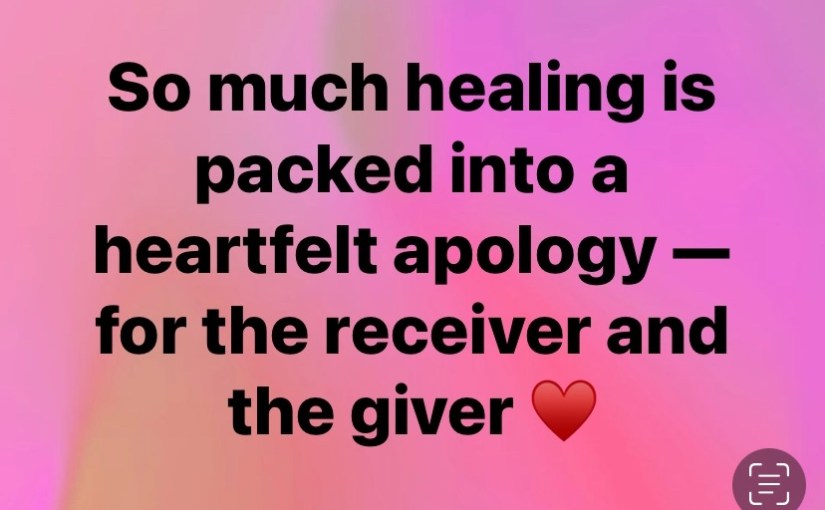
Some of the greatest gifts that come from a sincere apology are the release of pain, the freeing of false or limiting beliefs, and true clarity about the events and behaviors that were often made very murky by big emotions. An apology offers these healing gifts to both the Giver and the Receiver.

A recent conversation with my book club about an emotional episode of This is Us revealed just how many of us have been impacted by apologies that were never offered.

I’m talking about the kinds of apologies that could shift an entire family dynamic in a dramatic and positive way.

The recent This is Us episode entitled “Don’t Let Me Keep You“, is a case study for dysfunctional family dynamics — and how it sets into motion adaptive behavioral patterns to navigate volatile home environments. As I watched Jack’s dad causing so much pain for his wife and his two sons his children due to alcohol addiction and unchecked anger, I could literally feel my own emotions rising up to match those of his wife and children. The empathy and sadness I felt for them came from my own lived experiences — for I have been both the child and later a spouse in emotionally volatile family dynamics. Many of my friends had similar lived experiences. This episode of This is Us brought many memories to the surface where we shared our emotional stories with each other. We also explored how the trajectory of our lives might have changed had we received a transformational apology.

There was a poignant moment in that TV show when Jack is giving his eulogy at his mother’s funeral and he stated the raw truth that resonated so deeply with me and my friends — “no matter how far away you move, no matter how old you get and how much you rebuild a new life for yourself, a piece of that childhood story stays with you forever.”

I thought about the power that Jack’s dad had to release that whole family from so much fear, pain and trauma. If he’d owned his bad behavior and addressed his demons, he would have helped himself, his wife and children — and freed them from dragging around so much baggage that hung like a dark cloud over their lives for decades. He could have saved his marriage. He could never have lost the lifetime of chances to be a loving, supportive father to his sons. He could have known his three grandchildren.

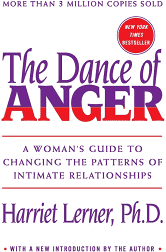
“Apologize to your children. Children have a strong sense of justice and suffer when a parent’s defensiveness invalidates what the child knows to be true.” — Harriett Lerner

Jack’s dad stayed mired in his addiction and old story for his entire life — estranged for all those decades from his family.

Jack’s mom spent most of her life living in fear, always looking over her shoulder wary that she was not safe. She sacrificed being the kind of mom she really wanted to be for her young children, trying her best to protect them from harm while she herself was constantly in harms way, both emotionally and physically. Later in life, when Jack was a young adult, he rescued his mom. He moved her out of the house and her abusive marriage. I imagine she felt ashamed for needing her son in this way. She probably did not want to be a burden and we see their mother-son relationship devolve to once a week, brief and awkward phone calls. (Hence the title of this episode — “Don’t Let Me Keep You“) Even when she visits Jack and Rebecca and their three babies years later, she is uneasy. She fears that Jack’s dad will know she is there and show up and she is scared. The chasm in her relationship with her son, Jack, creates so much unspoken tension. All the things that they have swept under the carpet for decades makes for a very lumpy, bumpy mother-son dynamic. Both of them needing each other and neither knowing how to express it. They never really find their way back to each other.

Another poignant moment in Jack’s eulogy was when he shared in a very vulnerable way the hard life they had with his dad — and that “they were just doing the best they could.” This was the moment that broke me, warm tears streaming down my face. One man’s hurtful actions put into motion a chain reaction of heartaches and emotional roadblocks for his family. They were “doing the best they could” in an unhealthy environment. How would their lives have been different had Jack’s dad held himself accountable for his toxic behaviors?

Imagine the unhealthy behavioral patterns and protective armor that Jack and his mom adopted out of necessity. As Jack so openly acknowledged, even when they changed their environments, the scars from their lived experiences stayed with them always.

If you are a fan of This is Us, then you know that Jack later struggled with alcohol. He was in constant conflict of trying to numb his pain (both past and present) and not wanting to become his dad. Jack’s younger brother, Nicky, also struggled with drug and alcohol addiction, with big insecurities and low self-esteem. He led a very troubled life for years. Addictions are often passed from one generation to another. So are the unhealthy behavioral patterns we develop to keep us safe. Children are like sponges, soaking up what they watch their parents do. How parents “show up” for each other and their children forges their own patterns.

What causes people to hurt others in such obvious ways and never offer an apology?

Surely they must know in their hearts that their actions caused a lot of suffering (including their own, no doubt). Jack’s dad had to know this. He had to have some awareness of all the collateral damage to his family.

Apologies matter. Accountability matters. Both can change the course of our lives.

I have lived and witnessed this same unfortunate scenario in my own family — and I see the lingering emotional baggage as well as limiting, false beliefs instilled in innocent people. Another’s hurtful behaviors deeply impacted lives, disrupted parental and sibling relationships, and strained family dynamics.

It made my parenting job harder. I was left to mend a heart I didn’t break, rebuild self-esteem I didn’t shatter, and the most challenging of all — instill and maintain TRUST. Trust is the strongest glue of relationships and when it has been broken repeatedly, it takes a Herculean effort to re-establish and repair the damage. In my child’s case, the lingering lifetime impact will always be repeatedly testing relationships for trust.

I sometimes imagine what a genuine apology would have meant to members of my family decades ago. I imagine the healing that could have come from such a gift. What memories we would have made together without so much baggage and conflict. How we could have supported each other through adversities in meaningful ways.

It is human nature to feel very vulnerable when we know we’ve hurt someone. We want to avoid those feelings of remorse, guilt, shame. But hiding from them, or sweeping them under the carpet, will not make them fade away, or even loosen their grip.

This may be hard to believe, but it is true: The fastest route to releasing those painful emotions deep within us is a heartfelt, meaningful apology. And a timely apology will also save a lot of heartache and pain.

When we have been hurt, we usually create a false narrative to help us make sense of what happened to us. Those false narratives have deep roots in our personal history. We may inadvertently double down on our feelings of unworthiness, or of being unloved or not valued. We may become unnecessarily freaked out or distrusting. Someone else’s hurtful actions can trigger our insecurities and old stories. It’s so hard not to get entangled in all of that emotional baggage. This is one of the most prevalent reasons it is invaluable for apologies to be timely. A swift, meaningful apology can stop that emotional snowball from rolling down a very slippery slope.

Apologies that are never forthcoming can deepen the scars of our lived experiences.

It’s no wonder that we can get snagged on the broken parts of our life stories. Many times what we believe to be true gets reinforced through similar situations that often play out the same. Many unhealthy behavioral patterns we developed in childhood could have been avoided with a meaningful apology and honest accountability by the adults in our lives.

The lessons we can learn from this insightful episode of This is Us — and from our own lived experiences — is that awareness, accountability and apologies can make an empowering transformational difference in family dynamics.

Cultivating self-awareness helps us recognize when we are defaulting to old behavioral patterns that no longer serve us well and are not needed for the life we are now living. We can free ourselves from being entangled in our old stories and have agency over how we respond to others and to circumstances. We can step out of old patterns and into alignment with our own core values.

As we become more self-aware, we more naturally cultivate more empathy and “other” awareness too. This helps us show up for others in more mature, calm and relatable ways. It becomes easier to “treat others as you would like to be treated.” There will always be conflicts and disagreements, and they can be discussed and resolved with dignity and respect.

Accountability is such a huge part of healthy relationships. Brené Brown has brought to our attention that we often don’t hold others accountable because of our own discomfort. To get over that hurdle, begin implementing boundaries as a powerful tool for making clear what matters most to you — and what you need in order for a relationship to work.

Too often, we fear speaking up and asking for our needs to be met, so we just accept other’s behavior — until we reach the breaking point. By that time, the relationship can rarely be salvaged. Nedra Tawwab teaches us if someone expresses a boundary to us, it is a clear sign that the relationship matters to them and they have a strong desire to repair it. Think about that the next time someone expresses their boundary to you. It’s a great gauge of how committed you are to someone.

We can’t let our fear or discomfort keep us from holding others accountable for how they are impacting our quality of life. There are consequences for bad behavior and hurtful actions. Who is paying the price of those consequences?

A sincere apology has the power to heal and strengthen a relationship. Dr. Dan Siegel calls this “rupture and repair”. We are bound to make mistakes, for we are human. When we know we messed up, hurt someone or could have handled a situation better, it is time to apologize. An earnest apology shows that you care about the other person and about the relationship. An apology that is backed up with changed behavior becomes solid foundational webbing that builds trust.

Rupture without repair leads to a deepening sense of disconnection. As Dr. Seigel explains, if ruptures continue and they are not dealt with, it will affect a person’s sense of self. This is precisely why those apologies that are never offered create so much collateral damage. That lingering collateral damage can follow us far into adulthood.

Even if two people agree that they are no longer compatible and that their friendship, marriage, parental or sibling relationship should end — apologies are in order and can go a long way for both parties to heal.

Personal accountability for actions and behaviors reveals our character and core values. When we own our mistakes, it’s a sign of maturity and awareness. If we choose to work on change, it is a sign of a commitment to learning from our experiences.

There is incredible transformational power in a genuine, heartfelt apology. Imagine a brighter future for our young children if we can launch them into adulthood without unnecessary, undeserved emotional baggage.

“The best apologies are short and don’t go on to include explanations that run the risk of undoing them. An apology isn’t the only chance you ever get to address the underlying issue. The apology is the chance. you get to establish the ground for future communication. This is an important, and often overlooked, distinction.” — Harriett Lerner

RECOMMENDED RESOURCES:

This “grab bag” episode of questions from Being Well listeners touches on so many of the questions most of us have about family dynamics, making big financial decisions, and healing from painful childhood experiences https://www.youtube.com/watch?v=6xAd4-KXrUQ&t=2279s

Check out this episode of The Happiness Lab to learn about “guilt” and how it can very insightful in understanding how our actions and even emotions — can impact others:

https://www.happinesslab.fm/2022-new-year-mini-season/when-guilt-is-good-and-when-its-not

Greater Good Science Center, Berkley, CA:

Article and Video on Making An Effective Apology https://ggia.berkeley.edu/practice/making_an_effective_apology

My Personal Tribute to Thich Nhat Hanh

This post has been inspired by the many teachings of Thich Nhat Hanh that landed in my heart when it was bruised and broken six years ago. His tender insights became both a soothing balm and a guide to finding a new path forward. Thich Nhat Hanh died on January 22, 2022. He was a beloved spiritual leader, poet and peace activist.

Although I had read some of Thich Nhat Hanh’s inspirational quotes in the past, it was in 2015 that his mindfulness teachings took root in me. All the brokenness I was feeling so deeply actually opened me up to the lessons I needed to learn.

The quote that you see on the right was the very first image I imbedded in my newly launched blog website on the home page in 2016. When I gaze at that image today and I take in the words he so eloquently offered, my healed and expansive heart just fills with gratitude.

I can recall very clearly how I was feeling back then. I instinctively knew that I needed a calm, peaceful and nurturing environment to find some ballast. I gave myself just that in the form of personal autonomy and a house I lived in alone. Unfortunately, painful memories and emotional confusion after ending an unhealthy relationship had moved in with me. I needed to unpack and purge a lot of baggage if I was going to gain any traction with healing from heartache.

I took great comfort in listening to Thich Nhat Hanh’s soft and soothing voice each morning while sipping my morning coffee. He always chose his words with such great intention. While his lessons were so powerful, his tone was gentle. He became a source of healing, one little parable at a time. He also became a source of inspiration and hope — for his own personal story was so compelling. He too had come from such a broken place. Yet here he was — a world renowned teacher for overcoming adversity and heartbreak. A tender, compassionate guide for evolving beyond what has happened to us.

I chose that first quote for my blog website with great intention. Mindfulness was the very first tool that I discovered as I sat alone, trying to sort out the pieces of my life, and put myself back together — a little better than I’d been before. “When mindfulness embraces those we love, they will bloom like flowers.” My inner work journey began with mindfulness and self-love.

This quote expands on the insight that “hurting people hurt people”. Thich Nhat Hanh offered so much clarity about human behavior — why we push away what we want the most, or project our own fears and emotions onto others, create double standards, lack empathy or are unaware of our blind spots. Again, it was his simple stories that brought these debilitating personal obstacles into greater awareness.

When I discovered the enneagram, this quote resonated even more deeply with me. Learning about the various behavioral patterns often adopted in childhood opened my eyes and my heart. Once I understood the core fears and patterns we use to secure the love and sense of value we need, I found myself able to offer forgiveness and compassion to those who had hurt me in the past. Just this knowledge alone offered answers to questions that had been on my mind and heart for years about why grown people behaved as they did. This deep wisdom from Thich Nhat Hanh awakened my curiosity and empathy for others.

I am still reflecting on this quote today as I continue my personal growth work. In the past, my own outgrown behavioral pattern of helping too much meant that I could become an enabler. While I did not mean to do so, I could disempower someone by swooping in to fix, rescue or take on a consequence that was not mine. My nature is to help others, and now I am learning healthier, more meaningful ways to do that.

One of the greatest gifts I have given to myself is “letting go”. This was one of the hardest parts of my inner healing work yet it provided me with so much room to grow.

I started with letting go of the cravings I had to numb my heartache and disappointment. As Brene Brown teaches, when we numb our pain, we also numb our joy. So I stopped numbing and avoiding the painful emotions — and I journaled furiously. I learned a lot about by myself and I processed things that had bogged me down for decades. And guess what, I did feel lighter and much freer – emotionally. I even came up with a quote of my own — “Letting go frees up a lot of real estate in my heart and mind.”

Another way that I embraced letting go was reminding myself that “I am not attached to the outcome.” I am well aware that having a sense of control was a “go-to” strategy for me when life hit a rocky patch. Yet the reality is that often things are not within my control. This simple phrase reminded me to accept what was unfolding in life. The one thing I can control is how I chose to respond, to show up in those moments of upheaval. What has shifted dramatically for me is that I now have more energy in reserve by not trying so hard to control things. I can tap into that energy for my responses to life’s challenges

I have another helpful quote that I created to remind me to let go when I feel like I want to pull something or someone very close to me, but know what is truly needed is space, a little room to figure things out without interference. This one is “Let out a little kite string”. I love the image — and the feeling — of releasing taut string from a spool in my hands and watching a colorful kite dance freely in a gentle breeze. That image translates so well for me — I can envision how it feels to someone to have that freedom of space to process things for themselves. I believe many of our goals and our relationships ebb and flow throughout our lives, and when we cling too tightly, it feels restrictive. Letting out the kite string means offering space for creativity and reflection — and trusting that what is meant for us will come to us.

This final quote I share today is the one that guides me each and every day. It reminds me of Maya Angelou’s quote “When someone shows you who they are, believe them the first time.” I have been through some heartbreaking adversities in my life, and what I am most proud of is that I did not let them harden me. If anything, through all the work I have done over these past six years, I am more softened and opened than I have ever been. And I am also more steadfast in my core values. It feels good to be on a path that enriches my life everyday. This simple quote from one of my beloved teachers encourages me to be mindful of my actions, for they are a true reflection of what I have learned from this incredible life.

The final image I share is a reminder that we are forever connected to people we love and who remain our teachers long after they have left this earth.

RECOMMENDED RESOURCES:

Thich Nhat Hanh, Plum Village

https://plumvillage.org/about/thich-nhat-hanh/

Building Blocks for Better Stories

There have been a few common themes popping up among my favorite motivational resources recently: Cultivating greater self-awareness, expanding our understanding and language around emotions, and the impact of our stories on how we navigate life.

In my last blog post, Re-Writing Our Story, I revealed the insightful discoveries I made when I revisited my own childhood experiences through the lens of all the inner work I’ve been doing. I went searching for the seeds of the navigational coping skills I used to make sense of my life — and I found them.

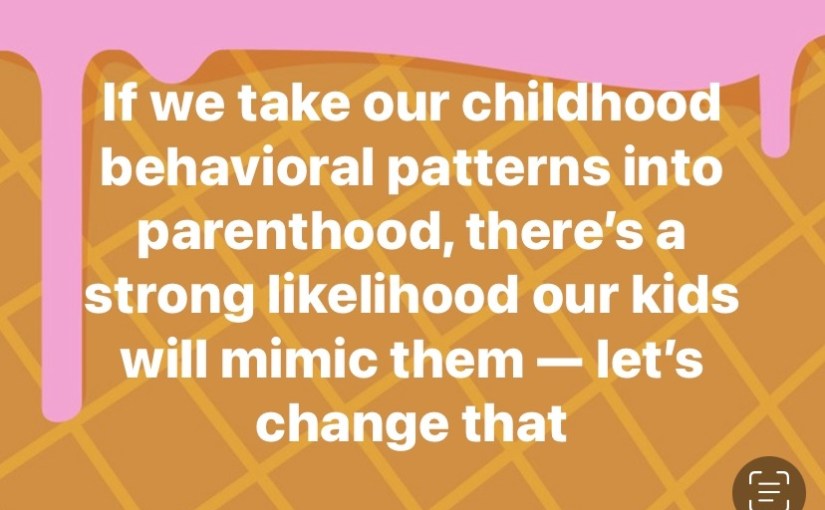
It dawned on me that not only do we devise unique coping skills to help us make sense of things we are too young to understand, we often mimic poor behavioral patterns of our parents when we are young. Some of this is by osmosis, some of it is by keen observation. This “aha moment” was a clue to one of the ways that we can better support younger generations. Recognizing our outgrown behavioral patterns and working on them earlier in our lives, would break that generational “handing down” of unhealthy strategies for navigating life.

In one of my prior blog posts, I shared that I went into parenthood armed with a dog-eared copy of Dr. Spock, a list of things my mom did that I would never do, and a fairy tale-like image of what I anticipated motherhood would look and feel like to both me and my children. Looking back, I wish that someone would have better prepared me for parenthood by helping me recognize the childhood behavioral patterns that were no longer needed. I set out to make a better life for myself and my family, but I was unnecessarily encumbered by those patterns.

I vacillated between believing the story I had crafted in childhood and trying to defy that story. On any given day, I could lean heavily into one — or the other. On the one hand, I accepted the fact that I had a dysfunctional childhood and was not so well equipped or educated to enter into adulthood — and on the other hand I would draw on my resilience, optimism and strong desire to learn to stand my ground and pursue a plan or goal with a vengeance.

Oddly enough, it must have been those childhood behavioral patterns that kept me tethered on that see-saw. What I needed was someone to really listen to my story and then help me to re-write what was no longer needed or serving me well. A boost like that would have helped me gain some balance and pointed me in a clear and better path.

Have you ever looked at one of your children and saw yourself reflected back? I know I did. Today, I can look back at my middle son and clearly see the behavioral patterns he adopted from me — harmonizer, helper, easy-going. And I can also see the roots of those patterns that gave me some parenting challenges. He had a really hard time making a decision. It often frustrated me. Now I realize that he was most likely putting all his choices through the filters of what others wanted.

This is one small, yet very relevant, insight into what I am discovering about learned behavioral patterns. I was a people pleaser. I had a hard time expressing my own needs and my fear of those needs being rejected kept me quiet and compliant most of the time. My son adopted that same coping style, most likely through osmosis. It served him well in childhood, and helped him create a safe cocoon when his feisty siblings created chaos. When he was an adult, I would often wonder why it took him so long to make a hard decision — one that seemed rather obvious to me. Now I realize that the behavioral pattern and his filters for what others needed were clouding his ability to stand his own ground and honor his own needs.

Today my daugher looks at her young children and readily recognizes the ways that they are like her. Some of their behavioral patterns are so familiar to her yet she also knows that those didn’t serve her so well — even in childhood. We have some of our best conversations diving into understanding her children and their unique personalities, reading and learning how to parent with better emotional tools, and giving them the best environment to be their true selves.

My friends and I openly discuss how we are striving to help our adult children discover and learn better parenting skills than we had. We also recognize the role we can play in providing scaffolding for both our adult children and our grandchildren in this new landscape. The more we become keen observers of behavioral patterns, cause and effect, and how we “show up” in those moments for these little children, the more likely we will break the generational chain — and the greater opportunity for our young people to enter adulthood without childhood baggage holding them back.

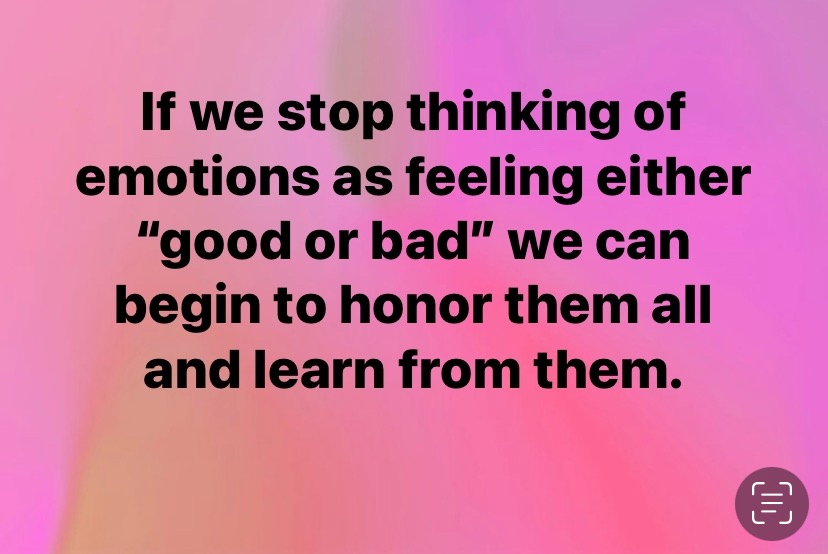
Another area where we can make an impactful difference is by teaching our children that emotions are an invaluable part of their lives — and they are helpful teaching aids that deserve our attention. No more dismissing what a child is feeling, no more assuaging with candy or toys, no more shaming.

When we know better, we do better, as Maya Angelou reminds us. And now thanks to neuroscience and psychological research, we know that unprocessed emotions (especially painful ones) never go away and become the birthplace of poor emotional regulation, harmful coping methods, lifelong emotional triggers, and cumbersome emotional baggage.

One of the most impactful shifts we can make is to change our perspective about emotions. Emotions are the drivers of our lives — that is just how we are hard-wired as human beings. While we have the most incredible brains and the capability of thinking and creating in extraordinary ways, it is our emotions that often derail us from our greatest potential and satisfaction in life.

Imagine how transformational it would be if children learned that it was essential to express their emotions? Emotions are neither right or wrong. They are simply what we truly feel, in that moment. What we often do not recognize as parents is that our child’s emotion is their internal warning system telling them that something does not feel right to them. It could feel scary, dangerous, unfair or unpleasant. Our emotions are the indicator signals tied to our basic needs and values. Kids (like all of us) need to feel safe, to be seen and heard, valued and loved.

Dr. Dan Siegel has written an incredible book, The Power of Showing Up, to help us all become better parents and grandparents for our children. It is how we “show up” when our children’s emotions hit them. How we respond changes everything. How we role model emotional processing and emotional regulation reinforces all the good things we are teaching them to understand about themselves and others.

In her newest book, Atlas of the Heart, Brene Brown introduces us to an expanded vocabulary for the myriads of emotions that we human beings experience. Our children often grow up only knowing a few words to describe a multitude of the emotions they feel. Those 3 words are mad, sad and glad.

But within each of those three simple words are many nuanced emotions that we really need to understand better. In fact, if we can label those emotions correctly, we can process — and learn from them — in a meaningful way. We can help our children learn to express disappointment, envy, embarrassment, fear, pride, fearlessness and joy — and so much more. We will all benefit greatly from expanding our language and our definitions of our vast array of complex emotions.

My six year old granddaughter was recently sitting in her car seat, deep in thought. When she spoke, she described three distinct emotions she was feeling. Then she sighed, smiled and said “I think this is a learning experience for me and I think it will help me be patient.” (Note to self — never underestimate the power of a young child to learn!)

Lately I have been finding new ways to reinforce how important feelings are when interacting with my grandchildren. I tell them that I respect how they are feeling — in the moment. “I respect you, buddy, and that you are feeling angry and disappointed right now.” Even though we cannot often change the reality of the moment, taking that time to respect how he feels, to hear him out, often is just enough to diffuse big emotions. It doesn’t mean we can — or should — fix a situation. It might be a lesson in disappointment. It is these tiny moments that help to build emotional agility and resilience.

There is one more area that deserves some attention — fostering a growth mindset versus a fixed mindset for our children. It’s another area where language really matters. We often tell our kids that they are good drawers, good skiers, good singers. The language we use focuses on the child — defines them. Research shows that we should be using our accolades and encouragement to shine light on the “process” that our kids are using for drawing, for learning a new skill or sport, or for the pure pleasure of belting out a song.

We can inadvertently set our kids up for a fixed mindset if we aren’t careful. The beauty of a growth mindset is that it takes away the limitations we often place on ourselves and frees us up to try new things without feeling we need to excel or master them. It is the “process” of learning something new that we find stimulating and enjoyable and very fulfilling. Cultivating a growth mindset in our kids really opens them up to possibilities and agency over their choices in life. (You can learn more about ways to encourage a growth mindset for yourself and children from The Happiness Lab podcast episode I share below in Recommended Resources.)

I’ll wrap this up by summarizing how integrated resources that are becoming more accessible and mainstream will help us all navigate through life a little easier, less constrained, and more fluidly:

  • Cultivate greater awareness of behavioral patterns. Take stock of your own periodically and assess if they are serving you well in your current stage of life.
  • Learn from your emotions — they offer so much guidance to keep you in alignment with your needs and your values. Expand your emotional vocabulary.
  • Foster a growth mindset — give yourself the freedom to try new things without letting your inner critic get in your way. Have fun on the journey and enjoy the process.

The bottom line is that we are emotional beings who keep moving through life with experiences of all kinds. We can make a choice to keep learning, re-assessing what is working and what isn’t from time to time. And we can make a difference in the lives of others, by sharing what we are learning and helping others have an easier path.

RECOMMENDED RESOURCES:

This Being Well episode is Entitled How to Break Your Old Patterns. I have shared often that the Enneagram is such a great resource for learning about behavioral patterns common to many of us. Well, knowing your behavioral patterns are one thing — breaking them is quite another. This episode is chock full of relatable ways to recognize and free yourself from behavioral patterns that just aren’t working.

Click the link on the left to watch this episode.

Check out this Happiness Lab Podcast on How to Adopt a Growth Mindset with David Yeager, a psychology professor at UT-Austin and Dr. Laurie Santos.

The Power of Knowing What You Don’t Know

Re-Writing Our Story

A recent Typology podcast with Ian Cron inspired me to do a little more forensic excavating into my own childhood story. It was Ian’s comment that we need to go back and uproot that old childhood narrative that no longer serves us well as adults that motivated me to do so.

The striking difference in my approach to this unearthing project had quite a bit to do with gaining a deeper understanding. It wasn’t just about healing from painful events that happened to me, it was more evolved than that — it was shining light on parts of my family’s story that had remained in the dark for far too long. It was the very first time that I could go back and revisit a poignant memory and recognize the deep roots of behavioral patterns when they were merely seeds.

When I was about three or four years old, we lived in a second floor apartment of an old house in a tiny quaint rural area. There was a little square sandbox in the backyard and one large maple tree. Most mornings, my mom would put me in that sandbox all by myself and return to our apartment, cigarette in hand. A neighbor had a nasty little dog that roamed freely in this backyard and I was frightened of this yipping, biting four-legged terror. My mom would arm me with a closed child’s umbrella every time she put me in this sandbox. Then she’d leave me — alone.

In the past, when I would revisit this memory, I would be sad for that little girl. Mostly I would focus on how I would have handled things differently as a mom. I’ve even used those tools of revisiting that memory and imagining swooping that little blonde-haired girl into my arms and assuring her that she was safe.

But today I was on a quest to discover the seeds of childhood behavioral patterns – those patterns we develop to make sense of our world and navigate our little lives as safely as possible. This is the deeper exploratory work that the enneagram inspired me to do. That one little vignette from my early childhood provided many clues.

Picture a few conversation bubbles placed over that sandbox scenario that go something like this:

Why am I alone in this sandbox? My mom can’t possibly hear me or get down here fast enough if I need her.

I am scared to death of this terrifying dog. Who is going to protect me?

I’m supposed to use this umbrella to hit that dog? I can’t hurt that dog even if I am scared to death of him.

Being alone in this sandbox day after day with that scary dog is not my idea of fun. There is no way I can play while I am constantly on the alert for danger.

Why does this same scenario play out over and over, day after day, even when I have told my mom that I am unhappy and afraid? My crying and pleading never bring any changes.

As I teased apart each of these conversation bubbles, I found the seeds for which I’d been searching. I also discovered the familiar framework that I grew up in — a template for the repeated cause and effect of our rocky family dynamics. My childhood behavioral patterns were deeply engrained by unconscious and unchecked parental actions that repeated themselves for years.

I have a vast collection of vignettes similar to my sandbox story where I was either left to fend for myself or that the consequences of asking for help resulted in a punishment far worse.

What I did not intellectually comprehend through most of my childhood was that I was afraid of my mother.

I’m beginning to see one of the ongoing internal conflicts that led to blind spots in my adult relationships. As a kid, I struggled with being afraid of the one person whom I was supposed to trust and who was supposed to protect me. Was this the origin of feeling not worthy, not valued? Was it part of why I found it so hard to hold others accountable for inappropriate behaviors?

I now realize that another parental complication was also in play: I was mad at my dad for not standing up for me and protecting me while simultaneously empathic and understanding that he was in the same boat — he too was afraid of my mother. Unknowingly I may have adopted some of his ineffective coping strategies. Some of those strategies made it easy for both of us to be controlled or manipulated. My mom had “power over” us.

A few of the childhood patterns that I came to rely on were people pleasing, hyper-vigilance, trust only yourself, don’t complain or ask for your needs to be met, keep the peace at all costs. I am a Type 2 on the Enneagram — aka The Helper.

When I became a big sister, most of my early coping patterns were amplified in order to protect my younger brothers. Adding more children to the unhealthy and stressful parental dynamic only made a dysfunctional template stronger. Now I was not only protecting myself, I took on the hefty responsibility of looking out for my innocent younger siblings.

This forensic excavating that I did was so incredibly catharttic for me. I was just a little kid trying to make sense of things that did not make sense. I even gained some invaluable insight about my brothers as I looked back on our childhood. Both of my brothers also found their own ways to navigate our volatile home life which resulted in behavioral patterns and coping skills unique to each of them. For the first time, I think I understand the root causes of my youngest brother’s short and very troubled life.

When I first discovered the enneagram as a valuable tool for my self-discovery and personal growth, a sense of great relief washed over me. I felt seen, heard and even understood as I soaked in all that I was learning about my type. I laughed and I cried as I recognized lifelong behavioral patterns and began to understand why I adopted them. But at the same time, I could see where these childhood patterns had not served me well in adulthood. I let people take advantage of me. I accepted behaviors and stories about me because I believed I didn’t deserve better. It was hard to dispute the fact that I came from a pretty messed up family. That was the hard truth. Yet there was another truth that brought me so much comfort and encouragement to change — We are not our broken stories.

In the recent 3-part Sister Series of Unlocking Us, Brene Brown and her twin sisters, Ashley and Barrett, openly discuss their childhood experiences and the behavioral patterns that they developed as a result. Brene, being the oldest of four, became the “protector” and developed a super power of being able to read a room and moods. She was a hyper vigilant observer of others and always at the ready to do what was needed to protect her siblings from the fallout. This honest, heartfelt conversation between siblings underscores that we all have recognizable behavioral patterns that developed from seeds that were planted in childhood.

The enneagram is a field guide for behavioral patterns. It helps us define them and make sense of our own. With increased awareness of specific patterns, we begin to see, and feel, when they arise in our day to day lives. It is from this vantage point that we can figure out if those patterns are really serving us well in our current stage of life.

This brings me back to Ian Morgan Cron’s podcast about uprooting our childhood stories, and writing a new story. Again, the enneagram is such a helpful tool for crafting this new story — because if you use it to help you move toward the healthy end of your type’s spectrum, you will be cultivating your unique gifts, talents and strengths in a way that fosters your personal growth. Changing our outdated, outgrown behavioral patterns is the uprooting process. It opens space in our inner gardens to give the good seeds –the best parts of ourselves — room to grow. Without the heavy dark shadow of old patterns, light and fresh air fall onto the best parts of ourselves. This is how we get out of our own way! This is how we craft a better story for our evolving lives.

There is another thread to my recent excavation process that is worth noting. I don’t think we go out into the adult world openly stating “I am less than or I am not worthy.” I think those buried beliefs are wrapped up in shame. We are ashamed or embarrassed of our broken stories. At 18, I could not deny that my family history was messy. So two things happened: If someone reminded me of that truth, I relegated myself to the second-hand bin of life. The bar had been set low and I just acquiesced and kept my dreams small; or, I kept my family story hidden and fought really hard to push that bar for my own life beyond those restricting limits. In the middle of those two scenarios was a whispering self-doubt, keeping me tethered to my old story.

Are you beginning to see how old patterns, old belief systems and avoiding emotions are inter-connected?

We have such a rare and inspirational opportunity right now to combine the wisdom of the Enneagram with the body of work that Brene Brown offers on Emotions in Atlas of the Heart. These two invaluable resources have the potential to dramatically improve our self-awareness and our understanding of who we really are and what makes us tick.

This post is part one of my excavation discoveries. In my next post, I will share what I’m learning from my research and my friends about how we can help prevent childhood narratives from trapping our children and grandchildren. I am very excited about all that we are unearthing in our own personal growth journeys that will help others on their own paths.

RECOMMENDED RESOURCES:

Ian Cron’s latest book on the Enneagram – and a great resource for re-writing your own new story
Listen to this episode on childhood stories
https://www.youtube.com/watch?v=Ul0U5JLjU0Y
Beatrice Chestnut’s latest book – written as an introduction to the Enneagram . Beatrice is a renowned Enneagram expert and a friend of Ian Morgan Cron. Dr. Dan Siegel – author of MindSight and the Power of Showing Up , writes the forward for this book!

Expanding our Emotional Vocabulary

Unpacking the multitude of mysteries around our human emotions could be a daunting task — and yet the more we really understand, the more intriguing it becomes. For starters, Brene Brown’s research revealed that most of us operate under the guise of three basic emotions — happy, sad and angry.

In her newest book, Atlas of the Heart, she unearths 87 emotions and experiences that are woven into the fabric of our lives, our relationships and how we make sense of our world. From 3 to 87 — imagine that! Now imagine what it might be like if we really understood the complex and nuanced landscape of each of those 87 emotions and emotional experiences. It literally changes everything — from self talk, to relationships, to parenting, to better understanding others.

Although Brene Brown is a decade and half younger than me, her childhood experiences and learned behavioral patterns mirror many of my own and those of my friends. For far too long now, prior generations were taught not to show –or even acknowledge — their emotions. Is it any wonder that we found a lot of creative, but unhelpful, ways to navigate rocky emotional terrain? This is especially true of negative emotions because it is human nature to avoid what hurts.

As Brene recently shared on The Happiness Kit podcast, “Many of us grew up with the belief that we are “thinking, doing” people who on occasion feel — and that can get us sidelined.”

The truth is our emotions play an instrumental role in the quality of our lives. What really sidelines us is not paying attention to our emotions. We can change the old belief system that feelings are best left unacknowledged. That meaningful work starts with us.

How empowering to really get to know our full range of emotions, to understand why some are stronger for us than for others. Building a more expansive vocabulary to help us articulate clearly what we are feeling could be a bridge to better communication and deeper understanding of ourselves and each other. Most importantly, we can teach younger generations to embrace their emotions, and to learn from them. No more hiding our true emotions and our authentic selves.

What happens when our language is not as expansive as our human experience. What does it mean when we have to shove an experience of despair or disappointment into one of these 3 buckets? (sic. happy, sad, angry) It cripples our ability to own and communicate our emotions. — Brene Brown, The Happiness Lab Podcast 1/2/2022

Brene highlights how neuroscience informs and supports her research and findings especially as it relates to how our bodies instinctively respond to our emotions. It is our personal history that often snags us and amplifies an emotion even decades later. We refer to this as being “triggered”.

Having better language to name our emotions can be a catalyst for loosening the grip of our emotional triggers and help us better respond biologically. Our bodies not only react to an emotion, if we label an emotion incorrectly, our bodies will respond to that too. Brene shares an example of how we often misuse the word “overwhelmed” and that sends an emergency message to our bodies to begin a major shut down. Once you understand what happens when the brain releases chemicals in direct response to your emotions, you will be motivated to learn more about emotional regulation.

About 4 -5 years ago, we started seeing how language doesn’t just communicate emotion, but it also shapes it. We are individually and collectively in trouble if we don’t have language.” –Brene Brown in her interview with Dr. Laurie Santos on The Happiness Lab Podcast, January 2, 2022

If you are familiar with Besser Van der Kolk’s book, The Body Keeps the Score, you will recognize the intrinsic value of helping our bodies process emotions, anxieties and trauma in a more immediate and healthier way.

Perhaps the most eye-opening discovery that Brene makes is how languages shapes our relationships. She admits that for many years, she believed that we just needed to get better at reading other’s emotions. At the conclusion of all her research for Atlas of the Heart, she now acknowledges that this is not possible.

One compelling reason is that so many emotions present the same way.

In Atlas of the Heart, Brene gives us not only language, but relatable definitions and real life examples for these 87 emotions and experiences. She explains the impactful differences in words that we often use interchangeably such as envy and jealously. She’s organized the book in chapters that help us recognize “The Places We Go When (fill in the blank with your own emotion)”. It is an incredible guide to understanding where we go in our bodies, our old narratives and our actions when emotions are in the driver’s seat.

Once we begin to realize all the ways we ourselves are impacted by our own emotions, we can gain greater empathy and patience with others.

While we can’t read emotion in people, we can get curious — and connect with them deeply – as opposed to diminishing, questioning or challenging the stories and the emotions they share with us.” — Brene Brown

Along with an expanded vocabulary for our wide array of emotions, Brene sheds much needed light on the reality that our emotions show up in layers. She offers these four B’s to help us understand these layers:

Biology — Emotions are called “feelings” because our body is the first responder — we FEEL emotion. Emotion is physiological — Where in your body are you feeling it and what are you feeling?

Biography – What did you grow up understanding, believing or learning about this feeling?

Behavior – How are you showing up when you are triggered by a strong emotion? Do you want to punch the wall, hide and cry, feel like you are coming out of your skin?

Backstory – What is your personal history and lived experiences? How do they impact your emotional responses in life?

I’ve been on my own self-discovery journey for over six years and it required a lot of unpacking of emotional baggage and entangling myself from behavioral patterns I developed as a young child to help me navigate an often confusing, disruptive environment. None of that was serving me well as I matured organically through life. I believe that we can all benefit from the game-changing research of Brene Brown and the field of neuroscience about emotions. It is time to bring our emotions to the forefront of our self-improvement work and get to know them intimately. They power our lives and have so much to teach us.

RECOMMENDED RESOURCES:
This January 2, 2022 episode of The Happiness Lab podcast is a great introduction for anyone who wants to hear directly from Brene what she offers to us in her newest book, Atlas of the Heart.

The Happiness Lab podcast is brought to you by Dr. Laurie Santos and this coming year she is focusing her attention on learning from our negative emotions with dynamic guests and relatable stories.

This will become one of your greatest reference guides in your home. It is a coffee table book — and will require lots of conversations over coffee to fully appreciate its value.

Becoming Part of Something Bigger

When I first began my self-discovery journey about six years ago, I had no idea what incredible gifts I would find along the way. At the onset, I was cobbling together teachings from notable mindfulness gurus like Pema Chodrun, Deepak Chopra and Thich Nhat Hahn. I relied on Mindfulness Magazine and SoundsTrue.org to help me find teachers and tools that would guide me. I contributed at least a dozen of the 60 million views to Brene Brown’s Ted Talk on vulnerability.

I felt a lot like Alice in Wonderland when the Chesire Cat offered his wisdom. I had no idea where I was going on this personal growth journey, I just knew in the deepest part of me that something had to change. I had a few breadcrumb clues to work with (patterns that I was discovering as I reflected on my 60+ years), and a 1,000 piece puzzle of both good and not so good pieces of my life. I knew I wanted to heal from heartbreak, to gain some traction in becoming a better version of myself, and above all to live a peaceful, meaningful rest of my life.

Little did I know that I was part of something bigger than I could have ever imagined — a growing community of like-minded people who were hungering for change and who were willing to look at themselves as the starting point for that desired positive change. It became evident that “inner work” was an emerging new path for self-help, enlightenment and personal growth. What fascinated me was how neuroscience was weaving its way into relevant conversations about evolving into our best selves. It is not only possible, it is incredibly beneficial, to rewire our brains for an enriched quality of life.

Last year, I wrote a blog post about how this entire field of inner work and personal growth has grown exponentially over the past five years — and how collectively so many different disciplines, resources and tools are merging to create a solid framework for anyone who wants to proactively address their mental well being and quality of life. Best of all, it is so mainstream now that the stigma associated with counseling, therapy and mental health is loosening its grip. We can almost hear and feel the collective sigh of relief and release. We are long overdue in getting to know our true, authentic selves.

I don’t offer that last sentence lightly. The real transformational change that humanity needs begins by truly knowing ourselves. Brene Brown has been shedding light for years on all the ways that we armor up to hide and protect our vulnerabilities. Yet it is our vulnerabilities that forge our strongest connections and are the birthplace of innovation, change and creativity — the very things that get us unstuck from old patterns and behaviors that just are no longer working.

We think that words like “love, trust and vulnerability” are gauzy and mushy — that they lack the strength, endurance and conviction to bring about meaningful change and deep connection. Well, prepare to be amazed — these words convey an enduring personal empowerment and an undeniable shift to growing self-awareness, perspective-taking and cultivating empathy. When we invest the time and work in truly getting to know ourselves, we shed the heavy armor that gets in our way and weighs us down. We live more at ease, comfortable in our own skin and stories. We have room to grow in the expansiveness we’ve created by purging what is no longer needed.

I remember very early on in my personal growth journey the words of Pema Chodrun. She said that once we know ourselves, we will in turn get to know others better too. This is a compelling message that Brene offers to us in her newest book Atlas of the Heart. Brene encourages us to do our inner work so that we can show up in life with “grounded confidence” in ourselves. It is from that deeply rooted place of self-trust that we can in turn engage with others with empathy, awareness and courage.

Just imagine “showing up” in your relationships with skills and tools that foster compassion, respect, non-judgment, safety and trust — instead of old armor that often leads to shaming, blaming, dismissing or avoiding.

Today, If anyone were to ask the Chesire Cat the best path to self-discovery, I am fairly certain that he would mindfully hand them this most incredible book — The Atlas of the HeartMapping Meaningful Connection and the Language of Human Experience. As Brene shares “I want this book to be an atlas for all of us, because I believe that, with an adventurous heart and the right maps, we can travel anywhere and never fear losing ourselves.”

I just finished reading this book a few days ago. It had a profound impact on me. I have been on my committed practice of self discovery and personal growth for six years and what I discovered about myself while reading Brene’s work, was both healing and revealing.

“The lack of self-awareness in folks is not overcomeable without language and the study of emotion. We are not rational, cognitive Vulcans — we are emotional beings. People are trying so desperately to become more self-aware without the lexicon and language to do it. It feels (this book) like something completely different than I have ever done and also the culmination of all my work.” — Brene Brown during her Unlocking Us podcast, Part 3 of A Sisters BookClub on Atlas of the Heart.

Normally at the end of my blog posts, I share my recommended resources with all of you. Today, the only recommended resource I’ll share is this beautiful, hearty, impactful, colorful, inspirational, incredible book. The bonus I’ll throw in is simply to listen to the 3 part Sister series on Unlocking Us where Brene and her twin sisters, Ashley and Barrett, have a book club discussion about Atlas of the Heart. You can listen to Unlocking Us for free on Spotify. You can also find show notes and links to every episode at https://brenebrown.com

Nuggets of Wisdom — Lessons Learned from Children

One of my most rewarding facets of the personal growth journey is learning how we can best support our children. So many of us go into parenthood with the list of things we will do differently than our parents, but only from the perspective of how their actions and behaviors felt to us as a child. Dig a little deeper into what was going on with our parents to cause them to behave as they did and add a healthy dose of what society deemed acceptable at that time — and you will come away with a better understanding of how invaluable doing personal growth and healing work can be for generations of families.

I’m a huge fan of the dynamic work of Dr. Bruce Perry and Dr. Dan Seigel. Both these distinguished researchers offer us insights into how a child’s brain develops, the effects of trauma and neglect in the first few months of life, and the importance of relationship scaffolding for children and their caregivers. As Maya Angelou so wisely tells us “When we know better, we do better.” Understanding that a young child does not have the top down emotional and intellectual capacity to self regulate gives us a whole new insight into our expectations of a child’s behavior and what is possible in reality. The onus goes directly back to us as adults to utilize our own self-regulation, effective distraction and empathy to respond to a child in emotional distress. Imagine how the power struggle shifts, and possibly even evaporates, with this knowledge. Recognizing that some of the fidgeting can be a child’s organic way of self-soothing and calming would stop us in our tracks before we tell them one more time to stop.

When I was a young mother, I relied on Dr. Spock for parenting advice. Today I would encourage parents to read the books that Dr. Perry and Dr. Siegel have written. A companion tool for parents is the enneagram. Even if you don’t want to go to deep with the enneagram personally, a quick review of the core motivations and fears for each of the nine types provides a primer to many of the reasons we choose to armor up, dial back and bully our way through life. A little knowledge can go a long way in preventing your own child from needing to make these adjustments to feel safe, loved and to feel like they fit in.

Too often, we are so caught up in our “to do” list, personal agendas or lack of awareness, that we dismiss our child’s feelings. We don’t really mean to do this of course, but it happens. With the best of intentions, we might say “Oh honey, you shouldn’t feel that way. Look at all these things you’ve got going for you.” Wrong. Trust me, they feel exactly as they feel. And those old familiar words intended to bring comfort only bring shame and guilt to a young person already struggling with big emotions.

Get curious when you child is displaying big emotions. You can probably sense the hurricane-like storm that is swirling around in them. Sitting down together – calmly – and inviting your child to open up about their honest feelings is incredibly powerful. Responding with words like “that must be really hard” or “that must feel so painful” is so empathic and respectful. You don’t have to solve the problem or soothe the discomfort away. Just being present, listening to learn and understand, offering compassion and a hug are incredible gifts to receive when emotions are strong (whether you are a young child, a teenager or an adult). Rather than inserting our will, leaning in and holding space for young people who simply do not possess the capacity to understand, yet alone process, their emotions is a better path for parent and child.

There is no doubt that we live in a world where there are many demands on our time and attention. Technology has managed to eat up snippets of our day that accumulate into hours without us even recognizing it.

Take a look around when you are out to lunch, in a coffee shop, at the local park or grocery store. Adults everywhere are staring at their screens instead of each other, and this includes their rambunctious, adventurous toddlers.

It’s easy to see how we can miss the little “bids for connection” that children make all day — with their moms and dads, grandparents, teachers and caregivers. We may not be able to catch every one of those bids but my guess is that there is big room for improvement. Challenge yourself to pay attention to the excited little voices calling to you repeatedly, the tug on your pant leg, or the crashing of toys being dumped in the middle of the floor. It only takes a few seconds to answer that bid for connection, and the reward is huge — for both adult and child. Eye contact, a smile, an encouraging word, a hug or tap on the head are all meaningful responses to these tiny bids for connection that our children seek every single day. If we can jump to respond to the ding of a text or email, we can re-program ourselves to do the same for those who look up to us.

True confession — I came up with this one big question when my sons were teenagers. I’m not sure how it came to be, except that I do remember pondering how to make the lessons stick. Having them be part of the conversation about consequences, accountability and responsibility seemed worth a try. When my sons would balk thought-provoking question and beg for a grounding or daunting chore, I knew that I was on to something.

Now my daughter has been using this question consistently for her young children, ages 4 and 6. The other day I was delighted to discover that this poignant question is entering the third generation. My six year old granddaughter, Charlotte, was knee deep in a silent assessment of the results of a choice she had just made. Out of the corner of her eye, she could see her mom patiently watching for her next move. She turned to her mom and said boldly “Well, that was a learning experience!” Then she sighed and added, “I don’t care for learning experiences.”

My daughter looked at me and winked, both of us hiding smiles that tugged at the corners of our mouth. That’s when my daughter knelt down and made eye contact with her sweet girl and reminded her that learning experiences help us make better choices the next time. “I get it, mom”, Charlotte responded.

The reason I have come to like this question as an invaluable parenting tool, is that it not only gives a child information to draw on in the future, it plants the seeds of agency. It also opens up lots of meaningful conversation about trial and error, using good judgment, asking for help, being resourceful. My daughter is not waiting til her kids are teenagers to employ this skill, she is using it now when her children are young — when it sticks like velcro.

The other morning, Charlotte was sitting in the kitchen with her young brother as he was assembling legos. It was clear that he was struggling a bit with his design by the sounds he was making. Charlotte turned to him and sweetly asked, “How can I help you?”

I was in the laundry room and chuckled with delight to myself. She sounds just like me. I confess I loved it.

Skillfully learning how to approach others when it appears they might need help was a hard lesson for me and one that I truly only got after a few years of personal growth work. Thank you to the enneagram and Brene Brown for helping me discover that we can help too much, steamroller people, and even take away growth opportunities when we insert ourselves too much. Who taught me this lesson in the most remarkable way? None other than spunky, strong willed Charlotte. When she hit that age of “I can do it myself”, I got many chances to practice skillful approaches. Charlotte wanted –and deserved — the chance to do things for herself. Whether it was learning to ride a bike, bake cupcakes, or follow instructions for a science project, she wanted autonomy and agency. I remember telling her “I respect you Charlotte and I promise not to help.” She beamed.

What we are all learning together is that when you ask before just inserting yourself, it is a show of self-restraint and respect. Asking “how can I help you” opens up the space for someone to speak their truth — “I don’t want help. I don’t need help, I’m just frustrated. Could you hold this end for me? That would be great.”

I used to help too much. I have done this since I was a child. Always believing I needed to keep the peace, pick up the pieces, resolve the issue. These childhood patterns can lead to enabling and co-dependency in adulthood. It can also be dismissive to others, making them feel incapable or instilling a sense of neediness.

Brene Brown offers this great question for our adult relationships – “What does support look like to you right now?” Wow — isn’t that an awesome, clarifying and supportive question to ask your friend, your partner or your colleague. Rather than assuming we know what they might need or want, invite them to share honestly with you. The other caveat to this question is that it invites someone to ask us for the help they legitimately need or want – without having to feel guilty or ashamed of asking for help.

I’m including this “reframing” of what we often call triggers, because of a touching note I received from a follower recently. Her 11 year old son struggles with PTSD and she read this “reframing” to him because it felt relatable and comforting. My heart melted as I read her note to me. This is how we can help our children heal, by being aware of the hurts and traumas they have experienced and conscious of how they might show up from time to time. Our children are deeply impacted by divorce, by the loss of loved ones, by the pandemic and virtual school, by incidents at school…..the list goes on. How we show up for them when they have bad dreams or bad days, is crucial. We don’t have to be perfect, we simply have to care enough to put ourselves in their smaller shoes.

Sending love and encouragement out to all parents, grandparents,caregivers, teachers, mentors and coaches who lead with their hearts and their ears….showing our precious children that they matter.

Recommended Resources:
My prior blog posts:

Profoundly Helping The Next Generation https://inspirednewhorizons.com/2021/09/21/profoundly-helping-the-next-generation/

Older and Wiser Parenthood https://inspirednewhorizons.com/2021/07/09/older-and-wiser-parenthood/

Empathy- Essential and Endangered https://inspirednewhorizons.com/2021/06/19/empathy-essential-and-endangered/

Go to YouTube and search for conversations with Dr. Bruce Perry and Dr. Dan Siegel to listen and learn from two of the best resources on childhood development and how we as adults can make an incredible difference to the quality of their future lives by showing up in meaningful, helpful, responsive and respectful ways.

Scattering the Seeds of Change

A puffy snow white dandelion is absolutely irresistible to my six year old granddaughter as she skips across the front lawn to pluck it and blow enthusiastically, sending tiny seedlings airborne on wispy tendrils. “Where will they travel, Gigi? Where will they land?”

This timeless joyful outdoor activity is the perfect metaphor for what I am witnessing in family members and friends who are doing the same with the seeds they are sowing on their own personal growth journeys. Immersive conversations with several close friends have been so inspiring and uplifting. As these women have peeled off the layers of personal narratives that no longer fit, and shed the armor no longer needed, they have become invaluable resources for sons and daughters, for siblings and friends.

I’ve planted a few seeds within my immediate family over the past few years. I’ve nurtured and nourished those seeds with patience, shared personal experiences and even hard conversations. I can see and feel them sprouting now — and it fills my cup with joy, gratitude and hope.

While I wished for these kinds of results in the past, I am now well aware that I had a lot of personal weeding to do first so that I could discover the places where old conditioning, old triggers and outgrown behavioral patterns were stunting my growth and contentment. Now that I am tending my own personal growth in a healthier way, I am able to see more clearly and empathically where others might be entangled or stuck.

My friends are experiencing this very same thing in their immediate families. They share stories of how their adult children are embracing personal growth much as they would a new nutrition plan. They see the benefits of doing this preliminary work earlier in life (in their 30’s and 40’s) so that they don’t end up like Bob Marley chained to a lot of baggage that restricts them from evolving through life.

What are the seeds we are planting? For starters, we are showing up differently. This includes a laundry list of shifts like being curious rather than judgmental, listening to learn and understand, refraining from offering advice and asking more questions to help others solve their own problems. We honor other’s feelings, don’t take things so personally and we hold boundaries. People can feel this difference in how we are showing up for both them and ourselves. It is often described as feeling safe, building trust and fostering a sense of agency.

As those seeds take root, it becomes a lot easier to lean in to each other and share vulnerabilities. It opens gateways to ask for help when needed, or to have those really hard but necessary conversations. Deeper connections are forged in these most vulnerable spaces. A lot of misunderstanding gets cleared and a lot of healing takes place.

To be certain, none of this happens overnight. Meaningful personal growth changes take time, practice and patience. It is the consistency of these changes that become so noticeable to others.

Personal growth work is becoming more mainstream. They are so many relatable, useful and game-changing tools readily accessible to us — through books, podcasts, apps, online tools, classes and counseling. Even my doctor’s office has been highlighting the benefits of mindfulness and meditation in managing stress, sleep deficits, inflammation and overall quality of good health. There is also a realistic understanding that personal growth is an on-going process throughout our entire lives, just as caring for our physical, nutritional and mental well being.

No doubt the pandemic, quarantine, and ongoing uncertainty about a new normal has also played a relevant role in awakening many to the ruts and routines that were not serving them well. The Atlantic recently featured an insightful article about why so many people are quitting their jobs, moving their families and seeking a new balance for work and family. This reset may be fertile ground for seeds of self-discovery and personal growth to take hold.

I am so elated when my friends tell me stories of the personal transformations they are witnessing with their adult children. We are all feeling so inspired that this younger generation is learning some of these big life lessons much earlier than we did. It is easy to recognize that they will have better skills, resilience and compassion for whatever life has in store for them as the years unfold for them. Some of these wise young adults also recognize that they can pass along multi-generational issues if they don’t do this inner work. They are motivated to change so that they can free their young children from debilitating family narratives and patterns. In some cases, adult children are helping their older parents heal from their past traumas through their own personal growth work. The effort and benefits can truly flow both ways.

A recent conversation with my lifelong friend Judy had us laughing about needing a “Johnny Appleseed” kind of name for those of us who extol the huge benefits of personal growth work. As I watched my little granddaughter joyfully blowing the dandelion seeds into the brisk autumn air, I realized that it was the perfect analogy. Anyone doing personal growth work and sharing their discoveries with others is scattering the seeds of positive transformation. We don’t know where they will travel and we don’t know which ones will take root — yet we will joyfully scatter nuggets of wisdom, empathy and encouragement every day.

Here’s to those who are scattering seeds of positive change — by sharing their stories, by setting examples, by recommending a book or a podcast, by being brave enough to have hard conversations, by pausing before reacting, by offering grace and kindness, by recognizing that we really don’t know each other’s full life stories and being willing to listen to gain understanding.

Recommended Resources:

Brene Brown

Yung Pueblo

Dr. Rick Hanson

Dr. Bruce Perry

Tara Brach

Dr. Dan Siegel

Beatrice Chestnut

Ian Morgan Cron

Tim Ferris

Glennon Doyle