A Deeper Dive into Empathy

I grew up with the old adage of “walk a mile in someone else’s shoes” as my long standing definition of empathy. I was less than 10 years old, when my dad first shared that insight with me. He crafted a story of a beleaguered old man in well worn shoes shuffling down a long dirt road to make his point both meaningful and memorable to me. I remember gazing down at my own shiny black patent leather Mary Jane shoes, feeling both fortunate and humbled.

In my early teens, I began to understand that there was a big distinction between sympathy and empathy. Because of my father’s story, I could literally feel the difference between the two. Sympathy was listening to that story of the beleaguered old man and pitying him for his plight. Empathy was hearing that story and recalling how it felt to me when I was wearing hand me down shoes on a long walk to my first day in a brand new school.

Once I could really feel that distinction in my bones, it became the compass I would use when listening to someone sharing their stories with me. One thing I knew for sure from my own life experiences, was how it felt to be pitied vs. how it felt to be understood. Pity felt awful; it only made my situation feel even worse. Being understood felt comforting and reassured me that I was not alone. Big Big distinction.

Even though I knew how the distinction between empathy and sympathy felt, I had not yet cultivated enough awareness and knowledge to fully comprehend how my “empathetic” responses to others still had a long way to go. I was operating on these simple definitions of the two:

empathy the ability to understand and share the feelings of another

sympathyfeeling of pity and sorrow for someone else’s misfortune

Furthermore, I was limited in my ability to be genuinely empathic with other people because of my lack of awareness. I didn’t know what I didn’t know.
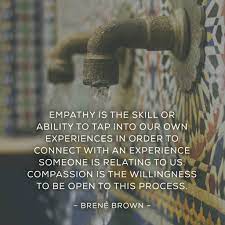
The above image and quote was posted by Brene Brown on her Facebook page on October 31st, 2017. It symbolizes the lesson my dad instilled in me about empathy: Tap into our own experiences, recall the emotions and use both the somatic and intellectual memories to “plug in” to someone else’s current situation. Walk a mile in their shoes. Recollect how it felt when you were in a similar emotional state.

The compassion component almost always triggered me to want to offer exactly what I had hoped to get in that past painful experience. I’ve come to understand that offering what I wanted back then was NOT at all helpful to another. This is where we can fall into the pitfall of “fixing, rescuing and disempowering” others. We have to ask what support looks and feels like for another person.

So here’s the plot twist – too often when we “tap in” to our own experiences, we unconsciously get hijacked by our brain, which pulls our attention back onto ourselves and can even recreate bodily sensations from that old memory that feel very real in the present moment. Our own brains and bodies could automatically go on high alert. Understandably, it is really hard to turn our full attention to another person when we are doing our best not to get sidetracked by our own false alarms.

Last year when Brene Brown released her latest book, Atlas of the Heart, she confided that she’d gained new insights that caused her to update some of her prior findings, especially around empathy and being good stewards of others’ stories. This is exactly what ongoing research is supposed to do for us. It is also why it is of critical importance for us personally to be updating our former base of knowledge and beliefs.

It is now December 2022 and Brene Brown has unearthed more discoveries about empathy that breaks wide open our understanding of its profound potential –AND what gets in the way of cultivating it. This deeper dive into empathy reveals that it is not a singular skill; it is a collection of skill sets:
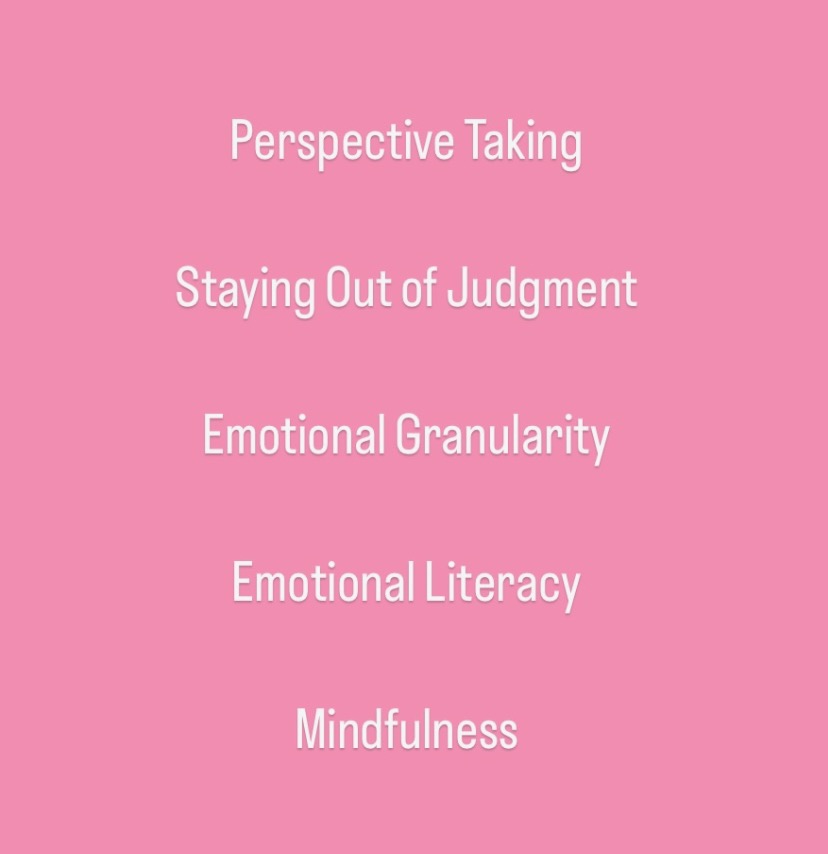
Let’s start with the first skill set of “perspective taking”.

As Brene details so clearly in Atlas of the Heart, many emotions show up in very similar fashion. This may lead us to”misdiagnose” what another person might be feeling. What we might take as anger could really be fear. What looks like confusion or flustered could be overwhelm. If we assume that a person is having the same emotion we would have in those circumstances, and what we witness seems to confirm our assumption, we are off to the races — and on the wrong track!

The biggest challenge of perspective taking is being aware of the lens we are using:

“The first step in real empathy is understanding that the lens I use, the lens through which I see the world, is soldered to my head. I can’t take it off and pick up your lens, ” Brene Brown, in her Dare to Lead Podcast (Building Brave Spaces — November 17, 2022)

For the record, this understanding about the lens we each possess (soldered to our heads and hearts) should make it very apparent that there is no way we could really “walk a mile in another’s shoes” and have a similar experience. All of our history, prior experiences, emotions and consequences are baked into our personal lens. We cannot transfer all that supporting data through a simple viewfinder.

As an example, my brother and I are only 4 years apart, yet our experiences and memories of our childhood are dramatically different. We’ve often laughed about our vastly different perspectives wondering aloud if we actually lived in the same family. If we zoomed out and began to look at our other family members, we become acutely aware of just how differently everyone was experiencing the world — even though from the outside looking in, we all seemed to be living the same kind of life.

The second skill set in the empathy collection is: “staying out of judgment”

This one builds on perspective taking. Having an awareness that someone else’s lens is different than our own should act as a signal to move from judgment to curiosity.

We judge based on our own experiences, circumstances, emotions and expectations. It is unfair and unhelpful to judge others through the lens of our life, our options, our support systems, our challenges. Unfortunately we unconsciously judge from the get go — and that gets in the way of us being able to listen with the intention of understanding someone else’s perspective and experience.

Brene offers that when we are staying out of judgment, we have to be able to hear someone’s story and believe them — even when their story does not reflect our experiences of the world, or our lived experiences. AND….We have to believe them even when believing them is painful and holds us accountable in some way for hurt.

That “painful and accountable” piece triggers our innate human nature to want to avoid hearing that we’ve hurt someone — and our struggle to deal with pain without causing more pain and hurt. Too often, we show up with a lot of emotional reactivity unaware that we are self-protecting, distancing or dismissing other’s emotional pain. It becomes a dizzying merry-go-round of hurting each other.

Some of the biggest chasms in relationships stem from the fact that judgment destroys trust and our ability to feel safe. If there is a long standing personal history of not being believed when we share our stories, we will not feel safe and valued. We stop sharing; the pain and the stories get buried alive. Nothing gets resolved. This is a major cause of estrangements in families and it is a prevailing factor in multi-generational patterns of dysfunctional behavior.

Just imagine the seismic shift that could occur if we could master the skill of staying out of judgment. Rather than eroding trust and safety, we would shift to opening up to learning; learning to understand and to believe another’s true story.

Staying out of judgment avoids the chasm; it builds a bridge.

Skill set number 3 in the empathy collection is: Emotional Granularity

The definition of emotional granularity is the ability to put feelings into words with a high degree of specificity and precision. This boils down to being able to accurately express a core emotion and add more context to it by describing other accompanying emotions. Instead of simply stating we are mad, we can add more context by acknowledging that we are also disappointed, frustrated and tired.

Emotional Granularity really drives home the point that “the difference is in the details.” Having all this extra information is so helpful when we are trying to really understand how someone else is feeling in the moment. Better yet, it more clearly illuminates the real problem. Mad is an umbrella emotion…. We need the context to get at what is causing anger. Anger is a warning signal, a cue to pay attention to something important to us.

A key discovery that Brene and her team made when doing research for Atlas of the Heart was that the majority of us identify just three main emotions: happy, sad or angry. Imagine how hard it is for us to cultivate emotional granularity if we have such a limited emotional vocabulary and are not even aware that we are experiencing several emotions at once.

The problem gets compounded when we learn that so many emotions present in the same way, but are quite different from each other. There is yet another caveat that can cause a lot of stumbling blocks — the messaging we received in childhood about emotions. Were we told to get over them, that some emotions were acceptable to show and others were not, or that some emotions would make us appear weak, or maybe too aggressive? Few of us were taught healthy and productive emotional skills in childhood. There are gender stereotypes baked into our perception of emotions, resulting in labels that shut down the opportunity to process and learn from our emotions. Let’s face it, most of us have a lot of emotional baggage that needs to be purged.

Is it any wonder that we get gridlocked when we are trying to understand our own emotional landscape let alone anyone else’s.

Here is why emotional granularity is so relevant:

Language is the portal to meaning-making, connection, healing, learning and self-awareness. If we lack the language to share what we are experiencing, our ability to make sense of what’s happening and share it with others becomes severely limited. Without accurate language, we struggle to get the help we need, we don’t always regulate or manage our emotions and experiences that allows us to move them them productively, and our self awareness is diminished. Language shows us that naming an experience doesn’t give the experience more power, it give us the power of understanding and meaning. –Atlas of the Heart, Introduction

In Atlas of the Heart, Brene offers us an incredible reference book that identifies and details 87 emotions and experiences. It is a phenomenal resource for cultivating emotional granularity.

I have read Atlas of the Heart twice. The first time I read it, I could barely put it down. I scribbled in the margins, had brightly color coded post it notes on nearly every page and lengthy conversations with my book club about each chapter. The second time, I journaled my way through it. It was cathartic to be able to go back and revisit past experiences with an expanded emotional vocabulary — and yes, emotional granularity. I gained a lot of clarity and revelations about situations that I’d struggled to fully process previously. It became crystal clear to me that accurate emotional language is healing; it helps us get to know ourselves better than ever; and in turn, we become better attuned to other’s complex, nuanced emotions.

It is teasing apart all the accompanying emotions that help us get “granular. The details are chock full of valuable information about needs, values, vulnerabilities. It helps us make discoveries we would have never unearthed without the nuance. We can articulate more clearly what we need – and we can listen more attentively to others’ needs.

Cultivating emotional granularity for our own experiences becomes the gateway to a deeper understanding of what other’s might be feeling – even if they themselves do not yet possess this skill. We can help each other by role modeling this skill set — adding context to our own emotions when we are sharing with our feelings.

Skill set number 4 – Emotional Literacy

Emotional literacy is the ability to recognize our own feelings, understand how they are informing us, and to be able to manage our responses to them.
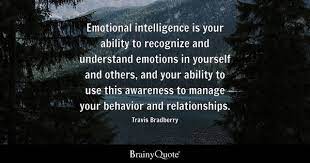
This skill is cultivated through self-awareness; paying attention to how our emotions feel in our body, what our normal reactions are to those emotions and how we then respond.

So often we go through this process quickly, unconsciously and very reactively when big emotions hit us.

Becoming more self-aware helps us recognize our unconscious patterns of behavior. Armed with this information, we can develop more skillful responses to our own emotions. We can also become more attuned to and supportive of others’ emotional reactions.
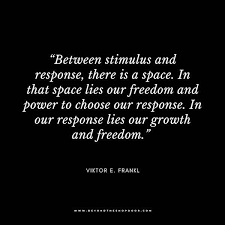
Meditation is a great tool for developing more self-awareness and to recognize how easily we get attached to thoughts and emotions in predictable ways.

The better we know ourselves and the more expanded our emotional vocabulary is, the greater success we will have in untangling ourselves from emotional triggers and old reactive patterns of behavior. This in turn will lead us naturally to be able to handle our emotions more maturely, with less drama and cloud cover.

As we get more skillful at responding in clear and healthy ways, we also gain the ability to not get so attached to strong emotions that others emit. This is a game-changer because we co-regulate each other. And emotions are very contagious and sticky. Just recall how your body reacts when you hear an angry conversation. Even if you aren’t actively engaged in that conversation, chemicals are released in your brain and can set off a chain reaction in both body and brain. This is how we get “hooked”, “triggered” and “on board”. We can go from calm to frenzied in a split second.

I like the term that Brene uses here; emotional literacy invites us to be graceful and self compassionate as we hone this skill of recognizing, understanding and responding to our own emotions. It is not some innate “intelligence” that gets us to this place of being able to process our emotions in a meaningful way and respond more skillfully, it is a practice.

The springboard for this practice is self-awareness. The more self aware we are, the better we are able to discover the unconscious ways we operate on auto-pilot. Imagine a self driving car with an operating system that was programmed by a child. Now you have a good image of what all our unconscious patterning is doing for us as adults.

Begin a committed practice to emotional literacy. I can personally attest that it will dramatically improve your life and your relationships.

Skill set number 5 – Mindfulness

Mindfulness magazine launched its first issue in the spring of 2013. Here we are ten years later and now mindfulness has become “mainstream”. We see it everywhere — on magazines at the grocery store, popular books, podcast, social media, mental health resources and counseling. What was once perceived as sitting on a cushion with legs crossed and “zenning out” without a thought in our heads has been completely dispelled.

Mindfulness is being aware that we have both internal and external distractions bombarding us at all times. The skill we develop through mindfulness is proactively choosing where to focus our attention.

Sounds simple, right? We all know it is not.

The reality is that our attention has become a marketable commodity. Click bait. Every time you realize that you have been mindlessly scrolling through social media for 20 minutes, that is a moment of awareness. A chance to practice being mindful.

Just use the term “click bait” to label all the times you become “aware” that your mind is racing, or you’ve driven your child to school and don’t remember stopping for traffic lights, or you’ve burnt the bacon, had to rewind the podcast because you missed something, were staring at your phone while out to lunch with friends. Catch yourself when you are listening to a friend, but have time-traveled to a similar experience you had and are watching that replay in your mind instead of hearing her story.

Brene Brown has included mindfulness in the empathy collection for valid reason. Mindfulness is paying attention to where we are paying attention. In every single one of the prior 4 skill sets you will need “mindfulness” as the underpinning.

Being mindful that perspective taking requires us to not view another’s situation through our own lens that is soldered to our heads.

Being mindful, and fully present, in order to stay in non-judgment. Be open to accepting another’s truth, even when it is so different from our own.

Being mindful and in touch with emotional granularity. Recognizing that there will be more than one umbrella emotion in play when we are listening to understand.

Being mindful and keenly self aware of our own emotional landscape so that we stay grounded and respond from our values.

Mindfulness requires training and practice. While it seems too hard and we prefer to dismiss it as unnecessary, it really is irrefutable. Do you want a distracted surgeon performing your life-saving operation? Do you want a distracted bus driver at the wheel of your children’s school bus? Do you see distracted parents at the playground who miss their child’s joy or scary fall? Do you witness people on the street staring at their phones and nearly getting hit by a car? We have a growing epidemic of attention deficit. Mindfulness is the anecdote.

Simply put, mindfulness is paying attention to where we are paying attention. It is a simple concept that requires a disciplined practice. It is more than worth the effort. And here’s a word of encouragement: the more we hone this skill through committed daily practice, the more it easily shows up in our day to day life.

Wrap Up:

For several years, empathy has been top of mind for me. I was deeply moved by both the impact and the consequences of empathy after reading Born for Love by Dr. Bruce Perry, published in 2010. At the time, Dr. Perry was sounding the alarm about our collective empathy poverty. His research and his advocacy is deeply rooted in what happens in our bodies and brains in infancy and early childhood. He was witnessing firsthand in his patients and research how a lack of empathy was the root cause of dysfunctional emotional development issues in the early stages of life, and how lack of empathy was predisposing us to only compound emotional and mental health issues. It became very evident to me that we needed a comprehensive overhaul of the way we meet our children’s emotional needs with compassionate consistency — and that we need to learn and teach healthy emotional skill sets. Our collective mental health is at stake.

Brene Brown recently described empathy as being in the zeitgeist right now — in the moment, year end 2022. Twelve years after Dr. Bruce Perry sounded the alarm and we all hit the snooze button. Everything he predicted in his book has become our reality on steroids.

What is a zeitgeist? The defining spirit or mood of a particular period of history as shown by the ideas and beliefs of the time.

Brene says that the need for empathy is showing up everywhere in our collective landscape from family to community to workplace and politics. I too have witnessed the subject of empathy showing up in all of the resources that I steep myself in — from personal growth to mental health, neuroscience and education, coaching and counseling, internal family systems, activism, self compassion and meditation. All modalities for improving our overall quality of life have been incorporating empathy into their teachings.

Empathy is now in the zeitgeist of this moment in our collective history. How exciting is that? Empathy can become the pivot point for a fresh start in the right direction and will have a dramatic positive impact for future generations.

It is my fervent hope that the insights I’m sharing in these blog posts will be helpful for those who want to participate in meaningful change for themselves, their families and for the greater good.

RECOMMENDED RESOURCES:
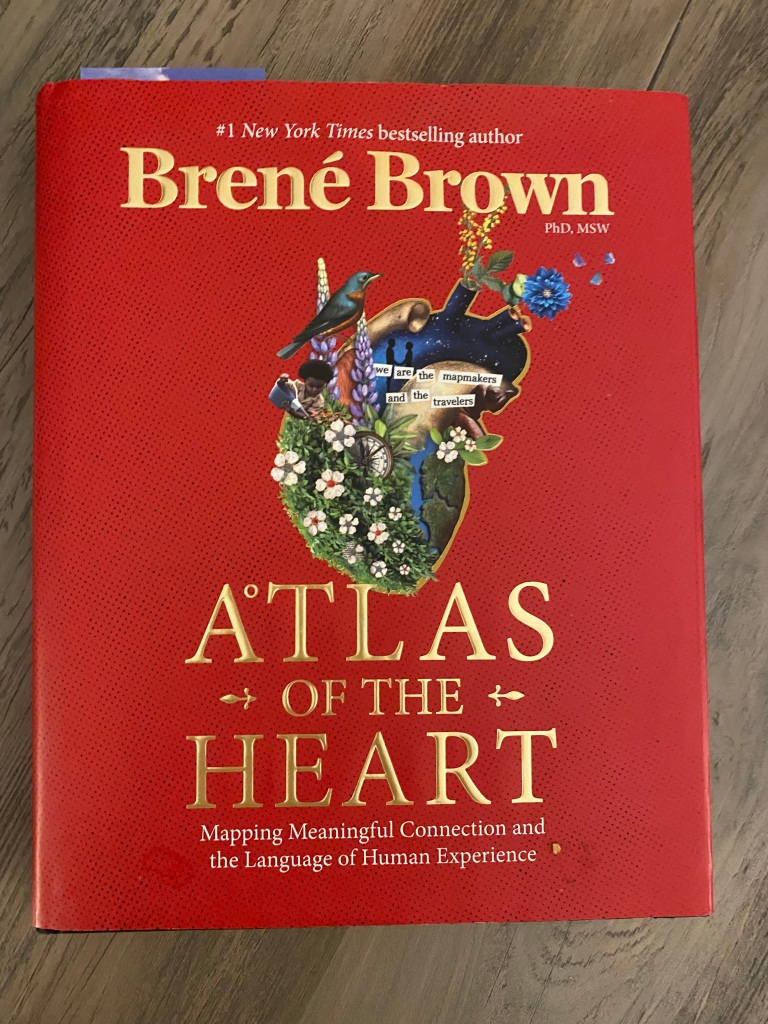
Who had a set of encyclopedias in their home as a kid? Who remembers getting the annual update each year and excitedly paged through it looking for all the new things we’d learn that made an old section obsolete?

Welcome to a reference book for emotions and experiences — 87 of them! Atlas of the Heart is a beautiful coffee table style book that will be used for conversations with spouses, with kids, with friends and family.

And I am confident, Brene will continue to update us as her research evolves.

Check out this recent episode on Dare to Lead: Building Brave Spaces

https://brenebrown.com/podcast/building-brave-spaces/

Sometimes it is just easier to relate to the power of a skill set like empathy when you hear the stories….
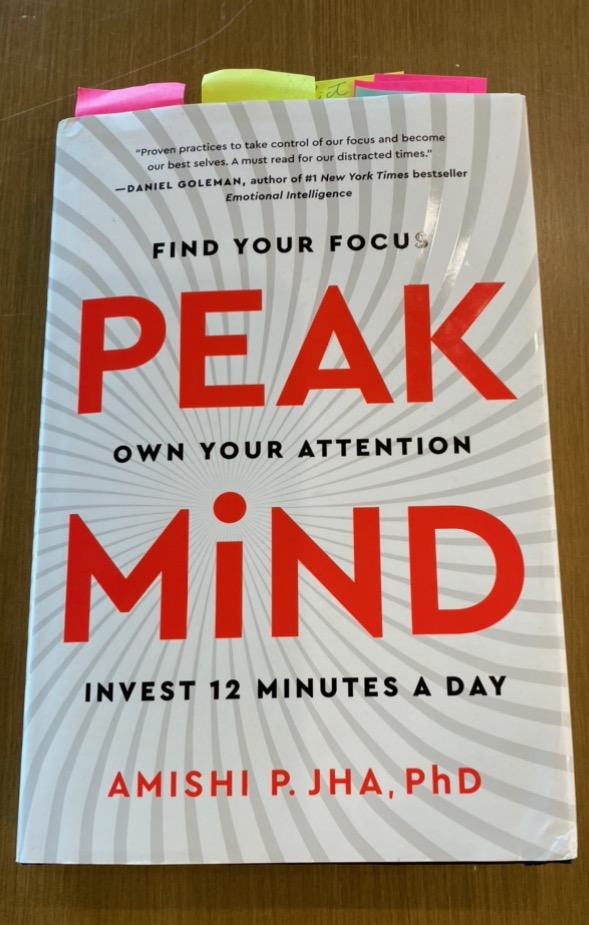
This book will introduce you to the incredible value of paying attention….in a relatable way that will captivate you. Dr Jha offers a 12 minute daily meditation practice at the end of the book to jumpstart your new habit.

Psychology Today Magazine:

Master Your Feelings with New Tools Inspired by Neuroscience (article published online 2019)
https://www.psychologytoday.com/us/blog/the-mindful-self-express/201906/master-your-feelings-new-tools-inspired-neuroscience

Check out this timely episode of the Being Well Podcast with Dr. Rick Hanson and Forrest Hanson –Responding to Criticism & Accepting the Way Things Are

This episode of the Being Well Podcast has very relatable stories that are prime examples of real life situations where we can learn to be more empathetic — with ourselves and others. Such a great conversation.


Deconstructing Patience

Years ago, I was told by a family counselor that I was “too patient”. Admittedly, that really threw me for a loop. “Too patient” — was that even a thing?

You see, my generation grew up being told that patience was a virtue and the definition of a virtue is: behavior showing high moral standards. Back in the day, being patient as a child mean being quiet and well behaved. I can chuckle now in hindsight with greater awareness that our youthful “patience” was really a test of will power — and a fear of the consequences if we failed. It had very little to do with high moral standards.

That counselor’s insight led me to reflect on my relationship with patience. I’d always been proud of being such a patient person, but I began to unpack all the ways that having too much patience might be causing some problems.

The tap root of my relationship with patience was silence. I’d developed a very common strategy of hiding and stuffing my emotions as a child. Better to be quiet than to give voice to what I was feeling. There were severe consequences for emotional outbursts and there were words of praise for keeping it together. So this strategy was reinforced time and again as the working model for success. I constructed a framework for my understanding of patience with a foundation of silence.

This is how the stratification of our childhood patterns begins. My motivation was to avoid negative consequences and keep the peace. This is not how to teach children about values and high moral standards. But my parents’ generation did not know better and was simply perpetuating the old Freudian practices of child-rearing.

As the oldest sister with two feisty younger brothers, I often felt an overwhelming sense of responsibility to protect them. I wanted to protect them from not having patience and I wanted to ensure overall family harmony. A nearly impossible challenge for an 8 year old old. Not only that, my brothers were developing strategies of their own quite different from mine. In fact, I’m pretty confident that my youngest brother employed the “squeaky wheel gets the grease” strategy which he fueled with unchecked, tsunami sized emotions and outlandish behaviors. Attempting to achieve any sustainable peace was like herding cats.

It’s only been with a lot of reflection that I can see now how yet another strategy became part of my framework for patience. I began to put other’s needs ahead of my own. The sacrifice seemed noble when I was young. But it created a big disconnect for me over the years as I lost touch with what was most important for me. As a steadfast harmonizer, my motivation turned to keeping the peace and avoiding conflict. I barely spent any time giving consideration to what I truly needed to foster my talents, to feel safe and to explore my potential.

There was yet another discovery as I deconstructed what patience actually looked and felt like to me — I became a control freak.

Yikes…I did not like facing this truth.

While it was wrapped up in good intentions, my need to “control” the situation was masked as helpful, supportive and even kind. I’d swoop in without being asked to fix, resolve and correct anything for anybody. The sooner a crisis was resolved, the safer I felt. I rarely took the time to consider that what I was doing was overriding what someone else really needed or wanted.

When I was younger, this part of me felt like I was some sort of incredible fairy, possessing a magic wand and skipping merrily into chaos and shifting dark energy to glittery light and sugary joy. As an adult, I altered the image to be more realistic — a competent problem solver or organizer. True confession, I still held tight to the image of a magic wand. I just didn’t show it to anyone.

What I have learned about the unhealthy part of being an avid helper is that inadvertently we are robbing others of their agency, their growth spurts and their consequences. We aren’t helping at all – just overstepping our bounds – and dismissing the needs and desires of others.

Let’s take a step back and look at what I have unpacked about my concept of patience which I developed in childhood and carried into my adult life, mostly unconsciously. These were my blind spots:

I learned to be silent. I did not express my emotions externally and I did not process my emotions internally. I hoarded them. This lead to a many layers of unprocessed emotions and a lot of confusion in my heart and mind.

I became a harmonizing people pleaser and disconnected from an important aspect of myself — my own true needs. Brene Brown writes about how we hustle for validation of our worthiness. I was trying to find that sense of love and belonging by “doing” rather than “being”. I’d wear myself out to the point of exhaustion helping others and forget to take care of myself. The biggest discovery was that this became the root cause of my tug of war with resentment. So much internal conflict between wanting to help others and feeling resentful for not being appreciated or reciprocated.

My gift of being a helper got clouded and I became a controller. I rarely asked for help I truly needed. Pride got the best of me — I had to prove I could handle anything on my own but deep inside I was crushed that no one was reciprocating all the help I’d given. I hid my own vulnerabilities. Brene Brown has emphasized that vulnerability is the birthplace of connection, trust, love and belonging. By hiding my vulnerability, I disconnected myself from my own self-worth and from the stronger, lasting connections that were possible with others when we let our guard down and lead with empathy. We are not here to fix or rescue. We are here to support, encourage and witness each other’s journey.

Deconstructing patience was a meaningful exercise for me and it totally transformed my framework for this quality that I still find worthwhile. In fact, I value my patience today more than ever because the framework and the components of it have shifted. This pivot came from close examination of “motivation”.

I found the enneagram to be an incredibly useful tool for this work. Beatrice Chestnut, author of the Complete Enneagram, describes it as a personal owner’s manual for how we make sense of life. So many of our concepts, beliefs and narratives about who we are were formed in childhood. Our “motivations” in childhood are to make sense of the families and the world we live in. We develop coping strategies and use stories to get our needs met. Our core motivations in childhood pre-dispose us to construct frameworks we carry with us into our adult lives. But the big caveat is that our motivations change as we mature, as does our environment, our autonomy and agency. We often enter adulthood eager to change a lot of things but we use the old framework to build the new…..and we end up re-creating the past.

If I was operating on an old framework of patience that included being silent, not processing emotions as they occurred, not honoring my own needs, over-helping and controlling others, then I could be assured that my being “too patient” was the root cause of so much of my own internal unhappiness.

The starting point was redefining my motivation for cultivating patience.

I wanted to feel calm and grounded regardless of what was going on around me. As an adult, I knew that I cannot control how others react or respond in any given moment. What I can control is me and my responses.

I wanted to feel a strong unwavering self-worth. How I feel about me, my gifts, my contribution to others has to come from within. This required unabashed acceptance, self-compassion and a recommitment to my own self-confidence in my core values and a big nod to the fact that I too have needs.

I wanted to be a compassionate, empathic teacher/inspirer/role model for others. No more fixing or rescuing. Much more listening, holding space and asking questions only others could answer for themselves.

Revisiting my core motivations and upgrading them to be in alignment with the vision of the adult I’d always hoped to be was just the catalyst I need to tear down the old framework and rebuild with my new and improved definition of patience.

The “too patient” framework was unhealthy, full of insecurities and flawed coping strategies. The healthy and empowering framework for my patience has a strong foundation of grounded confidence. The scaffolding of my patience framework is a steady work in progress, flexible and resilient, and always evolving. I am no longer silent; I have found my voice and more discernment about when and how to use it. I know myself better and honor my own emotions, set boundaries and am clear about my needs and my values. I heed resentment if I start to feel it — it’s my warning light that I might be overstepping my boundaries in the helping department. I have replaced “let me do that for you” with “what does support or help look like for you?”

I’d like to think that deconstruction of the old “too patient” framework has been a Goldilocks process for me — and that I have moved to the “just right” place to be with my core value of healthy patience.

The biggest and most rewarding benefit to this entire process of deconstructing our old frameworks of motivation and values has been to witness how parenting is evolving. Children are being taught patience in a whole new way. Mindful parents are proactively teaching their children emotional agility and self control in empowering, healthy new ways. No more dismissing or stuffing a child’s emotions. It takes only a few minutes to help a child name and honor what they are feeling. Parents are helping children make better choices once they are somewhat disengaged from big, strong emotional tugs. Children are learning that they are not defined by their big emotions or their ever-changing behavioral patterns, they are actually learning from them.

The big pivot in changing how we parent and grandparent with emotional agility, healthy patience and greater self-awareness is that our children will get a consistent, supportive framework for who they are, what their natural talents and gifts are, and toolkit of healthy tools for navigating friendships, family and life.

RECOMMENDED RESOURCES:

This conversation with Andrew Chapman, psychotherapist and meditation teacher is so worthwhile if you want to learn how the enneagram can support your self awareness and self observation skills.

CHECK OUT THIS 11/17/2022 EPISODE: Unlocked: Mindfulness and the Enneagram https://podcasts.apple.com/us/podcast/typology/id1254061093?i=1000586586066

Here are two of my favorite books for reading more about each of the nine types of the enneagram. Such insightful guides for understanding what our core motivations are in life:

Greater Good Magazine: Four Reasons to Cultivate Patience

https://greatergood.berkeley.edu/article/item/four_reasons_to_cultivate_patience

External Roadblocks Matter Too…

So much of our personal growth work encourages us to get to know ourselves better, to take a long hard introspective view of our internal world. Yet there is another component to our personal development that is equally important:

The external roadblocks that can derail even our best intentions.

We can become fairly unaware of external obstacles that prevent us from gaining traction in our personal growth work. Our attention gets pulled in a lot of directions throughout the day and we lose track of our time and our good intentions. James Clear teaches us that consistent small investments of time and effort is the best pathway to developing new habits and skills. The one thing we really need to cultivate to help us gain traction with short and long term goals, with developing better habits and with improving our relationships is — self awareness.

A major external obstacle to cultivating greater self awareness is often in the palm of our hand…..our phone.

Let’s be candid about this. We do have a growing crisis with regard to our phones. We observe how so many people are walking down the street, their eyes fixated on their screens and not their surroundings. Parents at playgrounds are watching their phones and not their children. Families and friends in restaurants all sit with heads down, fingers flying across flat keyboards not engaging with each other or even the waitstaff. Standing in line at the grocery store or sitting at a red light in our cars seems to be an open invitation to check our phone. No one is immune from this. It is a habit that slowly seeped into our daily lives over time.

I’m old enough to remember a time when we did not have mobile phones on our bodies at all times. It makes me wonder what it might be like to measure the quality of our memories that were created more with our five senses than a camera roll of countless photos. I’m not being judgmental here, for I love the ease with which I can capture the moment on my thin phone too. I just wonder if we saw a chart or graph that could visibly show us the distinction of “being fully present in a moment” vs. “freezing a moment in time” would it help us want to moderate our phone usage?

While we may not have such a graph, we are learning through neuroscience about how we can enrich our present experiences and “store” them in our brains with all the sensory details to help override the brain’s default negativity bias. But in order to do this, we have to be aware of how we are letting our attention and our focus slip away.

BEING FULLY PRESENT: (even briefly…but a few times a day)

Dr. Rick Hanson has a brief and effective tip to help us capture more present moments. He calls it “taking the in the good”. Rather than reaching for your phone to take a photo, simply steep yourself in the full experience in real time. All it takes is 15-30 seconds to take it in — and imprint in your brain an incredible memory. Add sounds to your experience — listen to a child’s laugher as you watch her run through a pile of crunchy autumn leaves. Be aware of the sounds the crunchy leaves make and use your eyes to take in the rich autumn color palette. Gaze at the floating fluffy white clouds against a cerulean blue sky. For 15-30 seconds you are the creator and director of an internal movie memory; set it to music, imbue it with scents, enrich it with details.

Just doing this a few times each day will help in training our brains that we are in charge of our attention. We can resist the temptation to look at our phones and choose to fully be in the present moment. For fun, keep a little journal about your “fully present” moments each day for a week or two. It is a game-changer for cultivating greater self awareness and harvesting all the good that is showing up in our lives each day. Things we often miss…..because we are staring at our phones.

POSTURE AND SITUATIONAL AWARENESS:

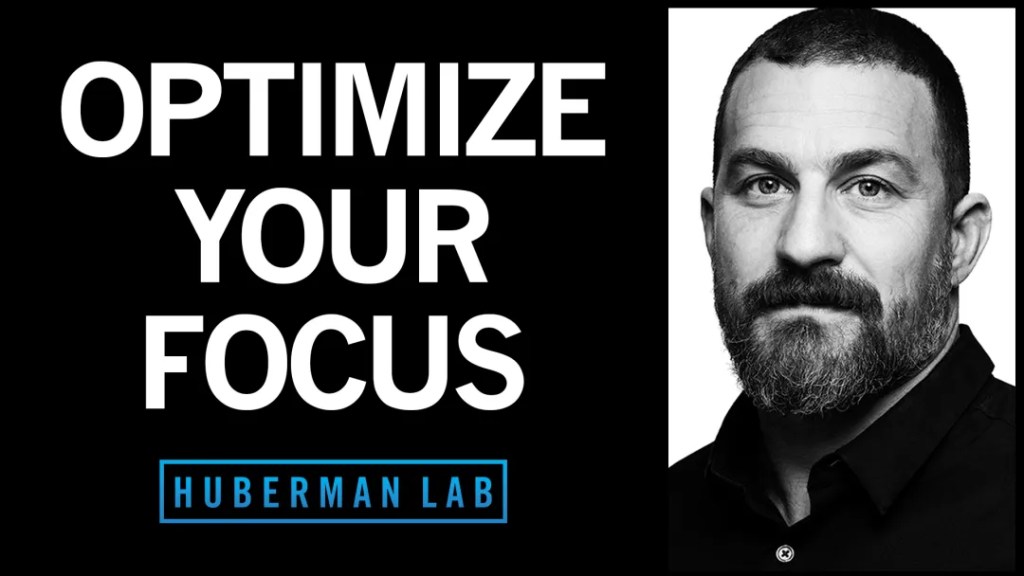
Are you aware that our posture has been impacted by our phones? Dr. Andrew Huberman, neurobiologist at Stamford, recently referred to this as our “C” posture. Just look around today at the posture of others who are on their phones — do you see the “C” — forward neck position, slouched and rounded shoulders?

Many people are dealing with chronic pain in their necks, shoulders and spine as a direct result of spending a good portion of their day in this awkward “C” posture position. The tension we are adding to our bodies from our phone posture gets added to the stressors of our daily busy lives.

Do your own research as you go about your daily routine today: How many people do you observe with this “C” posture? How many missed opportunities to say “hello” or ask someone how their day is going? How many people do you see in the coffee shop or restaurant who are engaging with their phones and not their friends and families? Are people walking to their cars unaware of the traffic around them, heads down staring at their screens?

RESTORATIVE, RECHARGING BENEFITS OF SLEEP:

An essential way to care for our dynamic, powerful, personal processors — yes, I am describing our brains that way.….is to get consistently good sleep. There are simple things we can do to help us achieve the beneficial brain attributes of sleep. The easiest and most impactful is to not look at our phones first thing in the morning and last thing at night.

Instead, first thing in the morning take in 10-20 minutes of natural sunlight if you can. That will set your circadian rhythm. While it might seem silly, doing this in the morning actually helps you fall asleep at night. If you can’t get sunlight first thing, turn on the lights in your home and let your eyes take in that light. It is the blue light emission from our phones that inhibits the production of melatonin. The hot tip here is go “old school” and get an alarm clock if you need one to wake up, avoid looking at your phone for the first 30 minutes of your morning, and get some natural sunlight if possible. Just a few days of this new routine will make a noticeable positive difference in sleep patterns.

Of course, that blue light emission from our phones at night is also not helpful if we want to get a deep, recharging night of sleep. Best to put your phone on a charger and then do the same for yourself. Establish a simple nightly bedtime routine with reduced exposure to light, trying meditation or light reading to relax your busy brain and implementing some cues that work for you to signal that it is bedtime.

Neuroscience is proving that we need consistent quality sleep in order to operate a maximum efficiency for our cognitive and emotional well being. A key factor in our mental health wellness is deep, restorative, brain rewiring and rejuvenating sleep.

SOLVING THE CASE OF DISAPPEARING TIME AND ATTENTION:

Want to discover where so much of your time and attention has gone at the end of a day? Take a look at your average weekly screen time. That will be the biggest clue to solve your case of “disappearing time and attention”. All of can easily fall into the trance of mindless scrolling, or hopscotching from looking up a recipe to reading the latest scoop on a celebrity.

Even the most skilled practitioners of mindfulness, the best educated neuroscientists and the gurus of meditation will confess to using the password lock feature, turning their phone off completely for a set amount of time, locking their phone in a safe, giving it to a colleague or partner while they are working, or keeping the phone in a different room. So don’t feel too bad — you are not alone with regard to our attachment to our phones.

WHAT WE CAN’T GET BACK: (our time and out attention)

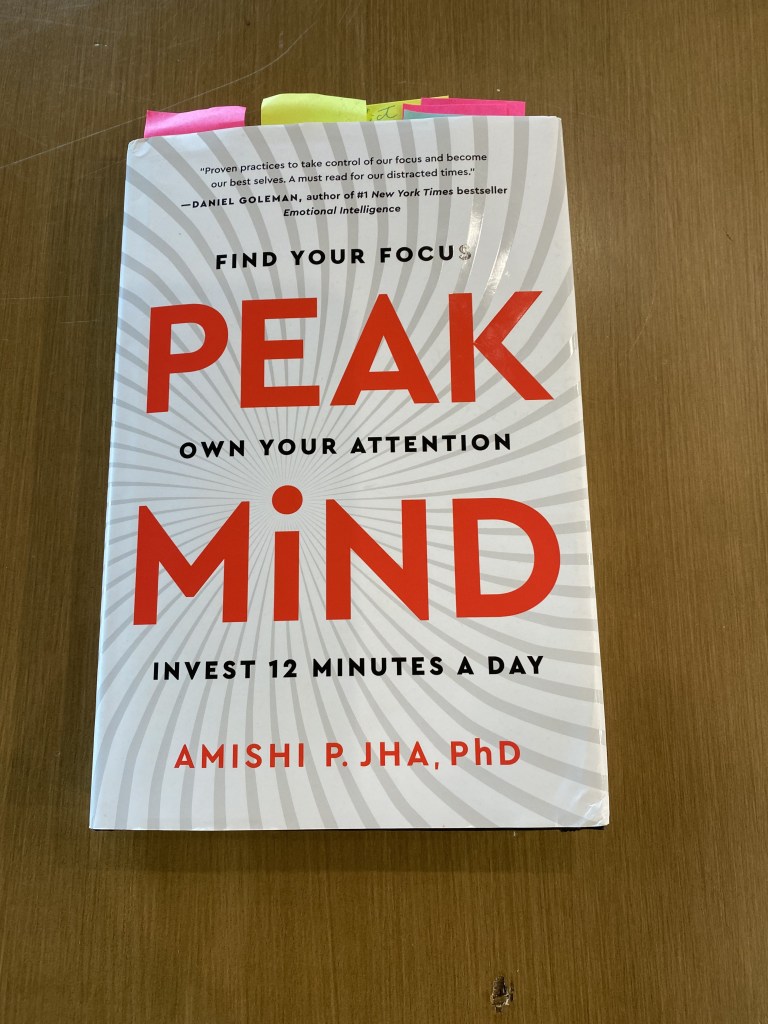
Dr. Amishi Jha wrote about how we are unconsciously giving away one of our most precious commodities — our attention — in her book Peak Mind. This won’t surprise you, but our attention is now a marketable commodity and there is even trading in futures for our attention. Now that is mind-blowing, isn’t it?

It is precisely because we are giving away our attention to our devices that we are also giving away time that could be better spent on things that really matter to us. f we could put our phones away for even 30 minutes a day, we could read 10 pages in a book, we could try a new recipe, we could chat with another person, we could take a walk and be awed by nature. Just for fun, challenge yourself to come up with a wish list of 3 thirty minute fun things to do in the coming week; then put your phone away for 30 minutes for 3 of the 7 days in that week….and do those fun things!

Maybe you can make your own chart or graph about how you are feeling about your time management, your attention and your happiness at the end of that one week challenge.

BUILDING BETTER CONNECTIONS:

It’s very evident that while social media was once touted as a great way for us to be connected to each other….it actually has had the opposite effect. We are heads down, eyes diverted and fully engaged with a device and all its mesmerizing content….and all the while our most incredible life is unfolding without us being aware.

When we shift our eyes from the screen to those people we are hanging out with all day long, something magical happens. Our amazing brains help us take in so much more than just the words they might be saying. We see facial expressions, body language, we make eye contact and we co-regulate each other with our emotions and energy. As Brene Brown would say — we feel seen, heard and valued. And all that happens by averting our eyes from the phone to the face.

FOOD FOR THOUGHT:

Dr. Amishi Jha tells us to “pay attention to where we are turning our attention”. All we need to do to cultivate greater awareness is to check in with ourselves in an honest way about where we might be leaking out our time and attention. Just commandeering a few short chunks of time each day for some dedicated “present moment” experiences will no doubt produce some pretty remarkable results for your overall quality of life. Are you willing to give it a try?

RECOMMENDED RESOURCES:

Follow Dr. Andrew Huberman on YouTube and Instagram for short clips on his insights and teachings about neuroscience, our bodies and brains. Check out the full length Huberman Lab podcasts and his website if you want to do the deep dive into his teachings.

https://hubermanlab.com/focus-toolkit-tools-to-improve-your-focus-and-concentration/

Read this amazing book by Dr. Amishi Jha to learn from her own experiences, real life stories from her research about the incredible importance of our focus and attention for our quality of life and some of our most demanding decisions we make under tough circumstances. This book also offers a guide to a simple 12 minute daily meditation practice that will help you train your brain for better attention and focusing skills.

Read this article from the Wall Street Journal to gain some fresh insight on how our phones are impacting our kids, their educations and their interactions with teachers, friends, coaches and mentors.

THIS SCHOOL TOOK AWAY SMARTPHONES. THE KIDS DON’T MIND: https://apple.news/AgX2ev7f7SKCNtVqY0aLmyA

An Evolving Story…

Getting started on personal development often begins with identifying behavioral patterns that aren’t serving us very well in adulthood. While this is a giant step in the right direction, there is another major aspect that is truly transformational.

That meaningful component is a deeper dive into the limiting beliefs and false narratives that are baked into those childhood behavioral patterns. These old stories and limited beliefs hold us back; they prevent us from exploring our full potential and building a deep reservoir of inner strengths.

So while we can change our outgrown behavioral patterns and begin to show up more maturely, if we don’t spend some time untangling ourselves from the beliefs and narratives we heard and absorbed in childhood, we might stunt our personal growth.

There’s no doubt that this is hard work and requires challenging ourselves in order to unlearn and relearn. It is one thing to be fully committed to new habits and big goals, but if we don’t release those limiting beliefs that reinforce self-doubt, there’s a strong likelihood we will self-sabotage our best laid plans. Unfortunately, this is often occurring unconsciously.

As we cultivate more self-awareness for our outgrown behavioral patterns, we can also become more attuned to negative self-talk and the excuses we give ourselves for not pursuing our dreams.

Our limiting beliefs and childhood narratives are often very nuanced and will require some careful “teasing out” of the threads that weave our stories. It is not only the behavior patterns and messaging we struggled with in childhood, it is all the complexities of our family dynamics that played a role as well.

As a child, we were the ones adapting all the time — to our parents, to their actions and responses to life, to all the life events that were occurring. We did not have the brain capacity to reason or rationalize. We did not have the authority to make decisions and make plans that accommodated our unique needs. We had a lot of emotions swirling through us but many went unspoken, unprocessed and misunderstood. So we tried to make sense of all those moving parts by telling ourselves a story. It is our childhood story that shapes us as we move into adulthood.

Often that childhood story serves as a nautical chart for us as we navigate the changing seas of life. While we cannot wait to row our own boat with full independence as we enter adulthood, we are unconsciously aware that our minds are full of obstacles — remnants of childhood that clutter our path. These are limiting beliefs and false narratives about who we really are.

Many of us carry these limiting beliefs far in to adulthood. It might be a scarcity mindset around money if we grew up poor or had parents who gambled or drank away money needed for rent and groceries. We might have body image issues believing we are too thin or too fat, uncoordinated or a weakling. We may believe we aren’t good at sports, or math, or that we just aren’t smart or talented enough to pursue our heart’s dreams. We may think that we have limited future career opportunities due to a lack of higher education. Messaging we get in our formative years can stick with us for a long time and limit us in many ways.

This is why it is so important to include self-reflection on our limiting beliefs and stories of who we thought we were, or were supposed to be, when we were kids as a key component of personal growth.

The above quote from Adam Grant is from his book “Think Again”. It really resonates when applied to childhood stories and the beliefs we were raised on. We cling hard to the stories written in childhood about who we are but the truth is that we were often judged, experienced and molded by others, mostly adults. Parents, grandparents, teachers, coaches — they all see different things in us. Many times they are simply reflecting back what they see in themselves. This is precisely why it is so important to really get to know ourselves as we go through adulthood. We now have agency and autonomy to pick and choose what is right for us, to develop those strengths and skills we are drawn to, to keep learning and growing forward.

I love having conversations with friends who share their stories of realizing that they were still clinging to outdated, outgrown limiting beliefs. Even when their current lived experiences and how they were actually conducting their lives was proof positive that those old beliefs were wrong, there was a little nagging voice inside keeping that old narrative running in the background.

Once they owned the fact that the old beliefs and limitations were a drag on their forward progress, they let go. They embraced their newfound freedom and acknowledged that all along they had been “learning their way out” of those old limitations.

This is the simple, marvelous truth. We are always learning — sometimes by accident, sometimes incidentally, and many times by choice and intentionality.

Learning is the catalyst for freeing ourselves from limiting beliefs and the stories we tell ourselves when we are in struggle– especially those stories we co-author with our inner critic. We can step back and get a fresh, updated perspective — then ask ourselves if what we are believing is true. We do not need to stay forever tethered to an old narrative about who we are. We are evolving through our lived experiences every single day.

When you find yourself in a state of confusion — smile! It means that the information stored in your brain from childhood is colliding with the knowledge, information and experiences you’ve accumulated since then! It’s a big opportunity to shift away from an unconscious reaction to a more nuanced, mature, informed response.

“After all, the purpose of learning isn’t to affirm our beliefs, it’s to evolve our beliefs.” — Adam Grant in his book Think Again

Again Adam Grant offers an invaluable piece of wisdom that can be applied to our personal growth journey. The purpose of cultivating self-awareness and spending time in discovery through self-reflection is to help us clean up the clutter from childhood. We can create a much better nautical map for navigating the vast seas of life by removing impediments like limiting beliefs and old outgrown stories about who we truly are.

When we begin to adopt a regular practice of perspective-taking, we super boost our natural curiosity. This is one child-like quality we should tap into! We also open up and are receptive to take in new information, ideas and stories from others. The natural desire to resist taking in anything that conflicts with our rigid beliefs or scares us loosens its grip. We begin to find ourselves more pliable and flexible with paradox, with opinions different than our own because lived experiences are also different. All of this culminates in a grounded confidence that allows us to be truly authentic with an ability to listen to understand without all those old limiting beliefs and stories getting in the way. That is where personal growth thrives.

I’m sharing this little footnote to this post because it’s become so clear to me that regardless of your age, this inner work of self-reflection around limiting beliefs is incredibly necessary and game-changing. Because we got a lot of things wrong in prior generations about how to deal with emotions, myths about vulnerability being weakness, shoving our family skeletons into closets, and double standards — even younger generations (20’s, 30’s and 40’s) need to do this work. You’ll see what I mean if you listen to the podcast episodes I’m including in recommended resources with this post. Doing this kind of inner growth work is what contributes to breaking dysfunction cycles of poor life skills for future generations.

RECOMMENDED RESOURCES:


This episode covers a lot of ground when it comes to untangling ourselves from limiting beliefs. Julie Solomon shares how $30,000 in credit card debt became her impetus for honesty and growth.
https://podcasts.apple.com/us/podcast/typology/id1254061093?i=1000576481143
Connecting With Your Best Parts. This conversation between Dr. Rick Hanson and his son Forrest is so relatable…and is a springboard for your own work on rediscovering the good in YOU! https://podcasts.apple.com/us/podcast/being-well-with-dr-rick-hanson/id1120885936?i=1000567818618

4 Steps to Release “Limiting Beliefs” Learned from Childhood: Psychology Today:

https://www.psychologytoday.com/us/blog/focus-forgiveness/201311/4-steps-release-limiting-beliefs-learned-childhood

Nuggets of Wisdom – Seeds of Growth

In this edition of my Nuggets of Wisdom, I am sharing some insights from conversations with my friends who are also committed to their personal growth and what they have been witnessing from their positive changes.

When we cultivate self-awareness, we do become more cognizant of the behaviors we have had that really held us back from being our “authentic” selves. We often said “yes” when we really wanted to say “no.”

Awareness and authenticity go hand in hand when stepping back and assessing why we do that. Sometimes it is just because we think it will “keep the peace”. Sometimes we believe that having the same old disagreement will just end up with the same old result. Sometimes we are putting our needs and even our values to the side because we think it will make someone else happy.

The truth of the matter is that we often get a gut feeling or a nudge of intuition that our values and our actions are out of alignment….and that can lead to resentment, stuffing our emotions and our needs and participating half-heartedly in whatever we have agreed to do. We simply do not feel comfortable in our own skin.

My friends and I have noticed that when we take that first uncomfortable step towards real authenticity and actually say no, or set a boundary, that we feel lighter, more empowered and confident. And that initial discomfort fades fast. In fact, often the other person doesn’t even really care that we didn’t go along blindly, or they discover something new about us that supports a better relationship.

This may be my favorite wisdom and insight. My friends have been sharing stories about some of the richer, deeper conversations they have been having with family members during these past few months of family reunions, summer vacations, and backyard barbecues. There is no doubt that people “feel” the energy and openness around someone who has really done a lot of inner work. There is a sense that it is safe to really open up. These heart to heart conversations have answered a lot of questions about family history, revealed hidden strengths, and unburdened others of heavy baggage they’d been carrying around for decades. Pema Chodrun has long taught that when we do our personal growth work, we make it easier for others to do theirs. My friends are now enjoying the benefits of these deeper connections with family members — something they had longed for and worked hard to achieve. The pivotal difference was going inward first, doing their own personal growth work, and then letting their positive changes draw others in.

One of the most effective tools for personal growth work is “reframing”.

Taking a fresh perspective to adversity can shift our unconscious brains from a negativity bias and help us engage in something much more positive to handle challenges and difficulties.

This reframing of being “planted in possibility” encourages us to lean on our inner strengths like courage, resiliency and resourcefulness.

We do possess some rich compost to support our efforts. Think about times in the past when you have successfully overcome an adversity. Draw on that experience. Recognize how much you have grown and discovered since then and tap into the greater resources you have developed. Use regret as a tool to help you recognize what you value most. Check in with yourself to see if you might have a pattern that isn’t serving you well when trouble shows up. Seek help and guidance from those you admire who have overcome similar adversities.

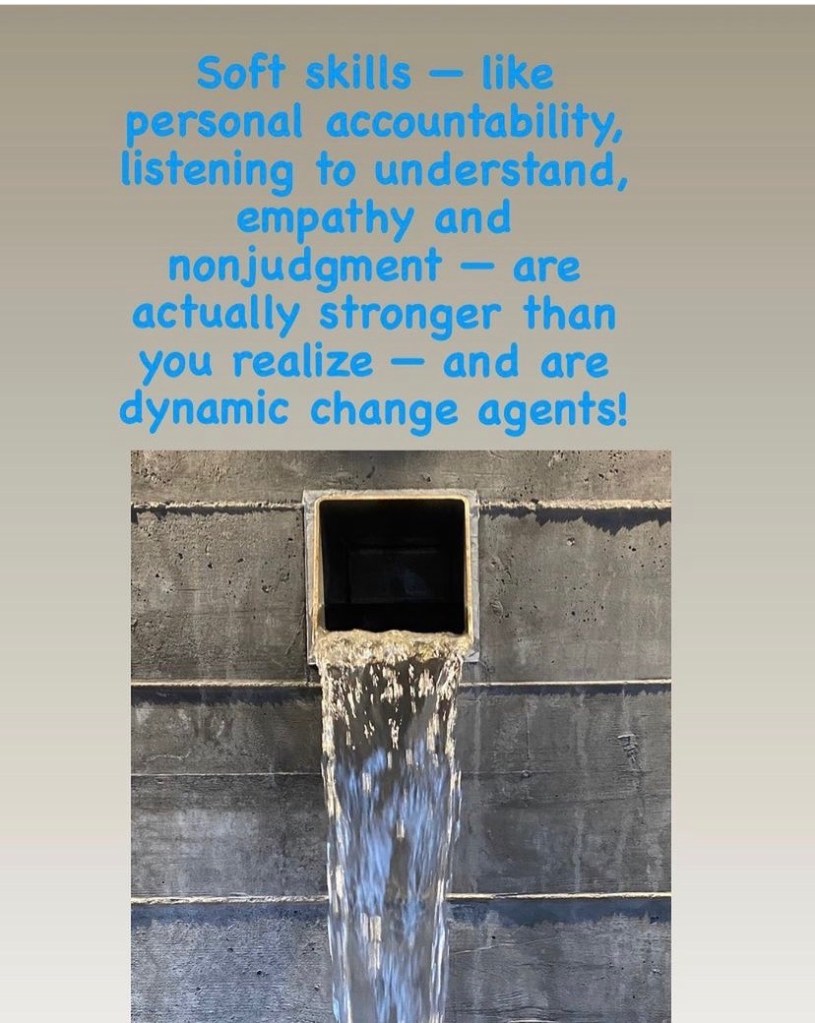
We seem to have this myth that soft skills are not very powerful or effective. That could not be farther from the truth. Perhaps the real truth is that it takes courage, confidence and commitment to actually employ soft skills. It is not easy to admit we were wrong or that we need to apologize. And yet personal accountability builds trust, respect and better connections with others. Owning our mistakes is a powerful soft skill. Personal accountability for how we conduct ourselves and the standards we hold ourselves to reveals our integrity and core values. By the way, did you know that others will often not hold us accountable because of the discomfort that they feel? If we know we have screwed up, it’s such a gift to others to admit and make amends. Now that’s a soft skill that packs a meaningful punch.

Another soft skill that requires awareness and a lot of practice is non-judgment. We can be all too quick to judge someone else, using our own experiences and standards as a filter. All too often, we are sadly mistaken about another’s situation, their choices and their emotional landscape. Catching ourselves being judgmental is the first step. The next is to lean into empathy. What if we were judged inaccurately by another? How would that feel? That little pause and frame of reference can shift us to becoming more compassionate, curious and non-judgmental.

If someone is courageous enough to tell us their story, can we listen to better understand them and their experience? This soft skill requires us to refrain from formulating our response while listening, from rushing in to give advice or fix. We are listening to understand. Seem simple enough, but it does not come naturally to most of us.

These simple (but challenging) soft skills are game changers. Imagine your closest relationship and how things might transform if you took personal accountability seriously, shifted from being judgmental and even critical to being open-minded and curious, and if you became a really good listener?

I hope you have found these nuggets of wisdom to be helpful and motivational. Just one more observation to share: It’s becoming very evident that people are really searching for more face to face interaction and better connections with each other. My friends and I have noticed this in our neighborhoods and communities. When we take a better version of ourselves out into the world, we become part of the “relational scaffolding” that Dr. Bruce Perry believes is transformational for humankind.

Everybody has something they are dealing with each and every day. Strive to help others by being kind, sharing a smile, holding a door, offering a compliment. It really does make a difference.

RECOMMENDED RESOURCES:

Check out my last two blog posts on Deliberate Growth to learn how you can “upgrade your brain” to fastback your personal growth work:

Deliberate Growth

https://inspirednewhorizons.com/2022/07/24/deliberate-growth/

How to Achieve Deliberate Growth

https://inspirednewhorizons.com/2022/07/26/how-to-achieve-deliberate-growth/

Deliberate Growth

We have positive experiences every day that present us with opportunities to learn something new. Yet all too often, we miss those golden opportunities for a variety of reasons. The brain’s natural negativity bias is one key reason.

Another is the fact that often we are just not paying attention. We do spend a fair amount of our time each day operating on auto pilot, navigating through life with habits and patterns we haven’t proactively updated for years.

Think about this: We update our phones to fix glitches and install upgrades. In fact, we are eager and excited about upgrades for our devices.

We can do the same thing for the most amazing experience processors we possess — our brains! We can actually “upgrade” our personal operating system by cultivating awareness and proactively rewiring our brain to “take in the good”. Maybe we just need to reframe brain health as our personal “upgrade”.

Every time you take in the good, you build a little bit of neural structure. Doing this a few times a day — for months, and even years — will gradually change your brain, and how you feel and act — in far reaching ways. –– Dr. Rick Hanson, Author of Resilient, NeuroDharma and Hardwiring Happiness.

Game-changing breakthroughs are occurring in the fields of neuroscience, neurobiology, psychology and mental health that we can tap into from the comfort of our own homes to give our brains — and our lives — a major operational upgrade!

In his recently published study in the Journal of Positive Physchology, entitled “Learning to Learn from Positive Experiences“, Dr. Rick Hanson reveals the profound revelations of our capacity for “deliberate growth”.

The focus of this study was how to make learning “stick”; how to build those internal resources that we need when facing life’s challenges. Those inner strengths are things like courage, resilience, patience, confidence, compassion, and emotional know how.

There has never been a study done quite like this. Previously, the little research that did exist had been primarily focused on external factors like settings, environments, behavioral patterns; or broad, global attitudes such as having a “growth mindset” or being open to our own experiences. Even cultivating “awareness” about our emotional triggers and childhood behavioral patterns was only the first step in moving towards healing and personal growth. Being aware is key — but how do we make lasting changes in the ways we show up in the world?

As Dr. Rick Hanson points out, “what makes the most difference is where the neurological rubber meets the road in how we directly engage our experiences of what we are trying to grow.”

Positive neuroplasticity!

This is groundbreaking and game-changing research that will become a foundational component of mental health, personal growth, brain health and overall wellbeing.

By being proactively engaged in our positive experiences as they are occurring, we can disrupt the brain’s natural negativity bias and build stronger neural pathways for our inner strengths. We become more skillful at “taking in the good” and we strengthen core resources for handling adversity.

Dr. Hanson explains that if we are trying to grow inner strengths like happiness, patience, or self-worth, it starts by actually experiencing it. So often, when we are having a positive experience, it can wash right through our minds like water through a sieve. A momentary experience of pure joy or feeling patient fades away quickly. It doesn’t stick.

In his earlier teachings, Dr. Hanson would encourage us to become aware of those good feelings associated with a positive experience and hold on to them for 15-30 seconds. While that was helpful for us to begin recognizing how many good experiences we were having during a day, it was one half of the equation — it was “activation”. This new research reveals the second — and most impactful –step in the learning process. It is “installation.”

Activation and installation are the keys steps for our brain upgrades. Makes sense doesn’t it? We can get messages on our phones about a new upgrade, but until we actually “install” it, we don’t get the benefits of that upgrade. Same simple concept applies to our brains — it takes both activation and installation.

By using the methods from Dr. Hanson’s study, we can deliberately and directly increase our positive neuroplasticity which causes the actual experience to lodge inside of us. The experience sticks. It’s like planting a seed of the resource we wish to increase.

The more we deliberately and directly engage with our positive experiences, the more we are attending to the growth of those inner strengths every day.

These are such extraordinary findings because we now have several key factors to add to the field of positive psychology which Dr. Martin Seligman introduced over 20 years ago. It was long held that a person’s character was pretty much set by around the age of 20 but we’ve learned that this is not at all the case. People change all throughout their lives and have the ability to grow and expand their inner resources as they evolve. As Dr. Hanson’s study confirms, we do have the capacity for deliberate growth.

Not only can we acquire resources like resilience, patience, courage, self worth and emotional know how, we can supercharge the acquisition of these inner strengths by moving them from “states to traits”. Dr. Hanson points out that we have to move from “states to traits” for any kind of lasting learning.

In his book, Atomic Habits, James Clear encourages us to cast a vote for the person we wish to become. He often suggests we have a strong image in our minds of a real life person who embodies the values and characteristics that we wish to grow. This concept of “casting a vote” is that every small and simple action that reinforces those good habits, done consistently over time, helps us “install” new, improved habits. Eventually, we do actually become a better version of ourselves and it appears to be fluid, organic.

It is this very same principle that Dr. Hanson’s research proves for our capacity to grow core inner strengths. Over time, with consistent, engaged daily practice, we move from someone who can tap into reservoirs of calmness or resiliency, to a person who actually is calm and/or resilient. We move more fluidly and organically through life with those core inner strengths as our compass and ballast.

Very simply put learning is conscious. Dr. Hanson emphasizes that we must help our positive experiences change the brain. No brain change, no learning.

Here is the stunning truth: We have the most amazing computer installed in us from birth — it is our brain. Yet we operate unconsciously about all the features and capabilities of this most incredible, malleable, multi-functional technology. Few of us ever read an operator’s manual for our brain. That’s a core reason why we have trouble parenting — we don’t understand how a child’s brain develops. As our bodies grow and our lived experiences shape us, we keep operating on auto pilot with a brain that would love an upgrade.

Let’s not forget that the factory default for our brains is a turbo-charged negativity bias. Basically when we are young, that factory setting helps us to stay alert for what we need to survive — food, safety, nurturing. And we are completely vulnerable, dependent on others to ensure those basic needs are met. But as we grow, learn and become autonomous, we gain agency for ourselves. However, if we don’t upgrade our brain, that default setting of the negativity bias will not serve us well. Quite candidly, that is where most of us are operating from unconsciously throughout our adult lives.

Dr. Hanson was not shy about pointing this out as he discussed his research findings on the July 11th Being Well podcast. Imagine just how dispiriting it is for counselors and therapists to hear that the turbocharged negativity bias of our brains is one of the toughest roadblocks for our quality of life, for healing from trauma, for personal growth and building core inner strengths.

And yet — it is also the most profound pivot for all of us. Positive Neuroplasticity! We can embrace our capacity to deliberately upgrade and grow a bumper crop of inner strengths.

Dr. Rick Hanson partnered with the Greater Good Science Center in Berkley, CA, along with other esteemed peers to do this research study. His excitement for this new discovery is contagious and encouraging. Dr. Hanson has spent his life dedicated to melding neuroscience and psychology to help us live happier, healthier lives in alignment with our potential and our values. This transformational discovery about how we can deliberately “active and install” a positive upgrade in our most amazing brains is going to have a huge impact on mental health treatments and services.

In a few days, I will share another blog post that details the steps in the HEAL method that Dr. Hanson teaches for us to activate and install our brain upgrades. It is my hope that you will find this new neuroscience breakthrough as dynamic as I do — and that you will take the time to listen to the lively discussion about it in the Being Well episode I’ve linked below.

Who’s ready for a transformational positivity upgrade?

RECOMMENDED RESOURCES:

HOW TO MAKE LEARNING STICK!
https://www.youtube.com/watch?v=QI9bewaqN-Q

JOURNAL OF POSITIVE PSYCHOLOGY – RESEARCH WHITE PAPER BY DR. RICK HANSON: LEARNING TO LEARN FROM POSITIVE EXPERIENCES”

https://www.rickhanson.net/learning-to-learn-from-positive-experiences/

The Problem with Loving our Problems

“The problem with problem loving is that we become satisfied with discussing the problem and uncomfortable with imagining solutions.” — Dr. Shawn Ginwright, author of The Four Pivots.

This keen insight from the book, The Four Pivots, really caught my attention. As a consummate “fixer” most of my life, I would dive headfirst into “problem-solving” mode for myself and others — without an awareness that I wasn’t being helpful in most cases. The root cause of my fixing pattern was — discomfort.

I learned this from my childhood. It was how I believed I was contributing in a positive way to my chaotic family environment. As a kid, I was “managing upward” trying to help co-regulate, calm and deflect my parents’ wildly uncertain behaviors. These childhood patterns often contribute to both our strengths and our roadblocks as we enter adulthood.

My problem solving pattern got honed in some very positive ways — I am resourceful, able to see both big picture and the smaller one at the same time, and I am highly attuned to problem prevention.

The roadblocks to my “fixer” pattern were that I often solved the wrong problems, disenfranchised people from their agency to solve their own problems, micromanaged others thinking I knew what’s best, and disempowered others from asking for the help they truly needed and preferred.

Add to this combo that I am a strong type A who is always busy and thrives on the “doing” and you can readily understand that I could become a steamroller with the best of intentions but doing more harm than good.

In his book, The Four Pivots, Dr. Ginwright brings into focus how doing our own self-reflection and self-discovery work shifts us to the healthier side of who we really are — growing up and growing into our more authentic, grounded selves. Released from the problematic components of our old behaviors, patterns, beliefs and biases, we can move with greater ease into our unique gifts and talents.

As both an enlightened and reformed helper, I often use this quote about teaching a man to fish as my anchor when I am interacting with someone who is in struggle or overwhelm. It serves to remind me that a bandaid is a temporary solution for recurring, problematic reactions or responses to life. How can I best support another person to find their own long-term solutions?

While reading Chapter 8 (entitled “Possibility”) of Dr. Ginwright’s compelling book, I had a rather profound “aha” moment. Reflecting on some of my experiences with others over the decades, I could now easily recognize that a core issue was in fact — problem loving. People often rebuke a possible solution or strategy to tackle a problem that just keeps happening over and and over again in their lives. Now I get it — there was innate satisfaction in discussing the problem, ad nauseum — and a lot of perceived discomfort by taking personal action to change. Two more quotes readily came to mind:

To admit that we might need to change, to let go out of outgrown armor and patterns, does require us to be honest with ourselves — and that is a very vulnerable space to enter. Just thinking about makes us uncomfortable. So we just might find it easier and more satisfying to stay stuck, to keep complaining, and to keep repeating the same patterns. Far less vulnerable to simply project onto others all the work we probably know we need to be doing for ourselves — and on ourselves.

Dr. Ginwright offers this profound truth: “No fundamental change has ever come from problem fixing.” If our focus is solely on what we don’t want, we only turn our attention to eliminating. By reframing “problem fixing” to “possibility creating”, we shift our focus (and our thinking) to imagining and articulating what would feel really good, supportive and meaningful to us.

Here again, Brene Brown’s teachings and Dr. Ginwright’s work intersect: Language matters! Dr. Ginwright states that we should be mindful and avoid defining the world we want by articulating what we don’t want. Brené Brown teaches us that “clear is kind” — it is far better to state calmly and clearly what our boundaries are and what are needs are than to hope that other’s will be mind-readers.

When our focus is on eliminating what we don’t want, we tend to lean heavily on negative words and terms: Things never work out. It’s a constant struggle. It’s an uphill battle. Why so confrontational?

If we reframe our situation and come at it with imagination and creativity, we not only paint a different picture for possibility creating, we more naturally use language that supports this more affirmative approach: What can we invent to make this easier? Can we turn this job into a playful game? What big idea can you contribute? What if we discover something better? We are open to possibility! What does support look like for you? How can I best help you?

I could not help but think about incredible difference this profound shift could make in family dynamics and in personal relationships. Leaning into a pivotal change — infused with imagination rather than resistance would become a pathway for cooperation, encouragement and teamwork.

The reality is that possibilities are limited when we aren’t receptive to trying new things, exploring a different approach, setting priorities and owning our go-to patterns. People are reluctant to invest their time and energy in us if we stay stuck in our status quo of problem loving.

What is so revelational about this reframing approach is that it quickly gets us to answer the all important question — what is the endgame? If we are just hitting the repeat button on the same pattern, is it working for us? Are we moving forward and making progress toward a goal, just treading water, or losing traction?

Rather than complaining about what is not working and turning our focus on eliminating problems, we can try this new approach. Re-imagine, re-frame and get creative. Positive affirmation along with a genuine commitment to meeting change with enthusiasm and ingenuity will also foster more cooperation, teamwork and support. People are more inclined to invest their time and energy into us and our relationships with this transformational approach.

RECOMMENDED RESOURCES:

Listen to this remarkable podcast conversation with Dr. Rick Hanson, Forrest Hanson and Terry Real, family therapist and best selling author, to learn how quickly Terry gets his clients to shift their relationship dynamic and embrace change in a positive light:

Intimacy, Individually & Breaking the Trauma Cycle with Terry Real
https://www.youtube.com/watch?v=wEtkkCRwTRo

sss

This game-changing book makes the case for doing our own personal growth work in tandem with the activism work needed for transformational changes for humanity.

When Individual Personal Growth Impacts Community

It has been nothing short of remarkable to witness the transformational changes in my friends as they have been embracing self discovery and personal growth. A few friends proactively embarked on their journey due to a feeling of discontent or because life through them a curveball. Others were drawn in as they witnessed their friends showing up with more confidence, more energy and passion. No matter the on-ramp, these friends made a commitment to positive changes.

Not surprisingly, their circle of close friends also shifted and began to mirror the qualities and values that support mutual growth. Conversations went deeper which resulted in stronger bonds of trust and connection. It is proof positive that the energy we put out into the world comes back to us.

Elevate your energy, your goals, your curiosity and you soon discover you are drawing “like kinds” onto your path. It’s the law of attraction. It’s also the hot tip that James Clear offers in his book Atomic Habits: surround yourself with the kind of people who possess the attributes and traits you wish to cultivate.

This transformation and the resulting positive shift in family relationships and friendships is a natural progression in the personal growth experience. This had been – and continues to be — my own experience. It is also what fuels my daily practices of self-awareness and personal growth.

I remember being very immersed in Pema Chodrun’s teachings years ago, and two things really stuck with me. The first is that when we commit to doing our personal development work, we make it easier for others to pursue their own. The second is that when you begin to show up differently with family and friends, it will take a while for them to accept those changes; if and when they do, they have the potential to evolve as well.

About two years ago, I wrote about how excited I was that so many of my teachers, authors, mentors and resources were intersecting into the developing space of contemplative neuroscience. Awareness, mindfulness, meditation were becoming integrated into neuroscience, mental health, therapy and personal growth.

Today I am excitedly observing the positive impacts of individual personal development spreading out into communities through the stories my friends are sharing with me. Individually these friends have done a lot of personal growth work; collectively they are making a huge contribution to others as a direct result of their own inner work.

It does not surprise me at all that my friends are change agents. All along they were committed to being helpful, supportive, contributing members of their families, workplaces and communities. The personal growth work that they have done in recent years has served to make them much more skillful, empathetic and magnetic to others. And the others that are seeking them out for guidance are those that are equally committed to positive change.

Perhaps that is the most noteworthy difference — People can sense the groundedness in my friends and they hunger for that peace, calm and authenticity.

Collectively we have experienced several years of uncertainty, disruption, confusion and major challenges. There is a growing interest and need for support, tools and resources to help cope with it all. It is no wonder that the negative stigma once associated with mental health and therapy is rapidly shifting — and the demand for mental health services, counseling and therapy is on the rise.

This is precisely where Pema Chodrun’s two part wisdom is really rising to the surface. With so many people in struggle right now, those who are further along on their personal growth journey are beginning to stand out in the crowd.

Pema’s wisdom coincides with the research of Dr. Bruce Perry and Dr. Dan Siegel. We need relational scaffolding in our families and our communities — now more than ever. This respectful, empathic and non-judgmental scaffolding has been in decline for decades. Unfortunately social media has amplified the disconnection and created more roadblocks to embracing our differences and discovering our shared humanity. As Brené Brown shares with us — it is hard to hate someone close up. Face to face, heart to heart, shared experience conversations are the ones we truly need — these are the ones that build relational scaffolding. Dr. Perry also calls this relational and emotional webbing — and it is an informal and integral part of the mental health support so urgently needed right now.

Several of my friends are business and life coaches. Their businesses are thriving because people are clamoring for better tools and life skills to help them navigate their own intersections of personal life and work life. Because my friends have done so much of their own inner work, they have a sixth sense about behavioral patterns and past traumas that might be unconsciously causing some of the problems. But it is not just their awareness of these potential roadblocks, it is the ease they possess with hearing uncomfortable stories, their tenderness when vulnerabilities are shared, their non-judgment and deep empathy for all that another person is navigating. Major breakthroughs are occurring with their clients because my friends are paving the way, lighting the path and leading by example.

Brene Brown’s Dare to Lead certification program is built on this premise — Do the brave work, have the hard conversations, lead with whole hearts (aka shared humanity). In his compelling new book, The Four Pivots, Dr. Shawn Ginwright draws a very connected line to our own inner work and the relationship it has to transcending and transforming our collective systemic problems.

As Pema Chodrun says, we have to know ourselves well before we can truly begin to know others. It is our own inner work that expands our capacity to be fully present with others and to be able to listen to understand. We shed our old behaviors, beliefs and armor that prevented us from being better listeners — and we have more bandwidth to not let our own experiences distract us from learning from another’s different experience.

This is another noteworthy observation — those who know themselves well often are more comfortable with paradox, they are able to be with tension of opposing ideas and experiences and find the common thread.

It is not only my friends who are professionals in coaching and counseling, it is also those who do compromise the community scaffolding that Dr. Perry and Dr. Seigel espouse. People just like me who are practicing self awareness and personal development in a committed way. My book club friends, my longtime friends and some new acquaintances support each other on our journey. We share our favorite resources including books and podcasts and we have a lot of long, deep conversations. We learn so much from each other’s stories and we expand our capacity and curiosity as a result of the diversity of other’s trials and tribulations.

We support each other with breaking old habits, are growing more comfortable with holding each other accountable to our desired goals and the new habits, patterns and responses that will get us there. We often remind each other of how far we have come on our journey. We encourage, we listen, we hold space and withhold judgment.

As my friend Diane Brandt would say “the blessings go both ways” in these relationships. It is true that even a seasoned personal growth student will learn something new when they are supporting another person in their healing and growth. This is the “mirror” work that Dr. Shawn Ginwright emphasizes in his book, The Four Pivots.

Over the past year or so, I have witnessed that as my friends are showing up quite differently in life through their own personal growth journey, they are also attracting new people into their friendships and community endeavors. They delight in sharing with me the deeper, richer and even more challenging conversations they have with both old friends and new. My friends are sharing their personal experiences of mindfulness and awareness with others. They are offering all kinds of resources and wisdom to those who express an interest in their own personal development.

As I reflect on where we all started on our journey and where we are today, I am filled with a renewed sense of hope and optimism for the future. My friends and I represent a thin slice of what is happening all over the globe as people are realizing that change is most definitely in order. For every single one of us who commits to cultivating more self awareness and doing our own work with a growth mindset, we are planting seeds of positive change in the hearts and minds of others. I am seeing this in action, in a microcosm of my circle of friends and family. Small actions, done consistently over time compound in the most transformational ways. We all can make a meaningful difference.

RECOMMENDED RESOURCES:

This episode entitled “Couples Insights” is such a compelling and relatable example of personal growth using the enneagram to cultivate self-awareness and bring an even deeper connection to a longterm marriage

https://podcasts.apple.com/us/podcast/typology/id1254061093?i=1000564980702

“Whatever he has, I want it!”

Hugh Jackman shared a personal experience about meeting up his longtime friend after a few months of being apart — and noticing almost immediately that something about him was strikingly different. “Whatever it is that he has, I want it, ” Hugh thought to himself.

Hugh Jackman was a featured speaker on the last day of a 4 day summit that I participated in this past week. I was drawn to the summit by the extensive list of presenters and the wide array of resources — all under the heading of “The Healing Power of Relationships.” While most of the presenters were experts in their fields of neuroscience, mindfulness and meditation, trauma and childhood development, Hugh was “one of us” — an eager student of personal growth.

If you are a fan of Hugh Jackman through his various acting roles, you are probably drawn to his charisma, talents and easy going personality. Trust me, if you had witnessed him sharing his personal stories and his self-discoveries so vulnerably in this summit, you would be an even bigger fan. A fan of another human being that is evolving into the best version of himself — and inspiring others to do the same. Just as his longtime friend did for him.

You see, that “difference” that Hugh was seeing and feeling emanating from his friend was this grounded sense of calm and authenticity. Hugh’s friend explained to him that he’d been working with a therapist, Terry Real, and that it had been a game-changer for him. Hugh was all in.

Take note — it wasn’t that there was a major crisis that prompted Hugh to meet with Terry. It was seeing a change in his friend that inspired him. This is not at all surprising. It becomes very evident to others when we’ve undergone a significant change, especially when it is related to personal growth. The secret: it’s co-regulation.

When you are in the presence of someone who is calm, has good energy and an innate sense of empathy, you feel it. In fact, those attributes will bring you into alignment with them. Of course, you’d have to be paying attention to consciously recognize it, but there’s no doubt that your heart rate would slow and any tension you were feeling would dissipate somewhat. That’s co-regulation.

This works in reverse too. Frenzied, disregulated energy is super magnetic and stickier than fly paper. A toddler throwing a a temper tantrum and an agitated parent rarely leads to a quick deescalation.

What Hugh Jackman learned as he took a deep dive into self awareness and personal growth with Terry Real is that our relationships and experiences have impacted us all throughout our lifetimes. Unbeknownst to us, some of that emotional baggage and the habits we’ve developed actually weigh us down, distract us and even set us off on a wrong course. Furthermore, we are learning that some of the age-old parenting models and myths we were raised on were wrong. We can thank neurobiology, neuroscience and psychology for these transformational breakthroughs.

Hugh was quite honest about what he discovered and uncovered about himself through his sessions with Terry. Things that surprised him, things that didn’t really surprise him but were hard to reconcile, ways he was responding to life that created the anxieties he was trying to avoid. The truth is that to get to that place of authenticity and grounded calmness, it is necessary to discard what isn’t working. We literally can “lighten up”.

When we drop the armor we use to protect ourselves, unpack the habits and behaviors that aren’t matching the adult we want to be, and realize that old myths were so wrong — that’s when our true authentic selves get to come out and flourish.

Hugh Jackman was most enthusiastic about how his life has changed for the better since working with Terry. He’s more present in his daily life, more relaxed and fluid with his time and creativity, deepening his relationships with his wife, his kids and his friends (especially his male friends). He wants to spread the word about the game-changing, transformational benefits of personal growth work and the healing power of our heathy relationships. His participation as a guest in this 4 day summit was testament to his commitment to inspire others.

I’ve shared in prior posts a few of the things we got wrong that may have pre-disposed us to developing habits that have not served us well: Believing that showing vulnerability was weakness, that we should live a life without reflecting on regrets, or that “sucking it up”, “pushing through” our emotions was the best way to move on after heartbreak or adversity.

A big myth for men was that they should not show “feminine” emotions. While “anger” was perceived as acceptable and manly, “sensitive or crying” was not. This melted over into parenting and we believed that soothing our little boys when they were scared or hurt would turn them into sissies.

Dr. Dan Siegel was instrumental in blowing the lid off both of these harmful misconceptions. Children, regardless of gender, need to be soothed and supported when they are scared or hurt. In fact, we actually help to build their grit and resilience by being proactive in acknowledging what they are feeling and assuring them. This proactive approach also helps a child develop empathy and compassion for others. Bullying, entitlement and power struggles are rooted in a lack of empathy.

As for our wide array of human emotions, both Dr. Siegel and Dr. Bruce Perry reinforce the importance of learning how to be with our emotions, to process and learn from them and respond in an appropriate way. Naming emotions helps our children create emotional agility and self-regulation. Stuffing or dismissing emotions only puts them in a dark closet that will eventually spring open and cause major havoc.

Generations of men were incorrectly taught that vulnerability is weakness and showing emotions is unmanly. Is it any wonder that men may have a hard time showing empathy, struggle with emotional regulation, and deal with confusion when they are hurting or fearful. Not to mention all the challenges they face when trying to navigate the emotional landscape of their partners and children.

Gender simply does not matter when it comes to emotions, vulnerability, empathy and connection. What does matter is teaching ourselves and our children the skills and tools to better understand how our emotions, vulnerability, empathy and innate need for connection are instrumental for our healthy relationships.

This brings me back to co-regulation. Many of us grew up in homes that did not have a lot of positive co-regulation. Because prior generations of parents did not have the knowledge and resources we have today, there were many disregulated emotions and unhealthy parenting practices. We grew up vowing not to behave like our parents, but without an awareness of the root causes of so much confusion and dysfunction.

During the 4 day summit there was a fair amount of time given to both big T and little t trauma in childhood. We all developed some form of adaptive child behavioral patterns when we were little. With young developing brains and limited language, we developed habits to help us make sense of what was happening in our lives. Terry Real shares that we just did not have the capabilities of a fully developed prefrontal cortex to help us.

Yet all too often, we are still constrained by those adaptive childhood patterns. We are simply unaware that we are confined by these childhood patterns; things like people-pleasing, conflict avoiding, perfectionism, hyper vigilance and anxiety. This is where a counselor, therapist or even a trusted friend can really be of value. Once we become aware of these adaptive child patterns, we can begin to break old habits and move into the freedom of truly being ourselves. I have a feeling that this is also what Hugh was witnessing when he saw the transformation in his friend.

When we shed those old patterns and step into our fuller selves, it is so amazing. No longer encumbered, we can readily identify our needs, set boundaries, stop excessive worrying and time travel. We can truly feel comfortable in our own skin. We can be more fully present.

Grounded confidence comes from knowing ourselves well. This creates an inner calmness. Eliminating patterns that were distracting brings a lot more clarity and sharpens self-awareness. Learning to have compassion for ourselves fosters empathy for others.

When we know ourselves well, we have a much clearer lens with which to see others. It makes it so much easier for others to be vulnerable, and show up as their true selves. Our connection with others can deepen because we are open now — to listening to understand (rather than defend or respond), to be curious rather than judgmental and to be empathetic to what they are feeling (even if it quite different from our own experiences). This is co-regulation. We meet others where they are.

Hugh Jackman shared that he is part of a men’s group that is committed to personal growth work and supporting each other through all aspects of their lives. His friend that introduced him to Terry Real is very quick to “see through” an “I’m OK” response from a buddy and is fearless about going deeper to support his friend. Together, they have forged the relational scaffolding that Dr. Bruce Perry advocates for — the empathetic emotional support we all need to survive and thrive.

What I am so inspired by is the number of men who are embracing personal growth work, cultivating more self awareness and recognizing that old paradigms are relics of the past. These are the men that are proactively involved in raising their sons and daughters with equanimity.

Definition of equanimity: mental calmness, composure and evenness of temper, especially in a difficult situation.

Recommended Resources:

You can watch Hugh Jackman’s interview — it begins at hour 6 on this YouTube presentation (Day 4)

Increase Your Self-Awareness https://www.youtube.com/watch?v=pbs5MLgjZKs

Don’t Hit Snooze on a Wake Up Call

It is often a sudden realization that we are not having “fun” anymore that sparks an awareness that something needs to change. We reach a point where we just stop in our tracks and acknowledge that for all the effort we are putting in, we aren’t really getting back what we thought we would.

This is a recurring theme in the books I am reading, the documentaries and TV series I watch, the pivotal stories of the people who inspire me. Brene Brown called hers a “mid-life unraveling”; Dax Sheppard talks about hitting “rock bottom” multiple times; my new friend, Joe Stone, had a revelation after failing to accomplish a physically taxing triathlon challenge he’d set for himself.

These moments are “wake up calls” for our life. Truth be told, we most likely have many of them throughout our lifetime. Sometimes we just need to make an adjustment. Other times it is a full stop, transformational shift in how we are actually engaging with our one precious life.

In a recent interview with Ed Mylett, successful country musician, Brett Eldredge, shared that his pivotal moment came when anxiety and panic attacks were more prevalent than the joy he thought he would be having, even as he was living his big dream life. At age 36, he was feeling the heavy demands that came with success. He shared with Ed in his interview that he struggled with imposter syndrome and being a longtime perfectionist.

He hid it well – at least to the outside world. His social media posts were upbeat, frequent and playful. He kept the hectic pace — giving engaging interviews and dynamic live concert performances fueled by his perfectionist ways and others’ expectations.

Brett’s wake up call came when he finally said to himself — “This is not a way to live. I’m supposed to love this thing.” He confided that he was playing a lot of “what if” games in his mind, and was totally self-doubting. He was destroying himself mentally.

It’s moments like this, when we really ask the question– “what is going on?” When we are doing what we love but it is not loving us back. When we are not feeling the joy, the good energy, the deeper fulfillment. Moments like this are the wake-up calls.

Ed Mylett asked Brett what he did after this realization. His response – “I had to get out of my head and into my life!”

Brett’s first instinct was to get outdoors. He started to create a new routine for himself. One that would help him get grounded, more in touch with the present moment. He started taking morning hikes.

The Greater Good Science Center has long promoted getting out in nature as one of the best resources to restore peace of mind and boost our creativity. Brett was heeding his natural instincts when he implemented morning hikes as a part of his new daily routine.

Brett was born and raised in Paris, Illinois – “a great place to be from,” he says. He had a great childhood for which he is very grateful. He also acknowledges that he may have taken on some of his parent’s patterns. His mom was a “worrier” and his dad had a tenacious work ethic with high standards for practice to ensure success.

Ed Mylett interjected that he too had a great childhood and a dad who not only loved him but really wanted to keep him safe. Ed is pretty sure he heard “be careful” at least 5,000 times over his father’s lifetime. One day at age 45, Ed asked himself if that message held him back a bit.

Ed firmly believes that “patterns, beliefs and even limiting beliefs were installed in us as children, by loving, well-intentioned people.” He points out that our emotions are neither negative or positive, but too much emotion can paralyze us. He coined a catchy phrase about this childhood installation of patterns and beliefs. Ed says they are “caught not taught”.

Brett could relate — he recognized that his perfectionism, his high anxiety that led to imposter syndrome and panic attacks might have been rooted in what he picked up as a kid. With therapy, and a lot of digging in, he cultivated greater self-awareness.

Personal development work gets a big jumpstart by identifying behavioral patterns and recognizing how emotions can derail us, especially if they get a full head of steam. We can’t fix what we are unaware of — which is why becoming more self-aware is so important.

Brett supported his personal growth efforts by listening to people who inspired and educated him. He wanted to learn and grow. He started listening to motivational podcasts, including Ed Mylett’s. He discovered books that supported his journey. I confess I smiled when I heard that he had recently read “Breath” by James Nestor (and yes, it is in my personal library).

One of the most powerful change agents for personal growth is finding good role models and surrounding ourselves with people who are on a similar path. As Ed Mylett pointed out in his conversation with Brett, “The more you learn about people who are successful, the more you will begin to believe you can be successful too — because they are not much different from you.”

Brett shared that he seeks out the people who have a message he can believe in and who have a willingness to keep growing, readily admitting that they don’t have it all figured out either.

Finding resources that are relatable and authentic helps us build our personalized toolkit to support our healing, learning and growing. There is an abundance of motivational and educational podcasts. Often those podcasts will be the springboard for discovering other motivators, authors, specialists – and tools. The more you know, the more you grow.

As Brett was becoming more aware of how he could be distracted by thoughts, the “what if” game, and mind travel, he also realized just how much time he spent on his phone. What started out as checking email or texts turned into a boatload of wasted time needlessly scrolling. He realized that the scrolling was driving his anxiety through the roof; the continual dopamine rush was unhealthy.

Ed Mylett chimed in and said our phones and social media are “presence stealers“.

Since Brett was committed to being more present, he took a drastic measure and got a flip phone. He just wanted to disrupt the cycle, the old habitual pattern of reaching for the phone, and getting lost in it. Eventually he did return to an iPhone, but he has a timer for his social media use — and has someone else set the passcode so that he can’t override it. Now that’s commitment to a new habit.

All we have to do is a take a look at our daily screen time to realize that our devices are getting far more attention than we’d like if we were being honest with ourselves.

If you think you don’t have time to invest in a walk, mindfulness practice, exercise, read a book or have a face to face conversation, take a look at that screen time usage –and then reclaim control of your time and attention.

Discovering just how much of our attention we waste every day is such an important topic. Not only are we not fully present for about 50% of our daily life, we are often mentally foggy and overwhelmed. It’s not just our devices, though they are a big component of the larger problem.

We need to gain a better understanding of how our amazing brain works and we need to train our attention so we can operate at an optimum level. The book, Peak Mind, by Dr. Amishi Jha is a premier resource for anyone who wants to master their skill of focus and mindfulness.

Our attention has become a valuable commodity. Advertisers and news media are voraciously vying for it. Think of your attention like your money — where are you spending it?

Brett Eldredge has made a committed shift for his mental health. To help him get out of his head and into his life, he established a structured routine to “armor” himself up for the day. Like all of us, he starts with ordinary things like making his bed and brushing his teeth. Then he amps up his mindfulness — He gets natural light for his eyes, does a 10 minute meditation, journals (the good, the bad, whatever he is feeling) and he sets an intention for the day.

Brett’s morning routine sets him up for navigating his day, centered and calm. He is more aware, more attuned and intentional. Having a daily mindfulness practice is like charting your course for the day. Brett calls this his “armor”. It is his compass that keeps him on the right trajectory no matter what life throws at him throughout the day.

Mindfulness practices provide us with a strong foundation– and scaffolding — to keep us grounded, in alignment with our values, and emotionally regulated as we go through our daily life. Setting an intention reminds us of how we want to be showing up in life, for ourselves and others. Paying attention to our attention unhooks us from wasting this valuable resource, and reduces mind travel, anxiety and distractions.

We feed our bodies so we have the energy to get through the day. We exercise so we are strong and fit physically. Imagine how much more we would gain with each day if we tapped into our amazing brains and supported it as diligently.

Dr. Amishi Jha, author of Peak Mind

Brett shared with Ed that as he was struggling to gain some traction with these changes he needed in his life, he’d have these moments where he remembered how complete strangers pulled him through tough things in his life. He’d think about some of the most random conversations he’d had at tough points in life. Those little moments that just turn things around a bit – – kindness, a word of encouragement, a nugget of hope, a fresh perspective. He knew that these folks probably had no idea that they offered him a foothold — just by showing up.

He is learning to both “reach out for help and to reach out to help”. Brett offers this insightful wisdom: “Be open to that connection. That’s everything.

Their conversation turned to how Brett’s music is a form of storytelling — and how his songs help others get through some of their tough times. Brett humbly acknowledges that he is aware of this. “There is always somebody that needs to hear the message you are about to say. I look for that person in the crowd – the one that is broken or in a tough spot.”

When we lean into our vulnerability, we do open to connection. We get to know ourselves better and what we need the most when we are facing hard times. This gets to the heart of common humanity and deepens our empathy for each other. Pema Chodrun teaches that when we do our own personal growth work, we become a source of inspiration to others and we become helpmates to them. We connect with each other through our stories, where we see our own experiences and emotions reflected back to us.

This interview with Brett Eldredge and Ed Mylett was intended to help others. Both Brett and Ed were fearless about going “deep” with honesty and vulnerability. They also laughed a lot, acknowledged and celebrated each other’s contributions to making the world a better place. We need to have and hear more of these kinds of stories, especially from men. These stories about our “wake up calls” in life urge us to stop hitting the snooze button. Instead, hit the pause button — do some reflection and dig a little deeper to discover what you stand for and who you really are.

“We are all put on this earth to connect with one another.” — Brett Eldredge

RECOMMENDED RESOURCES:

Brett Eldredge Has Imposter Syndrome? How does a COUNTRY SUPER STAR work on his Mental Health? Ed Mylett Youtube Podcast with Brett Eldredge, May 17, 2022 https://www.youtube.com/watch?v=QFFhkhJwfOI