

I’m guessing that you know exactly how it feels when you’re emotionally triggered by something — it seemingly comes out of nowhere, sparks intense negative feelings and abruptly makes you defensive.
We get flooded with adrenaline and cortisol when we are triggered which only amplifies what we are feeling. The conundrum with emotional triggers is that they pull us back into the past while we are also experiencing the very present moment. It’s no wonder we are completely off-kilter when we are emotionally triggered.
It’s human nature to blame someone else for pulling our emotional trigger but the truth of the matter is that our emotional triggers are internal; they are ours alone. No one else is pulling that trigger. Most of the time, no one else even knows that we have a strong emotional trigger that has just been engaged. What they do imagine is that we are over-reacting, have lost control or lost our minds.
Many of our emotional triggers are rooted in our childhood, when we had very little agency. Unbeknownst to us, those strong negative emotions that we felt as kids (but were not acknowledged by our parents and caregivers) got lodged into our brains and imprinted with readily accessible information. So when we “feel” a similar experience even as an adult, our brain pulls out that file and reminds us we aren’t feeling safe. An emotional trigger is a red alert warning.
Give some thought to experiences that cause you to become emotionally triggered. What are you really feeling when a strong, uncomfortable, emotional reaction grabs you? Are you feeling misunderstood, abandoned, unwanted, unloveable, or treated unfairly?
These are all very common feelings for young children, especially if we were punished or banished for expressing them. Those experiences got bookmarked in our brains and we developed a sensitivity to be on the lookout for repeated events like this in the future. We were our most vulnerable when we imprinted these experiences. So it stands to reason, that we will become emotionally triggered when we are feeling vulnerable, insecure or irrelevant as adults.
An emotional trigger is defined as having a strong, uncomfortable reaction to a stimulus that wouldn’t ordinarily cause that response. With this framework, it is easy to see that when we are feeling emotionally balanced, a snarky comment or a misunderstanding doesn’t cause us a problem. We aren’t triggered because we have our emotional act together; we can remain flexible and resilient.
Now give some thought to past adult experiences where you were emotionally triggered — and see if you can recognize that you were feeling pretty vulnerable in those moments. Were you overly tired, consumed by anxiety or overwhelm; were you feeling invisible, under-appreciated? We are most prone to getting triggered when our emotional reserves are low. It’s really no different than our being more susceptible to catching a cold when we are physically run down.
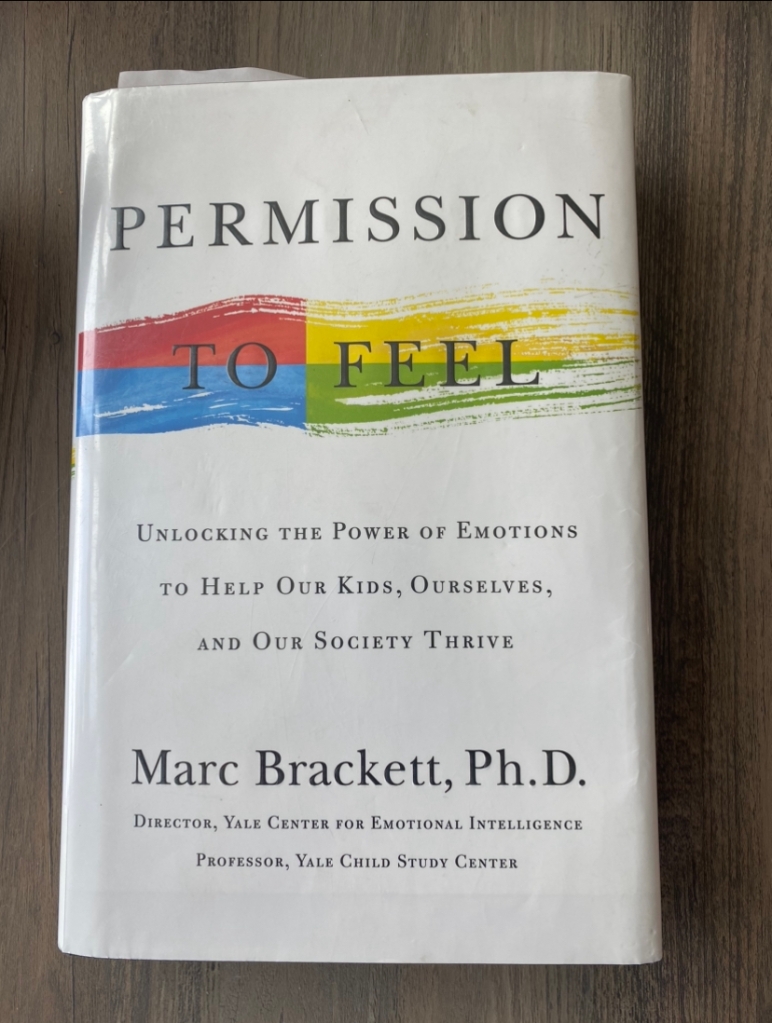
The best defense is a good offense. This is a very good strategy to employ for both handling and overcoming emotional triggers. In his book, Permission to Feel, Dr. Mark Brackett explains that when it comes to being triggered by our emotions, we have to “take responsibility for our actions rather than shift the blame elsewhere. ”
“It may not feel like a choice, but it surely is — we decide how we will respond to life’s provocations. Don’t want to explode in rage when your child is disrespectful? Come up with a better way to respond. Clearly the old way, matching nastiness for nastiness, doesn’t work.” –Dr. Mark Brackett, author of Permission to Feel
We don’t judge ourselves when we are physically run down and know we might be more likely to catch a cold. We make a mental note to get more sleep, stay hydrated and wash our hands more often. The best defense is a good offense.
We can take this same approach when we are emotionally depleted. We can make a mental note that we will be more susceptible to knee jerk reactions than skillful responses. We might even make an announcement to our family members that we just don’t have the emotional bandwidth to deal with unnecessary drama. Again, the best defense is a good offense.
We should be normalizing the fact that regardless of our age, we are all humans with similar emotional needs and changing emotional capacities. This is really invaluable to be teaching our children. Dr. Brackett shares that when we try to shield our children from this reality, it has an unintended result. Children will have a hard time acknowledging adults’ feelings, let alone respecting them.
Emotional triggers are an integral part of our self discovery process. They help us identify what is most important to us and what our current needs are. Once identified, we can free ourselves from the “strong, uncomfortable emotional reaction” to something that really shouldn’t set us off. Instead, we can be more skillful with our emotional regulation and more clear about our needs.
If we are on overload because we have been caregiving on steroids all day, one unintended disrespectful remark from a friend or family member is likely to cause us a twitching trigger finger. Dr. Brackett reminds us that we can take preventive measures for moments like this.
When we offer ourselves some self-compassion, we are acknowledging that we are on overload and are susceptible to losing our cool. We can remind ourselves that if we weren’t so physically and emotionally drained, we would not overreact to an insensitive comment. If we weren’t so worried out, we might even have the dexterity to banter about it.
Does the comment hurt? Of course it does. Let’s not dismiss that either.
But here’s the pivot. An emotional trigger never really addresses our true needs. It gets in the way of expressing ourselves in a way that can be heard and taken to heart. Others just react to our “overreaction” and our basic need is lost in the smokescreen. It’s hard to hear a whispered “I could use a little help here” when there’s a lot of yelling or threatening going on.
Have you ever noticed that emotional triggers can also set off a chain reaction? It is not unusual to hear phrases like “you never listen” or “you always do this”. A lot of baggage is often attached to our emotional triggers, so it’s easy to tap into all those previous experiences and dredge up old grievances. Whatever small incident has set off the emotional trigger now cascades into something much bigger.
Instead of being able to focus and attend to one small and manageable issue, we are now knee deep in triage for a major emotional pileup. It’s hard to assess which issue was the catalyst and which one requires immediate attention. All too often, the one small incident that set off an emotional trigger gets lost and never addressed. But it does get baked into that old imprint of the childhood emotional trigger; logged as yet another example in the bulging file.
In a recent blog post entitled Learning What We Need to Teach, I shared how important it is for us parents and grandparents to be the emotional “training wheels” for our children. The best preventative measures for our children is to integrate their emotions into their experiences; to help them name and process them as they are unfolding. The more we are able to do this in real time with our children, the less likely it is that they will enter adulthood with a lot of challenging emotional triggers of their own.
By now, you probably don’t really need a bigger impetus to get serious about attending to your own emotional triggers, but there is something important that you should bear in mind. Our children’s developing brains take a long time to fully develop and integrate. We protect those little noggins with helmets, but we often overlook the impact our emotional reactions are having. Dr. Mark Brackett writes extensively about this in his book Permission to Feel. In the chapter entitled “Emotions at Home” he devotes a lot of time to emotional triggers; and especially how parents get triggered by their kids’ reactions and behaviors.
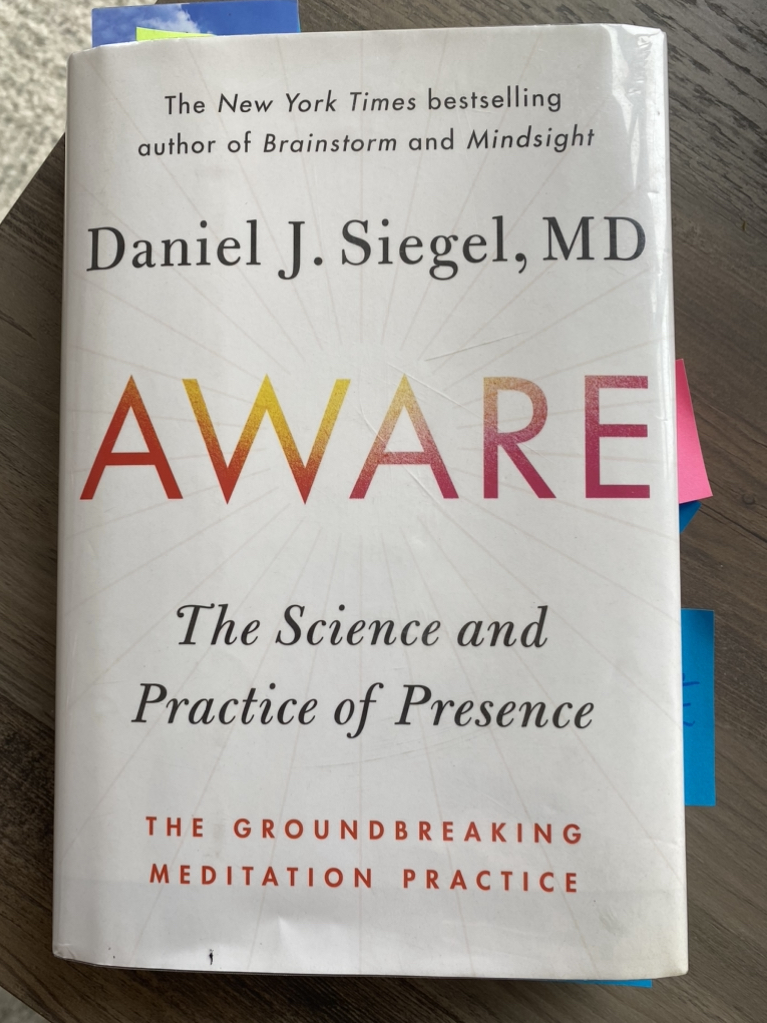
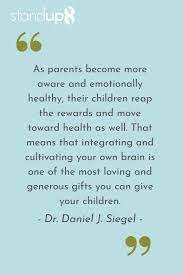
He reminds us that when we get “triggered” by our kids, our compassion switch gets turned off. We’ve all experienced this – and we’ve often quickly regretted how we did not show up so great in those moments. We can take comfort in Dr. Dan Siegel’s teachings that “rupture and repair” is normal in human relationships and can actually strengthen our bonds with our children, as long as we apologize quickly and sincerely; with a promise to do better in the future.
Which is why Dr. Mark Brackett urges us to get serious about attending to our emotional triggers before they become a chronic reality. Extreme emotional reactions, over the course of time, can actually alter the brain structure of our children. The effects of frequent extreme emotional reactions can cause our children to have emotional regulation issues of their own and a lot of complexities in their adult relationships and quality of life.
“A child’s brain is still plastic, meaning that the structure is always changing. The minute parents start regulating their emotions better, their children’s brains will change to reflect that. If parents start regulating their emotions now, and help their children to regulate theirs, then there’s hope.” — Dr. Mark Brackett, Author of Permission to Feel.
Emotional triggers are a by-product of the old parenting models that did not integrate our emotions into our developing brains when we were kids. When we do our own self-discovery work and identify why and how we get triggered, we are detangling ourselves from the past and owning our agency as adults. We accept that we have choices in how we respond to the things in life that provoke us.
The stuff that initially provokes us is usually pretty minor in the bigger scheme of things. But we can make a mountain out of a molehill with our over-sized reactions. We can meet these moments with greater emotional regulation and dexterity. It will be so much healthier for all our brains — and so much more beneficial for our families.

RECOMMENDED RESOURCES:






























 Inspired New Horizons