The Stories We Tell Ourselves

Some of the most fabricated stories we will ever hear are the ones we tell ourselves. They keep us spellbound — holding our attention so completely that we can barely focus on anything else.

If you have ever doubted that you possess a wild imagination and a flair for creative writing, look no further than the many stories that you tell yourself during the course of one normal day.

We are so skilled at crafting these stories that often we don’t even realize we’ve actually taken the time to pen them with invisible ink in our minds. Sometimes it even feels as though we’ve used permanent markers to write them. The stories we tell ourselves impact our lives in ways we can’t even imagine.

During the course of one ordinary day, we can tell ourselves more stories than a two year old demands at bedtime.

The alarm goes off and you hit the snooze button, telling yourself that 15 more minutes in bed won’t make a big difference. Later when you are frantically searching for your car keys, chugging coffee and yelling at everyone to hurry up and get in the car, you create another story. Now you tell yourself are undisciplined for hitting that snooze button yet again; when will you learn and why can’t you ever catch a break? Next thing you know, your car’s GPS announces there are traffic delays on your route and presto, your inner critic becomes a personal ghost writer. You can almost hear the melodramatic music accompanying the litany of ways you will be forever doomed to failure as your inner critics pounds those typewriter keys.

Those early morning story lines can become a snowball rolling down a hill. Let’s face it, once the inner critic takes over, the plot doesn’t change much and there is very little room for character development. The stories we tell ourselves can block us from the very change we so desperately want.

We are natural born storytellers, each and every one of us. Our brains and bodies are these phenomenal meaning making machines. It is a core function of our brains to make sense of the world by constructing narratives and understanding based on our past history and our unique perspectives. We tell ourselves the story we need to hear in order to process and integrate our lived experience.

When we are crafting those stories we tell ourselves, we can find ourselves rummaging through the old card catalog files in our brain’s database looking for the genre that matches how we feel. Picture a dimly lit basement in an old library with sections labeled “Scaredy Cat” “Underachiever” “Timid Wallflower” “Too Much” or “Born Loser”. (I hope that imagery makes you laugh – It’s intended to help you get the bigger picture.)

If we keep going back to the same old resources as the basis for the stories we tell ourselves, then our series is not going to evolve. And there will be little room for our own character development. This is how we get stuck in the stories of our own making.

How often have you read a book or heard a podcast where someone shares just how stuck they were in an old narrative? They let a strong identity from a past chapter of their life take the lead role in all their unfolding newer stories. Once an addict, always an addict. Once a lost soul, always a lost soul.

Take a few minutes right now to think about all those things you believed were true about who you were as a child – and how you have shattered those limiting beliefs by all that you have actually done and accomplished over the years. Were you told you weren’t athletic but now you run races, play competitive tennis or belong to a local hiking club? Were you told you weren’t very smart, yet you have earned a degree or certification in a field that fascinates you?

Those limiting narratives stored in our dimly lit library are so outdated. It is mindlessly going back to that old reference material that limits our ability to shift our narratives. Of course we have changed — and so should the script for the stories we tell ourselves.

The proof is in the pudding.

The very same set of circumstances on any given day will end up with strikingly different stories. Many of the stories we tell ourselves depend greatly on how we are feeling in the moment and our ability to effectively regulate our emotions. The stories we tell ourselves are rather like a “choose your own adventure” book. There are endless possibilities.

We go in search of data from our past. We simply copy, cut and paste all the old familiar plots into the present story we are creating.

We do our best to make sense of what is happening right now pulling from past experiences – and frequently without any editing or updated research.

We even let our inner critic tell the story without a single challenge. This is precisely how we let something from our past foreshadow what might happen in the future – by staying in an old narrative that was never revised.

You landed that dream job but you tell yourself you will likely be unsuccessful, just like the last dream job you had. You make a new friend but you predict that over time, this friendship will also fade away like so many others. You pursue a new hobby but you tell yourself you will never master it like the others.

Not only are our brains meaning making machines, they are also prediction machines — and these two go hand in hand. If we don’t update old narratives, then we also limit our ability to accurately make better predictions.

Even if we don’t intentionally go in and update our old databases, we are ever-changing. Each experience we have shapes us in some way. We are constantly taking in new information, expanding our inner libraries and making genuine progress in many areas of our lives. The reality is that we don’t often flip the switch and explore the newest additions to our database.

Just imagine what incredible material you might find there! Dr. Ellen Langer, author of the Mindful Body, tells us that when we stay current with all the changes and experiences we have, we vastly expand our inner library. We can make any decision the right decision, because we have viewfinders that are more like kaleidoscopes than microscopes.

Dr. Langer reminds us that we have no way of knowing which was the optimum decision – staying in the old job or pursuing the new dream job. The pivot is in making the decision the right one. Was there something we could have done differently in the old job that would have restimulated our passion for it? How we will go into this new job — with a better prediction for its outcome, supported with new approaches to the opportunity? Either choice then becomes right choice.

The best way to help yourself become better at telling yourself stories that support you in positive ways is update your inner library resources. It is two fold — you need to update those old narratives and limiting beliefs and you need to get more creative with your predictions.

There is one more thing that requires our attention — we can work toward getting more comfortable with uncertainty. None of us knows what the future holds. We can stay gridlocked in our fears about the unknown or we can reflect on just how much uncertainty we have already experienced. Not only did we survive uncertainty, we grew through it!

When we were kids we had no way of knowing what our adult lives would look like. When we became parents, we had no idea what our babies would teach us and how remarkably unique each child would be. We learned to drive cars without power steering and we used paper maps for road trips. Today we drive cars with more technology built in than we could have ever imagined. We once took paper checks to a brick and mortar bank to deposit and get cash. Today, our phones have replaced every aspect of cash transactions.

We are not afraid of change in so many aspects of our daily lives. The last frontier to be explored when it comes to change and uncertainty are in the stories we tell ourselves.

When we tell ourselves better stories — chock full of diverse, colorful and rich real life experiences in our well lit, expansive inner database, we will live with more self awareness and creativity. The possibilities will be endless.

Dr. Ellen Langer is an engaging and dynamic person who views life through a kaleidoscope lens. She opens us up to how remarkable it is to live life in a constant state of curiosity.
Get out of your head and into your life by harnessing that inner voice/inner critic that blindsides us time and again. You can also listen to Ethan Kross discuss his book on the Huberman Lab podcast.
Check out this Podcast episode with Dr. Marc Brackett and Dr. Becky Kennedy. Even if you aren’t a parent, what they discuss will expand your knowledge of emotional integration and regulation for the stories you tell yourself. https://www.youtube.com/watch?v=c6KYwizMW94

A Slice of Life

Did you know that the phrase “a slice of life” is actually a storytelling technique? Who doesn’t love a good story? There’s magic in stories that we find so inviting and irresistible.

When someone walks in the front door and says “wait til you hear what just happened”, we drop what we are doing and are all ears. A good story captures our curiosity, interest and attention.

It is these little “slices of life” that we share with each other throughout the day that do wonders. When we hear these stories, we come to see how familiar and normal so much of daily life really is. Everyone has issues, makes mistakes, gets embarrassed, acts silly, falls short and rises to the occasion.

When we offer each other “a slice of life” we tap into our shared human experiences. We help each other make sense of things that currently aren’t making any sense. We offer lifelines, rays of hope and footholds to see us through our challenges. We celebrate the wins, the growth spurts and the mile markers.

Our shared stories help us normalize many of the common human experiences that unfold on a daily basis and help us feel less alone in what we are experiencing. It is all too easy to gaze out our windows into the lives of others and tell ourselves a story about how smooth their life seems to be going while ours is falling apart.

We shatter that false image though when we run into our neighbor at the grocery store and she shares a relatable story about being out of milk for the pancakes her kids were craving, even though she just went for groceries yesterday. Standing there with our arms full of bread, eggs and coffee cream, we laugh along with her because we are in a similar predicament. How unexpected to be offered a “slice of life” to go along with our purchases. What had been an exasperating quick trip to the local market had a silver lining. We leave a little better fortified for the rest of the day thanks to that simple exchange in the checkout line.

Ironic isn’t it – how we all feel like we are alone in the trials and tribulations of life? Yet a single, relatable story told to us by a stranger or a friend snaps us out of this hazy myth.

What the world needs now is more stories. Brene Brown told us this decades ago. She told us that data needs stories to bring it to life — otherwise it is just facts — charts and graphs. The real life stories add backstory, personal history and lived experiences to the sensationalized soundbites we get from the news. The raw facts come to life with stories. A slice of life beats a pie chart any day of the week.

I recall a lecture from an economics professor years ago who used slices of life to teach that statistics were not just numbers and graphs — they revealed insights into the people who drive (and are driven) by the economy. He told us to look behind the numbers for the human stories. His real life examples turned dry data into compelling relatable stories that made his teachings and our learning really stick. To this day, I still recall that lesson — and it is a big reason why Brene’s call for “more stories” really resonated with me.

Stories build bridges in a variety of ways. Stories can bridge the past and the present so that we can learn the lessons without having to go through it ourselves. Ryan Holiday, author of The Daily Stoic, is a strong proponent of learning from others through story – whether it is ancient or contemporary history, business wins and fails, or people who’ve overcome tragic adversity. Stories help us build a better framework for our own problems and opportunities. History that bridges the past and the present gives us a blueprint for the future.

Another way that stories build bridges is helping us to gain insight and understanding about societal norms that shaped prior generations beliefs, behaviors and actions. In his book, The Daily Laws, Robert Greene, puts a spotlight on this by reminding us that “People were experiencing their present moment within a context that made sense to them. You want to understand that from the inside out.

Robert Greene tells us that the optimum way to fully comprehend the past is to make it come to life, to re-create the spirit and conditions of the time, to tap into the subjective experience of the storyteller. We can use our imagination to take us back in time and feel what it might have been like to live in that time period. It’s quite likely that you will do this without a second thought when you watch a holiday movie such as A Christmas Carol, It’s A Wonderful Life, or even How the Grinch Stole Christmas.

When we are listening to a story, we are opening up our natural curiosity and our imagination. Without even being consciously aware, we are feeling parts of that story too. Storytelling shifts us from being judgmental and close minded to surrendering to the magic of story. We begin to make connections and discoveries through empathy, sensory perception and our own emotional responses.

Watch a grandparent telling a story to a grandchild and you will see this magic unfolding. Often the grandparent will get down on eye level with a child or draw them into their lap. The opening line is probably not “once upon a time”, but more like “let me tell you about a time I fell off my bike”.

There is an instantaneous connection over a common shared experience. When a grandparent tells a good story, they are weaving their own real life experience into that of their grandchild’s — and offering the wisdom that small child needs to feel better, to realize how common that bike fall really is, and to have faith that they’ll have a lifetime of skillful bike riding ahead of them. The loving grandparent has just offered a slice of life through the magic of a good story.

So what is this “magic” embedded in story? Why is storytelling such an effective technique for imparting wisdom, sharing life lessons and reframing age-old conundrums? The answer is that we humans are hard-wired for story. We use story to make sense of our experiences and to give those experiences meaning – and we do it from childhood all throughout our lifetime. The magic is how our brains get activated by a story.

When we listen to a story, multiple regions in our brains come online and light up. This allows us to “live” the story we are hearing through vivid imagery, emotional engagement and sensory perception. Hormones such as oxytocin are released so we become awash in empathy and relatability.

We also experience neural coupling, where our brain and that of the storyteller actually synchronize. This becomes the mirroring that we humans do for each other. Watch a mother and her baby and you see this neural coupling in action. We get the same mirroring effect during storytelling — we reflect back to each other what we are feeling and experiencing. It is a brain connection that also makes a heartfelt bodily connection.

Mirroring may sound like new-age neuroscience lingo — yet it is hardwired into us humans. It is a phenomenal tool for emotional regulation. A mother can up-regulate her fussy baby to a happy state using facial expressions and cheerful tone of voice. She can down-regulate her baby into a calm state before nap time with a soft-toned, soothing lullaby. We do this mirror processing without a conscious thought as we listen to the stories our children, spouses and friends tell us. It is a fluid process of reflecting back and forth, validating how someone feels and acknowledging that we understand. We might even share a similar story of our own. We create bonds of trust and acceptance through mirroring.

So now you know where the magic in storytelling is coming from — it is coming from our brains and bodies as we “synch” up and absorb the encompassing, rich context offered by the storyteller. It is a shared human experience.

Storytelling is one of the most effective ways to teach and learn. It is how ancestors passed knowledge about culture and heritage from one generation to the next. It is how wise sages impart wisdom through parables and fables — offering us a poignant “moral to the story”. Stories are how we preserve precious memories of loved ones we’ve lost and keep them alive in our hearts.

Perhaps most importantly, it is the small “slices of life” storytelling that really nourish us on a daily basis. When we are offered a slice of life, our brains get activated in the best possible ways. As we listen to our child tell the tale of a food fight in the school cafeteria, or our spouse unravel the details of tense work project – we are making neural connections and building bridges in our relationships. We are synching up! What an antidote to all the disconnect we get from having our faces in our devices.

We get micro doses of empathy, curiosity and fresh perspectives with each little “slice of life” we hear or tell. Our small stories help us see each other in all our technicolor glory — as we reflect back and forth, the normal realities we all face. Some days we are the windshield and some days we are the bug. Our colorful, animated, entertaining stories help us understand and relate to each other much better.

Brene Brown is right — we need more stories. We can bridge divides, build a better future and find acres of common ground through storytelling. Offer a slice of life to others whenever possible. And when someone offers you a slice of life, savor it!

NOTEWORTHY RESOURCES:

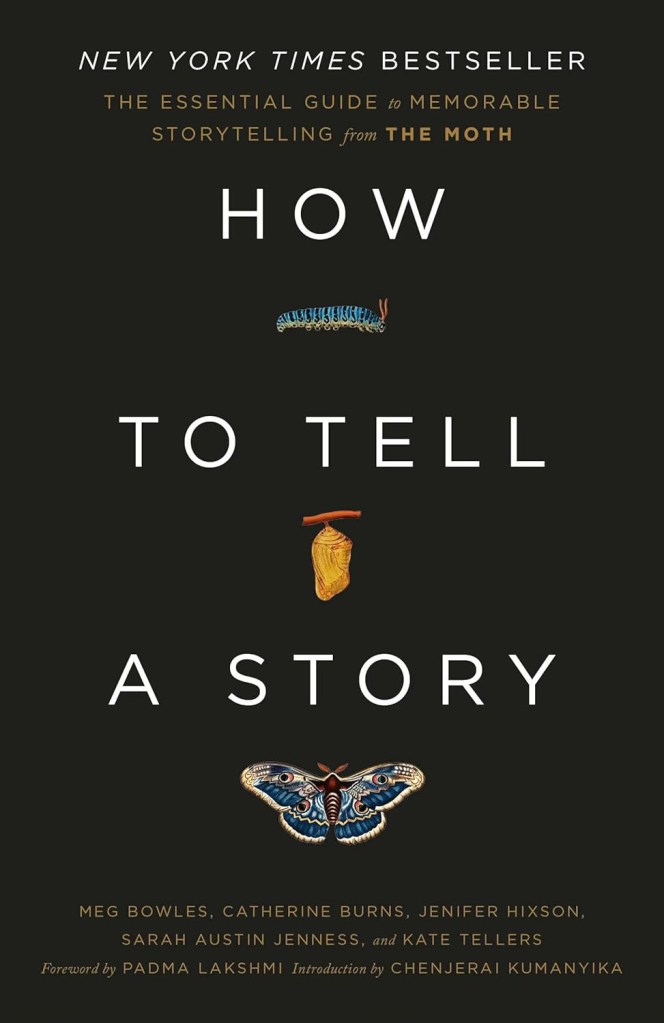
NEW YORK TIMES BESTSELLER • Now in paperback and featuring new material, the definitive guide to telling an unforgettable story in any setting, from the storytelling experts at The Moth

“From toasts to eulogies, from job interviews to social events, this book will help you with ideas, structure, delivery and more.”—CNN
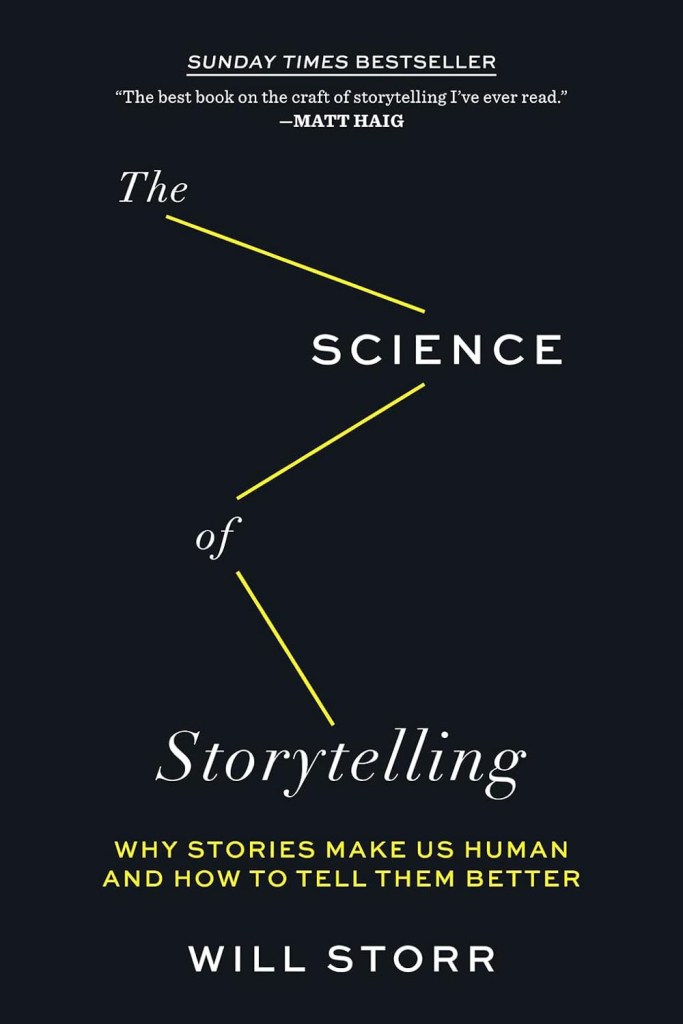
Award-winning writer and acclaimed teacher of creative writing Will Storr applies dazzling psychological research and cutting-edge neuroscience to our myths and archetypes to show how we can write better stories, revealing, among other things, how storytellers—and also our brains—create worlds by being attuned to moments of unexpected change.

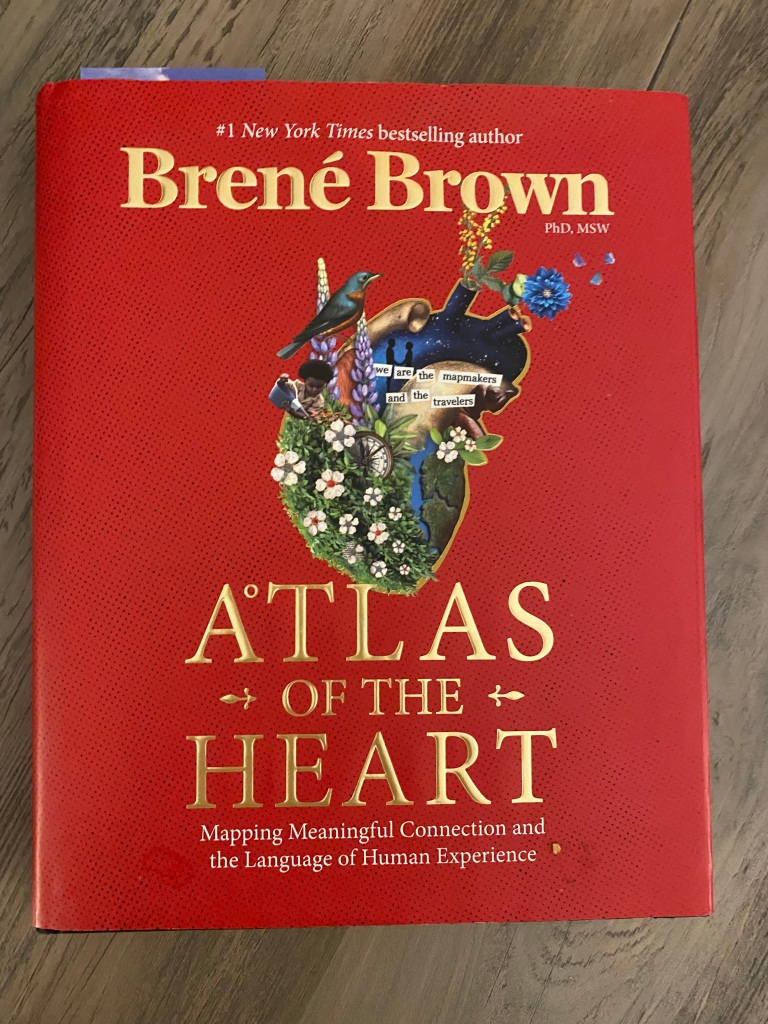
Brene Brown’s Reference book on 87 common emotions and experiences is the perfect resource for discovering “the places we go” and “the stories we tell ourselves” in everyday life.

Architects of our Experiences – Part 2

Are you fascinated by this new concept where we can actually become “architects of our emotions and experiences”? This new approach is much more “hands on” when it comes to navigating life and sets us up for greater success to meet its ever-changing challenges and opportunities. 

This is the 2nd in a three part series on becoming skillful architects of our experiences. Today we are going to learn about a multi-purpose diagnostic tool we can put into our architectural briefcase.  But before we dive into learning what this dynamic tool is and how to use it, let’s do a quick review of the basic foundational tool from part 1 — our body budget.

In my last post, I shared how our body budget significantly impacts how we experience life. When we are well resourced, things go more smoothly for us. When we are running on empty, we create a lot of emotional turbulence. Surely, this was both eye-opening and pretty obvious.

When we are getting consistent deep sleep, eating nutritious food, staying hydrated and getting regular exercise, our brains determine that we are “fuel efficient”. We have the necessary internal resources to meet the moments in our lives with clear heads and the ability to be emotionally balanced. All we really need to do is pay attention to our brains and bodies just like we do the battery charges and wifi connections on our phones.

Author Ryan Holiday recently shared the HALT acronym to help us remember that our first line of defense when it comes to dealing with emotional turbulence is to assess our human “check engine” lights. 

HALT stands for Hungry, Angry, Lonely or Tired. HALT is a simple and very effective tool to remind us that these four common conditions can derail our best efforts to stay in alignment with our values. When we are feeling emotional turbulence, a quick check in on our body budget can prevent us from getting in our own way.

For the record, this is also a great tool to share with children. When kids are acting out, we can pause to think about when they last ate, if they had a disrupted night of sleep or skipped a nap, or if they have been buzzing from one activity to the next without some quiet time or a brain break. Before we overreact to an unacceptable behavior, we can think about their “body budget” first and foremost. When we teach our kids to check in with themselves, we are equipping them with a foundational tool they can use for a lifetime. 

Now let’s add a versatile new tool to our architectural briefcase.  The multi-purpose tool that is a “must have” for skillful architects of experience is emotional granularity.  This term may seem a little foreign but it’s easier to grasp if we think of emotional granularity the same way we think about the fine-grained distinctions in wood, textiles and even sandpaper.

The reason that emotional granularity has such a strong impact on our emotional experiences is because the true essence of our experience is in the details. That’s right, details matter. 

We mistakenly believe that there is uniformity in common basic emotion such as happy, sad or mad. Nothing could be further from the truth — variation is the norm; not uniformity. 

Bear with me here for a minute — and think about your own varied experiences of mad. You can be mad at yourself, mad at a circumstance, mad at another. You might be really mad about running late one day and not care at all the next. Sometimes your body budget is in deficit and you get mad a lot during the course of a day; other days, you are well resourced and unflappable. Do I see your heading nodding in agreement that “variation is the norm?”

If we limit ourselves to the three most commonly identified emotions – happy, sad or mad, we also limit our deeper understanding of what we are really feeling in the moment. When we can tease apart the details that accompany happy, sad or mad — that is when we get to the heart of the matter. This is the gift of emotional granularity – the finely tailored emotions that best reveal the heart of our experience.

Emotional granularity is an exploratory multi-purpose tool. It’s actually easier to use than we might think. We just need more practice and a bigger emotional vocabulary.  

Start with why. Why are you mad? 

Is it because you are frustrated, anxious and annoyed? Now, dig a little deeper to get to the fine grains of greater detail. Are you frustrated that something you are attempting to accomplish is taking longer than expected? Are you anxious because it is the third time this week you tried to finish a project? Are you annoyed that others aren’t respecting your need for uninterrupted time to focus? 

Emotional granularity brings out the relevant details — in the accompanying emotions and the backstory of each.

The more finely-grained distinctions we can make, the more accurately we can parse what matters most, or recognize that there are multiple layers to one core issue. We may even be surprised to discover that we have competing emotions – and both are true. We can be happy for someone else and feel sad for ourselves; that’s paradox.

Emotional granularity moves us in the right direction for self awareness and effective problem solving with more clarity than we could ever access if we stop at “mad”. 

The reason emotional granularity is a dynamic multi-purpose tool is that it helps us accurately express our feelings and experiences — AND it makes it easier for others to support us in constructive, beneficial ways.

We often hear that emotional intelligence is a key component for building a good life and meaningful relationships. Emotional intelligence is defined as our capacity to be aware of and control our emotions; and to handle interpersonal relationships with empathy and non-judgment.  

Dr. Lisa Feldman Barrett emphasizes that the most invaluable asset for cultivating emotional intelligence is emotional granularity. The more finely tuned we can get about our emotions and experiences, the easier it is to regulate them and reframe our experiences. 

Not only does this support our efforts in achieving better emotional clarity and regulation in real time, it actually updates our internal database for the future. Remember that our brains are prediction machines. When we are able to reframe and reorganize our internal database by being more skillful with our emotional responses, we will vastly improve the accuracy of our future predictions. 

Yet another reason why emotional granularity is a dynamic, multi-purpose tool. It is a fast-tracked process of freeing us from old emotional triggers and outdated information from decades old past experiences. The better we get at using emotional granularity and becoming skillful architects of our experiences, the more traction we will have in building better habits and mature response patterns.

Emotional granularity helps us to level up. We get to know ourselves better through greater self-awareness. We become more skillful at unpacking multiple emotions that are interlaced with our current experiences. With this improved awareness and clarity, we don’t drain our body budget so quickly. We have greater access to self-compassion which turns on our parasympathetic nervous system which also positively supports our body budget. We get better at emotional regulation and it becomes easier to clearly express to others what we are experiencing and what we actually need in the moment. Not to mention the added bonus of automatically updating our brain’s complex interactive systems with invaluable, current and relevant data for future reference.

Have some fun with this new tool – explore the many emotions that you feel whenever you get that initial hit of a core emotion like mad, sad or happy. Become curious when you are with others when they are sad, mad or happy and ask questions to better understand all that they are feeling in the moment. Compare your findings with your friends and family. This is how we help ourselves and others super boost their emotional intelligence and become more skillful architects of their own experiences.

Quote from Dr. Lisa Feldman Barrett, author of How Emotions Are Made

To help you expand your emotional vocabulary, read Brene Brown’s most recent book, Atlas of the Heart. Brene offers relatable stories and detailed definitions for 87 of our common emotions and experiences. Better yet, she has organized this invaluable resource by highlighting how we typically feel under certain circumstances. The chapters invite us step into “the places we go when….” When we compare, feel uncertain, when we are hurting or fall short.

Check out Dr. Marc Brackett’s newest app How We Feel. Dr. Brackett is the Director of the Yale Center for Emotional Intelligence and author of Permission to Feel. There are over 200 emotions to explore in the How We Feel app!

Click this link to go to the website https://howwefeel.org and learn more about the app and how you can use it to help you build your emotional awareness and vocabulary in real time.

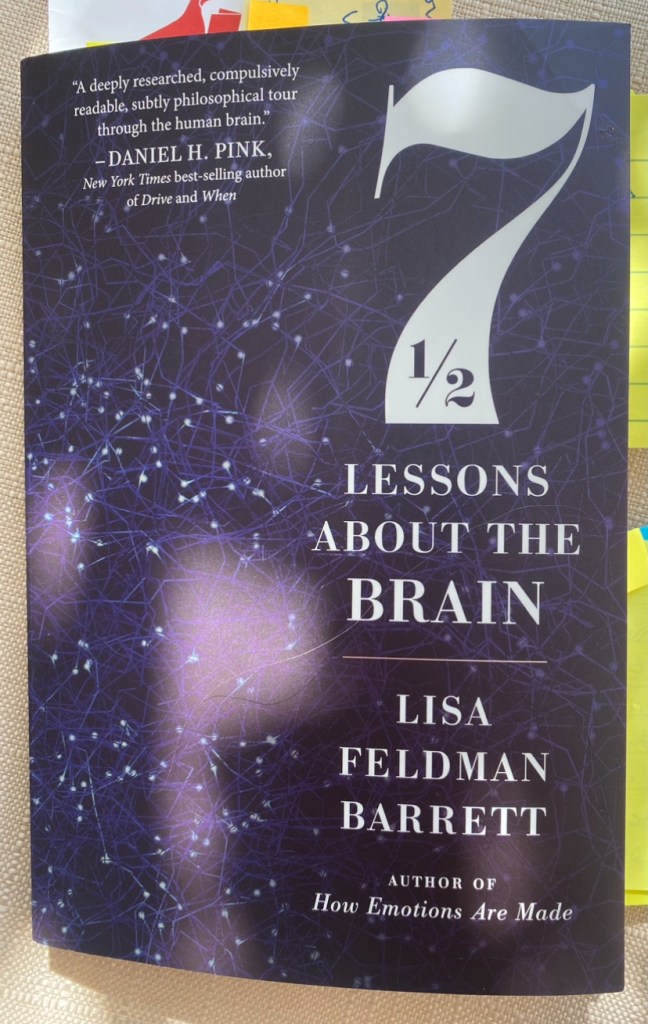
This quick, relatable read will stimulate your appetite to learn more about becoming an Architect of Your Experiences. Awesome insights into how our brains and bodies actually work.
If you are fascinated by neuroscience and love a deep dive into science and psychology, then treat yourself to How Emotions are Made. This book and Brene Brown’s Atlas of the Heart are reference books for our home libraries – the kind we will return to again and again!

Change-Makers Mapping the Way

Welcome back to my latest blog post series about the change-makers who are helping us take the next meaningful steps in the integration of emotional health into our lifestyles. In the first part of this series, I shared two dynamic change-makers for parenting and for couples. The common thread for both Dr. Becky Kennedy’s parenting model and Terry Real’s relational therapy is what we learned and experienced in childhood that impacts us still today.

Unfortunately a lot of what carries over from childhood into adulthood regarding our emotional health is often not so obvious to us. When we get emotionally triggered or over-stressed, we unconsciously react with patterns we have memorized for decades. We know them by heart.

This is the second post in this series pulls that common thread of childhood, inviting us to go back and revisit how we came to shape our world view but with an entirely different lens this time. Now we are archeologists, searching for the clues and examining artifacts.

A common metaphor that is being used to today across the spectrum of emotional health and personal growth is one of a map. This helpful metaphor tells us that we need to know our backstory and childhood history to clean out and update our beliefs and behaviors. This is the role of an emotional archeologist.

We are going to discover things that are still getting in our way when we retrace our steps. Let’s start by tossing out the chunky picture book with baby faces that express only happy, sad or mad. Most of the life mapping we did back then was based on a very limited emotional vocabulary. It’s nearly impossible to create a more nuanced map to navigate the complexities of real life with only three basic emotions. Yet that is what we did — and that is what we operate on unconsciously even decades later.

When Brene Brown introduced her book, Atlas of the Heart, in November 2021, she gave us a major upgrade to the chunky emotions picture book. She gave us language, definitions and real life examples of our emotions. She called it an atlas.

“I want this book to be an atlas for all of us, because I believe that with an adventurous heart and the right map, we can travel anywhere and never losing ourselves.” — Brene Brown

It was the first time for many of us to have an emotions reference guide; an atlas that helps us understand just how much our emotions are impacting how we navigate through life. Brene’s research supported the fact that most adults were still using only three basic emotions to express themselves – the same three that little kids use every day. Her extensive research was a reality check for how we’d gotten stuck and hampered in our adult lives with such a limited emotional vocabulary.

Brene not only offered us definitions for 87 common emotions and experienced, she provided common, real life examples of when these emotions were likely to show up. Brene’s book upgraded our emotional vocabulary from three core emotions — angry, sad and happy – to a much richer, contextual and expansive way to understand ourselves.

A bonus is that when we understand ourselves better, we become more skillful at understanding others – even (and especially) our own children.

The truth is that as we get to know our own emotions and experiences more clearly, the better we can show up in our relationships with more empathy and curiosity about how others are feeling. Rather than getting lost in each other’s emotions, we can become skillful travelers together.

In my last blog post, I highlighted the parenting movement that Dr. Becky Kennedy is championing. If you are a parent who follows Dr. Becky, you no doubt feel so seen and heard when you watch her videos. With a dollop of reality and a dash of humor, she skillfully shows us how we get hijacked by our kids’s behaviors and can quickly come down to their level with our own reactions and behaviors. Can we catch ourselves in the act of returning to child-sized tools for big emotions and scary experiences? Can we pivot and choose wisely to deploy more mature skills?

“Underneath bad behavior is always a good kid.” – Dr. Becky Kennedy, Founder of Good Inside

Underneath our own outgrown behaviors is that little kid we once were. What we learned and mapped out in childhood is what we need to investigate.

Let’s meet two more change-makers who did their own extensive emotional inner work — and then looked around and asked themselves how they could help others. They poured their hearts and energy into their respective fields and the creation of new approaches for becoming emotions archeologists. Then they took their work one step further. They are teaching us how to integrate our emotions and positively impact how we navigate life and map a better future.

These change-makers are paving the way to a major pivot in mental and emotional health: An ounce of prevention really is worth a pound of cure.

We now know that we do need to go back and look at our childhood to “back-map” why we react without thinking when we are emotionally charged. What happened in our childhood that contributed to our coping skills, unconscious behavioral patterns, emotional triggers and beliefs about ourselves?

In a recent blog post, I shared that Dr. Dan Siegel, author of of Whole Brain Child, acknowledged that many people do not want to revisit their childhood experiences. There is a fear that revisiting old painful memories will take over our current lives and we’d rather not go there. But the truth of the matter is that unconsciously these things we keep stuffed down or locked up are literally showing up in our lives anyway. It’s not the monsters under the bed or the secrets in the closet that are the problem, it is the reality that they are taking up a lot of storage space — and they creep into our minds and behaviors unconsciously.

Meet Dr. Richard Schwartz, creator of a revolutionary form of therapy known as Internal Family Systems. He also uses the concept of a map to help us understand how all the parts of us show up when we are making our way in life.

If you are not familiar with the term Internal Family Systems, you may think that it is a discipline or field devoted to our family trees – which are often full of generational patterns, inherited traits and all kinds of dysfunction.

However, Internal Family Systems is actually a very useful evidence-based psychotherapy developed by Dr. Richard Schwarz in the 1980’s. In plain language, Internal Family Systems is all about us – the me, myself and I.

It is our unique, individual, inner family system comprised of all our sub-personalities. Each and everyone of our sub-personalities has its own viewpoint, qualities and roles it plays in our daily lives.

Before you shrug your shoulders and dismiss that IFS could be beneficial for you and all those you love, stop to think just how familiar you are with a few of your sub-personalities. How well do you know your Inner Critic? Do you have a steamroller in your personality that likes to run over any constructive feedback you might be offered? Are you a people pleaser who often gives to the point of exhaustion? Do you have a fierce warrior side of you — the big protector who prefers a fiery battle over calm conflict resolution? Do you have a stealth, hyper vigilant, guard who stands watch night and day to keep you safe?

If you’ve ever felt an internal tug of war, it’s quite likely one of your sub-personalities was engaged in a struggle. I’m guessing you may be now feeling a little more curious about Internal Family Systems.

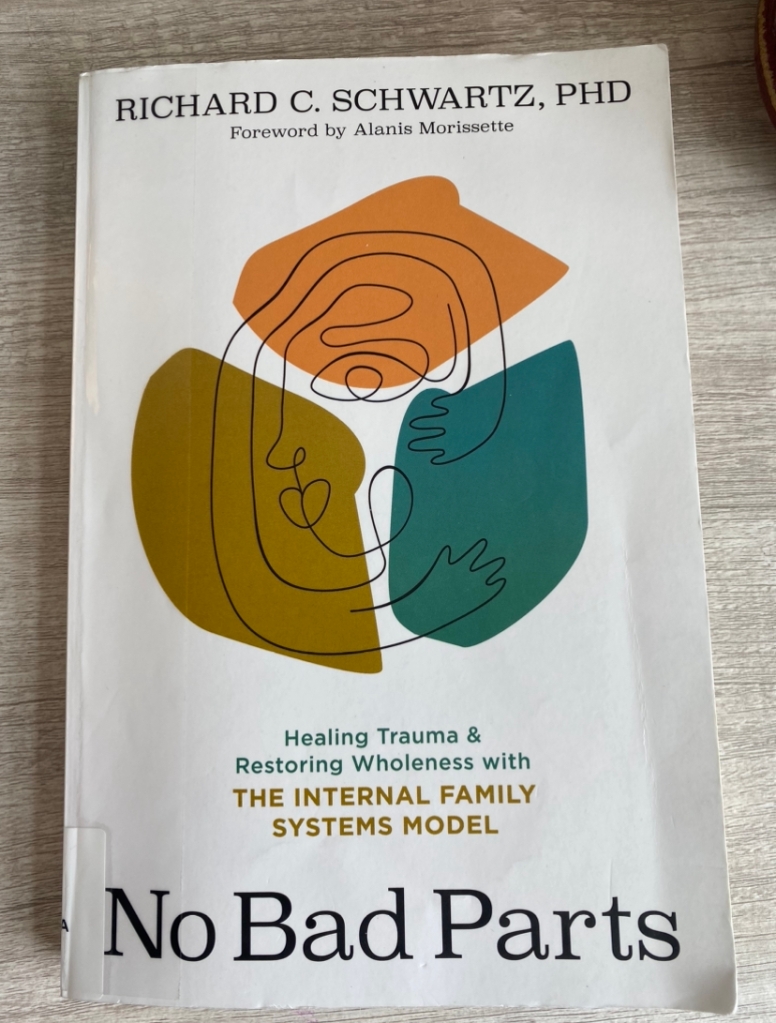
In his book, No Bad Parts; Healing Trauma and Restoring Wholeness with the Internal Family Systems Model, Dr. Richard Schwartz does not refer to our sub-personalities as “demons” as this pillow suggests, but rather a much more appropriate, relatable term — they are our “burdens.

If you ever get in your own way, then you can fully grasp how our sub-personalities are often the very cause of our self-inflicted problematic behavioral patterns. They do burden our lives; they make things harder than they have to be.

Dr. Richard Schwartz reflects on the work of childhood attachment theory pioneer, John Bowlby, to help us explore how and why we came to possess such intricate, complex sub-personalities. John Bowlby viewed our “childhood attachment styles” as our “internal working models”.

Many of us grew up with parents who were not emotionally available and often had a lot of problems of their own. The old parenting models punished us for our “bad” emotions, gave accolades for our “good” emotions; or worse yet, encouraged our ability to become cognitively dissonant and just power through our emotions.

As children with pint-sized developing brains and the inability to make sense of a very big, complex, confusing and contradictory world, we developed “maps” of what to expect from our caretakers and the world in general — and from all our subsequent close relationships. These “maps” we created also told us things about our own level of goodness (or lack thereof) and how much we deserve love and support (or how we weren’t worthy).

These individual “maps” get lodged in our bodies of our young parts and become very powerful – and unconscious – organizers of our lives. These are our personal burdens.

As if that isn’t even to contend with as we mature, we also carry internally another class of burdens — legacy burdens. These do not come from our direct life experiences, but we inherit them from our parents. Legacy burdens are the generational patterns, beliefs, and attitudes that get passed along rather organically. They too are very potent organizers of our lives. Think of all the societal conditioning, cultural beliefs and attitudes that are baked into our lives from birth. As Dr. Schwartz articulates “because we have absorbed these legacy burdens in our daily environments, we have marinated in them for a very long time; so it’s often harder to notice them. In this way, legacy burdens can be as prominent and unnoticed as water to a fish.”

Legacy burdens often show up as biases and prejudices that we may not be consciously aware that we possess. Intellectually we believe one thing, but instinctually and unconsciously we can act and feel quite differently when we are emotionally charged. High stress situations take our executive functions offline – and suddenly we are acting on the “baked in” legacy burdens, not from our current values.

Dr. Richard Schwartz invites us to become very fluent and familiar with our sub-personalities. Where we once believed it was better to use willpower to fight or resist them, he turns this theory inside out. One of the most transformational ways to really get to know ourselves well, and to do our our “inner work”, is to get up close and personal with our inner cast of characters, our sub-personalities. This is our very own “internal family system.”

We’ve often referred to personal growth work as peeling off the layers our onion, but Dr. Schwartz tells us that our sub-personalities are more like cloves of garlic. Each part is like a garlic head with individual cloves. The individual cloves developed from an event or experience, how we made sense of it, what we came to expect on a regular basis, and how we mapped it out. These parts have “blended” themselves to our perspectives, emotions, beliefs and impulses.

Our emotions, bodily sensations, thoughts, impulses, knee jerk reactions, limiting beliefs — they all are emanating from our internal parts. Dr. Schwartz refers to all of these as “trailheads“. He offers that when we focus on one, it is as if we are starting out on a trail that leads us to the part of us from which those feelings, reactions, impulses emanate.

What happens on this trail when we lean in with curiosity and a strong desire to learn our inner terrain? We open up to discovery about the parts of ourselves and our stories that have much wisdom to impart to us. And we often learn that all that messaging we got as children is not at all who we really are, who we have become and especially how we can continue to evolve into the best version of ourselves.

Can you picture yourself as a small child on that trail many decades ago? How different would the landscape look to you and how scary would it be to navigate it with limited resources all while fighting back tears and an onslaught of big emotions? Would you want to use the map that child created to help you navigate the trailhead today? Of course not. Today you have so much more knowledge, self awareness, agency and resources at your disposal.

Take a moment to think about grown adults that are still having meltdowns and explosive temper tantrums. Reflect on the emotional triggers you can spot in yourself and others that seem like a huge overreaction to current events. Do you see childish bullying tactics showing up with adults who frankly should know better?

With the Internal Family Systems model, Dr. Schwartz reframes our sub-personalities as our “parts”; as if each part were a person with a true purpose. Our inner “parts” are doing a lot of important jobs to help us get through life and be in relationships with others. The problem is not us — the problem is that our “parts” keep us stuck in the past.

The parts of us that throw temper tantrums are loudly announcing “please pay attention to my needs right now”. The parts of us that want to “numb out” are simply assuming the role of “pain reliever”. Very often it is deep emotional pain that causes the parts of us to step in as a protector (albeit one that now causes us more trouble than relief). The inner parts of us are the ones pulling our emotional triggers.

If you have ever been a sibling who tried to protect younger siblings from a parent’s unchecked anger, then you have a very clear, real-life example of the role that your “parts” are playing for you. Dr. Schwartz helps us understand that when we change our perspective on our parts and the roles they play, we can “unburden” those parts of us from outgrown, outsized fear and responsibility.

The Internal family systems model has become a big transformational pivot for how therapists and psychiatrists are treating trauma, addictions, depression and anxiety. It is similarly a meaningful pivot for individual and couples counseling and it is vastly improving our approach to parenting. We are shifting away from stigmatizing these issues, from blaming and shaming, and relying solely on abstinence or will power to solve the problem.

When we do this inner work and look at our “parts” and how they show up in our adult lives, what we discover with much clarity is how our own kids are doing the very same thing today. If your child or grandchild blurts out that they are “stupid or bad”, “too much trouble” or “not smart enough”, they are blending their behavior with their identity– they are creating their inner garlic clove.

Once we begin to explore our own childhood maps, we gain a lot of insight into what might be happening in our own children’s self identity. We can readily see when our children might be taking their behaviors – and our reactions to them – as labels for who they are. We can help them course correct in real time. Yes, an ounce of prevention will most definitely be worth a pound of cure.

Rather than waiting for these emotional and mental health issues to crop up and create big problems in our lives and relationships, we can become proactive in our emotional health lifestyle. The groundwork for this improved foundation for a long and meaningful life has been laid by Brene Brown’s two decades of research on shame and vulnerability, Kristin Neff’s work on self compassion and Dr. Carol Deck’s work on mindsets. It integrates seamlessly with all the research, studies and improved methodologies by Dr. Richard Schwartz, Bessel Van Der Kolk, Gabor Mate, Dr. Dan Siegel and Dr. Bruce Perry (just to name a few).

Counseling, therapy and life coaching are all changing in very beneficial ways due to breakthroughs in neuroscience, psychology and behavioral science. We are collectively moving to “prevention” rather than treating problems after the fact.

Dr. Schwartz’s book – No Bad Parts – and Dr. Becky Kennedy’s insights that we have good kids with problematic behaviors dovetail in a very impactful way. We can teach our kids an expanded emotional vocabulary, integrate their honest emotions with their experiences in healthy ways, and teach them invaluable emotional regulation skills.

Now let’s turn to a pioneer of this new emotion revolution – a man whose childhood life story became fuel for his passion to teach us all how to integrate our emotions to guide us rather than stunt our growth.

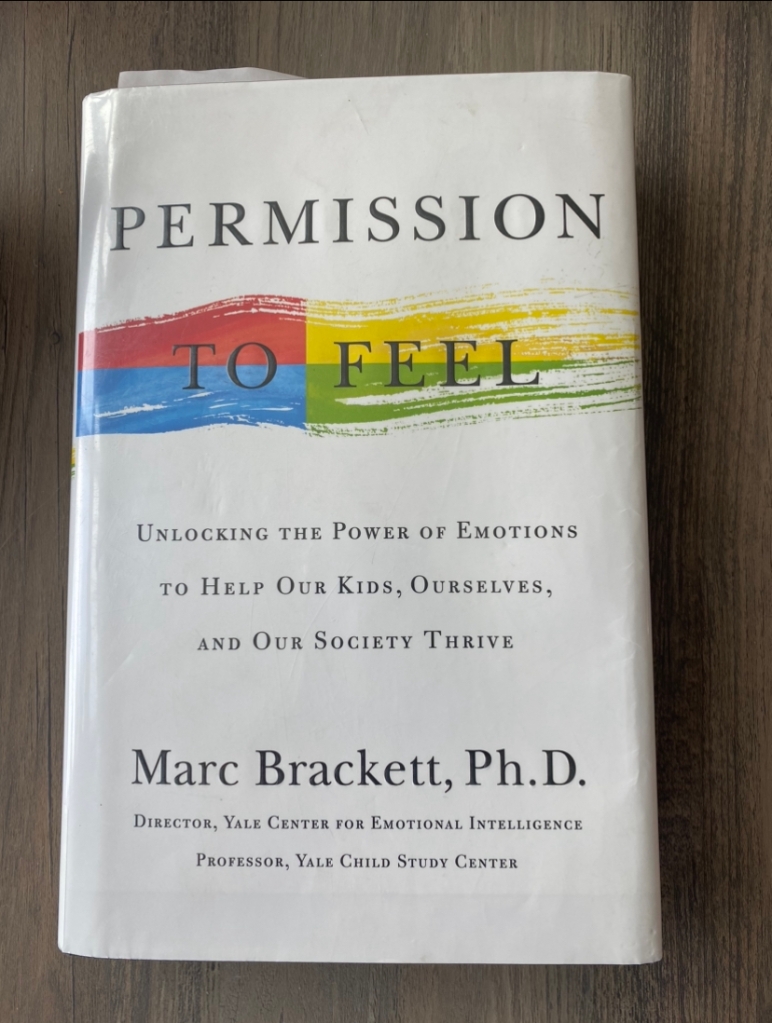
Dr. Marc Brackett stated the obvious in a recent online workshop based on his book, Permission to Feel: Emotion regulation is taught and modeled. Emotion regulation is goal oriented – it helps us achieve our goal in healthy ways, not adaptive ways. We cannot teach our kids what we ourselves do not know.

During this workshop, Dr. Brackett shared powerpoint slides of his global research that revealed that most adults offer that they were never taught emotional regulation at home or in school. This is not at all surprising evidence. We now know that old parenting models did not integrate emotions into our developing brains. We also know that the complexity of our personal burdens and our legacy burdens made our navigation of life harder than it needed to be.

Dr. Marc Brackett knows this intimately — and it was his own childhood experiences that set him on the path to change what we got wrong.

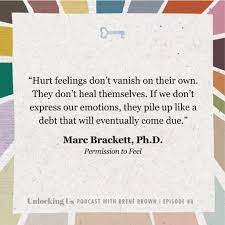
I first learned of Dr. Marc Brackett’s work on an Unlocking Us podcast with Brene Brown during the COVID pandemic. He had released his book, Permission to Feel in September, 2019. When the pandemic left us collectively struggling with ongoing uncertainty and big mood swings, Brene knew the time was right to talk about the many emotions we were all feeling. This podcast aired in April 2020 and the conversation was relatable and relevant. We were like sponges ready to absorb what we were hearing.

Marc brought a strong sense of humor to the challenging topic of emotions and shared with Brene that he often got a lot of pushback when he’d present his research to academia or school administrators. Emotions were thought of as the messy, sticky problems — certainly not solutions to behavioral issues.

But Marc had a compelling portal to break new ground on a brand new trail in the field of emotional intelligence. It was his life story. He told it – and those who once resisted – began to see how all the dots connected.

Marc’s personal childhood story is one that is sadly quite familiar; it will open your heart as you learn about the dysfunction, abuse and trauma he experienced as a young boy. He articulates so poignantly his troublesome outward behaviors and the dark inner secrets that caused him to be so out of control, angry and despondent.

Marc’s young life was full of inner struggle no one could see from the outside. Unprocessed emotions, dark secrets pushed down and his inner parts doing their best to protect him were the root cause of the outward unruly and difficult behaviors. Until his beloved Uncle Marvin showed up in his life in a profound way.

Marc’s Uncle Marvin gave him “permission to feel”. With Uncle Marvin as his emotional mentor, Marc was able to “unburden” himself by telling his story of abuse to his trusted uncle, without being shamed or blamed. He was believed. He was seen, valued, heard and deeply cared for by Uncle Marvin.

It is hard to hear Marc’s personal story and not find multiple points of connection. Any fellow academic or school administrator could see parts of their own stories embedded in his. They could easily overlay his story onto students, peers, and their own family members. Suddenly emotions were clearly not the problem and neither was problematic behavior. They were symptoms and warning signs for what happened in a child’s life.

Now he had their attention — and their buy-in — to support his work and most importantly, his outreach to educate others.

We need emotional scientists….not emotional judges. We also need emotion mentors.

We need to have people who will listen to understand and who will support us in getting the help we need when our “parts” and our behaviors are evidence that something needs to be addressed. These people are usually the ones who have done their own inner work. They have deep wells of empathy and compassion. They build trust and meaningful connection. They are a safe place to land.

Marc has spent more than 25 years researching and writing about emotions and talking to people all over the world about their feelings. He is an impassioned change-maker who knows firsthand the scars of childhood trauma, the importance of being able to express, feel, and process emotions as they are unfolding.

He knows that we cannot teach what we ourselves do not know.

We wouldn’t send our kids out on a hike without a buddy, gear, a trail map and a water bottle. Yet we often send our kids out into the world totally unprepared to navigate their emotions and those of others.

Dr. Marc Brackett is the Director of the Yale Center for Emotional Intelligence and he developed the RULER program that is being taught in classrooms and workplaces all around the globe. RULER is an evidence-based approach to social and emotional learning which teaches adults and students the value of our emotions and building the skills of emotional intelligence.

Yet another seismic shift and it is happening at school. Rather than focusing solely on problematic behaviors, adminstrators and teachers are being taught to become emotion scientists. What is the root cause of these uncontrolled behavioral outbursts? The RULER program starts by teaching adults what they need to learn. Then they take those new practices and understandings and teach them to children.

RULER is an acronym for this skills-based scientific approach:

R – Recognizing Emotion

U – Understanding Emotion

L – Labeling Emotion

E – Expressing Emotion

R – Regulating Emotion

Dr. Bruce Perry and Oprah Winfrey co-authored their book What Happened to You; Conversations on Trauma, Resilience and Healing in April, 2021. This insightful book opened us to learning the backstory of people, of gaining context and deeper understanding about childhood experiences that left scar tissue on how we view and navigate life. Dr. Brackett’s work takes a microphone to this collective human issue — he is using his incredible platform to advocate for “permission to feel”.

Rather than judging kids or their emotions, he is urging us to recognize that our emotions are chock full of valuable information about what is occurring in a child’s life and how they are mapping it. Children are not able to use their executive brain function to do this work, which is why we adults need to be their training wheels. Their brains are developing — slowly — but life experiences and big adult emotions are coming at them hard and fast. We need to become emotion scientists, not emotional judges. We need to be their training wheels to learn about emotions and how to use them effectively.

Recently Marc launched the Permission to Feel online book club as yet another avenue to educate people globally about emotional integration and regulation. It is a grassroots effort to foster the needed conversation about our emotional health. It feels like a support group for emotional integration as people share their past experiences and offer how they are learning and applying the RULER approach to their own lives, to parenting and in their relationships.

Marc and his team also unveiled an engaging new app to help us expand our emotional awareness and vocabulary — How We Feel. This colorful app is free, easy to use and contains 144 emotions! It’s designed to help us “check in” periodically throughout our day to see how we are feeling and to offer helpful tips and tools if we need some emotional support. This app can help us spot some of our “go to” emotional reactions and patterns.

Dr. Marc Brackett’s personal life story is a trailhead. It led him to discover how childhood shapes us, the importance of teaching and role-modeling emotional intelligence and regulation, and the invaluable scaffolding we can provide to others when we become skillful emotional mentors.

Brene Brown gave us an atlas – the reference guide we sorely needed to begin our emotions excavation work. Dr. Richard Schwartz gave us a whole new way to view our childhood experiences and emotions, without judgement and shame; without feeling like we have to wrestle with our emotions and blame them for our woes. His more positive approach encourages us to look at our own trailheads, investigating the roles our parts have played in the past and letting go of what no longer serves us well. He invites us to step into our mature agency and chose emotional regulation to help us navigate our lives more skillfully and successfully.

Dr. Marc Brackett gives us “permission to feel” and encourages us to become emotional scientists with ourselves and others. Drop the judgment and lean into curiosity. When we get comfortable and more agile with this new approach to our emotional landscape, we can become trail guides for our children and others. We can become emotions mentors.

In the upcoming 3rd part of the blog post series on change-makers, you’ll be meeting Dr. Andrew Huberman, Dr. Paul Conti and our Surgeon General, Dr. Vivek Murthy. Many of us are learning about our emotional and mental health from podcasts these days. I’ll do my best to distill and curate some of the most salient content that is having big impacts in our overall wellbeing. Not suprisingly, the turning point is “prevention”. We are no longer going to wait to treat problems when they occur; we are pivoting to preventing them as much as possible.

Here are links to the websites for Internal Family Systems and the RULER Program: