

Take some time to think about the many times in your life when you set out in search of something new, something better, something you’d wanted or worked for your whole life.
Chances are you felt highly energized and incredibly enthusiastic. You tapped into the power of visualization to picture yourself living your dream — and it felt amazing! Maybe it was the dream job you landed, or a new relationship; perhaps you relocated to a bustling city or a different climate.
How did things pan out over time? Was it all that you had hoped for and dreamed that it could be?
If you didn’t intentionally take a new and improved version of yourself into this golden opportunity, did you find yourself backtracking?
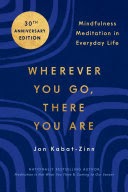
Wherever you go, there you are.
This sage insight was offered to us by Jon Kabat-Zinn in 1994 in his book bearing that title. His poignant message is one that stands the test of time. If we don’t spend some time reflecting on what we have learned from our past experiences, we will simply go into our new opportunities with the same old reactive behavior patterns, blind spots and memorized coping mechanisms. Everywhere we go, there we are.
We take the same version of ourselves into a new chapter of life, a reinvention of ourselves, a dream job or relationship, and soon discover that we are right back where we started. We get in our own way. Same obstacles, same disappointments, same setbacks, same relationship issues.
Are we the common denominator as we move through life, bringing the same version of our ourselves into each new situation, opportunity and adversity? Wherever we go, there we are.
In my last blog post, I offered the image of a “greenhouse library” to reframe our personal reference material and internal data base. We can gain so much insight from spending time to learn from our past experiences. This becomes an intentional shift to pivot from old behavioral patterns, lack of self awareness and outgrown emotional reactions BEFORE we enter our new opportunities.
Isn’t it ironic that we often are pushed to our limits, know that we want something better for ourselves, and purposefully make big life changes (like moving, finding a new partner or more rewarding job), but we never stop to think about how we ourselves must change in order to make the most out of these pivotal moments in our lives?
We should conduct an “exit interview” with our inner coach (our inner voice) when we are moving on from something that we’ve outgrown or that is no longer working for us. We should be asking ourselves “what have I learned from my past experiences”?
It is not just what we learned from life’s challenges and golden opportunities but most importantly what we learned about ourselves as we met these moments.
In that exit interview, there should be a page with the heading “Wherever you go, there you are”. A review of your habitual patterns of behavior, emotional triggers and blind spots becomes the launchpad for taking a new and improved version of yourself into the change you are purposefully seeking.
You may want to elicit a little help with your “exit interview”.
Consider just how much your parents, grandparents and teachers helped you gain a deeper understanding of yourself as you were growing up. Their perspective on how you typically showed up in life educated your intuition and inner voice. They are often the ones we hear whispering in our ears when we are making both big and small decisions.
Do you remember that major milestone of getting your driver’s license?
You couldn’t wait to get in that car all by yourself and take off. Your first taste of freedom to drive yourself wherever you wanted to go, taking any route that pleased you, listening to your favorite music at whatever volume you chose.
It does not take a big stretch of the imagination to recognize that your parents trusted that wherever you decided to go, you would show up as the teenager they knew well. You were going to be you.
As mom or dad tossed you the car keys, it is quite likely they also tossed you some cautionary reminders about making good decisions. “Don’t drive too fast or tailgate. Don’t text or fiddle with the touchscreen. Keep your eyes on the road and stay vigilant about other drivers. A yellow light means be cautious, not hit the gas and gun it.”
Your parents knew that “wherever you go, there you are.”
Your parents had 16 years of observing, experiencing and predicting who you were, what mattered most to you, how you made decisions. They had to trust that all those years they invested in teaching and guiding you would prepare you for this independence. It was their past history with you that became the very reason they offered you personalized reminders of potential hazards. Not only road hazards, but the very ones that you yourself might create.
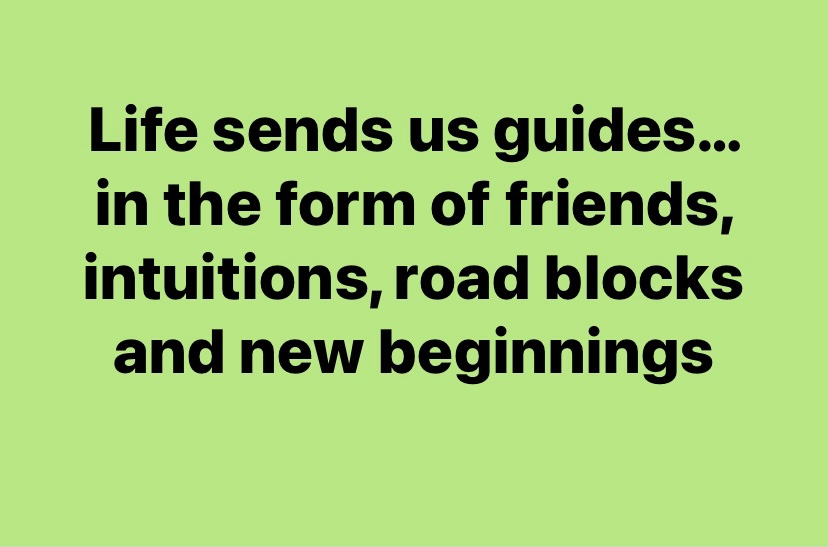
Those words of wisdom that your parents offered in exchange for those car keys was a form of an “exit interview’. Venturing out on your own, they offered some pointers to keep you aware of your natural tendencies. Subtle reminders to pay attention to your habits, behaviors and impulses that could be potential roadblocks.
Sticking with this driving metaphor, think about how many times you actually updated your driving skills over your lifetime. As you “practiced” driving solo, you became more confident, were able to judge traffic more intuitively, merging with ease and avoiding potholes. You learned how to drive in bad weather, take unexpected detours and fix a flat tire. You probably accommodated your fellow passengers when you were the designated driver, stepping up and accepting more responsibility. When you became a parent, it is quite likely you became a much more cautious driver all while honing your time management skills and planning for unexpected small human emergencies. You may have learned to drive stick shift, a van or truck; learned how to tow a trailer. When you bought a newer model car, chances are great that you had to learn how to use computer functions that didn’t even exist when you first learned to drive.
Take a few minutes to remember your sixteen year old self and that first solo drive. Compare that to the driver you are today. Give yourself a few gold stars for just how far you’ve come.
There is remarkable value in doing this same type of comparison whenever we are making changes in other areas of our life. We may not always be attuned to just how much we have changed and the many invaluable life lessons we bring with us into new chapters of our life or reinventions of ourselves.
An “exit interview” is a fresh reframing for self-reflection and pulling threads from our life lessons. If we comb through our old files of life experiences, we are likely to find important clues about why some of our big dreams or golden opportunities didn’t pan out like we’d hoped.
Wherever you go, there you are.
We can move to a new job, new location, into a new house or apartment, but that alone is not going to be the magic that brings about the real change we seek. If we bring our same old self to something new, nothing really changes.
Dan Pink, author of The Power of Regret, tells us that a little self reflection on things we regret is a powerful way to help us remember what we value most. If we ask ourselves “why” we are pursuing a change, we will bubble to the surface the very things that matter most.
While there is an implied promise to ourselves that what we really want the most can be found in this new place, job or relationship — we have to bring what we have learned from past experiences into these new opportunities in order to set ourselves up for success. If we bring our same old self, we will surely find the same old problems cropping up. Wherever you go, there you are.
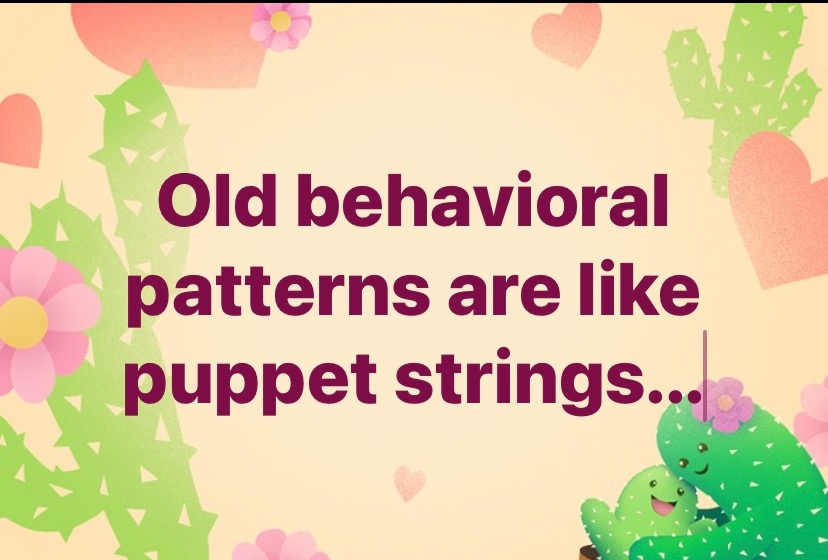
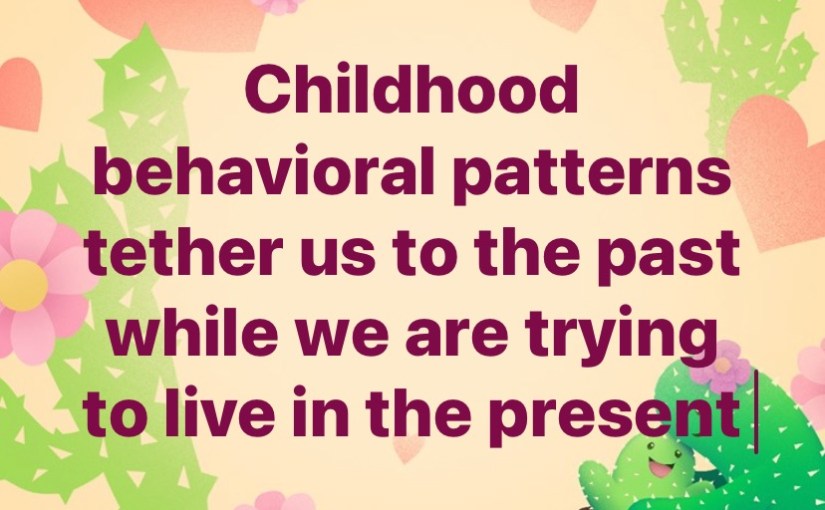
Old behavioral patterns have a way of repeating themselves. We can change our environment or relationships, but if we rely on the same old behavioral responses like people pleasing, conflict avoiding and passive aggressive tactics, the end result will be the same — just in a different place or with different people.
James Clear, author of Atomic Habits, points out that we don’t naturally “rise to the level of our goals, we fall to the level of our systems.” This advice is a springboard for meaningful life changes. Build better systems to make the most of new opportunities.
A huge component of a meaningful “systems” change is changing the way we show up in life. Awareness of our non-productive, habitual behavioral patterns becomes the gateway for real changes in our brains — and subsequently how we “show up”.
Take your personal growth into those new opportunities. Let the self-discovery process inform you about the places where you can now stretch and flex. Use the “fresh start” effect of a new job, new location or new relationship to strengthen your commitment to showing up as a new and improved version of yourself.
There is a huge benefit in taking stock of where we have been and where we are going whenever we undertake a major change in our lives. If we aren’t intentional about this, we wander rather aimlessly into the new chapter or reinvention of ourselves. We might fail to see that our core values evolve over time and are even subject to revision.
Consider this timeless question: What would you tell your younger self?
When we take time to reflect on what we have learned from our past experiences, we gain real clarity about our current values — the “what matters most” part that is driving our strong desire for change. We are able to put some more meat on the bones of our values. Maybe it is a job that not only pays well but is also in alignment with our real interests, one that feels personally rewarding. Perhaps it is a relationship that feels less like a tug of war and more like a highly functioning partnership. Maybe it is not just a change of scenery; it might be better access to community, nature, arts and activities we enjoy.
In other words, we don’t just check a box, we look at the contents and see if that box is really meeting our needs and values.
Another timeless question: What is the one life lesson you have to keep learning over and over?
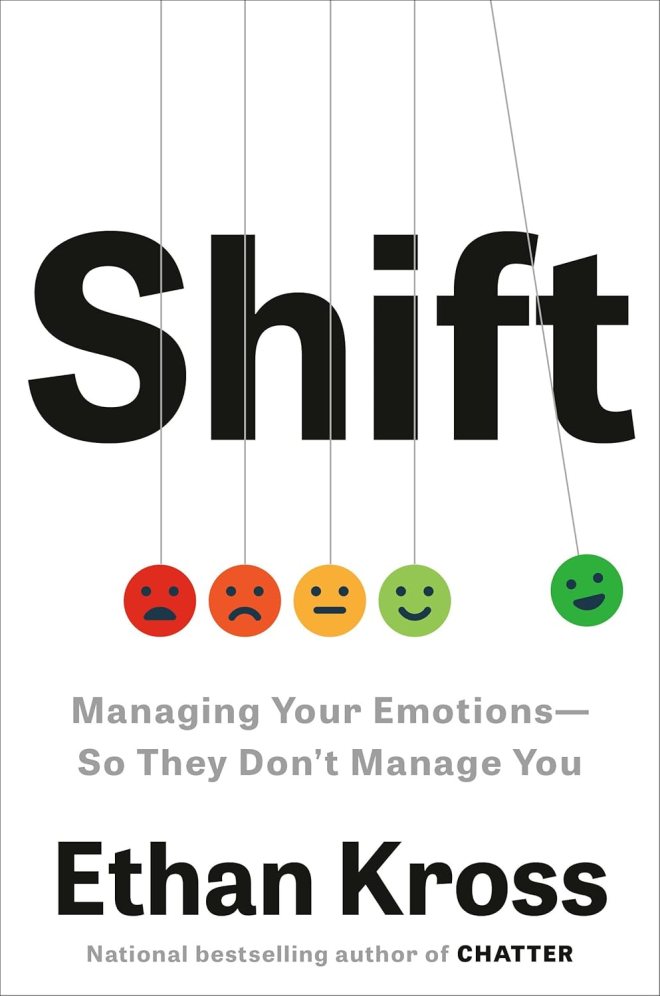
In his book, Shift, author Ethan Kross reminds us that most learning typically requires many experiences. When we acknowledge this reality, we can look more closely at the earlier chapters of our lives to find that one life lesson that we do in fact have to keep learning over and over.
In many cases, the lesson we need to learn repeatedly is to stop getting in our own way. We do make things harder for ourselves than they need to be. Being stuck in our old ways while we are trying to move forward in life is that one lesson that life keeps offering to us. The same lesson can be repurposed and repackaged in a lot of creative ways. What is that one life lesson that you have to keep re-learning?

If we want to truly evolve as we move through chapters and stages of our lives, then it is wise to take stock of where we have been and be clear about where we are headed.
James Clear, author of Atomic Habits, uses the image of our “future” self as a way to visualize how we will look, feel and act when we grow forward into changes we proactively pursue. He reminds us that it is our consistent, small efforts toward these bigger changes that are rock solid “votes” for our future self.
Remembering that our past experiences are not old baggage, better left forgotten – but a vast, rich reference library for our personal growth is a great reframe for self-discovery. All too often we forget just how far we’ve come, how many adversities we have faced and the inner strength, confidence and resilient we’ve stockpiled.
The purpose of an exit interview is to understand why we are leaving something behind and pursuing change. It is also to get honest feedback and fresh perspectives. Self-reflection is a key part of doing our own “exit interview.” Being candid with ourselves about any regrets we might have helps us get crystal clear about what matters most. It gets to the heart of why we are seeking change.
Most importantly, heed the advice Jon Kabat-Zinn offers in his book. We are wise to take a long hard look at the places where we get stuck, where old patterns of behavior are no longer serving us well, where emotional triggers and dis-regulation pull us backwards.
When we are very clear about who we are, how we are showing up in our life and who we are working on becoming, we take the guesswork out of changing for the better.
We can grow forward by looking at what we have learned from our past. We already have more footholds and skill sets than we realize.
This is the 5th blog post in a series about the stories we tell ourselves, creating better scripts for our stories, and working on our character development. The next post will be all about creating a “coaching tree” to support your personal growth. Ryan Holiday is the inspiration for planting a “coaching tree” in your greenhouse library.
NOTEWORTHY RESOURCES:

James Clear on the Science of Building Habits That Last – this conversation with Dr Michael Gervais, elite sports psychologist and James Clear will supercharge your efforts to make sustainable changes for personal growth. https://podcasts.apple.com/us/podcast/finding-mastery-with-dr-michael-gervais/id1025326955?i=1000685599922





















 Inspired New Horizons