The Natural Next Steps

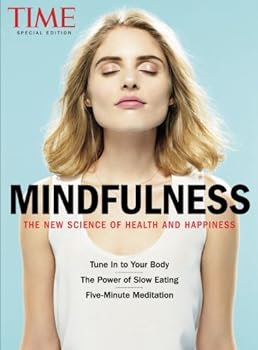
When I began my personal growth journey, the buzzword that was catching on was “mindfulness”. Time Magazine touted mindfulness as the new science of health and happiness in 2016. The message was clear — we are time travelers, often letting our minds wander to the past or future. We were being urged to find our balance and be more fully present in the moment.
It became very evident that in addition to time travel, our monkey minds were filled with an inordinate amount of chatter. So, meditation was introduced as the tool to help us stay more present in the moment. The internet was abuzz with “how to” practices and new meditation apps were hitting the market with a fury.

We were being reacquainted with something we take for granted — the power of our breath to regulate us. We were told to pay attention to our breathing and to use it as a grounding tool when we felt distracted or emotionally overwhelmed.

At the time, I recalled how I was taught the Lamaze method of breathing in my early twenties to help me through the labor and delivery process of my first baby. The seed had been planted that a few deep breaths could help keep me stay calm under pressure. Over the course of many decades and a lot of high stress parenting moments, I often told myself – and my kids – to take three calming breaths. I remember my dentist laughing when I shared with him that I used the Lamaze method more often in his office than when I was delivering my babies.

So, I had a lot of “buy-in” and actual experience when it came to the “breathing” component of meditation; but like most, I struggled with the traffic jam of racing, competing thoughts whenever I attempted to “meditate”. I could use my breath to slow my heart rate and calm my body. The next big step was learning how to manage the 60,000 thoughts create so much distraction every day.

That’s where mindfulness played a key role in what was touted in 2016 as the new science of health and happiness. Mindfulness was the buzzword and the trend that shifted our awareness. We began to cultivate greater “self” awareness.

Self-awareness helped us recognize when our minds had wandered off on a trip to the past or the future while we were playing a game with our kids, or enjoying a delicious meal with our family. Meditation practices helped us hone our focus and attention muscles. The goal was never to eradicate our 60,000 thoughts a day; it was to become more discerning about the ones we actively engaged with and to help us stay in the present moment with greater frequency.

The new science behind mindfulness was helping us to understand that time travel to the past often put us in negative ruminative loops and time travel to the future could make us worry and become anxious. We were missing out on gathering up and storing all the positives that were occurring in the present moment. The benefits of being present in the moment was being able to steep ourselves in moments of pure joy, delight and strong feelings of happiness. It was being more keenly attuned to gratitude – both giving and receiving it. It was also the recognition that this present moment may be the very one we had worked so hard to make come true. The science was telling us that our happiness is most salient when we live in the “now.”

Meditation was the term and the tool introduced to us to help us better understand all that our amazing brains are capable of doing when we choose to be consciously engaged in all its features. It became the gateway for learning about neuroplasticity and how neurons that fire together wire together; in other words, how we can create new neural networks throughout most of our lives. Our interest in meditation greased the wheels for us to take a deeper dive into learning how to care for our complex and incredible brains.

It was the Mindfulness trend in 2016 that put us on the path of greater access to the knowledge, tools and resources we have to do a much better job of caring for our brains and improving the quality of our lives as a direct result. Change-makers are coming onto the scene with relatable content, using layman’s terms and helpful metaphors to teach, getting us engaged and excited about all sorts of new approaches to parenting, relationships, education, counseling and therapy.

It is now the fall of 2023 – and the natural next giant step in the science of health and happiness has crystallized into mental health and emotional health. We now know, beyond the shadow of a doubt, that if we want to live longer, happier and healthier lives, we need to integrate emotions into our operating system and we need to take brain health and hygiene seriously.

Where we once believed that only those with very disregulated, dysfunctional families were predisposed to mental health issues, we now know better. We also know that being well resourced both physically and emotionally is how we build resilience, courage and flexibility for the inevitable challenges of life. Furthermore, we are just beginning to fully grasp the negative effects of disconnection and loneliness, especially in our teens and elders.

Let’s take a look at some of these change-makers:

Scroll through your favorite social media platform today for parenting tips and you will most likely discover Dr. Becky Kennedy, a children’s clinical psychologist who made a big pivot from old school parenting and psychology to a vastly improved integrated approach to help children struggling with their big emotions and problematic behaviors. She transformed her practice when she and her colleague launched “Good Inside” in 2020. If you are a parent, grandparent or child caregiver, you will find Dr. Becky’s teachings invaluable; and you will be leveling up your parenting skills in a whole new way.

On her website, Good Inside, Dr. Becky offers insights about herself and her professional practice. It is proof positive that all that we have been learning about childhood development, our brains and bodies, and our emotional health are shifting how we approach age-old problems.

Dr. Becky introduces herself as a clinical psychologist, mom of three and founder of Good Inside. When she first started her career, she practiced a popular “behavior-first” “reward-and-punishment model” of parent coaching. She shares that “after a while, something struck her — “those methods feel awful for kids and parents.” She got to work, taking everything she knew about attachment, mindfulness, emotional regulation and internal family systems theory– and translated those ideas into a new method for working with parents.

By focusing on the parent behind the parenting, and the child behind the behavior, we help families heal — bringing out the good inside everyone. ” (Excerpted from her Good Inside website)

What Dr. Becky came to realize as she transformed her methods and her professional practice is that we cannot teach what we do not know or skillfully use ourselves. Since none of us were taught about how the brain works or emotional integration and regulation, we were simply using the same parenting practices that keep perpetuating behavioral problems.

This is precisely why we reached a tipping point in our need to change our understanding and approach to mental and emotional health. Generation after generation had just continued down the same path, passing the baton of problems, dysfunction and disregulation to our children, until it reached a collective crisis level that could no longer be ignored. The children of each generation were surrounded by adults who did not know better. Parents, teachers, coaches, mentors, grandparents, siblings and friends — and even well intentioned counselors — were all coming at behavioral problems and addictions with the same outdated, unhealthy approach and model.

As the mental health industry began to recognize that many of the root causes of behavioral issues and addictions could be traced back to childhood, it became evident that the old parenting model and lack of emotional integration into developing brains and bodies were the core sources of our collective human problem.

We should be breathing a collective sigh of relief.

We can move forward from here with greater understanding and deeper empathy for ourselves, our parents and each other. No one is alone in doing the work that will help us live better, healthier and with greater inner resources.

Now you know why Dr. Becky’s following is growing exponentially. She has over 3.1 million followers and that number will surely swell with the recent release of her Ted Talk “The Single Most Important Parenting Strategy”. Today’s enlightened parents are clamoring for the improved skills and tools to raise their kids in emotionally healthy ways.

Dr. Becky is a change-maker for a growing parenting movement.

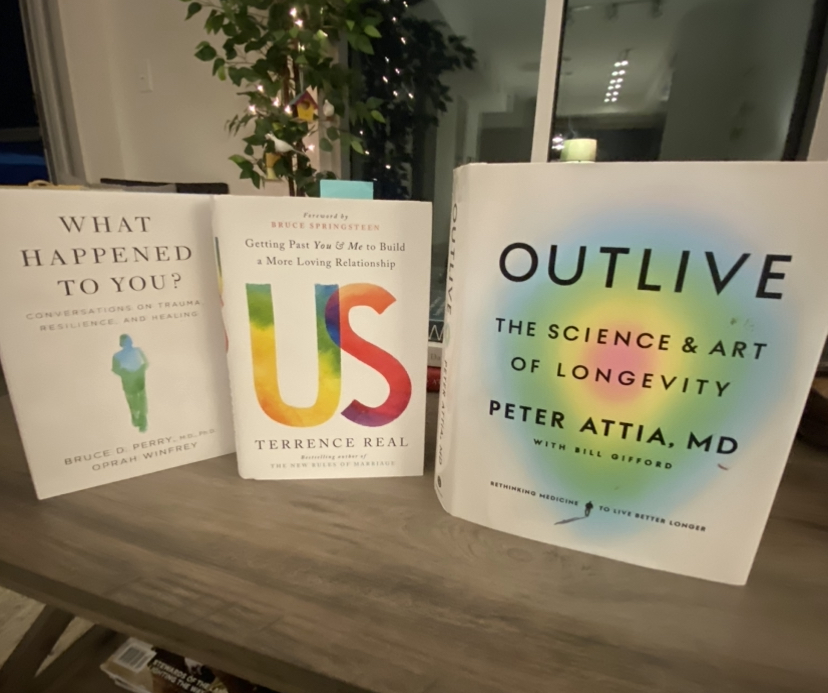
A few short years ago, I participated in a Relationship Summit with Terry Real, the highly regarded family therapist and author of I Don’t Want to Talk About It and his newest book, Us: Getting Past You and Me to Build A More Loving Relationship. During the Relationship Summit, Terry would often share real life examples from his couples counseling sessions. He made the keen observation that few spouses were willing to make any changes for their partners even when their marriages were on the brink of failure. However, when he asked a troubled partner about their relationship with own their children, everything shifted. As he helped his clients see their offsprings’s experiences through the lens of their own childhood, most parents were broken open. Spouses might not change for each other, but they can be deeply motivated to change for the sake of their children.

As Terry so wisely counsels — we need to care for our inner child and we need to reparent ourselves. This is part of that “healing process” that Dr. Becky promotes as well. It shifts us into raising our kids with the safety, security, acceptance, trust, guidance and respect we wished we had received. This is how we break disregulated generational cycles and shake off societal conditioning that negatively impacts our most cherished relationships. Many of us grew up believing that emotions were either good or bad; that anger was only ok for boys to show; that behavioral problems in a child should be punished. None of this is true.

Marriages are saved and strengthened when we no longer show up with all that childhood baggage and child-sized emotional behavioral patterns. Spouses who go for couples counseling often discover that the root cause of their marital issues came from their childhood experiences of marriage and family.

Here is where Dr. Becky’s work with children, and Terry Real’s work with couples really synch. Both are addressing childhood attachment styles, parental behavioral patterns, emotional triggers, poor coping skills and the long lasting impacts of internal family systems.

Couples who take this work to heart often find a lot of common ground in how they want to be parenting their children in a healthy and unified way. They can also find more common ground in their marriages and help each other in their own “reparenting process”. The places where we are most sensitive, needy and emotionally disregulated become opportunities for deeper connection and not the barriers to a healthy, happy and fulfilling marriage.

The truth is that we can do our inner work at the same time we are teaching it. It is a win-win situation since children give us such rich opportunities for real time, real life practice in dealing with a wide range of ever-changing emotions. Now that we know that our spoken and implied messages to our kids become their inner voice, we can be pre-load their inner voice to be an encouraging best friend, not a harsh judgmental critic. We can “re-parent” ourselves while we are teaching our children using this better parenting model. We can actually “feel” this loving, trusting reparenting occurring in our own bodies, when we are caring for our children as we had wished to be cared for when we were little.

In the recent Huberman Lab podcast series dedicated to mental health, Dr. Paul Conti, explained why we succumb so easily to auto-pilot for habitual, problematic behavioral patterns. When we were kids, we learned what patterns kept us safe and connected. We memorized these patterns for years. Anytime we feel those old familiar feelings, we replay the memorized pattern. It’s our “go to” move when we feel vulnerable. We unconsciously repeat our habitual patterns even though we now have agency to change them. This is the very reason that our emotional triggers from childhood can still have such strong impact even decades later.

With the new parenting model, and the science that helps us understand the “mechanics” of changing our brain’s memorized patterns, we will stop resisting the need to change our outgrown childhood behavioral patterns.

Terry Real is a dynamic change-maker, especially for older adults, who not only are saddled with outgrown childhood behavioral patterns, but are also constrained by old gender stereotypes and societal conditioning.

There are multiple “movements” that are gaining traction as a direct result of the newest science of health and happiness because of breakthroughs in mental health and emotional health. In upcoming posts, I will be shining a light on these movements and the dynamic change-makers who are making these movements dynamic, relatable and impactful.

In the meantime, click the links below and get to know Dr. Becky and Terry Real.

RECOMMENDED RESOURCES:

Dr. Becky Kennedy was featured in Time Magazine in 2021 at the Millennial Parenting Whisperer
https://time.com/6075434/dr-becky-millennial-parenting/

Check out Dr. Becky’s GOOD INSIDE website — and be sure to sign up for her newletter. https://www.goodinside.com

Follow Dr. Becky on your favorite social media platform, including Instagram and Threads. Her short reels offer a daily dose of parenting reality with humor, relatability and a nugget of helpful advice.

Click this link to watch Dr. Becky’s TED Talk on the single most important parenting strategy https://www.ted.com/talks/becky_kennedy_the_single_most_important_parenting_strategy

Terry Real is a family therapist and founder of Relational Life Therapy- a revolutionary new approach to couples and individual counseling. Old counseling models kept us stuck in looking only at surface problems and not the root cause of our disharmonies. Click this link to go to Terry’s website and discover the plethora of resources he offers to help you build deeper, more rewarding relationships. https://terryreal.com/relationship-online-courses/

“Nothing is more important in our lives than our relationships. A great relationship boosts your immune system, opens your heart and keeps you vital and creative.” –– Terry Real
The Baggage We Should Be Unpacking

It’s no surprise that we all have family and emotional baggage that has never been unpacked – mostly because it feels like opening Pandora’s box. Who would ever want to do that?

What if we were to reframe it as exploring a treasure chest instead? The clues to unanswered questions; the keys to unlock some of our hidden assets; a mystery solved; a weathered, yellowing journal of unknown and revelational history.

We are fearful of what we might discover in our family and emotional baggage. Many of us don’t care to relive the painful memories we stashed in there decades ago. But we are not the same as we were then – we are older, have had more life experiences under our belt and have more nuanced perspectives. Maybe we can unpack the baggage and clear up much needed space for a lighter way of being.

We are not alone when it comes to complex family histories and generational patterns. We are all in the midst of a big unraveling of old societal conditioning, gender stereotyping and poor parenting models. As Maya Angelou espouses “when you know better, you do better.” Thanks to the major breakthroughs in neuroscience, psychology and emotional science, we now have much better resources and tools available to us for personal growth, self-awareness, relationships and parenting.

In fact, it is these very breakthroughs that provide an entirely different framework for hard conversations and more productive dialogue about the elephant in the room –debilitating family dynamics.

If we wait until parents or grandparents pass away, we miss asking the questions we would like answered. Have you ever sifted through cardboard boxes of old photos and had no idea who the relatives were or the stories that went with each photographic memory? It is just like that with family baggage. So many secrets boxed up and sealed tight. If family members are courageous enough to enter into these challenging conversations with honesty and a desire to learn, it will jettison that cumbersome family baggage.

Just look around at all the complex family dynamics the next time you attend a graduation, wedding, family reunion or holiday gathering. You can readily spot familiar family patterns, passed down from one generation to the next, taking its toll on our younger generations; families dealing with the same adversities, just a different cast of characters.

The baggage may be invisible, but its impacts are as apparent as blue eyes, tall stature, the shape of a mouth or nose and even personality traits.

No generation is immune from common life events including genetic health issues, divorce, co-parenting, behavioral issues, co-dependency, estrangements, blended families, addiction, mental health issues and trauma. Hard things happen in life. We can, and must, stop making them harder than they need to be.

Today, we have the rare opportunity to involve four living generations — grandparents, parents, siblings and grandchildren — to do the work necessary to break generational trauma and address dysfunctional behavioral patterns. It may be the first time ever that we also have evidence and impetus to come together to do this multi-generational unpacking of emotional and behavioral baggage.

A good starting point would be to collectively acknowledge that the old ways of parenting and dealing with emotions are primary root causes of ongoing family dysfunction and our growing emotional health crisis. We got it wrong and now we need to be actively involved in turning the tide on that old paradigm. Just acknowledging this truth can lift the fog of shame, guilt and blame. These conversations are long overdue and we don’t want our grandchildren being burdened by the weight of unhealthy, unproductive family secrets. We can stop spreading harmful patterns and limiting beliefs from one generation to the next.

When we can overlay the new template for parenting and emotional health onto our past experiences, we gain clarity where once there was only murky confusion. There are a lot of stories embedded in our family history that are horribly inaccurate. Imagine discovering this and realizing that we’d been making incorrect assumptions and judging others when we really could have been showing up and offering each other support and emotional scaffolding.

Yes we are afraid to have those hard conversations, mostly because we are feeling very strong negative emotions arise in us each time we even think about it. It would be analogous to refusing to go to the doctor for a suspicious lump. We can no longer afford to let our fear and anxiety prevent us from learning and discovery.

The biggest challenge in having these hard conversations and unpacking family baggage together is the massive entanglement of old, unprocessed emotions, traumas and false narratives about each other. The only way we can do this work is to become very skillful in interpersonal and emotional skills.

If we are going to do a deep dive into the dark, deep waters of our generational family history, we want a seasoned, skillful dive master and tools to help us see clearly, cut those falsehoods that keep us tethered, and avoid getting re-snagged on past trauma. Emotional triggers, limiting beliefs, fixed mindsets and jagged remains of adversities are hard to navigate without compassion, empathy and powerful listening skills.

For the record, we may have attempted to do this in the past, but all we really had to guide us was “hindsight”. While hindsight can shine a light on our regrets and help us own the consequences and outcomes of our choices, it often leaves us at a dead end. Problem identified, but no meaningful path to healing and prevention.

In 2009, Dr. Dan Siegel introduced a new concept for personal growth and self-awareness. He was planting the seed of what would become “other awareness”. But there was no way for us to get to “other awarenesss” without knowing ourselves deeply. Dr. Siegel called his revolutionary personal transformation concept “mindsight”. Mindsight picks up where hindsight stopped. No more dead ends.

Dr. Siegel framed “mindsight” this way: It is a powerful lens through which we can understand our inner emotional lives with more clarity, integrate our brain and our emotions, and enhance our relationships with others.

Mindsight is how we put our own oxygen mask on first. There is no way that we can be of meaningful value in helping others on their emotional health journey if we ourselves haven’t done our own work. Full stop.

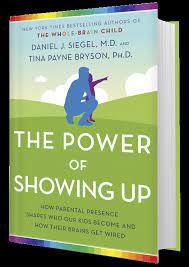
In my previous blog post, “Learning What We Need to Teach”, I shared the steps and the benefits of Dr. Siegel’s concept of mindsight and whole brain parenting. Doing the hard work and committing to a lifetime of personal growth is not for the faint of heart. But as we often say with physical fitness, “no pain, no gain”.

Dr. Siegel encourages us to use this “mindsight” lens to go back and look at our own childhood to discover how our experiences and our caregivers shaped us. Imagine being able to do this – AND have conversations with siblings, parents and grandparents about those experiences that would provide context and nuance, not to mention long overdue accountability and the possibility of repair.

Do you know what your emotional triggers are? Are you aware of the limiting beliefs that were baked into your inner critic when you were a child? Are you still having meltdowns like a two year old when big emotions consume you? Do you expect more emotional regulation and better coping skills from your partner, kids or friends than you can muster in stressful situations?

These are the warning signs of compromised emotional health. If we do not attend to our emotional health, two things will happen — (1) our physical health and quality of life will also be compromised and may even go into serious decline; (2) we will pass down to our children similar unhealthy emotional patterns. Ignoring our emotional health has perpetuated the multigenerational family dysfunction since the dawn of time.

When Dr. Dan Siegel introduced mindsight in 2009, he was an advance scout for what has now broken wide open into the mainstream of our lives. Over the past two decades, multi disciplines have merged and reverse engineered what we need to do in order to address our growing mental health crises.

We need to undo and unlearn all the things we got wrong about parenting, about emotions and about relationships.

It has taken several decades, a ton of research, and more family heartaches and brokenness than we can imagine to bring us to this moment in our collective evolution. We are now able to visibly see and feel why we need to commit to this work when we look at our children and grandchildren. Not only do they deserve better, we are motivated by our hearts to take this work seriously.

In the past, each generation entered adulthood and parenthood with a strong desire to do better than the prior generation. Good intentions, but faulty information and poor diagnostic tools. We labeled kids, rather than naming emotions. We unplugged their first love language (emotions) as soon as they learned to talk and express themselves. We had blindspots and blurred life maps. We unconsciously repeated the same old patterns and reactions from which we recoiled or hid from as kids. We numbed our pain rather than extracting it and healing.

The reverse engineering that neuroscience, psychology, epigenetics, neurobiology, emotional science and social sciences have done is now extending a call to action that cannot be ignored. This call to action is meant for all of us — all 4 generations to become involved. We need to do some serious excavation work on generational baggage.

We each need to make our own emotional health a priority. We need to plug it back into the core foundation of a meaningful, satisfying and rewarding life. We need to upgrade our default systems that were never integrated in childhood. Plug those emotions into our operating systems and get more skillful at regulating them, learning from them and growing because of them. We need to unpack emotional and family baggage that is putting more obstacles in our way than we realize.

We do not have to wait until we are at the master class level to dive into teaching our kids and helping our partners. We can learn together. In fact, our children and grandchildren are the best teachers in the world. If we can step back and ask ourselves, “what did I need when I was their age?” we will instinctively know how to meet the moment. Instead of asking “what’s the matter?” we can pivot and learn by asking them “What matters most?”

This blog post is the first of a new series I’ll be sharing about the life-changing benefits of personal growth and self-awareness not only for our own quality of life, but for all of our relationships. Let’s explore how we got here, what is fresh and new for our emotional health, what we are discovering about the connection between fixed mindsets and limiting beliefs, better ways to help kids through divorce and blended families how we can improve the education system from preschool to college and so much more.

There is an “emotion revolution” rising from the ashes of old parenting models, lack of emotional regulation into our human operating system, and the hard lessons learned through a global pandemic. Are you in?

RECOMMENDED RESOURCES:

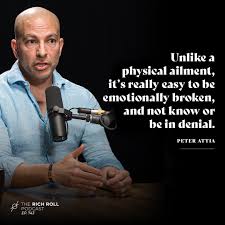
DR. PETER ATTIA is the renowned resource on Longevity — and now he is the front-running force for this emotion revolution. Watch his relatable reels on Instagram, listen to his interviews on YouTube for his book launch. Read his book, Outlive to learn why our emotional health is the most integral component for our quality of life. Listen to his podcast, the Drive.

Happy Birthday Tribute

It’s Wednesday, April 14th, 2021 and it would have been my beloved Skip’s 76th birthday. Our morning would have started like any other day, sharing coffee and conversation about what the day held in store for us. There’s no doubt in my mind that we’d be playing golf together. This morning has me swimming through the memories we made and the indelible impression that this tender big hearted, twinkling-eyed man made on my life.

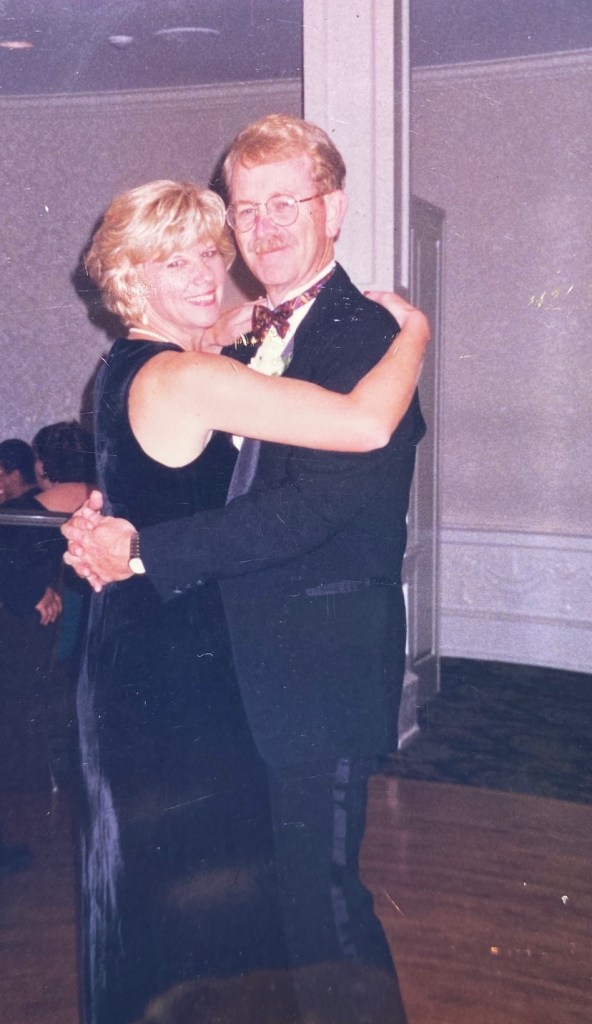
Skip had an effervescent spirit that was highly contagious. I witnessed his magic in one on one interactions with others as well as in large groups. I recall being at a huge banking dinner party in Philadelphia. After dinner, the guests began to make their way to the dance floor. People swayed to the music while conversations from the dinner tables mingled in the air. The band struck a few chords of a new song and Skip literally sprang from his chair and burst on to the dance floor like John Travolta in Saturday Night Fever. Skip owned the Hustle….and he was about to bring the house down. All dinner conversation stopped and the dance crowd suddenly became energized and excited. Everyone on that dance floor fell under Skip’s magic and into dance lines as if choreographed. Smiles erupted on faces as feet fell into step with him, hands were clapping in rhythm. Everyone was caught in the magic of my husband – his energy, his enthusiasm, his love of music and dancing and best of all how he loved to share this part of himself so freely with others. I can close my eyes and relive that moment as if it were happening right now. It is seared into my memory banks and filed under “Never Forget This Moment.”

When I pull that memory out and soak up its goodness, I remember just how proud I was in that moment to be his wife. He magically gave others permission to let loose, to lose their inhibitions, to actually feel the music and respond to it. As I stood there watching him, he locked eyes with me and winked. That was our secret signal…that wink of his told me he was in his happy place. I could almost hear him whisper “Watch this” the same way a 10 year old boy would as he’s about to try something that would stop a mother’s heart.

It is not surprising to have folks who were at that event still comment to me about Skip on the dance floor and how it felt like they were all in a scene from a movie. That is just one of the lasting gifts that Skip gave to me and others. Those incredible moments when he would make time stand still and work his big magic.

Whenever there was a wedding, a dinner party at our golf club, or a banking function, everyone knew they could count on Skip to bring the party to life. I recall a New Year’s Eve party at Chester Valley where the DJ was just not striking the right chord with his music choices for the crowd. Skip jotted down a few song choices on a cocktail napkin and handed it to the guy with that knowing wink. As soon as “I Got You (Feel Good)” by James Brown started playing that dance floor was rocking. Skip and I closed the place down that night and laughed the whole drive home about how much fun it was.

Perhaps music was the legacy he was weaving all through his life and the timeless gift that he still continues to give to me. Skip’s love of music came from his heart. Songs seemed to talk to him, made him feel connected and understood, gave him hope and inspiration. When we were dating, he’d make me mixed cassette tapes full of the songs that had deep meaning to him. He’d write a detailed letter that accompanied each tape. The name of the song and the artist, what that song meant to him or was meant to convey to me and often why he chose a specific artist’s rendition of the song. I’d listen to these mixed tapes every day as I would commute to and from work. I fell deeper in love with Skip as I let these songs tell me more about him.

Skip was born in Rio de Janeiro and that must have influenced him by the very air he breathed for he loved Latin music and the richness of Spanish as a language. He was fluent in Spanish and he loved to take my hands in his, look into my eyes and then shower me with something beautiful in Spanish. He was right, the language is romantic and rich and it went straight to my heart. I used to tease him that he could be telling me that the oil in my car needed to be changed, but if he said it in Spanish, I’d melt.

He loved Gloria Estefan and her song, Con los Anos Que Me Quedan, was his personal favorite. He wrote me a letter where he handwrote the lyrics in both Spanish and English. He made comments in the margins about places where the English language fell short in conveying the depth of meaning in that beautiful song. If I had a rung on a ladder for every time I have listened to this song over more than 20 years, I would have a golden ladder straight to heaven.

Skip and I were on a vacation in the Bahamas with another couple many years ago. He was golfing during the day and I had gone scuba diving. As we were getting ready for dinner, we shared the highlights of our different experiences that day and decided that we would try each other’s passion. That evening, after dinner, Skip discreetly asked the DJ to play a special song. He walked back to our table, took my hand and led me to the dance floor. The song was “Unforgettable”, the duet with Natalie and Nat King Cole. He whispered to me how happy he was because I was willing to learn golf.

Little did I know that I would come to love the game of golf as much as Skip did. And yes, he came to love scuba diving as I did, marveling at the wonders and beauty that lies under the oceans.

It only dawned on me recently that Skip’s encouragement for me to learn golf, like music ,was yet another gift that he gave to me for after he was gone.

He often shared with me that after a long hectic day in the office, he’d find solace and rejuvenation by playing 9 holes of golf in the evening by himself. He loved walking the course, hearing his clubs clanging together in step with his long gait. He’d take in the rich verdant greens of the various cuts of grass on the course and let his eyes rest on the long sunset shadows stretching across the fairways. He confided that this time alone on the course was how he grounded himself. For a man who was an extravert and surrounded by people all day long, his sanctuary was the golf course in the evening.

Skip taught me both the skills of the game and the etiquette of golf. Frankly, both are complex to a beginner. Yet I could readily see how the skills and the etiquette resonated so organically with Skip. He was a committed hard worker and his grandfather, a highly decorated Admiral in the U S Navy, had instilled impeccable manners in him.

The skills of his game came through lessons, practice and patience. He was a scratch golfer who loved to compete. What I came to observe was that the truest test of his competitiveness was with himself. He was always striving to better his personal best. He was a copious record-keeper of his rounds of golf and he taught me how this helped him identify the parts of his game that needed work. Over time I came to understand that this analysis is what led him to be a master of the short game and putting. Again, I am blessed with a memory of him teaching me to chip onto a green using a pendulum example one evening at Chester Valley Golf Course. He had a gift for giving me a relatable image to help me grasp the concept.

He had an eye for reading greens that was unlike anyone I’ve ever met. We had countless hours of fun putting on greens from various angles so that I learn this for myself. To this day, I often hear his words in my ears as I assess a putt. As for golf etiquette, I quickly learned that most golfers will happily put up with your errant shots and high handicap if you respect the rules and camaraderie of the game.

I witnessed over many years how Skip forged long-time friendships over rounds of golf. This was yet another invaluable lesson that he taught me — you can learn a lot about a person in 4 hours of golf. Skip was a good judge of character and had a knack for seeing potential in others that they might not see themselves. From him, I learned how to interact with others on the golf course that would be more helpful than a hindrance. Honestly I had no idea just how much psychology goes into the game of golf.

I do know that I was so very proud of him when the wives of his friends would ask to be paired with us for couples golf events because they felt comfortable with Skip in the foursome. Putting others at ease was his gift. Not letting others’ games and behaviors distract him from his own game was his superpower. Skip had friends all over the globe who loved playing golf with him. When he passed away, there was an annual tournament established in his honor by an international banking group. Oh the stories I’ve heard over the years from those who loved watching him pull off an incredulous shot, or patiently teach them a trick or two.

As I reflect on it today, I realize that golf keeps me connected to Skip in some magical, incredible way, just like the songs that became “ours.” When he passed away, I played a lot of 9 holes by myself at Chester Valley in the evenings and though I was overcome by grief, I felt his presence and it was comforting. I was such a new golfer when Skip died, but I can still hear his words of encouragement or advice when I am standing over some shots. I only used a 5 iron off the tee when he was still alive, so when I conquered using a driver, I’d cast my eyes to heaven and say “I bet you are loving this, Skip.” I think that through osmosis I learned to be like him when playing golf with others. When someone tells me that they’ve enjoyed my company after a round of golf, I think to myself that I have honored Skip. He was so passionate about the game. I have made so many friends over these past 18 years through golf and they have filled some of the empty spaces in my heart.

Skip encouraged me to learn the game he loved. He taught me how to find some peace and solace in the evening on a golf course. He taught me to keep striving to get better — at life as well as golf and to be kind and respectful in the process. He taught me that if you need a friend, go hit the links. You are likely to make a friend for life over a round of golf.

I was fondly recalling my last round of golf at Chester Valley Golf Course in Malvern, Pennsylvania today. It was a few years after Skip passed away and I was moving back to Lancaster County. My brother, who is one of my greatest sources of comfort, joined me for this special goodbye round. My brother and I always have fun playing golf and he has such a gentle way about him. Throughout the round, we shared our fondest memories of playing that course with Skip. As we were walking the fairway approaching the 14th green, a rain shower appeared out of no where. By the time we reached the green, the rain clouds were drifting away from us and the sun was trying to peek out. The 14th green was one of the trickiest on the course and my ball was judge on the edge, a very long downhill putt over a multi-level undulating green. My brother was laughing at my predicament, thinking that my putt would end up off the green and I’d be chipping back on. As he bantered, I assessed the situation and stood over my ball. I moved only my head to turn and look at my brother and I stated “Skip says…..just breathe on it.” I barely tapped that golf ball and we both watched in amazement as it rolled slowly downhill, curving one way and then the other……until it dropped right into the center of the cup! My brother was cheering in amazement and as he ran up to congratulate me, he noticed the most spectacular rainbow in the sky overhead. As he pulled me into a hug, he said “I think Skip saw that one, Amy.” I was awestruck….and still am today as I treasure that memory.

Tonite I am going out to play 9 holes of golf at twilight, by myself. I will be honoring the love of my life and thanking him for all the songs that forever remind me of him and for how he expanded my life and my heart. Happy Birthday up in heaven, Skip Davis.

Lyrics to Con los Anos Que Me Quedan:

https://lyricstranslate.com/en/con-los-anos-que-me-quedan-years-remain-me.html