Change-Makers Mapping the Way

Welcome back to my latest blog post series about the change-makers who are helping us take the next meaningful steps in the integration of emotional health into our lifestyles. In the first part of this series, I shared two dynamic change-makers for parenting and for couples. The common thread for both Dr. Becky Kennedy’s parenting model and Terry Real’s relational therapy is what we learned and experienced in childhood that impacts us still today.

Unfortunately a lot of what carries over from childhood into adulthood regarding our emotional health is often not so obvious to us. When we get emotionally triggered or over-stressed, we unconsciously react with patterns we have memorized for decades. We know them by heart.

This is the second post in this series pulls that common thread of childhood, inviting us to go back and revisit how we came to shape our world view but with an entirely different lens this time. Now we are archeologists, searching for the clues and examining artifacts.

A common metaphor that is being used to today across the spectrum of emotional health and personal growth is one of a map. This helpful metaphor tells us that we need to know our backstory and childhood history to clean out and update our beliefs and behaviors. This is the role of an emotional archeologist.

We are going to discover things that are still getting in our way when we retrace our steps. Let’s start by tossing out the chunky picture book with baby faces that express only happy, sad or mad. Most of the life mapping we did back then was based on a very limited emotional vocabulary. It’s nearly impossible to create a more nuanced map to navigate the complexities of real life with only three basic emotions. Yet that is what we did — and that is what we operate on unconsciously even decades later.

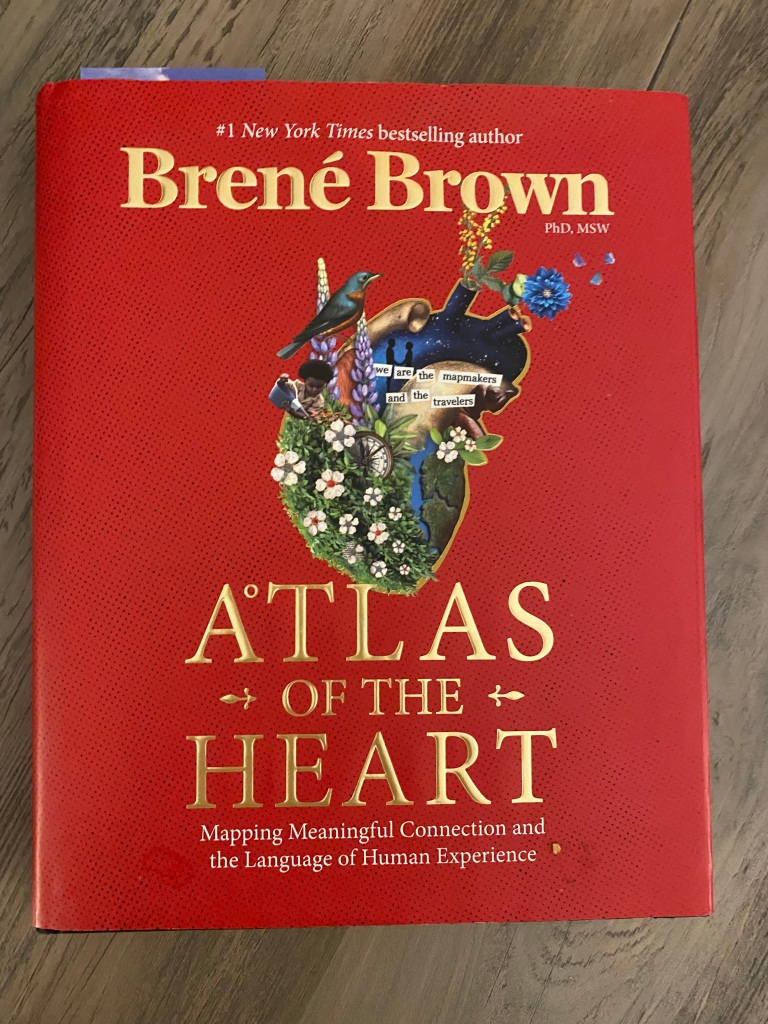
When Brene Brown introduced her book, Atlas of the Heart, in November 2021, she gave us a major upgrade to the chunky emotions picture book. She gave us language, definitions and real life examples of our emotions. She called it an atlas.

“I want this book to be an atlas for all of us, because I believe that with an adventurous heart and the right map, we can travel anywhere and never losing ourselves.” — Brene Brown

It was the first time for many of us to have an emotions reference guide; an atlas that helps us understand just how much our emotions are impacting how we navigate through life. Brene’s research supported the fact that most adults were still using only three basic emotions to express themselves – the same three that little kids use every day. Her extensive research was a reality check for how we’d gotten stuck and hampered in our adult lives with such a limited emotional vocabulary.

Brene not only offered us definitions for 87 common emotions and experienced, she provided common, real life examples of when these emotions were likely to show up. Brene’s book upgraded our emotional vocabulary from three core emotions — angry, sad and happy – to a much richer, contextual and expansive way to understand ourselves.

A bonus is that when we understand ourselves better, we become more skillful at understanding others – even (and especially) our own children.

The truth is that as we get to know our own emotions and experiences more clearly, the better we can show up in our relationships with more empathy and curiosity about how others are feeling. Rather than getting lost in each other’s emotions, we can become skillful travelers together.

In my last blog post, I highlighted the parenting movement that Dr. Becky Kennedy is championing. If you are a parent who follows Dr. Becky, you no doubt feel so seen and heard when you watch her videos. With a dollop of reality and a dash of humor, she skillfully shows us how we get hijacked by our kids’s behaviors and can quickly come down to their level with our own reactions and behaviors. Can we catch ourselves in the act of returning to child-sized tools for big emotions and scary experiences? Can we pivot and choose wisely to deploy more mature skills?

“Underneath bad behavior is always a good kid.” – Dr. Becky Kennedy, Founder of Good Inside

Underneath our own outgrown behaviors is that little kid we once were. What we learned and mapped out in childhood is what we need to investigate.

Let’s meet two more change-makers who did their own extensive emotional inner work — and then looked around and asked themselves how they could help others. They poured their hearts and energy into their respective fields and the creation of new approaches for becoming emotions archeologists. Then they took their work one step further. They are teaching us how to integrate our emotions and positively impact how we navigate life and map a better future.

These change-makers are paving the way to a major pivot in mental and emotional health: An ounce of prevention really is worth a pound of cure.

We now know that we do need to go back and look at our childhood to “back-map” why we react without thinking when we are emotionally charged. What happened in our childhood that contributed to our coping skills, unconscious behavioral patterns, emotional triggers and beliefs about ourselves?

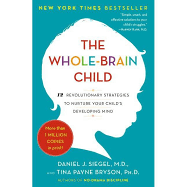
In a recent blog post, I shared that Dr. Dan Siegel, author of of Whole Brain Child, acknowledged that many people do not want to revisit their childhood experiences. There is a fear that revisiting old painful memories will take over our current lives and we’d rather not go there. But the truth of the matter is that unconsciously these things we keep stuffed down or locked up are literally showing up in our lives anyway. It’s not the monsters under the bed or the secrets in the closet that are the problem, it is the reality that they are taking up a lot of storage space — and they creep into our minds and behaviors unconsciously.

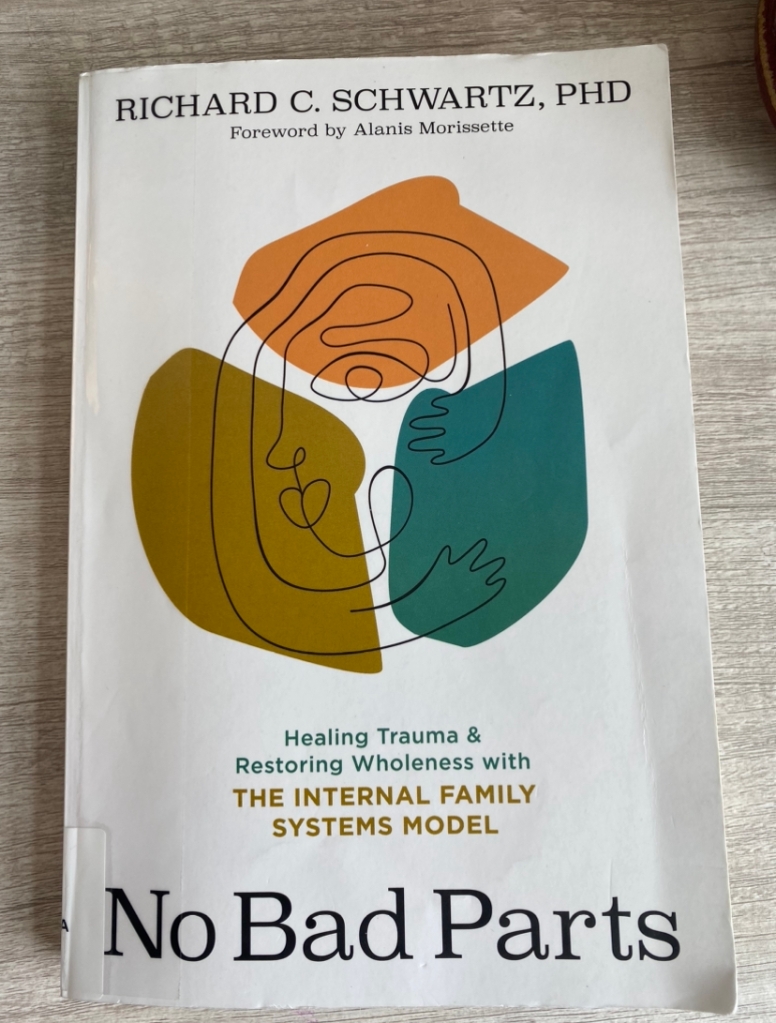
Meet Dr. Richard Schwartz, creator of a revolutionary form of therapy known as Internal Family Systems. He also uses the concept of a map to help us understand how all the parts of us show up when we are making our way in life.

If you are not familiar with the term Internal Family Systems, you may think that it is a discipline or field devoted to our family trees – which are often full of generational patterns, inherited traits and all kinds of dysfunction.

However, Internal Family Systems is actually a very useful evidence-based psychotherapy developed by Dr. Richard Schwarz in the 1980’s. In plain language, Internal Family Systems is all about us – the me, myself and I.

It is our unique, individual, inner family system comprised of all our sub-personalities. Each and everyone of our sub-personalities has its own viewpoint, qualities and roles it plays in our daily lives.

Before you shrug your shoulders and dismiss that IFS could be beneficial for you and all those you love, stop to think just how familiar you are with a few of your sub-personalities. How well do you know your Inner Critic? Do you have a steamroller in your personality that likes to run over any constructive feedback you might be offered? Are you a people pleaser who often gives to the point of exhaustion? Do you have a fierce warrior side of you — the big protector who prefers a fiery battle over calm conflict resolution? Do you have a stealth, hyper vigilant, guard who stands watch night and day to keep you safe?

If you’ve ever felt an internal tug of war, it’s quite likely one of your sub-personalities was engaged in a struggle. I’m guessing you may be now feeling a little more curious about Internal Family Systems.

In his book, No Bad Parts; Healing Trauma and Restoring Wholeness with the Internal Family Systems Model, Dr. Richard Schwartz does not refer to our sub-personalities as “demons” as this pillow suggests, but rather a much more appropriate, relatable term — they are our “burdens.

If you ever get in your own way, then you can fully grasp how our sub-personalities are often the very cause of our self-inflicted problematic behavioral patterns. They do burden our lives; they make things harder than they have to be.

Dr. Richard Schwartz reflects on the work of childhood attachment theory pioneer, John Bowlby, to help us explore how and why we came to possess such intricate, complex sub-personalities. John Bowlby viewed our “childhood attachment styles” as our “internal working models”.

Many of us grew up with parents who were not emotionally available and often had a lot of problems of their own. The old parenting models punished us for our “bad” emotions, gave accolades for our “good” emotions; or worse yet, encouraged our ability to become cognitively dissonant and just power through our emotions.

As children with pint-sized developing brains and the inability to make sense of a very big, complex, confusing and contradictory world, we developed “maps” of what to expect from our caretakers and the world in general — and from all our subsequent close relationships. These “maps” we created also told us things about our own level of goodness (or lack thereof) and how much we deserve love and support (or how we weren’t worthy).

These individual “maps” get lodged in our bodies of our young parts and become very powerful – and unconscious – organizers of our lives. These are our personal burdens.

As if that isn’t even to contend with as we mature, we also carry internally another class of burdens — legacy burdens. These do not come from our direct life experiences, but we inherit them from our parents. Legacy burdens are the generational patterns, beliefs, and attitudes that get passed along rather organically. They too are very potent organizers of our lives. Think of all the societal conditioning, cultural beliefs and attitudes that are baked into our lives from birth. As Dr. Schwartz articulates “because we have absorbed these legacy burdens in our daily environments, we have marinated in them for a very long time; so it’s often harder to notice them. In this way, legacy burdens can be as prominent and unnoticed as water to a fish.”

Legacy burdens often show up as biases and prejudices that we may not be consciously aware that we possess. Intellectually we believe one thing, but instinctually and unconsciously we can act and feel quite differently when we are emotionally charged. High stress situations take our executive functions offline – and suddenly we are acting on the “baked in” legacy burdens, not from our current values.

Dr. Richard Schwartz invites us to become very fluent and familiar with our sub-personalities. Where we once believed it was better to use willpower to fight or resist them, he turns this theory inside out. One of the most transformational ways to really get to know ourselves well, and to do our our “inner work”, is to get up close and personal with our inner cast of characters, our sub-personalities. This is our very own “internal family system.”

We’ve often referred to personal growth work as peeling off the layers our onion, but Dr. Schwartz tells us that our sub-personalities are more like cloves of garlic. Each part is like a garlic head with individual cloves. The individual cloves developed from an event or experience, how we made sense of it, what we came to expect on a regular basis, and how we mapped it out. These parts have “blended” themselves to our perspectives, emotions, beliefs and impulses.

Our emotions, bodily sensations, thoughts, impulses, knee jerk reactions, limiting beliefs — they all are emanating from our internal parts. Dr. Schwartz refers to all of these as “trailheads“. He offers that when we focus on one, it is as if we are starting out on a trail that leads us to the part of us from which those feelings, reactions, impulses emanate.

What happens on this trail when we lean in with curiosity and a strong desire to learn our inner terrain? We open up to discovery about the parts of ourselves and our stories that have much wisdom to impart to us. And we often learn that all that messaging we got as children is not at all who we really are, who we have become and especially how we can continue to evolve into the best version of ourselves.

Can you picture yourself as a small child on that trail many decades ago? How different would the landscape look to you and how scary would it be to navigate it with limited resources all while fighting back tears and an onslaught of big emotions? Would you want to use the map that child created to help you navigate the trailhead today? Of course not. Today you have so much more knowledge, self awareness, agency and resources at your disposal.

Take a moment to think about grown adults that are still having meltdowns and explosive temper tantrums. Reflect on the emotional triggers you can spot in yourself and others that seem like a huge overreaction to current events. Do you see childish bullying tactics showing up with adults who frankly should know better?

With the Internal Family Systems model, Dr. Schwartz reframes our sub-personalities as our “parts”; as if each part were a person with a true purpose. Our inner “parts” are doing a lot of important jobs to help us get through life and be in relationships with others. The problem is not us — the problem is that our “parts” keep us stuck in the past.

The parts of us that throw temper tantrums are loudly announcing “please pay attention to my needs right now”. The parts of us that want to “numb out” are simply assuming the role of “pain reliever”. Very often it is deep emotional pain that causes the parts of us to step in as a protector (albeit one that now causes us more trouble than relief). The inner parts of us are the ones pulling our emotional triggers.

If you have ever been a sibling who tried to protect younger siblings from a parent’s unchecked anger, then you have a very clear, real-life example of the role that your “parts” are playing for you. Dr. Schwartz helps us understand that when we change our perspective on our parts and the roles they play, we can “unburden” those parts of us from outgrown, outsized fear and responsibility.

The Internal family systems model has become a big transformational pivot for how therapists and psychiatrists are treating trauma, addictions, depression and anxiety. It is similarly a meaningful pivot for individual and couples counseling and it is vastly improving our approach to parenting. We are shifting away from stigmatizing these issues, from blaming and shaming, and relying solely on abstinence or will power to solve the problem.

When we do this inner work and look at our “parts” and how they show up in our adult lives, what we discover with much clarity is how our own kids are doing the very same thing today. If your child or grandchild blurts out that they are “stupid or bad”, “too much trouble” or “not smart enough”, they are blending their behavior with their identity– they are creating their inner garlic clove.

Once we begin to explore our own childhood maps, we gain a lot of insight into what might be happening in our own children’s self identity. We can readily see when our children might be taking their behaviors – and our reactions to them – as labels for who they are. We can help them course correct in real time. Yes, an ounce of prevention will most definitely be worth a pound of cure.

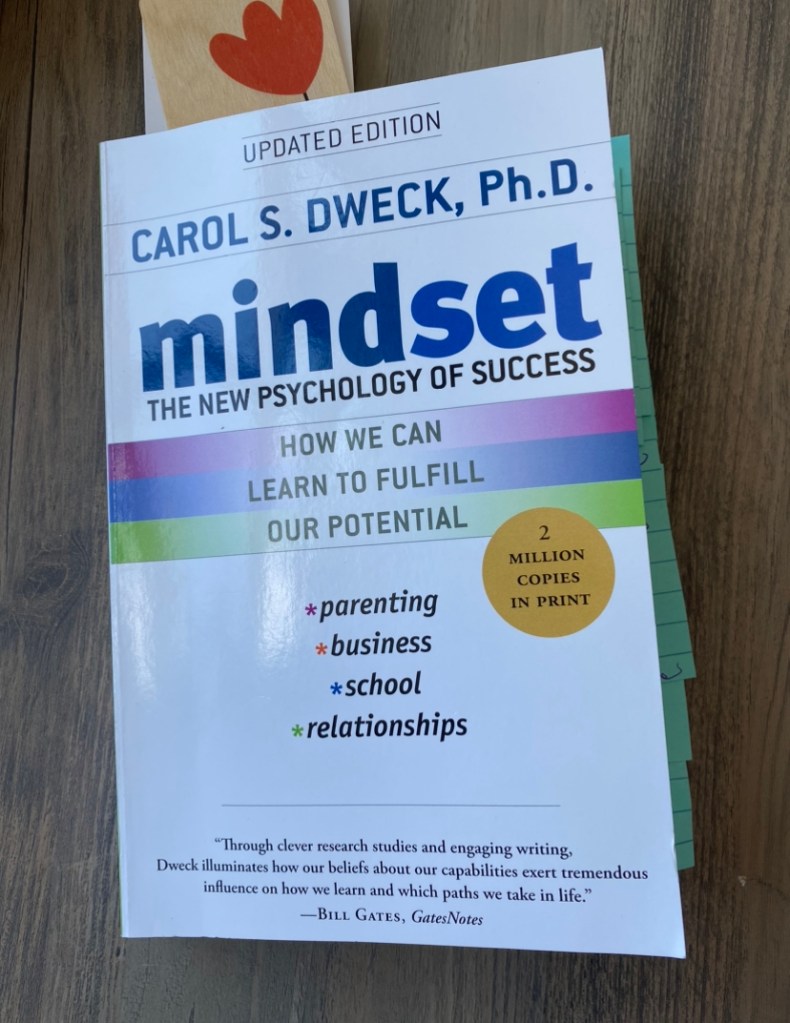
Rather than waiting for these emotional and mental health issues to crop up and create big problems in our lives and relationships, we can become proactive in our emotional health lifestyle. The groundwork for this improved foundation for a long and meaningful life has been laid by Brene Brown’s two decades of research on shame and vulnerability, Kristin Neff’s work on self compassion and Dr. Carol Deck’s work on mindsets. It integrates seamlessly with all the research, studies and improved methodologies by Dr. Richard Schwartz, Bessel Van Der Kolk, Gabor Mate, Dr. Dan Siegel and Dr. Bruce Perry (just to name a few).

Counseling, therapy and life coaching are all changing in very beneficial ways due to breakthroughs in neuroscience, psychology and behavioral science. We are collectively moving to “prevention” rather than treating problems after the fact.

Dr. Schwartz’s book – No Bad Parts – and Dr. Becky Kennedy’s insights that we have good kids with problematic behaviors dovetail in a very impactful way. We can teach our kids an expanded emotional vocabulary, integrate their honest emotions with their experiences in healthy ways, and teach them invaluable emotional regulation skills.

Now let’s turn to a pioneer of this new emotion revolution – a man whose childhood life story became fuel for his passion to teach us all how to integrate our emotions to guide us rather than stunt our growth.

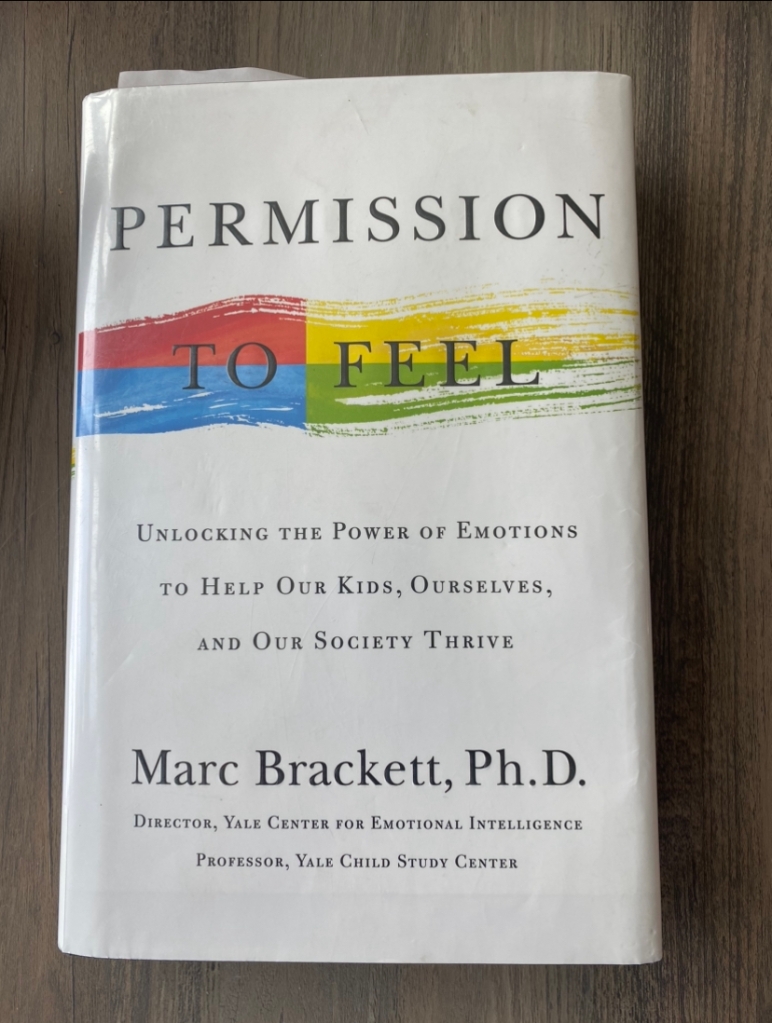
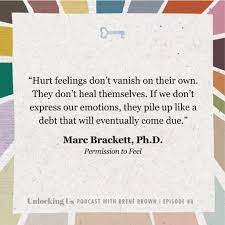
Dr. Marc Brackett stated the obvious in a recent online workshop based on his book, Permission to Feel: Emotion regulation is taught and modeled. Emotion regulation is goal oriented – it helps us achieve our goal in healthy ways, not adaptive ways. We cannot teach our kids what we ourselves do not know.

During this workshop, Dr. Brackett shared powerpoint slides of his global research that revealed that most adults offer that they were never taught emotional regulation at home or in school. This is not at all surprising evidence. We now know that old parenting models did not integrate emotions into our developing brains. We also know that the complexity of our personal burdens and our legacy burdens made our navigation of life harder than it needed to be.

Dr. Marc Brackett knows this intimately — and it was his own childhood experiences that set him on the path to change what we got wrong.

I first learned of Dr. Marc Brackett’s work on an Unlocking Us podcast with Brene Brown during the COVID pandemic. He had released his book, Permission to Feel in September, 2019. When the pandemic left us collectively struggling with ongoing uncertainty and big mood swings, Brene knew the time was right to talk about the many emotions we were all feeling. This podcast aired in April 2020 and the conversation was relatable and relevant. We were like sponges ready to absorb what we were hearing.

Marc brought a strong sense of humor to the challenging topic of emotions and shared with Brene that he often got a lot of pushback when he’d present his research to academia or school administrators. Emotions were thought of as the messy, sticky problems — certainly not solutions to behavioral issues.

But Marc had a compelling portal to break new ground on a brand new trail in the field of emotional intelligence. It was his life story. He told it – and those who once resisted – began to see how all the dots connected.

Marc’s personal childhood story is one that is sadly quite familiar; it will open your heart as you learn about the dysfunction, abuse and trauma he experienced as a young boy. He articulates so poignantly his troublesome outward behaviors and the dark inner secrets that caused him to be so out of control, angry and despondent.

Marc’s young life was full of inner struggle no one could see from the outside. Unprocessed emotions, dark secrets pushed down and his inner parts doing their best to protect him were the root cause of the outward unruly and difficult behaviors. Until his beloved Uncle Marvin showed up in his life in a profound way.

Marc’s Uncle Marvin gave him “permission to feel”. With Uncle Marvin as his emotional mentor, Marc was able to “unburden” himself by telling his story of abuse to his trusted uncle, without being shamed or blamed. He was believed. He was seen, valued, heard and deeply cared for by Uncle Marvin.

It is hard to hear Marc’s personal story and not find multiple points of connection. Any fellow academic or school administrator could see parts of their own stories embedded in his. They could easily overlay his story onto students, peers, and their own family members. Suddenly emotions were clearly not the problem and neither was problematic behavior. They were symptoms and warning signs for what happened in a child’s life.

Now he had their attention — and their buy-in — to support his work and most importantly, his outreach to educate others.

We need emotional scientists….not emotional judges. We also need emotion mentors.

We need to have people who will listen to understand and who will support us in getting the help we need when our “parts” and our behaviors are evidence that something needs to be addressed. These people are usually the ones who have done their own inner work. They have deep wells of empathy and compassion. They build trust and meaningful connection. They are a safe place to land.

Marc has spent more than 25 years researching and writing about emotions and talking to people all over the world about their feelings. He is an impassioned change-maker who knows firsthand the scars of childhood trauma, the importance of being able to express, feel, and process emotions as they are unfolding.

He knows that we cannot teach what we ourselves do not know.

We wouldn’t send our kids out on a hike without a buddy, gear, a trail map and a water bottle. Yet we often send our kids out into the world totally unprepared to navigate their emotions and those of others.

Dr. Marc Brackett is the Director of the Yale Center for Emotional Intelligence and he developed the RULER program that is being taught in classrooms and workplaces all around the globe. RULER is an evidence-based approach to social and emotional learning which teaches adults and students the value of our emotions and building the skills of emotional intelligence.

Yet another seismic shift and it is happening at school. Rather than focusing solely on problematic behaviors, adminstrators and teachers are being taught to become emotion scientists. What is the root cause of these uncontrolled behavioral outbursts? The RULER program starts by teaching adults what they need to learn. Then they take those new practices and understandings and teach them to children.

RULER is an acronym for this skills-based scientific approach:

R – Recognizing Emotion

U – Understanding Emotion

L – Labeling Emotion

E – Expressing Emotion

R – Regulating Emotion

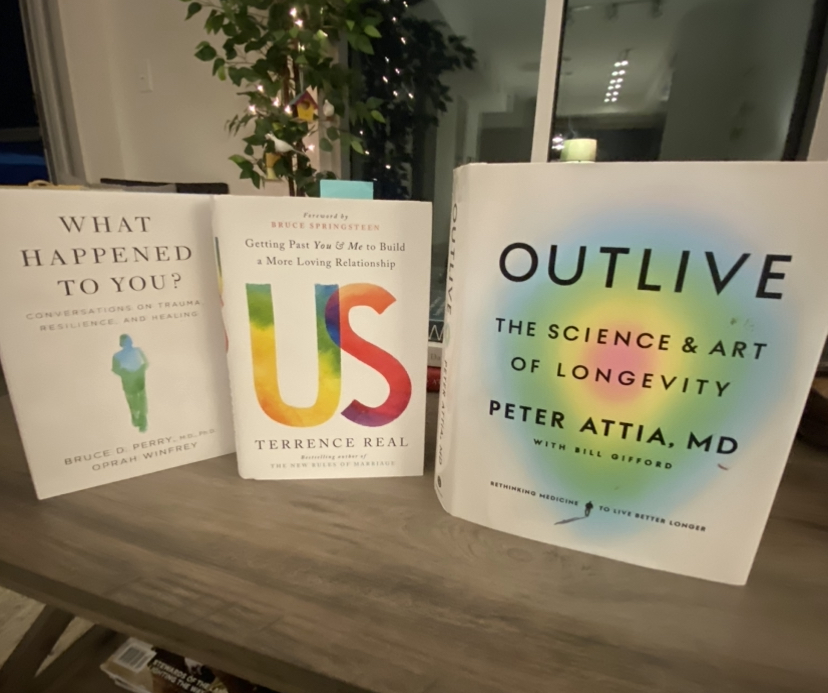
Dr. Bruce Perry and Oprah Winfrey co-authored their book What Happened to You; Conversations on Trauma, Resilience and Healing in April, 2021. This insightful book opened us to learning the backstory of people, of gaining context and deeper understanding about childhood experiences that left scar tissue on how we view and navigate life. Dr. Brackett’s work takes a microphone to this collective human issue — he is using his incredible platform to advocate for “permission to feel”.

Rather than judging kids or their emotions, he is urging us to recognize that our emotions are chock full of valuable information about what is occurring in a child’s life and how they are mapping it. Children are not able to use their executive brain function to do this work, which is why we adults need to be their training wheels. Their brains are developing — slowly — but life experiences and big adult emotions are coming at them hard and fast. We need to become emotion scientists, not emotional judges. We need to be their training wheels to learn about emotions and how to use them effectively.

Recently Marc launched the Permission to Feel online book club as yet another avenue to educate people globally about emotional integration and regulation. It is a grassroots effort to foster the needed conversation about our emotional health. It feels like a support group for emotional integration as people share their past experiences and offer how they are learning and applying the RULER approach to their own lives, to parenting and in their relationships.

Marc and his team also unveiled an engaging new app to help us expand our emotional awareness and vocabulary — How We Feel. This colorful app is free, easy to use and contains 144 emotions! It’s designed to help us “check in” periodically throughout our day to see how we are feeling and to offer helpful tips and tools if we need some emotional support. This app can help us spot some of our “go to” emotional reactions and patterns.

Dr. Marc Brackett’s personal life story is a trailhead. It led him to discover how childhood shapes us, the importance of teaching and role-modeling emotional intelligence and regulation, and the invaluable scaffolding we can provide to others when we become skillful emotional mentors.

Brene Brown gave us an atlas – the reference guide we sorely needed to begin our emotions excavation work. Dr. Richard Schwartz gave us a whole new way to view our childhood experiences and emotions, without judgement and shame; without feeling like we have to wrestle with our emotions and blame them for our woes. His more positive approach encourages us to look at our own trailheads, investigating the roles our parts have played in the past and letting go of what no longer serves us well. He invites us to step into our mature agency and chose emotional regulation to help us navigate our lives more skillfully and successfully.

Dr. Marc Brackett gives us “permission to feel” and encourages us to become emotional scientists with ourselves and others. Drop the judgment and lean into curiosity. When we get comfortable and more agile with this new approach to our emotional landscape, we can become trail guides for our children and others. We can become emotions mentors.

In the upcoming 3rd part of the blog post series on change-makers, you’ll be meeting Dr. Andrew Huberman, Dr. Paul Conti and our Surgeon General, Dr. Vivek Murthy. Many of us are learning about our emotional and mental health from podcasts these days. I’ll do my best to distill and curate some of the most salient content that is having big impacts in our overall wellbeing. Not suprisingly, the turning point is “prevention”. We are no longer going to wait to treat problems when they occur; we are pivoting to preventing them as much as possible.

Here are links to the websites for Internal Family Systems and the RULER Program:

The Natural Next Steps

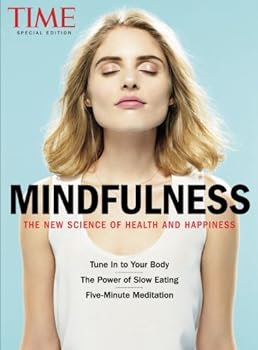
When I began my personal growth journey, the buzzword that was catching on was “mindfulness”. Time Magazine touted mindfulness as the new science of health and happiness in 2016. The message was clear — we are time travelers, often letting our minds wander to the past or future. We were being urged to find our balance and be more fully present in the moment.

It became very evident that in addition to time travel, our monkey minds were filled with an inordinate amount of chatter. So, meditation was introduced as the tool to help us stay more present in the moment. The internet was abuzz with “how to” practices and new meditation apps were hitting the market with a fury.

We were being reacquainted with something we take for granted — the power of our breath to regulate us. We were told to pay attention to our breathing and to use it as a grounding tool when we felt distracted or emotionally overwhelmed.

At the time, I recalled how I was taught the Lamaze method of breathing in my early twenties to help me through the labor and delivery process of my first baby. The seed had been planted that a few deep breaths could help keep me stay calm under pressure. Over the course of many decades and a lot of high stress parenting moments, I often told myself – and my kids – to take three calming breaths. I remember my dentist laughing when I shared with him that I used the Lamaze method more often in his office than when I was delivering my babies.

So, I had a lot of “buy-in” and actual experience when it came to the “breathing” component of meditation; but like most, I struggled with the traffic jam of racing, competing thoughts whenever I attempted to “meditate”. I could use my breath to slow my heart rate and calm my body. The next big step was learning how to manage the 60,000 thoughts create so much distraction every day.

That’s where mindfulness played a key role in what was touted in 2016 as the new science of health and happiness. Mindfulness was the buzzword and the trend that shifted our awareness. We began to cultivate greater “self” awareness.

Self-awareness helped us recognize when our minds had wandered off on a trip to the past or the future while we were playing a game with our kids, or enjoying a delicious meal with our family. Meditation practices helped us hone our focus and attention muscles. The goal was never to eradicate our 60,000 thoughts a day; it was to become more discerning about the ones we actively engaged with and to help us stay in the present moment with greater frequency.

The new science behind mindfulness was helping us to understand that time travel to the past often put us in negative ruminative loops and time travel to the future could make us worry and become anxious. We were missing out on gathering up and storing all the positives that were occurring in the present moment. The benefits of being present in the moment was being able to steep ourselves in moments of pure joy, delight and strong feelings of happiness. It was being more keenly attuned to gratitude – both giving and receiving it. It was also the recognition that this present moment may be the very one we had worked so hard to make come true. The science was telling us that our happiness is most salient when we live in the “now.”

Meditation was the term and the tool introduced to us to help us better understand all that our amazing brains are capable of doing when we choose to be consciously engaged in all its features. It became the gateway for learning about neuroplasticity and how neurons that fire together wire together; in other words, how we can create new neural networks throughout most of our lives. Our interest in meditation greased the wheels for us to take a deeper dive into learning how to care for our complex and incredible brains.

It was the Mindfulness trend in 2016 that put us on the path of greater access to the knowledge, tools and resources we have to do a much better job of caring for our brains and improving the quality of our lives as a direct result. Change-makers are coming onto the scene with relatable content, using layman’s terms and helpful metaphors to teach, getting us engaged and excited about all sorts of new approaches to parenting, relationships, education, counseling and therapy.

It is now the fall of 2023 – and the natural next giant step in the science of health and happiness has crystallized into mental health and emotional health. We now know, beyond the shadow of a doubt, that if we want to live longer, happier and healthier lives, we need to integrate emotions into our operating system and we need to take brain health and hygiene seriously.

Where we once believed that only those with very disregulated, dysfunctional families were predisposed to mental health issues, we now know better. We also know that being well resourced both physically and emotionally is how we build resilience, courage and flexibility for the inevitable challenges of life. Furthermore, we are just beginning to fully grasp the negative effects of disconnection and loneliness, especially in our teens and elders.

Let’s take a look at some of these change-makers:

Scroll through your favorite social media platform today for parenting tips and you will most likely discover Dr. Becky Kennedy, a children’s clinical psychologist who made a big pivot from old school parenting and psychology to a vastly improved integrated approach to help children struggling with their big emotions and problematic behaviors. She transformed her practice when she and her colleague launched “Good Inside” in 2020. If you are a parent, grandparent or child caregiver, you will find Dr. Becky’s teachings invaluable; and you will be leveling up your parenting skills in a whole new way.

On her website, Good Inside, Dr. Becky offers insights about herself and her professional practice. It is proof positive that all that we have been learning about childhood development, our brains and bodies, and our emotional health are shifting how we approach age-old problems.

Dr. Becky introduces herself as a clinical psychologist, mom of three and founder of Good Inside. When she first started her career, she practiced a popular “behavior-first” “reward-and-punishment model” of parent coaching. She shares that “after a while, something struck her — “those methods feel awful for kids and parents.” She got to work, taking everything she knew about attachment, mindfulness, emotional regulation and internal family systems theory– and translated those ideas into a new method for working with parents.

By focusing on the parent behind the parenting, and the child behind the behavior, we help families heal — bringing out the good inside everyone. ” (Excerpted from her Good Inside website)

What Dr. Becky came to realize as she transformed her methods and her professional practice is that we cannot teach what we do not know or skillfully use ourselves. Since none of us were taught about how the brain works or emotional integration and regulation, we were simply using the same parenting practices that keep perpetuating behavioral problems.

This is precisely why we reached a tipping point in our need to change our understanding and approach to mental and emotional health. Generation after generation had just continued down the same path, passing the baton of problems, dysfunction and disregulation to our children, until it reached a collective crisis level that could no longer be ignored. The children of each generation were surrounded by adults who did not know better. Parents, teachers, coaches, mentors, grandparents, siblings and friends — and even well intentioned counselors — were all coming at behavioral problems and addictions with the same outdated, unhealthy approach and model.

As the mental health industry began to recognize that many of the root causes of behavioral issues and addictions could be traced back to childhood, it became evident that the old parenting model and lack of emotional integration into developing brains and bodies were the core sources of our collective human problem.

We should be breathing a collective sigh of relief.

We can move forward from here with greater understanding and deeper empathy for ourselves, our parents and each other. No one is alone in doing the work that will help us live better, healthier and with greater inner resources.

Now you know why Dr. Becky’s following is growing exponentially. She has over 3.1 million followers and that number will surely swell with the recent release of her Ted Talk “The Single Most Important Parenting Strategy”. Today’s enlightened parents are clamoring for the improved skills and tools to raise their kids in emotionally healthy ways.

Dr. Becky is a change-maker for a growing parenting movement.

A few short years ago, I participated in a Relationship Summit with Terry Real, the highly regarded family therapist and author of I Don’t Want to Talk About It and his newest book, Us: Getting Past You and Me to Build A More Loving Relationship. During the Relationship Summit, Terry would often share real life examples from his couples counseling sessions. He made the keen observation that few spouses were willing to make any changes for their partners even when their marriages were on the brink of failure. However, when he asked a troubled partner about their relationship with own their children, everything shifted. As he helped his clients see their offsprings’s experiences through the lens of their own childhood, most parents were broken open. Spouses might not change for each other, but they can be deeply motivated to change for the sake of their children.

As Terry so wisely counsels — we need to care for our inner child and we need to reparent ourselves. This is part of that “healing process” that Dr. Becky promotes as well. It shifts us into raising our kids with the safety, security, acceptance, trust, guidance and respect we wished we had received. This is how we break disregulated generational cycles and shake off societal conditioning that negatively impacts our most cherished relationships. Many of us grew up believing that emotions were either good or bad; that anger was only ok for boys to show; that behavioral problems in a child should be punished. None of this is true.

Marriages are saved and strengthened when we no longer show up with all that childhood baggage and child-sized emotional behavioral patterns. Spouses who go for couples counseling often discover that the root cause of their marital issues came from their childhood experiences of marriage and family.

Here is where Dr. Becky’s work with children, and Terry Real’s work with couples really synch. Both are addressing childhood attachment styles, parental behavioral patterns, emotional triggers, poor coping skills and the long lasting impacts of internal family systems.

Couples who take this work to heart often find a lot of common ground in how they want to be parenting their children in a healthy and unified way. They can also find more common ground in their marriages and help each other in their own “reparenting process”. The places where we are most sensitive, needy and emotionally disregulated become opportunities for deeper connection and not the barriers to a healthy, happy and fulfilling marriage.

The truth is that we can do our inner work at the same time we are teaching it. It is a win-win situation since children give us such rich opportunities for real time, real life practice in dealing with a wide range of ever-changing emotions. Now that we know that our spoken and implied messages to our kids become their inner voice, we can be pre-load their inner voice to be an encouraging best friend, not a harsh judgmental critic. We can “re-parent” ourselves while we are teaching our children using this better parenting model. We can actually “feel” this loving, trusting reparenting occurring in our own bodies, when we are caring for our children as we had wished to be cared for when we were little.

In the recent Huberman Lab podcast series dedicated to mental health, Dr. Paul Conti, explained why we succumb so easily to auto-pilot for habitual, problematic behavioral patterns. When we were kids, we learned what patterns kept us safe and connected. We memorized these patterns for years. Anytime we feel those old familiar feelings, we replay the memorized pattern. It’s our “go to” move when we feel vulnerable. We unconsciously repeat our habitual patterns even though we now have agency to change them. This is the very reason that our emotional triggers from childhood can still have such strong impact even decades later.

With the new parenting model, and the science that helps us understand the “mechanics” of changing our brain’s memorized patterns, we will stop resisting the need to change our outgrown childhood behavioral patterns.

Terry Real is a dynamic change-maker, especially for older adults, who not only are saddled with outgrown childhood behavioral patterns, but are also constrained by old gender stereotypes and societal conditioning.

There are multiple “movements” that are gaining traction as a direct result of the newest science of health and happiness because of breakthroughs in mental health and emotional health. In upcoming posts, I will be shining a light on these movements and the dynamic change-makers who are making these movements dynamic, relatable and impactful.

In the meantime, click the links below and get to know Dr. Becky and Terry Real.

RECOMMENDED RESOURCES:

Dr. Becky Kennedy was featured in Time Magazine in 2021 at the Millennial Parenting Whisperer
https://time.com/6075434/dr-becky-millennial-parenting/

Check out Dr. Becky’s GOOD INSIDE website — and be sure to sign up for her newletter. https://www.goodinside.com

Follow Dr. Becky on your favorite social media platform, including Instagram and Threads. Her short reels offer a daily dose of parenting reality with humor, relatability and a nugget of helpful advice.

Click this link to watch Dr. Becky’s TED Talk on the single most important parenting strategy https://www.ted.com/talks/becky_kennedy_the_single_most_important_parenting_strategy

Terry Real is a family therapist and founder of Relational Life Therapy- a revolutionary new approach to couples and individual counseling. Old counseling models kept us stuck in looking only at surface problems and not the root cause of our disharmonies. Click this link to go to Terry’s website and discover the plethora of resources he offers to help you build deeper, more rewarding relationships. https://terryreal.com/relationship-online-courses/

“Nothing is more important in our lives than our relationships. A great relationship boosts your immune system, opens your heart and keeps you vital and creative.” –– Terry Real

Growing Forward

I found a fascinating article the other day that intrigued me so much I spent an entire day making lists and creating graphs, pie charts and collages. Are you wondering what captivated me? It was about the person we will all be in 5 years.

Consider this: The person we will become in 5 years has a lot to do with the decisions we are making as the person we are today (and tomorrow….and so on). What shapes us? The books we read, the foods we eat, the workouts we do, the friends we meet, the sacrifices we make, the habits we build.

Those prompts really got me to thinking about who I am today for those very reasons. I thought about family and friends, and how the last five years have shaped them as well. Even if we would have had a crystal ball then, I doubt very much that any of us could have guessed how much we’ve changed; much of it intentionally and some of it due to things not in our control.

What if we could plot all this change, so we would have a visual for who we were 5 years ago, who we are today, and to project who we might be 5 years into the future. Wouldn’t it be amazing to have a chart of our self discovery and personal growth trajectory? I’d call it the “Growing Forward” chart.

It makes sense to step back and take a look at who we were in 2018. Nothing like a rear view mirror to help us see just how far we’ve come.

What books have you read over these past five years? What genres or subjects were you drawn to and what knowledge did you gain? How did you apply it to your life? Reading books, both fiction and non-fiction, deepens our empathy for others and helps us see ourselves in other’s stories. What did you discover about yourself and others through the books you read.

Think about new friendships you have formed and what drew you to these new people. How have they shaped who you are today? Did they introduce you to a new hobby or interest? What have you learned as you listened to their life stories? What did you learn about yourself that was reflected back to you in their experiences? How do these friends make you feel?

Are those habits that were so hard to implement in the beginning now a part of your normal daily routine? How have those improved habits changed your life? What is working so much better now?Are you more conscious of the choices you make that might derail your goals?

Have you discovered any new interests, taken up a new hobby or resumed an old one with a renewed passion? Are you spending less time on social media and more time being present with family and friends? Have you shifted your perspective on self care and recognize that you need to take good care of yourself so that you can be your best for others?

Are you amazed to discover just how much you really have changed over the past 5 years? Since so much of our change happens incrementally and definitely not in a linear way, it is quite surprising to take stock of these transformations, especially in 5 year increments. That’s when the real changes we’ve made become so apparent. That is where we see our “growing forward” trajectory.

I decided to look back on my blog posts from 2018 as part of this reflective exercise and while the topics are still relevant, the research and resources that have advanced our understanding about them have exploded into mainstream conversations. Back then, we still thought of meditation and mindfulness as something done on a cushion. Today many of us are more familiar with how our brains actually work than we ever did before thanks to neuroscience — and the podcasters and authors who break it down into layman’s terms for us and weave its value into our daily lives.

In 2018, there was still a major stigma associated with mental health and no one was talking about emotional health. We may have known there was a growing mental health crisis underfoot but all the pieces of the complex puzzle were not yet coming together. Personal growth was gaining a little more traction and life coaches were in high demand.

We could feel a sense that we were searching for something, but there wasn’t a lot of clarity and we were swimming in a sea of so many tempting distractions. Social media and the news cycles were addictive.

No matter what we were all individually doing that was shaping who we would be in five years, none of us could have predicted the major impact of a global pandemic. This would create changes we did not anticipate and yes, it would also shape who we’d become. The pandemic disrupted our “normal”. We’d been operating in our “normal” for so long that we had become unaware of how we were just going along with the pace and societal influences.

Change happens when our normal routines are disrupted. It is a basic principle for helping us stick to new habits or goals. Disruptions are the catalyst for reflection and redirection. Suddenly, we were all sent home to “think about it”. A collective disruption and a serious re-thinking of what matters most.

It is not at all surprising that the pandemic expedited the integration of modern medicine, neuroscience, psychology, cognitive and emotional health. There was no denying just how interconnected they all were. We started to pay attention to compromised immune systems. We could no longer deny the impacts of high levels of anxiety and extended periods of uncertainty. As humans, we just aren’t built for these long durations of stress and volatility. We need to return to baseline to rebuild our tolerance and resilience. We need breaks, we need quality sleep, we need to feel safe.

As we were washing our groceries, we started to think more consciously about what we were eating. We were learning to bake sourdough and create home-cooked meals.

Isolation and loneliness were amplified which proved just how much we need human connection for our health and well-being. Families needed each other to help with childcare and schooling. Grandparents moved from retirement communities to live closer to their adult children and grandchildren. We began to see the reality that we had missed before. How important safe and healthy childcare is, what needs to change in how we educate our children, What we miss when we cannot be together – to celebrate, to grieve, to scaffold, to comfort, to encourage, to challenge.

The perfect storm became the impetus for breakthroughs.

Our learning curve trajectory was on a rapid ascent. It was integrating with medical and science advancements that would deliver many missing pieces to our human puzzle.

We may not have realized that as we were accepting changes that we had no control over, we were in turn making changes of our own – based on meeting our needs and what mattered most to us. We were micro-dosing change as we found new ways to support ourselves and our families through the pandemic. It was definitely not linear, and we back-tracked more than a few times, but our trajectory has become evident.

It takes a lot of commitment, practice, dedication and perseverance to become an overnight sensation.

We think that rock stars and celebrities, inventors and AI blow onto the scene and create seismic shifts in an instant. But this is not the case. And it certainly has not been the case for medicine and science when it comes to the recent explosion of knowledge, tools and teachers for emotional health. It just feels like an aha moment. It has been a long time coming — and it arrived when we were most ready to soak it up.

As I looked through the past five years of my blog posts, I re-discovered the moments where I was seeing the integration of so many modalities for personal growth and self discovery. As a neuroscience geek, I was so excited. I had long wondered if there wasn’t a better, more enticing way to draw people into doing their own inner work. Why did we have to hit rock bottom or have our world fall apart to begin engaging in self improvement?

To be candid, if not for the pandemic, I may have thought my own personal growth work was done. I had a solid “starter kit” of improved self awareness and better life skills. I was handling myself much better than ever before.

But the real test and the real growth happens when we take our individual work into our relationships. The pandemic delivered a plethora of opportunities to put the new skills and practices to the test. Suddenly, there were a lot more people coming onboard with a keen interest in emotional health and personal growth.

As parents realized how their own childhoods had impacted them in unhealthy ways, they embraced the new parenting models that integrated emotions into the developing brains of their children. Again, there were so many emotions welling up in all of us that it was crystal clear we needed better skills so as not to compound an already complex problem.

We had poked holes in our awareness, seeds had been planted, some had sprouted and there was a growing demand for education, support and counseling. A huge pivot had occurred – the veil around mental health was lifted. Seeking therapy and counseling became normalized, just like hiring a fitness trainer or life coach. The demand for counseling was so high that there simply were not enough professionals to meet it. Just a few years prior, BetterHelp online therapy was only promoted on personal growth and wellness platforms. Today, BetterHelp is a sponsor for business and news podcasts, influencers and fitness gurus.

When neuroscience handed us the missing piece of our human puzzle — emotional health — all the other pieces that had been discarded or misunderstood, fell into place. Are you aware that we had tunnel vision for a very long time – and believed that all our troubles were lodged in psychology? Breakthroughs in neuroscience changed everything – and now we are treating PTSD and childhood trauma in much more beneficial ways, with remarkable lasting results.

The pandemic’s one major positive contribution is the shift from “treating” problems to “preventing” them. After all that we have been through both individually and collectively in the past five years, many people are embracing the truth that we can take better care of ourselves and each other.

The conversations that we are having today and the growing trends in preventative practices to improve our quality of life and our healthy longevity came about because of change. Today we understand that we need to take care of our brains first and foremost. We having a better working knowledge of how our brains operate, what they are capable of and how we can maximize the full capacities.

We are no longer ignoring the warning signs, no longer numbing the pain or putting a bandaid on it, no longer believing that suffering is the way we get to the path of healing. We are enthusiastically proactive.

Here is what I find so exciting about what might transpire for all of us in the next 5 years. As we begin to take better care of our brains and bodies, we will in turn take better care of our children. Our children will grow up with healthy attitudes, resilience and an overflowing toolkit of life and relationship skills. We will be leading by example.

Did you know that when we are overstressed, we are full of cortisol that keeps us in a heightened state of fight, flight or freeze….and when we are with others, they can sense that (especially kids). We end up pushing people away because of all that negative energy.

But when we are calm, emotionally regulated and resilient, we are full of oxytocin (the feel good hormone) and yes, others can sense that too — and guess what — it is like a magnet drawing people to us because it feels good.

As we are making these discoveries for ourselves, we are integrating it into our lives. We start making better choices and in turn those healthier decisions shape who we are becoming. In 5 years, just imagine the books being written right now that we will read in the future. Just imagine the friends you will be making – the ones that make you feel good and inspire you to discover all kinds of new things. Just imagine how your body will feel with 5 years of really good sleep, consistent hydration, regular exercise, healthy eating habits.

If you believe that all these positive, proactive and preventative measures will have a profound impact on your “growing forward” trajectory, you are right.

Take some time to reflect on what you have learned about yourself over the past five years and want you want for yourself and your family in the next five years. There has never been a better time to tap into incredible resources, education and mentors to help you achieve your goals.

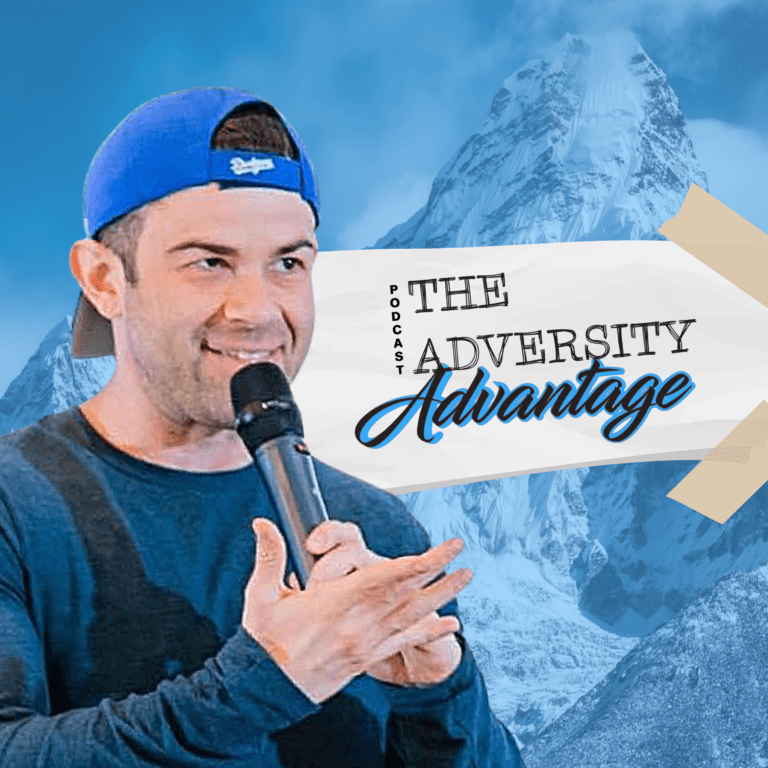
Ryan Dusick, founding drummer of Maroon 5, talks with Doug Boost about losing everything, finding recovery and rebuilding his life https://podcasts.apple.com/us/podcast/the-adversity-advantage-with-doug-bopst/id1496406333?i=1000624725432
Metabolism, Brain Energy & Mental Health with Dr. Chris Palmer. Discover how we are evolving in our treatments for mental health issues that can negatively impact our quality of life.
https://podcasts.apple.com/us/podcast/being-well-with-forrest-hanson-and-dr-rick-hanson/id1120885936?i=1000625115529
Dr. Martin Seligman is often referred to as the father of Positive Psychology. He wrote about post traumatic growth in his book Flourish in 2012.. Now 11 years later, he offers his insights with both psychology and neuroscience to help us prepare to live in a new normal of rapid change
Dr Peter Attia is leading the charge for a long overdue pivot in modern medicine. It is time to become proactive turning our attention to presentation rather than just treatment. Have a longer health span, and better quality of life. Emotional health is the cornerstone.

A Wholehearted Emotion Revolution

My last blog post was all about the importance of unpacking our family and emotional baggage — and the remarkable opportunity we have to involve four living generations in doing just that. This post is going to start by unpacking how we got here.

It is all about this moment in time where there is a growing, diverse community of people who are committed to personal growth and emotional health. Some are far along on their journey, others are just beginning and there are many smack dab in the middle. No matter where we are in our journey, we are all reaching both forward and backward – asking for more help and guidance AND offering encouragement and resources.

We did not get here by accident or all at once. We got here because of collective yearning and learning.

Over the past two decades social sciences handed off the baton to neuroscience to help us better understand what was really happening in our brains, in our nervous systems and neurobiology, and through epigenetics. Incredible discoveries were made that brought us tremendous breakthroughs in our understanding and treatment of trauma, cognitive and mental health disorders, the connection between stress and physical health and so much more. So many fields merged together to reverse engineer what we got wrong.

Ironically it was about this same time that Brene Brown started her deep diving research into shame and vulnerability. Imagine how serendipitous this was?

Of course, no one wanted to talk about shame and vulnerability – those subjects were taboo and cloaked in secrecy. That should have been our first clue she was really on to something. Brene told a hilarious story of how she could shut down a conversation with a seat mate on a plane in under 30 seconds by revealing she was a researcher – of shame and vulnerability.

Flash forward to today and those very topics open up a two hour stimulating conversation between three strangers on a plane, who share vulnerabilities as readily as Biscoff cookies, and become fast friends by the end of the flight, swapping contact information and favorite personal growth resources. (Read my recent blog post Leapfrog for that story)

That is just one shining example of how far we’ve come….and how long it has actually taken. Two decades, multidisciplines and a growing longing we were all feeling but couldn’t quite put our finger on.

Brene started her shame and vulnerability research in 2001, right before 9-11. As devastating as that massive tragedy was, there was an also a collective unity that emerged from it, at least for a while.

A decade later, in 2010, Dr. Bruce Perry published his book, Born for Love, where he warned us about our growing empathy poverty. He was shedding a light in the correlation between an infant’s environment in the first year of life and their ability to emotionally regulate in adulthood. He was sounding the alarm for where we were headed if we did not offer safety, comfort and stability for our children. If you were to go back and read that book today, you would be amazed at the amplified realities of his dire predictions for all of us, and especially for our youth. Back in 2010, we had no clue the negative impacts social media and our political polarization would be having on our mental health and empathy poverty.

Also in 2010, Brene Brown’s infamous Ted Talk on vulnerability went viral. It still stands as one of the most viewed Ted Talks in history. It turns out vulnerability wasn’t such a taboo subject after all. It just took Brene’s courage to put it all out there for us. We may not have recognized that this was a massive “me too” movement as well. It was evident that at a very grassroots level, we were longing for answers to questions no one was asking.

In August of 2010, Brene released her book “Gifts of Imperfection” and invited us to join that grassroots “wholehearted” revolution by finding the courage to tell our truth stories. Mostly she was encouraging us to stop saying (and believing) we were OK when in fact, we were not. She grounded her research in the truth that we were born worthy of love, connection and belonging.

The very same message that Dr. Bruce Perry was also telling us.

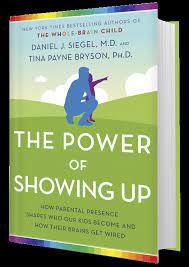
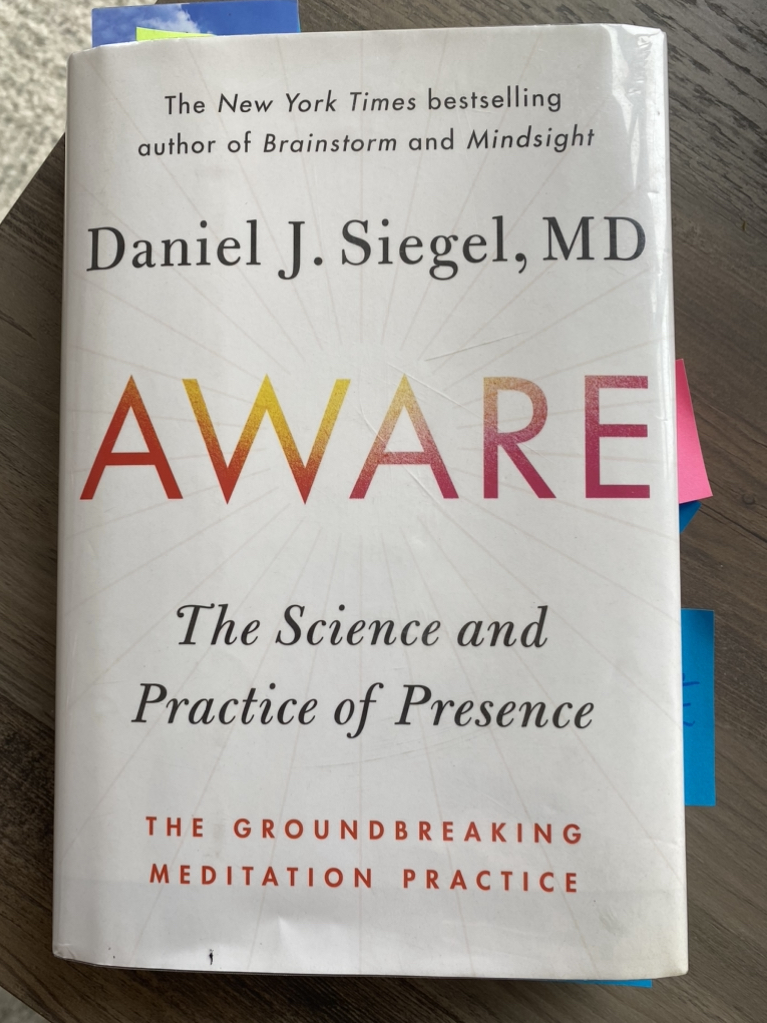
Over the coming years, Brene would publish more books including Rising Strong, Braving the Wilderness, Dare to Lead, and Atlas of the Heart. Dr. Bruce Perry co-authored What Happened to You? with Oprah Winfrey. Dr. Dan Siegel published Whole Brain Child, No Drama Discipline, Brainstorm: The Power and Purpose of the Teenage Brain and the Power of Showing Up(with Tina Payne Bryson and most recently he released Interconnected. Dr. Mark Brackett published Permission to Feel: Unlocking the Power of Emotions to Help Our kids, Ourselves and Our Society Thrive.

Rick Rubin, the renowned music producer and author of The Creative Act: A Way of Being, has a compelling way to make us stand up and take notice of what was happening in this grassroots wholehearted revolution. When an idea’s time has come, it will find a way to make itself known.

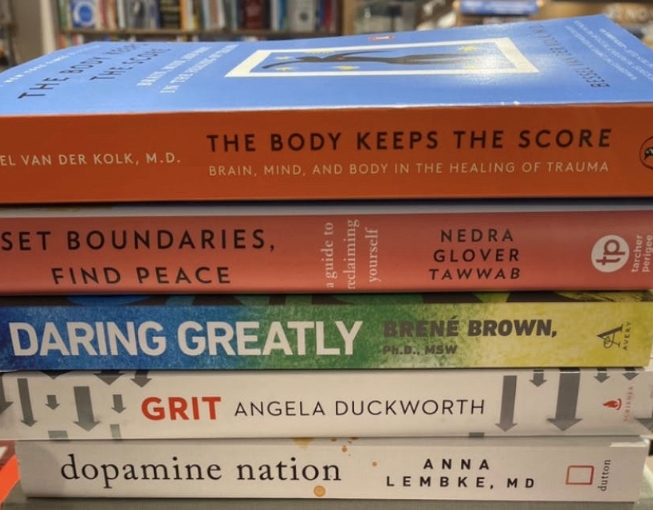
The seeds of this wholehearted, emotion revolution were scattered far and wide. They began to take hold not only in the research but within us. The self-help section of our favorite bookstores began to swell – from psychology and neuroscience, to the enneagram, to Untamed by Glennon Doyle and Clarity & Connection by yung pueblo (just to name a few).

Brene’s Netflix documentary, Call to Courage was released in April, 2019, where she invited us to choose courage over comfort in a present day culture that had us divided and disconnected. We should have buckled our seatbelts.

Less than a year later, just as Brene launched her two dynamic podcasts, Dare to Lead and Unlocking Us, the global pandemic was unfolding — and isolating us even more. Perhaps we were listening more intentionally to Brene’s guests and the deeper conversations because they were resonating on many levels.

What we had all been feeling individually for decades, was now also being felt collectively. It was becoming crystal clear that we are not only hard-wired for connection, we are inextricably inter-connected through school, the workplace, grocery store, supply chains etc.

Suddenly the topic of our emotional health was popping up everywhere. What once had only been discussed in the self-help and psychological arenas, was being mainstreamed into business podcasts, education, physical and cognitive medical fields. A magnifying glass was handed to us to see the impacts of emotional health on our children and teenagers; on all of us. Brene Brown confided in her sister series of her podcast that the pandemic puts strains on marriages and parenting we’d never experienced before. We were never meant to withstand long stretches of uncertainty without revealing our vulnerability and need for connection.

The wholehearted revolution that was afoot back win 2010, had been growing slowly. All revolutions take time to build momentum. Surely the global pandemic accelerated the swiftness of of this “wholehearted, emotion revolution.”

Dr. Mark Brackett, author of Permission to Feel, was one of Brene’s podcast guests and he shared so honestly what many already knew to be true: “The mental well being of our children and adults is shockingly poor. We have a crisis on our hands and its victims are our children.”

The warnings that Dr. Bruce Perry had offered in his 2010 book, Born for Love, stressed the importance of our community and relational scaffolding for our children. This wisdom could no longer be lost on us.

There has been a giant step forward and a big pivot in the right direction as we step back out into our new normal and begin reinventing ourselves from the inside out. The books and podcasts that are emerging now are speaking directly to the corrective actions we must take.

We must integrate our emotions in our brains and our experiences. We must unpack family and emotional baggage to stop the trauma cycles and give us space for better quality lives and health. We need to scaffold each other, especially our children, and cultivate growth mindsets. We need to shed the armor that we believed protected our vulnerability and discard outgrown behavioral patterns. We can build life skills, resource ourselves better, and rediscover our empathy and common humanity.

Brene Brown published Atlas of the Heart which helps us expand our understanding of 87 emotions and experiences. It is a family reference guide that supports us in helping our children and partners integrate their emotions.

Kristin Neff released Fierce Self Compassion (How Women can Harness Kindness to Speak Up, Claim Their Power and Thrive) which encourages us to treat ourselves as kindly and compassionately as we would a dear friend; and to break free from limiting gender stereotypes that has us all suppressing our emotions in harmful ways.

Dr. Gabor Mate published his phenomenal book, The Myth of Normal: Trauma, Illness and Healing in a Toxic Culture (a groundbreaking investigation into the causes of illness and a pathway to healing and better emotional health). His insights into how generational trauma get passed down through our family systems point directly to the need for us to unpack family and emotional baggage.

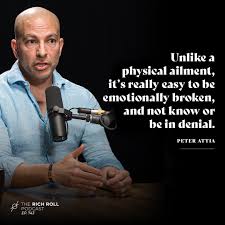
Dr. Peter Attia very recently released his incredible book Outlive, where he drives home the point that our emotional health is the most integral component of our lives. We can be physically health and emotionally unhealthy and we will be miserable. And in turn, we will make our families miserable. He unpacks the reasons why we’ve long heard the phrase “hurting people hurt people.”

Dacher Keltner, a renowned expert in emotional science, just released his book, Awe: the New Science of Everyday Wonder and How It Can Transform Your Life. It is the final chapter of his book, aptly entitled Epiphany, that really brings home the lessons that we have been learning over these past two decades. Dacher Keltner reflects on the work of Charles Darwin whose thinking about the evolutionary science of emotion was shaped as he cared for his 10-year old daughter Annie until her death. Dacher offers that we mimic nature as we move through our evolution (and emotional revolution); there is a decaying (shedding the old that no longer serves us), a composting (extracting the lessons and nutrients we need) and then a regrowth (which is where we are now).

We now possess better insights, research, tools and collective commitment than we have ever had before in this emotion revolution. Young people are hungry for mentors and author Arthur Brooks encourages the older generation to rediscover their purpose by stepping into that role. It is an exciting time to be alive — and be an active participant in such a healthy change.

RECOMMENDED RESOURCES:

The Baggage We Should Be Unpacking

It’s no surprise that we all have family and emotional baggage that has never been unpacked – mostly because it feels like opening Pandora’s box. Who would ever want to do that?

What if we were to reframe it as exploring a treasure chest instead? The clues to unanswered questions; the keys to unlock some of our hidden assets; a mystery solved; a weathered, yellowing journal of unknown and revelational history.

We are fearful of what we might discover in our family and emotional baggage. Many of us don’t care to relive the painful memories we stashed in there decades ago. But we are not the same as we were then – we are older, have had more life experiences under our belt and have more nuanced perspectives. Maybe we can unpack the baggage and clear up much needed space for a lighter way of being.

We are not alone when it comes to complex family histories and generational patterns. We are all in the midst of a big unraveling of old societal conditioning, gender stereotyping and poor parenting models. As Maya Angelou espouses “when you know better, you do better.” Thanks to the major breakthroughs in neuroscience, psychology and emotional science, we now have much better resources and tools available to us for personal growth, self-awareness, relationships and parenting.

In fact, it is these very breakthroughs that provide an entirely different framework for hard conversations and more productive dialogue about the elephant in the room –debilitating family dynamics.

If we wait until parents or grandparents pass away, we miss asking the questions we would like answered. Have you ever sifted through cardboard boxes of old photos and had no idea who the relatives were or the stories that went with each photographic memory? It is just like that with family baggage. So many secrets boxed up and sealed tight. If family members are courageous enough to enter into these challenging conversations with honesty and a desire to learn, it will jettison that cumbersome family baggage.

Just look around at all the complex family dynamics the next time you attend a graduation, wedding, family reunion or holiday gathering. You can readily spot familiar family patterns, passed down from one generation to the next, taking its toll on our younger generations; families dealing with the same adversities, just a different cast of characters.

The baggage may be invisible, but its impacts are as apparent as blue eyes, tall stature, the shape of a mouth or nose and even personality traits.

No generation is immune from common life events including genetic health issues, divorce, co-parenting, behavioral issues, co-dependency, estrangements, blended families, addiction, mental health issues and trauma. Hard things happen in life. We can, and must, stop making them harder than they need to be.

Today, we have the rare opportunity to involve four living generations — grandparents, parents, siblings and grandchildren — to do the work necessary to break generational trauma and address dysfunctional behavioral patterns. It may be the first time ever that we also have evidence and impetus to come together to do this multi-generational unpacking of emotional and behavioral baggage.

A good starting point would be to collectively acknowledge that the old ways of parenting and dealing with emotions are primary root causes of ongoing family dysfunction and our growing emotional health crisis. We got it wrong and now we need to be actively involved in turning the tide on that old paradigm. Just acknowledging this truth can lift the fog of shame, guilt and blame. These conversations are long overdue and we don’t want our grandchildren being burdened by the weight of unhealthy, unproductive family secrets. We can stop spreading harmful patterns and limiting beliefs from one generation to the next.

When we can overlay the new template for parenting and emotional health onto our past experiences, we gain clarity where once there was only murky confusion. There are a lot of stories embedded in our family history that are horribly inaccurate. Imagine discovering this and realizing that we’d been making incorrect assumptions and judging others when we really could have been showing up and offering each other support and emotional scaffolding.

Yes we are afraid to have those hard conversations, mostly because we are feeling very strong negative emotions arise in us each time we even think about it. It would be analogous to refusing to go to the doctor for a suspicious lump. We can no longer afford to let our fear and anxiety prevent us from learning and discovery.

The biggest challenge in having these hard conversations and unpacking family baggage together is the massive entanglement of old, unprocessed emotions, traumas and false narratives about each other. The only way we can do this work is to become very skillful in interpersonal and emotional skills.

If we are going to do a deep dive into the dark, deep waters of our generational family history, we want a seasoned, skillful dive master and tools to help us see clearly, cut those falsehoods that keep us tethered, and avoid getting re-snagged on past trauma. Emotional triggers, limiting beliefs, fixed mindsets and jagged remains of adversities are hard to navigate without compassion, empathy and powerful listening skills.

For the record, we may have attempted to do this in the past, but all we really had to guide us was “hindsight”. While hindsight can shine a light on our regrets and help us own the consequences and outcomes of our choices, it often leaves us at a dead end. Problem identified, but no meaningful path to healing and prevention.

In 2009, Dr. Dan Siegel introduced a new concept for personal growth and self-awareness. He was planting the seed of what would become “other awareness”. But there was no way for us to get to “other awarenesss” without knowing ourselves deeply. Dr. Siegel called his revolutionary personal transformation concept “mindsight”. Mindsight picks up where hindsight stopped. No more dead ends.

Dr. Siegel framed “mindsight” this way: It is a powerful lens through which we can understand our inner emotional lives with more clarity, integrate our brain and our emotions, and enhance our relationships with others.

Mindsight is how we put our own oxygen mask on first. There is no way that we can be of meaningful value in helping others on their emotional health journey if we ourselves haven’t done our own work. Full stop.

In my previous blog post, “Learning What We Need to Teach”, I shared the steps and the benefits of Dr. Siegel’s concept of mindsight and whole brain parenting. Doing the hard work and committing to a lifetime of personal growth is not for the faint of heart. But as we often say with physical fitness, “no pain, no gain”.

Dr. Siegel encourages us to use this “mindsight” lens to go back and look at our own childhood to discover how our experiences and our caregivers shaped us. Imagine being able to do this – AND have conversations with siblings, parents and grandparents about those experiences that would provide context and nuance, not to mention long overdue accountability and the possibility of repair.

Do you know what your emotional triggers are? Are you aware of the limiting beliefs that were baked into your inner critic when you were a child? Are you still having meltdowns like a two year old when big emotions consume you? Do you expect more emotional regulation and better coping skills from your partner, kids or friends than you can muster in stressful situations?

These are the warning signs of compromised emotional health. If we do not attend to our emotional health, two things will happen — (1) our physical health and quality of life will also be compromised and may even go into serious decline; (2) we will pass down to our children similar unhealthy emotional patterns. Ignoring our emotional health has perpetuated the multigenerational family dysfunction since the dawn of time.

When Dr. Dan Siegel introduced mindsight in 2009, he was an advance scout for what has now broken wide open into the mainstream of our lives. Over the past two decades, multi disciplines have merged and reverse engineered what we need to do in order to address our growing mental health crises.

We need to undo and unlearn all the things we got wrong about parenting, about emotions and about relationships.

It has taken several decades, a ton of research, and more family heartaches and brokenness than we can imagine to bring us to this moment in our collective evolution. We are now able to visibly see and feel why we need to commit to this work when we look at our children and grandchildren. Not only do they deserve better, we are motivated by our hearts to take this work seriously.

In the past, each generation entered adulthood and parenthood with a strong desire to do better than the prior generation. Good intentions, but faulty information and poor diagnostic tools. We labeled kids, rather than naming emotions. We unplugged their first love language (emotions) as soon as they learned to talk and express themselves. We had blindspots and blurred life maps. We unconsciously repeated the same old patterns and reactions from which we recoiled or hid from as kids. We numbed our pain rather than extracting it and healing.

The reverse engineering that neuroscience, psychology, epigenetics, neurobiology, emotional science and social sciences have done is now extending a call to action that cannot be ignored. This call to action is meant for all of us — all 4 generations to become involved. We need to do some serious excavation work on generational baggage.

We each need to make our own emotional health a priority. We need to plug it back into the core foundation of a meaningful, satisfying and rewarding life. We need to upgrade our default systems that were never integrated in childhood. Plug those emotions into our operating systems and get more skillful at regulating them, learning from them and growing because of them. We need to unpack emotional and family baggage that is putting more obstacles in our way than we realize.

We do not have to wait until we are at the master class level to dive into teaching our kids and helping our partners. We can learn together. In fact, our children and grandchildren are the best teachers in the world. If we can step back and ask ourselves, “what did I need when I was their age?” we will instinctively know how to meet the moment. Instead of asking “what’s the matter?” we can pivot and learn by asking them “What matters most?”

This blog post is the first of a new series I’ll be sharing about the life-changing benefits of personal growth and self-awareness not only for our own quality of life, but for all of our relationships. Let’s explore how we got here, what is fresh and new for our emotional health, what we are discovering about the connection between fixed mindsets and limiting beliefs, better ways to help kids through divorce and blended families how we can improve the education system from preschool to college and so much more.

There is an “emotion revolution” rising from the ashes of old parenting models, lack of emotional regulation into our human operating system, and the hard lessons learned through a global pandemic. Are you in?

RECOMMENDED RESOURCES:

DR. PETER ATTIA is the renowned resource on Longevity — and now he is the front-running force for this emotion revolution. Watch his relatable reels on Instagram, listen to his interviews on YouTube for his book launch. Read his book, Outlive to learn why our emotional health is the most integral component for our quality of life. Listen to his podcast, the Drive.

Gummies of Wisdom – Playing LeapFrog

It is truly remarkable how much we can learn about others and ourselves through storytelling. When we share our life stories with each other, we often find unexpected common threads — and we make discoveries that support our own learning and growth.

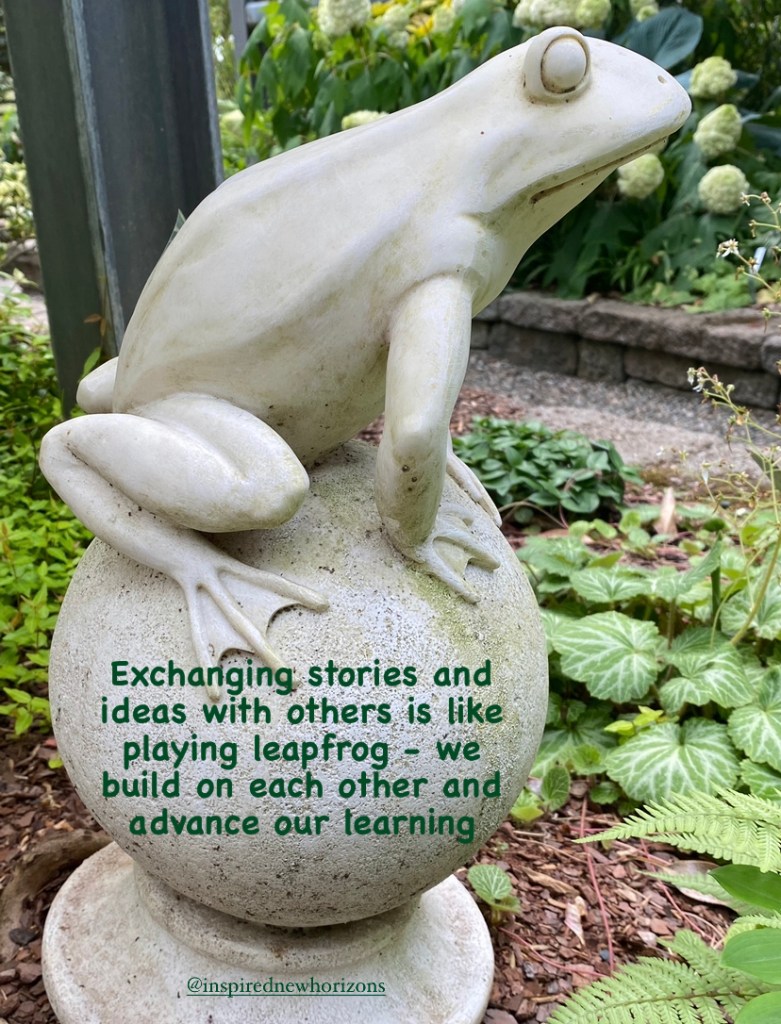
This is like playing leapfrog — where some part of our story or experience connects with someone else’s and our shared understanding gets ignited and amplified in the most enlightening ways.

We can each unpack the details of our experiences, the lessons learned, resources we found helpful, what our biggest challenges were and how we faced them.

Storytelling can turn strangers into friends in just one conversation or deepen a decades old relationship with revelational new insights. We come to understand that common, similar life events unfold for each of us and yet it is our personal experiences, resources, and interpretations that create the textured, contextualized unique stories of our lives.

The script doesn’t really change that much. What changes are our stories.

I recently sat with two strangers on a flight from Houston to Phoenix; an energetic, engaging young man probably in his late 30’s who is a husband, a father and an entrepreneur; and a soulful, inspiring woman in her 50’s who is an integral part of PacificHelps.org (a non profit organization founded by her husband to provide education and renewable energy to the Pacific Islands) Over the course of that flight, we talked and listened to each other’s stories with a sense of wonder and awe. So many similarities in our stories yet the backdrop, the cast of characters and the obstacles were vividly different. We connected through a working knowledge of the basic life plot — growing up, finding jobs, getting married, having children, marriage difficulties, divorce, remarriage, life threatening illnesses and financial challenges. So much common ground. We laughed, we empathized, we marveled. The human spirit really is undaunting.

The script and the plot doesn’t change much. But each of our stories were uniquely different at the same time. I viewed our stories through the lens of a 71 year old, excited for what the future holds for both of them because of what they have learned from their personal experiences and how they are proactively embracing their continual self discovery and personal growth.

In that young man, I can see my own grown children who are now in the throes of parenthood but so much better prepared and skillful than all the generations before them. At 71, I can look both ways now — I can look back at what we got wrong in old parenting models and I can also look forward to what is possible with vastly improved parenting and emotional skills.

The conversations and insights that the three of us shared about parenting and emotions would have never happened when I was in my late 30’s or early 40’s.

The ease with which we shared things about our own childhoods that shaped us and then later dropped us into our own self-discovery journey was nothing short of incredible. My generation stuffed our skeletons into closets. Today’s younger generation of enlightened parents are doing their personal growth work early to break generational chains of dysfunction and hand-me-down behavioral patterns.

We’ve come a long way since Dr. Spock. These parents are leaning on Brene Brown, neuroscience, whole brain parenting, the enneagram, Drs. Dan Siegel, Andrew Huberman and Peter Attia. Yes, I was in seventh heaven – both my seat mates were quite familiar with the same resources that I have discovered in the last decade. They are proactively putting into practice what they are learning — for themselves and for their children.

Moreover, they are incorporating greater relationship skills into their marriages, parenting and co-parenting. There has been a huge paradigm shift from unhealthy, contentious fallouts from divorce that often caused a lot of trauma for children, to an intentional focus on providing children of divorce the relational scaffolding they need and deserve. Joint custody is being anchored in healthy, respectful, cooperative co-parenting.

A few years ago, I had started to connect the dots about the intersecting of so many of my favorite resources for personal growth and self discovery — I blogged about it. Researchers, authors and podcasters began to reference each other in their books, and invited each other as guests on their podcasts. I noticed that the topics of the human need for connection, emotional regulation, parenting and relationship skills were being discussed even on tech, business and news platforms. I could feel that the very subjects I was passionate about were becoming mainstreamed.

And now, here I was, on a plane with two strangers and we were talking, laughing, sharing about all of it as easily as we once might have discussed the latest movie or hottest trend. It was one of those compelling “aha” moments that Dacher Keltner describes in his newest book, Awe. I got goosebumps – often. There were just so many similarities in parts of vastly different stories.

Do you know how it feels when you have a really great customer service experience? When you feel like someone has paid attention, gone the extra mile, and earnestly appreciated your business? Well that is exactly what this conversation felt like to me — it was a standout. The positive impact that personal growth work has on our ability to make meaningful connections was not lost on me.

I thought a lot about LeapFrog when I got off that plane. That remarkable two hour conversation had made lasting impressions on each of us. We each left with new resources to check out and inspiring stories to reflect on.

What struck me most was how much space we had created to really hear and engage with others by learning from our experiences. We were not so mired in our problems (and phones) that we missed this golden opportunity. Rich conversations like this are some of the best educational experiences we can get. We gain new perspectives and insights, are reinforced and encouraged about the path we are on, and we build good connections on common ground.

RECOMMENDED RESOURCES:

Who Really Pulls the Emotional Trigger?

I’m guessing that you know exactly how it feels when you’re emotionally triggered by something — it seemingly comes out of nowhere, sparks intense negative feelings and abruptly makes you defensive.

We get flooded with adrenaline and cortisol when we are triggered which only amplifies what we are feeling. The conundrum with emotional triggers is that they pull us back into the past while we are also experiencing the very present moment. It’s no wonder we are completely off-kilter when we are emotionally triggered.

It’s human nature to blame someone else for pulling our emotional trigger but the truth of the matter is that our emotional triggers are internal; they are ours alone. No one else is pulling that trigger. Most of the time, no one else even knows that we have a strong emotional trigger that has just been engaged. What they do imagine is that we are over-reacting, have lost control or lost our minds.

Many of our emotional triggers are rooted in our childhood, when we had very little agency. Unbeknownst to us, those strong negative emotions that we felt as kids (but were not acknowledged by our parents and caregivers) got lodged into our brains and imprinted with readily accessible information. So when we “feel” a similar experience even as an adult, our brain pulls out that file and reminds us we aren’t feeling safe. An emotional trigger is a red alert warning.

Give some thought to experiences that cause you to become emotionally triggered. What are you really feeling when a strong, uncomfortable, emotional reaction grabs you? Are you feeling misunderstood, abandoned, unwanted, unloveable, or treated unfairly?

These are all very common feelings for young children, especially if we were punished or banished for expressing them. Those experiences got bookmarked in our brains and we developed a sensitivity to be on the lookout for repeated events like this in the future. We were our most vulnerable when we imprinted these experiences. So it stands to reason, that we will become emotionally triggered when we are feeling vulnerable, insecure or irrelevant as adults.

An emotional trigger is defined as having a strong, uncomfortable reaction to a stimulus that wouldn’t ordinarily cause that response. With this framework, it is easy to see that when we are feeling emotionally balanced, a snarky comment or a misunderstanding doesn’t cause us a problem. We aren’t triggered because we have our emotional act together; we can remain flexible and resilient.

Now give some thought to past adult experiences where you were emotionally triggered — and see if you can recognize that you were feeling pretty vulnerable in those moments. Were you overly tired, consumed by anxiety or overwhelm; were you feeling invisible, under-appreciated? We are most prone to getting triggered when our emotional reserves are low. It’s really no different than our being more susceptible to catching a cold when we are physically run down.

The best defense is a good offense. This is a very good strategy to employ for both handling and overcoming emotional triggers. In his book, Permission to Feel, Dr. Mark Brackett explains that when it comes to being triggered by our emotions, we have to “take responsibility for our actions rather than shift the blame elsewhere. ”

“It may not feel like a choice, but it surely is — we decide how we will respond to life’s provocations. Don’t want to explode in rage when your child is disrespectful? Come up with a better way to respond. Clearly the old way, matching nastiness for nastiness, doesn’t work.” –Dr. Mark Brackett, author of Permission to Feel

We don’t judge ourselves when we are physically run down and know we might be more likely to catch a cold. We make a mental note to get more sleep, stay hydrated and wash our hands more often. The best defense is a good offense.

We can take this same approach when we are emotionally depleted. We can make a mental note that we will be more susceptible to knee jerk reactions than skillful responses. We might even make an announcement to our family members that we just don’t have the emotional bandwidth to deal with unnecessary drama. Again, the best defense is a good offense.

We should be normalizing the fact that regardless of our age, we are all humans with similar emotional needs and changing emotional capacities. This is really invaluable to be teaching our children. Dr. Brackett shares that when we try to shield our children from this reality, it has an unintended result. Children will have a hard time acknowledging adults’ feelings, let alone respecting them.

Emotional triggers are an integral part of our self discovery process. They help us identify what is most important to us and what our current needs are. Once identified, we can free ourselves from the “strong, uncomfortable emotional reaction” to something that really shouldn’t set us off. Instead, we can be more skillful with our emotional regulation and more clear about our needs.

If we are on overload because we have been caregiving on steroids all day, one unintended disrespectful remark from a friend or family member is likely to cause us a twitching trigger finger. Dr. Brackett reminds us that we can take preventive measures for moments like this.

When we offer ourselves some self-compassion, we are acknowledging that we are on overload and are susceptible to losing our cool. We can remind ourselves that if we weren’t so physically and emotionally drained, we would not overreact to an insensitive comment. If we weren’t so worried out, we might even have the dexterity to banter about it.

Does the comment hurt? Of course it does. Let’s not dismiss that either.

But here’s the pivot. An emotional trigger never really addresses our true needs. It gets in the way of expressing ourselves in a way that can be heard and taken to heart. Others just react to our “overreaction” and our basic need is lost in the smokescreen. It’s hard to hear a whispered “I could use a little help here” when there’s a lot of yelling or threatening going on.

Have you ever noticed that emotional triggers can also set off a chain reaction? It is not unusual to hear phrases like “you never listen” or “you always do this”. A lot of baggage is often attached to our emotional triggers, so it’s easy to tap into all those previous experiences and dredge up old grievances. Whatever small incident has set off the emotional trigger now cascades into something much bigger.

Instead of being able to focus and attend to one small and manageable issue, we are now knee deep in triage for a major emotional pileup. It’s hard to assess which issue was the catalyst and which one requires immediate attention. All too often, the one small incident that set off an emotional trigger gets lost and never addressed. But it does get baked into that old imprint of the childhood emotional trigger; logged as yet another example in the bulging file.

In a recent blog post entitled Learning What We Need to Teach, I shared how important it is for us parents and grandparents to be the emotional “training wheels” for our children. The best preventative measures for our children is to integrate their emotions into their experiences; to help them name and process them as they are unfolding. The more we are able to do this in real time with our children, the less likely it is that they will enter adulthood with a lot of challenging emotional triggers of their own.

By now, you probably don’t really need a bigger impetus to get serious about attending to your own emotional triggers, but there is something important that you should bear in mind. Our children’s developing brains take a long time to fully develop and integrate. We protect those little noggins with helmets, but we often overlook the impact our emotional reactions are having. Dr. Mark Brackett writes extensively about this in his book Permission to Feel. In the chapter entitled “Emotions at Home” he devotes a lot of time to emotional triggers; and especially how parents get triggered by their kids’ reactions and behaviors.

He reminds us that when we get “triggered” by our kids, our compassion switch gets turned off. We’ve all experienced this – and we’ve often quickly regretted how we did not show up so great in those moments. We can take comfort in Dr. Dan Siegel’s teachings that “rupture and repair” is normal in human relationships and can actually strengthen our bonds with our children, as long as we apologize quickly and sincerely; with a promise to do better in the future.

Which is why Dr. Mark Brackett urges us to get serious about attending to our emotional triggers before they become a chronic reality. Extreme emotional reactions, over the course of time, can actually alter the brain structure of our children. The effects of frequent extreme emotional reactions can cause our children to have emotional regulation issues of their own and a lot of complexities in their adult relationships and quality of life.

A child’s brain is still plastic, meaning that the structure is always changing. The minute parents start regulating their emotions better, their children’s brains will change to reflect that. If parents start regulating their emotions now, and help their children to regulate theirs, then there’s hope.” — Dr. Mark Brackett, Author of Permission to Feel.

Emotional triggers are a by-product of the old parenting models that did not integrate our emotions into our developing brains when we were kids. When we do our own self-discovery work and identify why and how we get triggered, we are detangling ourselves from the past and owning our agency as adults. We accept that we have choices in how we respond to the things in life that provoke us.

The stuff that initially provokes us is usually pretty minor in the bigger scheme of things. But we can make a mountain out of a molehill with our over-sized reactions. We can meet these moments with greater emotional regulation and dexterity. It will be so much healthier for all our brains — and so much more beneficial for our families.

RECOMMENDED RESOURCES:

Better Out Than In

We have often heard the lament “hurting people hurt people”. That simple phrase resonates for many of us who have experienced being hurt deeply by the people we were trying to love; or whom we believed should unconditionally love us.

Where we become stymied is that we are not sure who to attend to — the hurting people or the hurt people. As a result, we haven’t effectively helped either. The problem just keeps perpetuating.

A few months ago, I wrote a Daily Gummy of Wisdom putting a twist on that old lament. It was “healing people heal people.” This insight came from personal experience as well as from stories I heard shared in my book club, with family and friends and most recently from strangers in a poetry writing class I am taking.

I do marvel at the healing that begins to take place when just one person makes space to listen to another’s story without judgement and most especially when they listen carefully enough to discover a knowing connection. This is precisely why support groups can have such a profound helping impact. There is a foundational promise that we can speak without interruption, that we can pour it all out — and that others will listen with all their human instincts. Everyone that is under that tent has had a similar life event that brought them in. The event is the catalyst for connection; for it is connection that heals.

Our stories and our hurts are better out than in.

I offered the metaphor of a splinter in my last post entitled Feeling Our Way Forward. If we ignore a splinter embedded in our skin, it never stops hurting. It can even fester and get infected as our body wants to eject this foreign object. We can go about our normal days, but every time we bump it, it is painful and serves as a reminder that we need to attend to it. It is the anticipatory pain of extraction that becomes an obstacle; and for some outrageous reason we think it will magically go away if we ignore it. We will not have to experience that brief extraction pain. But day in and day out, we come to discover that this is not true. And if someone else bumps our tender, painful finger, we blame them for their carelessness. That embedded splinter is also taking away our joy — even our ability to feel the softness of a consoling pet.

Eventually we face the truth — that splinter is indeed better out than in. Yes, the extraction does hurt. We may even feel some residual discomfort as though it is still embedded in our skin, but the healing is already starting. Our body is busy attending to the healing process and relieved that it is no longer doing a daily triage on something we refused to address.

A piercing splinter is an apt metaphor for our emotional wounds. Our emotions are better out than in.

In his book, Permission to Feel, emotional scientist Marc Brackett, makes this incredibly clear:

“The irony, though, is that when we ignore our feelings, or suppress them, they only become stronger. The really powerful emotions build up inside us, like a dark force that inevitably poisons everything we do, whether we like it or not. Hurt feelings don’t vanish on their own. They don’t heal themselves. If we don’t express our emotions, they pile up like a debt that will eventually come due.” – excepted from Permission to Feel, pg.13, Author – Marc Brackett, Ph.D.

Every single book I have read in recent months about emotional health, parenting, longevity and health span cites this one compelling factor: We got emotions all wrong and we only started to understand this in the 1980’s.

Just think about that — up until a few decades ago, we just kept ignoring and dismissing emotions all together. And even now, with more research, we are too slow to respond and integrate.

So let’s circle back to the lament that “hurting people hurt people” and take action to attend to both the hurting and the hurt. The escalating emotional and mental health crisis is proof positive that we can no longer ignore our emotional splinters. Everyone deserves to be attended with compassion, non-judgment and assistance to pull the hurting out.

We cannot address what we do not not know, yet there is growing evidence that not integrating our emotions was a huge mistake — a catacylsmic snowball rolling down debris-covered hill.

Remember when you were a kid and there was just a small dusting of snow on the ground, but you just had to make a snowman. You’d start with a tiny snowball and begin rolling it around the yard. As the fresh snow clung to that baseball sized snowball, it grew in size. It left behind a little swath cleared of snow, revealing green grass, brown decaying leaves and broken twigs. And that growing snowball — well it was mostly snow but it also had a lot of those decaying leaves and broken twigs projecting from it. That is what has been happening from one generation to the next with all our unprocessed emotions — they were the decaying leaves and broken twigs that got passed along with eye and skin color. The snowball full of emotional projectiles.

Unprocessed and unexpressed emotions have piled up; we are still carrying and paying the overdue debts of our ancestors.

I recently published a blog post “Learning What We Need to Teach.” That post was inspired by the work of Dr. Dan Siegel who wrote The Power of Showing Up, Whole Brain Parenting and No Drama Discipline. One of the fastest ways that we can implement real change is to teach our children that emotions are an integral part of who they are and how they learn about life. We need to teach them a vast and nuanced emotional vocabulary. We are the training wheels for this integration of big unwieldy and at times, scary, emotions for our children and their developing brains. But we cannot teach what we ourselves don’t know. It would be like us suddenly trying to teach our kids to speak a foreign language fluently. We might only know a few familiar phrases in Spanish or French. We are hardly skillful.

Can you imagine what it feels like for a small child to have big emotions wash all over her, out of the blue? My young granddaughter was standing in the bathtub, trembling with crocodile tears running down her cheeks. She was so angry at her brother and was yelling at him. She also had enough self awareness to recognize that her voice had changed and that scared her – what was happening? Her changing voice took precedence over her anger. In that moment, my granddaughter was feeling a natural and normal chain reaction that happens when emotions hit us.

That present moment is a teaching opportunity.

Her anger was simply an emotion that told her something wasn’t right. Her brother had not been respectful about her bathtub toys. Her anger was legitimate. Her anger caused her body and developing brain to react. Her heart was racing, the tears were flowing, her voice was amplified. All that happened in a split second. She was caught in an emotional vortex — angry at her brother and she was scaring herself with her own voice; one she didn’t recognize or like. “What is happening to me?” she asked me. “Why is my voice changing?”

Being the training wheels for these moments is a game-changer for everyone. It is how we integrate emotional awareness.

Step 1 of being the training wheels is to remain calm. We co-regulate each other and if we can show up calmly for our kids when they are overcome with emotions, it is soothing. Their heart rate will slow, their labored breathing will return to baseline, the tension in their tiny bodies will release. When we are initially learning how to be the “training wheels” this first step will seem like it takes an eternity. That’s just an illusion however. It actually takes much less time than we realize.

It is when we respond to our child’s normal and right-sized “out of control” emotional chain reaction with our abnormal, outsized adult emotional reaction that things escalate and can become unwieldy. Step one — stay calm. You are a first responder.

Step 2 is naming the emotions that our child is feeling. Name them to tame them. This is how we organically build our child’s emotional vocabulary. It not only helps them to have this valuable reference point for self-identification of their own emotions, it builds connection and empathy with others. If a sibling expresses “I am so angry right now” a child instinctively knows what anger feels like to them. They can relate.

At the risk of losing the flow of this lesson in “training wheels”, I will pull a strong thread from what we know is so helpful in support groups. It is empathy. It is being able to listen to someone’s story and have a basic human understanding of what they must feel like, using our experiences as the connector.

So when we help our children label their emotions, we are giving them context from their own emotional experience to be able to relate to others. They will intuitively know what anger or envy feels like. We are building their emotional vocabulary and cultivating their ability to help themselves and others in emotional discomfort.

I’m guessing that it is beginning to feel pretty obvious right now that if we had been raised this way, with a deep appreciation for our emotions and tools to help us express and manage them, our own lives would have been greatly improved. Stick with me — there’s more.

Back to training wheels – Step 3. Normalizing the emotions is powerful. Emotions are neither right nor wrong. They are simply a form of information. Anger is nothing more than a newsflash that something is important to us.

Even if that something important is just a few bathtub toys, it matters. It matters to my granddaughter who was very clear about what was important to her in advance. Anger was just a normal and appropriate reaction.

As for her voice changing, she just needed to be reassured that this too was natural. That our voice does change when we are angry and it won’t last. You should have seen the look of relief that washed over her precious face at that breaking news. Did you know that it feels very scary to small children when emotions are coursing through their little bodies. Of course they are worried that they are changing and just like imagining a monster under the bed, they are fearful that it is for real and forever.

Step 4 of being emotional integration training wheels for our children is helping them become aware that emotions often come packaged with other feelings. Anger can be accompanied by disappointment, confusion, envy, a sense of unfairness. Just as we would double check that there are no little fragments remaining from a splinter we removed, we should do the same for our emotions. Invite some exploration of the accompanying emotions. We are often deeply touched by what we learn when we really listen to our distressed child.

For the record, this is even more amplified for our teenagers. It is only when we become more skillful listeners that our adolescences open up to share what is under the surface. Be patient, don’t lecture or fix — just listen.

The bottom line is that so many of us grew up without an understanding of the integral role our emotions play in helping us build lives that are strong, healthy, supportive, connected, resilient and meaningful. We blamed emotions for getting in the way of our living a good life. If we could just ignore them, turn them off, shut them down, then we would be happy.

If we had only known that our emotions were the very first and most integral part of our human experience, we would not be awash in shame, blame, loneliness, judgment, dissatisfaction, addictions and estrangements. Emotions didn’t cause these issues — in fact, they are both the prevention and the cure.

I watch my grandchildren today – who are being raised with integration of their emotions into their developing brains and I marvel at their self-awareness, their growing confidence and resilience and most impressively their emotional navigational skills. They are so attuned to their emotions that they can anticipate when a situation might arise where they feel their “jealousy rising”. Rather than ignore it, they name and come up with a plan to address it. From birthday celebrations, to board game competitions, they can hold both their own feelings of envy and a stronger desire to pour joy on each other.

Just the other day, my granddaughter told me that sometimes she really prefers to stay in her mood for a while. She is not afraid to be with her strong emotions and to really feel how they show up in her body, and how long it takes for them to fade. Can you imagine having that much enlightened engagement with your feelings when you were a kid? She is processing her moods, her feelings in real time – without self criticism or parental judgment.

Can you imagine having an inner voice that was trained in curiosity, non-judgment and self compassion? That is precisely what is happening for my granddaughter when she sits with her feelings; she is training her inner voice to be a supportive internal best friend.

Hurting people hurt people – and usually this is unintentional. We simply were not taught and shown by example how to use our emotions in the positive ways they were intended. Our emotional health impacts our quality of life, our physical and cognitive health and our ability to care for ourselves and others in vastly beneficial ways.

We literally pushed away what we needed the most — emotional awareness and emotional intelligence.

RECOMMENDED RESOURCES:

LISTEN TO DOUG BOPST’S INCREDIBE PODCAST EPISODE WITH NEDRA GLVOER TAWWAB ABOUT PARENTING, FAMILY RELATIONSHIPS AND BOUNDARIES
https://podcasts.apple.com/us/podcast/the-adversity-advantage/id1496406333?i=1000613941394
LISTEN TO THE MAY 22, 2023, EPISODE OF THE HAPPINESS LAB WITH DR. LAURIE SANTOS & THE TEAM FROM SESAME STREET –INCLUDING ELMO — TO LEARN ABOUT HOW WE CAN HELP CHILDREN IDENTIFY & COPE WITH THEIR BIG EMOTIONS https://podcasts.apple.com/us/podcast/the-happiness-lab-with-dr-laurie-santos/id1474245040?i=1000613543742

Feeling Our Way Forward

When I was a teenager, I stood in my grandmother’s sunlit kitchen watching this tiny spry woman skimming cream from the top of a quart glass milk bottle. The bottle was as weathered as she was, no longer crystal clear glass, but almost opaque from the innumerable times it had been filled at a dairy, topped with a cardboard stopper, packed in a crate, delivered in a truck, placed in a metal silver box on the front door step, retrieved before the sun rose, its contents separated — cream for coffee and milk for oatmeal. My grandmother was about to turn 68 — for the 5th time according to my calculations. She preferred to stay lodged at 68 rather than admit to entering her 7th decade.

This confounded me. I marveled at the fact that someone could live to their mid-70’s or beyond. (Remember I was only a young teen and even 40 seemed old to me at that time,) Yet what transfixed me even more was all the changes that my grandmother had seen in her lifetime. I was so eager to hear her stories, to find it incredulous that her electric refrigerator had once been an icebox! Imagine having ice delivered to your doorstep just as the familiar milk was now delivered. She drove a big black Buick now, but what was her first car or mode of transportation? And that black and white TV that was the focal point of her tiny living room — what was it like to experience a TV for the very first time?

My grandmother rarely stopped her never-ending forward momentum to pause and reflect on these wonders. She’d wave her wrinkled hand at me as though swatting at a fly, smile and tell me to set the table for breakfast. I do believe my grandmother possessed a lot of wisdom from all that she had witnessed and experienced in her seven decades, but she was reluctant to reflect. What’s done is done was her motto.

Now I am the grandmother in her seventh decade. My six year old grandson held my gaze as he marveled “Gigi, it’s amazing that you lived in the olden days and you are living in the here days now.” Unlike my grandmother, I am equally in awe and I melt at my grandson’s observation. I will be an open book for any questions that my grandchildren have about all that I have witnessed and experienced in my life.

The truth is that I am so grateful to not only witness, but to be actively engaged in the profound changes unfolding in my lifetime that will be transformational for generations to come.

My own personal growth journey, started about 8 years ago, had me unpacking nearly 6 decades of emotional baggage, rummaging through long-forgotten but pivotal events that occurred not only in my life, but in the lives and experiences of my family’s prior generations.

As I was steeped in this personal development work, I began to notice correlations and coalescence of the sciences, psychology, modern medicine and mental health along with Brene Brown’s research on shame and vulnerability, Kristin Neff’s work on self-compassion, and Carol Dweck’s work on growth mindset and neuroplasticity. Suddenly things were beginning to feel very inter-connected and the common denominator was emotions.

Did you know that we never really studied emotions until the late 1980’s? This startling revelation blew my mind.

For all the discoveries, advancements, inventions and societal changes we have witnessed for centuries, the most transformational evolutionary breakthroughs are happening in this very moment – and it has everything to do with integrating our emotions into our human operating system. Nothing could be more impactful for all of mankind.

My grandmother’s generation, like those that came before her, knew next to nothing about the integral value of our emotions. “Psychological science was firmly entrenched in a “cognitive revolution” reveals Dacher Keltner in his latest book, Awe.

“Within this framework (of cognitive science), every human experience, from moral condemnation to prejudice against people of color, originates in how our minds, like computer programs, process units of information in passionless ways. What was missing from this understanding of human nature was emotion. Passion, Gut Feeling. What Scottish philosopher David Hume famously called “the master of reason” and Nobel Prize winner Daniel Kahneman termed “System 1” thinking. — excerpted from Chapter 1 of Awe by Dasher Kellner (renowned expert in the science of human emotion)

That old saying that “hindsight is 20/20” really rings true as I reflect back on how emotions were banished from one generation to the next. Old parenting models reinforced that “cognitive revolution” so we just kept stuffing our skeletons in the closet, and filling our human basements and attics with old baggage and unhealed emotional wounds.

We compounded the problem when we banished emotions from our human operating system. All those unprocessed emotions and related traumas got passed along from one generation to the next into our genes. So not only did we grow up witnessing and then modeling dysfunctional behavioral patterns, we actually carried generational emotional baggage in our genes. We were predisposed to perpetuate dysfunctional patterns. Here are salient pivot points that we are learning about our genes and their generational impact:

Epigenetics is the study of how your behaviors and environment can cause changes that affect the way your genes work.

Unlike genetic changes, epigenetic changes are reversible and do not change your DNA sequence. But they can change how your body reads a DNA sequence.

Consider this: The first human disease to be linked to epigenetics was cancer, in 1983.

We are witnessing the big reveal right now — as our emotional health has hit the charts in revelatory ways. In just a little over three decades, we have advanced the ball on human evolution by recognizing that we got emotions all wrong.

Human beings are hard-wired for connection. The critical component of our motherboard that facilitates and integrates that lifelong need for connection is emotions.

Without this integral component, we have faulty, dysfunctional operating systems. Our immune systems malfunction and we get physically and cognitive sick. We have poor emotional regulation because we never got an owner’s manual. We struggle to make and keep relationships healthy and strong. We cannot teach our kids because we don’t know what we don’t know. They mirror us and we get mad, frustrated, discouraged and weary.

It should not be surprising at all that our teens are struggling with loneliness and depression. Imagine how many generations of unresolved emotions and trauma they are carrying in their genes. Technology and social media has exacerbated the problem as we become more socially disconnected while staring at our addictive screens instead of each other.

The bottom line is that we can all participate in this emotion revolution by embracing the need for integration of our emotions into our human operating system. We don’t think twice about upgrading our phones or devices. And when we get our children their first phone, we are not giving them a wall mounted rotary dial model. Why then would we have them operating on a partially installed top shelf brain/body/nervous system?

In prior blog posts, I have shared how inspirational it is to have prominent, respected younger men and women taking the lead by being so real and vulnerable in their podcasts, books, Ted Talks and social media platforms about their own emotional health journeys. There is a lot of generational baggage being unpacked these days to make room for a much healthier and more connected way of living.

Yes, it is incredibly sad to hear about the traumas and dysfunctional emotional underpinnings that people have endured. It is also not surprising to discover that these stories are not as uncommon as we think and have been the root cause of addictions, broken relationships, chronic and life threatening health issues and poor quality of life.

What I do know is that this is exactly how the healing begins and the evolution takes root. Unpacking unprocessed emotions is like having a splinter. We know it’s there. We can ignore it, but we will feel the pain every time we bump up against it…and over time it just might get infected. When we pull that splinter, we may still feel a little residual pain, but the reality is that the healing has already begun.

When my grandson tells me that it is amazing that I lived in the old days and I am here now, living in these present days, I can look at him and see him growing up in a world where he is a fully integrated human being, experiencing life with emotional meta vision and a self awareness that simply was not possible before. Oh yes, I have seen and experienced a lot in my lifetime, but just you wait — the best is yet to come.

RECOMMENDED RESOURCES:

LISTEN TO THIS MARCH 3rd 2023 EPISODE WITH LEWISHOWES – Prepare to be amazed at what you learn from Lewis about the profound benefits of unpacking emotional baggage and trauma – and then helping others do the same. https://podcasts.apple.com/us/podcast/the-peter-attia-drive/id1400828889?i=1000602927831

Emotional Fitness

I admit it — I stole the title of this blog post from Simon Sinek. He believes that we should change the nomenclature from “mental health” to “emotional fitness” and I couldn’t agree more.

We have been using the phrasing “mental health” mostly as a catch-all for anything and everything that offers a shoulder shrug explanation for someone’s problems or society’s crisis. There is such a debilitating stigma that is associated with the label of mental health that it less uncomfortable to just ignore it. It reminds me a lot of the stigma we had around breast cancer just a few decades ago. There is a correlation from what we have learned about breast cancer and what we are now learning about mental health. Early detection and preventative measures are game-changers.

The solid truth is our mental health is of integral importance to our quality of life and to our physical and cognitive health. It is time we normalize that. It just might start with a more acceptable and accurate descriptor — emotional fitness.

As we are coming to realize, many of us struggle more than we should with attending to our emotional fitness because we were not taught how to integrate our emotions with our developing brains when we were kids. As a result, we can have a very confusing and unskillful relationship with our emotions.

And it is not only our own emotions that we wrestle with, it is the emotions of all those we are in relationship with as well — most significantly our family members.

Here are some compelling reasons why we need to push emotional fitness to the top of our list for achieving our best overall health:

  • Poor emotional health contributes to inflammation, increased anxiety, depression, suppressed immune systems, cardiac and cognitive problems (just to name a few)
  • Poor emotional health negatively impacts our quality of sleep; sleep is one of the most beneficial factors for our overall brain and body health.
  • Poor emotional regulation negatively impacts the quality and deep connectedness of our most treasured personal relationships (i.e. secure attachment styles)
  • Poor emotional health taxes our energy, our ability to be clear-headed, and limits our capacity for resilience, problem solving and empathy
  • Poor emotional health is a carrier — we simply perpetuate dysfunctional patterns of behavior and hand them down to our children.

In other words, emotional fitness is the giant umbrella that arches over every other aspect of our quality of life. We can be incredibly physically fit and be emotionally miserable. We can be sleepwalking through our present moments causing collateral damage left and right and be oblivious to the harm we are causing to others with our unchecked emotional reactions. We may be prone to frequent colds and viruses, have chronic asthma, insomnia, indigestion, aching backs and migraines. We can numb our pain and simultaneously numb our joy.

The reality of how our emotional fitness impacts our daily lives and our families is undeniable. Take stock of how each member in your family handles their daily mood swings. If you created a graph and plotted each family member’s emotional highs and lows throughout the day, what correlations might you find?

There is no standardized way that we human beings respond to our emotions and experiences. Even shared family experiences will land slightly differently on each member. We each respond in a variety of different ways to very similar circumstances — and here’s the plot twist: how we respond changes in direct correlation to our emotional tides.

Our emotional states play a huge role in how we respond to unfolding events in our daily lives. One day we are resilient and can let things roll off our back; the next we are unmoored and have no bandwidth to handle even minor skirmishes.

Lots of things contribute to our mood swings. Some of those are external factors. Many are our own internal factors such as coping strategies, flexibility or rigidity, self compassion or harsh inner criticism, emotional triggers and personal preferences.

What is often invisible to us is that we are all contributing in some way to the emotional well being and level of emotional fitness for those we love the most. Yes, we know that our lives are inextricably connected but we are often not consciously aware that our nervous systems and emotions are equally intertwined. We get plugged in to each other’s emotional energies and it happens incredibly fast.

Just witness for yourself how the energy shifts and emotions rise or fall when one member of your family loses their cool, or breaks into spontaneous laughter, or sulks out of the room.

Have you ever held your breath as an emotionally intense situation unfolds and your mind immediately conjures up what the most probable reaction will be? You brace yourself for the worst, your body tenses and you get ready for the impact of strong harsh emotions. And then the unexpected happens, there is no anger — there is laughter. It takes more than a hot minute for your body to register this phenomenon and slowly you begin to feel the tension leaving your body. Now think about all those emotional gyrations you just experienced in under a minute. Not to mention the chemicals and hormones that were released and are still being processed in your body and brain.

In the above scenario, when you found yourself bracing for a bad outcome fueled by anger, that is what “conditioning” feels like in your body and brain. If you had a lot of those types of anger fueled, high intensity emotional events in your childhood, you are “conditioned” to prepare for the worst. Your body and brain braces for a negative emotional impact.

Think about how many times that conditioning is reinforced over our lifetime. Not only are we well-practiced in a reflective response intended to protect us, we get taught at the very same time that it is normal for adults to react this way. And the next thing we know, we are in fact mimicking that reactive behavioral pattern in our marriages and in our parenting. The childhood conditioned response and the adult unchecked behavioral pattern go hand in hand.

When we lack the ability to ground ourselves before we respond to present day situations, we only reinforce bad emotional fitness habits. Those unhealthy emotional fitness habits are costly; to ourselves and to our family members.

We have a lot of devices these days that help us monitor our physical activity, our heart rates, how much and the quality of our sleep, keep track of our caloric intake and remind us to hydrate or move our bodies. But we have not devoted as much time, awareness and discipline to our emotional fitness.

Dr. Peter Attia often uses the image of a pyramid with a broad, solid base at the bottom to stress the importance of a core foundation for our physical strength. The top of that pyramid is the peak, where we can really distinguish ourselves often in short bursts or for competitive events. Perhaps we can use that same pyramid image to help us develop healthy emotional fitness.

That broad solid base at the bottom of our emotional fitness pyramid constitutes how we ground ourselves, in the present moment, in alignment with our core values, our family values and our goals for our emotional health. It only takes one or two deep cleansing breaths to anchor ourselves there in that foundation. It is that pause between stimulus and response that serves as a potent reminder of the goal for our emotional fitness. Choose responsibly.

The more we commit to building a strong emotional fitness base, the easier it will become to implement better responses on a daily basis. We will smooth out a lot of emotional bumps and turbulence for ourselves and our family members. An added bonus is that we will be much more emotionally skillful in those “peak” moments too — those times when something really adverse occurs and we are emotionally challenged in a very big way. We can become the rock that our family needs in those highly intense emotional adversities.

Just like any physical fitness regimen we have, it is the practice that brings results. We have to stay committed to attending to our emotional fitness. Yes, we do skip the gym from time to time and we do overindulge in comfort food occasionally.

We are going to slip up and we will show up with some unhealthy emotional fitness — that’s life. Let’s turn to Dr. Peter Attia once more for some advice on damage control. Dr. Attia has become one of the biggest advocates for emotional fitness and he stresses the importance of “repair”. Let’s be honest, we know when we haven’t shown up as our best selves; we know when we have lashed out too harshly or lost our patience without forewarning. Owning it and apologizing swiftly is the key. That’s emotional damage control.

Dr. Dan Siegel, author of Whole Brain Parenting, reinforces the value embedded in those times of emotional “rupture and repair”. It becomes the superglue of trust and respect for our most valued relationships. It is how we demonstrate a true commitment to our emotional fitness to ourselves and our family members.

The Wrap Up:

There is no doubt that our emotional health and emotional fitness is fast becoming a mainstream subject. One that is long overdue. We are witnessing a coalescence of neuroscience, psychology, epigenetics, modern medicine; along with mindfulness, meditation, self compassion, gratitude and self-awareness.

The tap roots for so many of the mental and emotional health issues we face today are integration and connection. We need to integrate our emotions with our amazing, complex brains and we need to attend to our hard-wired basic need for human connection.

For far too long, we humans have been operating without that emotional integration. As a result, we became disconnected from some of the most integral parts of our core operating system. However our emotions did not relegate themselves to the back seat no matter how much we tried to ignore or override them.

Our emotions hopped right into the driver’s seat and took us off on a wild ride, sometimes going full throttle and other times slamming on the brakes. Our emotions can barely see through the windshield and occasionally love the chaotic slapping of the wipers on high. They play tug of war with the steering wheel, beep the horn wildly and push all the knobs and buttons on the console.

How is that working out?

The answer is — not well. Our emotions have a vital role to play but they are not skillful drivers and seasoned life navigators. They are invaluable warning lights and the occasional alarm system.

We can take back control, put ourselves in the driver’s seat for our quality of life and the direction and places we wish to go. Rather than ignore, dismiss and override our emotional signals, we can pay attention and address important operating issues with preventive maintenance and early detection.

Let’s turn this whole well being concept on its head. Let’s start with our emotional health and ramp up our emotional fitness.

RECOMMENDED RESOURCES:

THE IMPACT OF STRESS ON PHYSICAL & EMOTIONAL HEALTH with ROBERT SAPOLSKY, Ph.D – This conversation is rich with insights from birth to old age…a very worthwhile listen
https://podcasts.apple.com/us/podcast/the-peter-attia-drive/id1400828889?i=1000610372028

CHECK OUT THE EPISODE WITH GRETCHEN RUBIN AND HER NEW BOOK ON THE 5 SENSES TO REDUCE ANXIETY, INCREASE CREATIVITY AND IMPROVE YOUR RELATIONSHIPS https://podcasts.apple.com/us/podcast/ten-percent-happier-with-dan-harris/id1087147821?i=1000608994488
LISTEN TO THE LATEST EPISODE WITH DR. SUE JOHNSON ON EMOTIONALLY FOCUSED THERAPY & ATTACHMENT THEORY
https://podcasts.apple.com/us/podcast/being-well-with-forrest-hanson-and-dr-rick-hanson/id1120885936?i=1000613051052