I am so excited to announce the launch of a brand new initiative to support our emotional health and overall wellbeing. My Daily Gummy of Wisdom is intended to be an awareness supplement to help us all maintain our emotional fitness.
We take vitamins and supplements to support our physical and cognitive health, so why not have a little daily boost for our emotional health and overall quality of life?
If you are a regular follower of my blog, Inspired New Horizons, then you might really enjoy getting these small, and potent, daily supplements to help you stay in shape as you develop better life skills and emotional regulation.
My Daily Gummies of Wisdom incorporate my love of photography with my passion for sharing information about personal growth, awareness, parenting, life skills and emotional health.
Here’s a sample of today’s Daily Gummy of Wisdom:
Daily Gummy of Wisdom – Monday, May 8, 2023
Create a little buffer zone between you and your different roles and varied experiences throughout your day. It is a simple little practice that can make a big difference.
Think about all the hats your wear in a day – parent, spouse, child, co-worker, friend, customer, neighbor — the list is endless.
We often just jump from one role to the other without a reset or refresh. When this happens, we drag some residue from each role or experience into the new one. That residue might be sticky — like a strong unsettling emotion that adheres to everyone and everything we touch.
We wouldn’t let our child run around the house, into the car or out into the neighborhood with sticky hands. We’d take a minute or two to wash those little hands that are capable of leaving gooey fingerprints all over the place.
This is what a brief buffer zone can do for you — it’s a little hand washing for your emotional and experiential residue as you transition from one role to another, or from one task to a new one.
It doesn’t take much time to do this — and the benefits are enormous.
Before you leave the house in the morning, as you close the front door, take a deep breath and let go. You’ve done as much as you could and how you are off to work, taking the kids to school, or heading to an appointment. Let go and look forward. Howe do you want to enter the new experience and greet those you meet there?
When you return home, as you close your car door and make your way to the front door, repeat that process. Let go. You’ve done all you could out and about today. You are home now. You may have pressing things you want to share with your family, but pause before barging in. You have no idea how their own day unfolded. Mentally wash your sticky residue so can listen with good intention and focus when you are reunited with your family.
If your emotional or experiential residue hacks some of your attention, you. may miss the smallest yet most rewarding moments of your day. That absolute delight on your child’s face to see you, that “there’s no place like home” feeling that washes over you.
When we give ourselves a little transition “hand washing”, we are more attentive and less reactionary. We treat ourselves to being more fully present and organically take in more of the good we often miss in life.
HERE’S THE CALL TO ACTION: Sign up below to get my Daily Gummy of Wisdom popped right into your inbox each morning. It only takes a minute or two to read….is great food for thought and has a lovely slow release factor all day long. The Daily Gummy will increase your awareness, help you stay in alignment with your core values and foster all those better life skills you are honing.
We read a lot of worthless brain junk food in our social media feeds throughout the day. Why not trade a little of that mindless scrolling for one high quality daily supplement for your emotional fitness and overall wellbeing?
I’d like to give an enormous hat tip to Dr. Peter Attia for championing the integral role our emotional health plays in the overall quality and length of our life. He is shining a beacon on the many ways that our emotional health impacts our physical and cognitive health, our most treasured personal relationships and maybe most importantly — how well we actually know ourselves.
From the outside looking in, Dr. Peter Attia certainly seems to be a shining example of living the good life. He has a hugely successful career in medicine, is a renowned authority on the subject of longevity and good health, is in great physical and cognitive shape, and is married with three children. He practices what he preaches. In other words, he has checked all the boxes for a successful, happy life.
Yet in recent years, while writing his newest book, Outlive, Dr. Peter Attia became acutely aware that there was a gaping hole in the complete picture of longevity and quality of life — emotional health. What good is checking all the boxes that outwardly give the impression of success and happiness, if in fact inwardly we are miserable?
Yes, we can be physically and cognitively very healthy; we can be proactive with preventive measures and early detection to ensure we live longer — and possibly longer without illness, disease or cognitive decline. But if we are unhappy, discontent and lack emotional regulation, we will continue to be miserable no matter how physically fit or mentally sharp we are; no matter how many measurements of success we seem to have achieved.
This is a true fact for so many of us. We have a very big blind spot about how our emotional health has taken its toll on us and our families, all while we have been actively checking off the boxes.
We can be so unaware of the impacts of our emotional health that we will unconsciously sabotage ourselves over and over again. Dr. Peter Attia uses the metaphor of Formula One racing to help us grasp the magnitude of ignoring our emotional health:
Just a few short decades ago, Formula One racing had a very high rate of death among its drivers because of the risk factors. The cars were engineered for performance not safety. Today that risk factor for death and serious injury has been dramatically reduced. What changed? The cars are now engineered for safety first and performance second. Minimize risk.
As Dr. Attia points out, we use risk factors all the time to help us minimize the risk to our physical and cognitive health. We intervene early to prevent infection, illness and disease. Yet we have been ignoring emotional health all the while.
No one asks the questions — “What is your risk for poor emotional health and what are we doing about it?“
It has become very clear over the past decade or two that it behooves us all to reflect on how the old parenting models impacted us — and especially our emotional health. The risk factors for our emotional health are imbedded in those old parenting paradigms that disconnected us from understanding and effectively utilizing our emotions. Our emotions are an integral part of our brain/body connection and we are long overdue for a major upgrade to our human operating system.
Just look at all the advances that we have made in modern medicine to fight genetically inheritable diseases. We have been blind to the generational inheritances of poor emotional health. And now our eyes have been opened – we have a brand new pathway to addressing the quality of our emotional health.
Not only are we able to intervene early for our own emotional health, we can begin to ensure that our children get a head start on a lifetime of good emotional health.
We are the change agents; the ones that will break the cycles of dysfunction that got passed unconsciously from one generation to the next. We will advance human evolution by proactively integrating our emotions with our complex, developing brains.
Dr. Peter Attia shared with Dr. Andrew Huberman in a recent podcast that for most of his life he got really good at drywall repair – because he was dealing with an unconscious inner rage from trauma in his childhood – and that anger often had him punching a hole in the wall. In fact, it was that same anger and strong urge to punch a guy in a parking lot that made him realize he had to get help for his emotional disregulation. He realized in that moment that he could have lost everything he had spent his whole life building — his reputation, his career, his marriage and family – because of unchecked emotional health.
I just have to say that Dr. Attia still packs a punch — a positive and very healthy one. He punched a big hole in our blindspots when it comes to emotional health and the integral role it plays in the overall quality of our life.
As I was reading Dr. Attia’s book, Outlive, I was delightfully surprised to discover that he had turned to two of my favorite resources to help him in his search and recovery process for emotional health — Esther Perel and Terry Real. I have long followed their work, participated in their seminars and read their books. It was Terry Real’s relationship summit in May, 2022 that prompted my blog post “Whatever He Has, I Want It” featuring Hugh Jackman’s journey with personal growth and emotional awareness.
Little holes have been being poked into our need to focus on emotional health from a diverse array of sources for several decades. Neuroscience has been paving the way as we make tremendous breakthroughs in understanding how our brains, bodies and emotions need integration in order to function optimally.
Changes are happening at a very fast pace now. Old methods once used for parenting, for treating trauma and mental health issues are being tossed out and replaced with protocols that focus on integration of emotions. Dr. Bessel van der Kolk even emphasizes that it is not necessary to go back and revisit all the re-traumatizing details of a childhood event. Instead, the focus and therapy becomes on how a person is feeling today, what they are experiencing in the present moment – and integrating that into more manageable responses to current experiences.
Dr. Attia explains that we can reframe this work as an “invitation to view our own young experiences through the eyes of our own child”. I wouldn’t be surprised if he learned that from Terry Real, who often says that the best motivation in the world for personal change is our children. Terry says that we might not change for our partners or ourselves, but we rarely resist change if we know it will help our kids.
Our emotional health is rooted in our childhoods. There is no doubt about that. It is crystal clear that we will be the change agents for breaking generational patterns of poor coping skills, unhealthy attachment styles, maladaptive patterns of behavior and lifelong poor emotional health.
Dr. Attia would encourage each of us to view our emotional health and its risk factors the same way that we view our physical and cognitive health. Dig into our family history, intervene early, develop healthier approaches and incorporate a daily maintenance program to support an ongoing healthy trajectory.
RECOMMENDED RESOURCES:
Develop a list of podcasts that become your “go to” playlist to support your emotional health. Here are a few of my favorites:
Dr. Dan Siegel invites us to go back and revisit our childhood memories to liberate ourselves from old narratives. I have found this process to be incredibly cathartic. Today, I pull the curtain back to learn what happened in a poignant scene written and produced by the much younger version of me. And then, I pivot….and discover the transforming benefits of accepting Dr. Seigel’s invitation.
The Bully in the Sandbox:
When I was just four years old, I attended a pre-school that was across the street from the second floor apartment my mom, dad and I lived in. I loved pre-school with a colorful round rug for story time or show and tell, the long table full of textured arts and crafts supplies, white school paste and fat waxy crayons. I especially loved the sandbox full of sand pails and assorted plastic scoops. I’d skip the swings and the merry go round at recess and head straight for that sandbox. I had an affinity for scoops (and I still do today).
There was a rough and tumble boy in our class, who was bigger in size than most of us and he didn’t mind letting us know he had the power to take whatever he wanted. For some reason, what he wanted most nearly every day for two weeks was the one colorful plastic scoop that I had chosen. He didn’t want to play with it; he simply wanted to disrupt my fun. Day in and day out, he’d grab my scoop and run away with it, laughing at my tears I was trying so hard to stop. (I never understood why the teacher did not put a stop to this, but I will assume she had her hands full blowing noses, pushing kids on swings and catching the the dizzy ones as they dismounted the merry go round).
One day, I could not longer tolerate the bullying or the volcanic eruption of my big emotions that had been pushed down for far too long. As that boy grabbed my bright red scoop, I jumped up from the sandbox, trembling and sobbing uncontrollably. I ran across the street and up the stairs to our apartment.
I did not find the refuge I was seeking at home or the comfort I needed from my mother. My mom was outraged that I had run away from school and she punished me. She made me sit alone on the stairs in the dark attic, the place in our house that scared me the most. Afraid, afraid to cry, silenced but needing to tell my full story — and all occurring in the dark — all by myself.
At the tender age of 4, the story I told myself was fairly complex which I will credit in part to my wild, creative imagination: keep your strong emotions to yourself, things can most definitely get worse, don’t ask for help, don’t rat out the bullies, take care of yourself, keep your needs and feelings in the dark.
This scenario is not at all unusual with the old parenting model in vogue at that time. As I revisit this childhood memory, now more informed and educated about a vastly improved parenting model, I am able to witness this scenario with compassion for both me — and my mom.
I never expected to discover that compassion would take the place of the anger and confusion I once had; an anger and confusion that lingered like a heavy fog between me and my mother for most of my life. That’s the reality of unhealthy attachment styles from childhood — they become a lifelong tug of war, longing for our needs to be met and afraid to express them.
This revelation became a profound pivot from a broken childhood narrative, to a place of deeper understanding, with more context, awareness and compassion. It is precisely why Dr. Dan Siegel wants us to do this work.
The healing, transformational value in this Pivot Point cannot be underestimated. I wish I had done it decades ago.
This storyline I created from the infamous “bully in a sandbox vignette” played out time and time again in my childhood and family dynamics; even more so when my two younger brothers came along. This how I became a shy but responsible “helper”, a fixer of other’s problems, stubborn (the popular nomenclature for the independent, never-ask for help type) and an enabler in a multi-layered, codependent family dynamic.
As Dr. Rick Hanson espouses “what helped us get through childhood often gets in the way in adulthood.” Those adaptive childhood patterns often looked like worthwhile attributes: reliable and dependable, independent and not needy, capable and hardworking, a resourceful problem solver. The problem was they came with side effects: resentment, feeling unappreciated or devalued, confused over a lack of reciprocity of all my efforts, frequent bouts of exhaustion and anxiety, distrustfulness.
A little sidenote here: the one I distrusted the most was me because I didn’t believe that my needs were important; in fact, most of the time I didn’t even know what my needs were. So I disregarded warning signs and many times blindly trusted others who were not looking out for my best interests. No wonder internally I felt so jumpy and uneasy. I just didn’t understand what those valid feelings were trying to tell me.
Ian Morgan Cron, a well-known expert on the enneagram wrote his book, The Story of You; An Enneagram Journey to Becoming the Real You inspired by his own real life transformation that came from examining his childhood. His pivot point for doing this work came when he was in the 12-step program and had just finished sharing his life story during an AA meeting. A recovered and wise elder pulled him aside afterward and asked him if it was possible that he was “living in the wrong story.” This became the impetus for Ian to fully examine his childhood experiences and learn what was holding him back; even getting in the way of what he truly wanted out of life. Not only did Ian craft a better story for himself, he became a best-selling author, psychotherapist, enneagram teacher and host of the wildly successful Typology podcast series.
Many people who are now renowned experts in their fields have similar stories. Peter Levine, Ph.D, says that research is “me-search”. Dr. Levine is the developer of Somatic Experiencing, a naturalistic and neurobiological approach to healing trauma, which he has developed over the last 50 years. Brene Brown has had a 20+ year career studying shame, vulnerability, authenticity and connection. She originally published her book, The Gifts of Imperfection in August 2010 and in 2020 she re-published it as the 10th anniversary edition. The sub-title of The Gifts of Imperfection is yet another invitation to liberate ourselves from childhood narratives: “Let Go of Who You Think You are Supposed To Be And Embrace Who You Are”
The reason we have a $13 billion self help industry today is rooted in that old dysfunctional parenting model. It stunted our personal growth. We became rootbound by unconscious limitations.
Pivot Point – Overlaying the Better Parenting Template on that childhood memory:
I found that a valuable step in this revisiting exercise is to overlay the whole brain parenting template over the same “bully in the sandbox” scene and reimagine it. This step really opened my eyes and heart. It is precisely what led me to feeling genuine compassion for both me and my mom. I had a much greater understanding of the dysfunctional dynamics and how we got so derailed.
I imagined my 4 year old self being comforted by my mother, my big emotions validated, and resting in the comforting safety of her warm lap til I was calm. I pictured us walking hand in hand back to my pre-school to discuss the bullying incident with my teacher and having a meaningful discussion; possibly even getting an apology from the boy and to learning why he might be behaving poorly. Is it possible that he needed attention and lacked the skills to play nicely with others? Was his home life also stunting his personal growth?
I imagined my mother reflecting at day’s end on the whole experience, feeling really good about herself and how she showed up – for me, herself, my classmate and our teacher.
Here are a few relevant takeaways from overlaying this new parenting template on old childhood memories:
One: This is how we can “reparent” ourselves and unhook from the emotional baggage of our past. Terry Real, founder of Relational Life Therapy, uses this effective “reparenting” skill when he is working with his clients to help release their painful past so they can effectively work on their present relationships with a marital partner and their own children. It is a remarkable experience to release old painful, fossilized emotions from childhood memories that we’ve held onto for far too long; and that often prevent us from seeing what’s right in front of us today.
Two: We readily recognize how much more skillful and grounded we would have been had we been “pre-loaded and practiced” in what healthy attachment styles look and feel like. This is a bit like having a crystal ball that allows us to see how these better relationship skills and tools would have positive impacts on our friendships, our work colleagues, our marriages and our own parenting. Most importantly, we would know ourselves well, and have strong core values to guide us.
Three: We become acutely aware of the valid role our emotions play in our lives. That old parenting model bypassed one of our most vital human operational systems — and the very one we needed most as young children. Our emotional operating system is the foundational component for our developing, complex brains. Being fully integrated with our emotions – being able to name them, to know how they feel in our bodies, to understand their relationship to meeting our core needs, to get the support we needed to be with our emotions — would be a lifetime game-changer.
Four: We can apply some reverse engineering to reconnecting with our most authentic self. While finding our “authentic self” seems like a cliche, the reality is that if our childhood needs for attachment were imperiled by our authenticity (our connection to what we truly feel), then naturally we “closed off” parts of our most genuine self. Perfectionism, rigid role identification, hyper vigilance, people pleasing, harmonizing, defensiveness — they all come from the tension between our need for attachment and our true authenticity. How many times have you wrestled with mixed emotions trying to determine which one was truly your inner GPS? Did you chose the path of least resistance (harmonizing or going along with something) even though inside you did not want to participate? When we gain greater clarity about our true and most authentic self, we become more at ease with ourselves and have greater emotional regulation dexterity and discernment.
The enneagram can be a valuable resource to help us reconnect to our authentic self and rediscover our unique gifts in healthy and productive ways. That tension between attachment and authenticity moved us to the unhealthy end of our enneagram spectrum. The uniquely best parts of ourself contorted into armor and obstacles, often taking us farther away from what we need and want the most. We can reclaim our natural born gifts and begin to use them as they were intended — to enrich our lives, to give us meaning and purpose.
The Launchpad for More Pivots:
Once I pulled the curtain back on that “origin” story of many of my adaptive behavioral patterns, I was curious about other parts of my adult history that might have played out quite differently with the whole brain parenting model. There were many.
I know that it is a familiar refrain to say that “what doesn’t kill you makes you stronger” or to say that “we wouldn’t be who we are today without all the choices and events that got us here” but I’d like to offer a different frame for those old platitudes.
What would our world would look and feel like today if so many of us had not been hiding our gifts and authenticity? If we had been skillful enough to use our emotional navigation to stand up for ourselves and others, one sandbox incident at a time. What if our emotions had been accepted as basic human programming and nurtured rather than labeled good or bad, right or wrong, male or female.
You know that familiar refrain that sends us straight to the self help section of our local bookstore: “hurting people hurt people” ? We hurt each other and ourselves all the time because we are so disconnected from our authentic self and we lack the awareness to see that we project our hurt onto others. We could stop this cycle in its tracks if we took the time to go back and reevaluate our childhood experiences and reclaim our authenticity.
Instead of “projecting” our pain, we can learn to “reflect” our similitaries and realities of being flawed, messy, deeply feeling, remarkable, amazing, complex human beings. No more judging or comparing; simply reflecting and sharing.
This pivot would be a game-changer.
Would we have less anxiety, pain and suffering, addictions, physical and mental health issues?
Would we be using our gifts, our time and energy in ways that give us great satisfaction, energize us, foster our resilience and help us see possibilities where we once saw only problems?
Here is an observation so noteworthy I don’t know how we have missed it: Have you noticed the vastly improved energy level of people who have freed themselves from their old stories? People who once were mired in their pain, sadness, limiting beliefs and even addiction are now some of our most dynamic motivational speakers. They energize us! They make us laugh, raise our spirits, help us see our potential, they listen to learn, empathize, normalize and encourage.
That is the tangible transformational magic of all this work.
Pay attention and you will discover that the people who have done this inner work are now using all their authenticity and natural born gifts in empowering, energetic and life enriching ways. Not just for themselves….but for everyone with whom they interact.
If you lean in a little closer, you will also discover that the continual learning and discovery process is amplified — both the teacher and the student sharing insights, experiences and emotions that perpetuate even deeper wisdoms.
Learning from a Master:
One of my most delightful experiences is to discover someone who has integrated all this practical, pragmatic data into a well-lived, well-loved, inspiring story of their own life. Not a psychologist or neuroscientist, not a trauma expert or shame researcher. It is in the magic of someone full of creativity, who followed their bliss and found success doing what they love.
Without further ado, I share with you someone who epitomizes the magic of living life most authentically — the legendary music producer, Rick Rubin, a savant of creativity. How remarkable is it that Rick Rubin let his love of magic tricks as a young boy infused his life journey with the endless wonders of possibility? He believes in that magic.
Rick Rubin has helped generations of musical artists discover their own unique gifts because he was patient, deeply sensitive and keenly attentive to being open to possibilities. He confesses to being somewhat exhaustive about endless possibilities.) His extensive list of clients include Johnny Cash, Tom Petty, Adele, Red Hot Chili Peppers, the Dixie Chicks and the Beastie Boys.
Rick recently published his first book entitled The Creative Act: A Way of Being. Here is a successful man, in his 60’s, who spent the past 7 to 8 years reflecting on his life, experiences, clients and creativity to write this book. He sums it all up this way:
“I set out to write a book about what to do to make a great work of art. Instead, it revealed itself to be a book on how to be.”
I’ve curated a few of Rick’s profound wisdoms from three podcasts where he was a recent guest. The fact that Rick was interviewed on three very diverse podcast platforms is a testimony to the fact that there is more integration in our lives than we realize. Rick was a guest of Andrew Huberman on The Huberman Lab (the neuroscience of creativity), of Malcolm Gladwell on Revisionist History (generating creative authenticity and finding your voice) and of Krista Tippet’s on the OnBeing Podcast (conversations on what it means to be human and finding meaning in life).
What I love about Rick’s insights is what he says he learned from writing his book — he declares he didn’t know all of this, he noticed it. He noticed the very things that are now being actively taught to us by neuroscience, social science, behavioral science and psychology — the whole ball of wax of self help modalities.
See if you can relate to what Rick noticed:
“We come into our lives as a blank slate. What we take in over the course of our lives is all that we are filled with.Our memories, emotions and subconscious are acting at all times. We never know where it is coming from (our reaction) and it doesn’t always make sense.”
“We need to get out of our own heads, what we were told, what we were taught — being free to experiment, to have fun and experiment and find a new way of doing something. Embrace it instead of thinking we are doing it the wrong way.”
“The fact is that man’s own baggage of beliefs — of thinking we know best — is what was holding man back. There is so much that we think we know that we don’t know. We need to remove the distracting information that we hold true – that is stopping us.”
“I think when you really listen to someone, they act differently. Most people are not used to being heard.”
“Music lets out our inner emotional life. Music has an emotional base to it – even without the words. We feel this energy. You can channel the energy and emotion you have.”
His insights on meditation: “Your life off the cushion changes — because you are building a new reality within yourself — an emotional musculature. You are more in tune with the present as you are experiencing it in this moment — and not the distractions that the world is bombarding us with….but a wider more open, and generous curation — we see more and take in more.”
What’s Ahead:
There’s so much overlap and integration happening in diverse fields and modalities for supporting our overall health, well being and authenticity. My upcoming blog posts will focus on connecting the dots on this ever evolving frontier.
Check out the music of Patrick Droney and check out this recent YouTube video on his take on re-pair by going back in time to his childhood https://www.youtube.com/watch?v=runDxbTdQxQ
I’m a huge fan of Laura Numeroff and her children’s book series “If You Give….” Her whimsical book, “If You Give a Mouse a Cookie” has often been my “go to” easy explanation for how our daily lives simply unfold in a series of unplanned, seemingly disjointed events; some are fun and creative, some are messy and disruptive; some are energizing and others exhaustive. At the end of the day, we take stock of what we got accomplished. Very often it was much more than we had intended and very little of what we thought we needed to do and upon reflection, full of spontaneous, present moments of life that matter most.
Using Laura’s books as a template for my own personal growth journey, I have begun to extract little nuggets of wisdom that unfold throughout an ordinary day. If I didn’t take the time to reflect on what transpired throughout the many interactions of my day, I might miss all those opportunities to “connect the dots” of the “before and after” pivots that are evolving as I am changing.
In July, 2021, I launched a new component to this blog website — Nuggets of Wisdom. My Nuggets of Wisdom posts were planned as a monthly compilation of witty, inspiring, educational and uplifting self-discovery insights that I was experiencing and witnessing. In true “If you give a mouse a cookie” fashion, this monthly collection began to organically shift to a daily practice. I combine my love of photography with my little “gummies” of wisdom — two of my favorite things rolled into one.
My photos and my creative writing came together unexpectedly and now, I simply cannot imagine a day without my daily “gummy”. While I take supplements to support my physical health, my daily gummy of personal growth nourishes my continued learning, keeps me invested in my practices, and has most definitely cultivated greater awareness of myself and others.
Here is one of my biggest take-aways from seven years of personal growth and self-discovery: We are changing every single day and often are completely unaware of it. When we make a commitment to a growth mindset, to stepping out of what is no longer working for us, to practice every day (even just a little), to have the courage and the drive to “show up” in healthier ways — amazing transformation organically takes root in us.
I am living proof of the results. I am not the same person I was when I started this personal growth life plan. I have observed it in the researchers, the experts, the teachers, therapists and coaches that educate me. What has touched my heart the most is the similar transformation I have witnessed in my family members and friends who are also doing their personal growth work. For this very reason, I am kicking off this blog post of “gummies” with this one: Be Yourself
Daily Gummy of Wisdom: Be Yourself
Be yourself. What does it feel like in your body when you are as open, as playful and overjoyed as this little guy?
Notice that he is “belly up”…..soft side showing. Arms outstretched to embrace the present moment, to be aware and grateful. He is smiling — from the inside out! Do you feel his invitation to connect? To play? To share his unabashed joy?
This little guy broke the script….he opted to spend today with a fresh perspective, leading with openness and vulnerability. Notice not only the difference in how he feels — notice your reaction to his change!
Normally, his protective armor and clever disguise that shows when he is walking around as usual sends out a warning sign: stay away, beware, leave me alone. Same old routine…..head down, seeing only a foot or two in front of and above him….plodding along, dragging his tender underbelly on dew-covered grass….headed back to the swamp. He’s missing out! and so are we!
That’s what protective armor and old behavioral patterns do — they keep us from breaking the script, breaking free, seeing and experiencing life from a fresh perspective — and most importantly, inviting “connection.” Connection to our true nature, to what brings us joy, ease and that blissful inner peace of being comfortable in our own skin, knowing who we truly are.
Own it….you intuitively know your bets parts of you. Show them — be yourself! Be like this little guy and surprise yourself and those around you. Soft belly up, heart open, stretching into your true self.
This little gummy reminds me not to “armor up” with old reactive patterns. I vividly recall a memory of being told “not to be my sunny self” when I was younger. Being a people pleaser at that time in my life, I complied. I turned down the dial on my authentic self and in doing so, I did not even feel like myself. Someone snapped my photo in that moment. When I saw that photo a week later, it was very evident from my facial expression and my body language that I was not my true, best self. I looked sad, demure, snuffed out. It took a photo to show me what should have been so obvious. Tamping down the best parts of myself — what made me feel so good, so energetic, so engaged — was a temporary fix for someone else’s fleeting need — but a reinforcement of a habit of hiding my most genuine self. This silly little ceramic alligator, laughing on his belly like a joyful child, is a strong mental image of what my best self looks and feels like.
It also serves as an important reminder to tease apart the cost of not being our authentic selves when we are hoping to meet the needs of others. Just because someone else was having a bad day and preferred to marinate in all that grumpiness, did not mean that I needed to do the same as a way to prove my support. A more skillful pivot is to stay grounded in who I am (my sunny self), while being supportive and listening to understand. The irony is that my genuine sunny self has deep empathy, kindness and patience; my armored self loses touch with those traits. They are blocked by resentment.
If I shut down my most authentic self, I cannot offer what would be most beneficial and supportive to another. We both lose.
Today if I feel resentment moving in like a hazy fog, I remember that my inner sunshine cuts the fog and lets me see more clearly. “Get back to home base” I will remind myself. “See things clearly and course correct; don’t jump ship (i.e. don’t abandon your true self).”
Daily Gummy of Wisdom: Practice Makes Us Skillful
This gummy of insight was inspired by Forrest Hanson, host of the Being Well Podcast, one of my favorite resources for all things personal growth, self help and mental well being.
I love this terminology of “practiced people” coined by Forrest Hanson. It puts the emphasis right where it needs to be — on the practice. And it tosses out that old cliche that “practice makes perfect” when comes to self-discovery and personal growth. We are definitely not striving to be perfect — we are “practicing” to be more skillful in our lives and relationships.
Rarely are there optimal circumstances for any of life’s obstacles — that’s why skillful matters more than striving for perfection. We are better served with flexility, resourcefulness and calmness. For example, no two drives to work are ever the same, right? There’s weather, traffic jams, the level of gas in the tank, the amount of time we have vs. the amount of time we need (you get the metaphor, right?). It’s the consistent practice in ever-changing driving situations that make us better (not perfect) drivers.
“Practiced people” still face the same emotions, the many thoughts, the challenges that everyone faces each day. They are, however, better resourced with tools and skills to support themselves in healthy ways. The pivot for them is the daily commitment to “practice” these skills and using these tools. They also “practice” core inner resources — self awareness, self compassion, emotional processing and regulation, and personal accountability.
Practiced people are great sources of support for each other – and for the novice just dipping their toes into self-discovery.
We can read books, listen to podcasts and even use current self help buzz phrases….but it is the practice that is the engine of real progress.
This gummy of wisdom actually came to me as I reflected on how my conversations with my own “practiced” friends have evolved over recent years. At the beginning of our engagement with personal growth, we felt like school kids poring over the material of a brand new subject. We’d read or listen to the textbook material, then call a friend and say “this makes no sense to me” or “what are you getting out of this?” Time would pass, we’d integrate what we could and often we’d find some new book, teacher or modality to explore on our own. Then we would happily share the new information with each other.
The gift of each of us being invested in this personal growth work was that we all wanted to get a passing grade and were willing to support each other to accomplish that. We’d laugh together when something finally clicked into place and made sense. We’d share our little hand drawn charts to help us remember key lessons or the clever images that served as cliff notes. We’d remind each other to use the new skills and tools, not just read about them.
We had a lot of heart to heart conversations, sharing parts of our stories that we had never told before. While it was often initially uncomfortable to be so honest not only with ourselves but with each other, we soon discovered that this got a lot easier and was so cathartic. As we unearthed old memories that needed to be processed, we leaned on each other to do the work. We uttered a lot of “me too’s”. We helped each other discard or reframe old narratives.
There has been a lot of encouragement and celebrating along the way as well. We know just how far we’ve all come and we love seeing how our personal transformation has brought out the best in us, how freely we laugh now, how we move through life more effortlessly with less resistance.
Yes, we do still deal with the same daily issues that everyone does, but we handle them more skillfully now, honoring and processing emotions in real time instead of decades later. We don’t hesitate to pick up the phone and ask for help if we need to rumble through tough problems. Honestly, we just ask better questions and do listen to understand more deeply than we once did; we do this for ourselves and we do this for others. Less armor, less defense mechanisms — more space, grace and generosity in believing we are all doing the best we can.
A few years ago, I had heard an incredible story of the invaluable role that older women played in a very rural community for young people who did not have easy access to mental health resources. The patience, compassion and the listening that these women offered to others proved to be as beneficial as a formal, professional counseling session for members of their community. It was the origin story of the Friendship Bench. Those older women were “practiced people”.
I have reflected on the concept of the Friendship Bench often coupled with the teachings of Dr. Bruce Perry about the importance of our relationship scaffolding – the very webbing we all need to support our basic needs and forward growth. We can all benefit from good conversations with “practiced people.”
An AHA Moment:
Even the long-time experts will be honest about the ongoing nature of personal growth work, about the times they have slipped up, got caught by strong emotions, and made mistakes. We love their candor and take heart in knowing that this is human nature. We learn from them that we can fix our mistakes, we can create stronger relationships through rupture and repair; we can even be more understanding of each other through our own personal growth work. It simply reinforces that we are working on being skillful, not perfect.
What’s fun about all this work is going back and re-reading books or our journal notes and realizing just how far we’ve come — and possibly discovering something new to learn; something we might not have been ready for when we first got started.
That’s what my daily gummies do for me — they not only reinforce what I have learned previously, they continue to foster greater awareness and help me see where there is room to grow.
My last three blog posts have been dedicated to helping us understand how a child’s young brain develops. Understanding both the present limitations and the future potential of these incredible developing child brains is not only transformational for parenting — it is equally transformational for us adults. In fact, it may be the gateway we need to help us understand ourselves better.
If we overlay this new whole brain parenting template on our own childhood, it will become very evident that few of us got what was needed to provide integration between our young nervous systems and our future upper brain processing. The old parenting models did not have the benefit of the recent neuroscience and neurobiology breakthroughs; nor did these models address the invaluable role our emotions play in our mind/body connection.
This is precisely why Dr. Dan Siegel is such a strong proponent of adult personal growth work. We can’t teach what we don’t know. And in all likelihood, we were not taught emotional awareness and regulation, mind/body connection, and core relationship skills. I know that I never heard about co-regulation, attunement or attachment styles when I was growing up; and I didn’t read about them in my dog-earned copy of Dr. Spock’s child care book and no pediatrician ever explained brain development to me.
I had no idea that my own personal growth journey, started eight years ago, would lead me back to my childhood. It’s taken me a long time to excavate, unravel and detangle myself from the pitfalls of that old parenting model.
So many times throughout my eight years of self-discovery work, my friends and I would lament, “I wish I knew this stuff when I was younger.” That’s the gift embedded in hindsight. We truly can look back –with the insight and knowledge we now have — and see much more clearly how complicated our lives and experiences were because we were using coping strategies instead of meaningful life skills.
This is precisely why I feel so “connected” now when I’m interacting with my grandchildren — especially when they are overcome with big emotions. I intimately know how it feels to be little and overwhelmed; and I now have much better knowledge and tools for responding to them. I am playing an active role in teachingwhat “I wish I knew then.”
Looking Back Through the Lens of Hindsight:
I grew up in a very unpredictable and dysfunctional Petri dish. Like most in similar environments (very commonplace for my generation I have discovered), my coping strategies became my “super powers”. Just like Brene Brown, I too became hyper vigilant for the inevitable volcanic eruption of big emotional clashes between my parents and siblings. I became a first responder – calm under pressure; assessing both the situation and the damage quickly; applying first aid where needed and cleaning up the broken pieces. But my Nurse Nancy crisis tool kit had only “aftermath” tools in it. I can’t tell you how many times as a little girl I longed to live in an environment where first responders were not the order of the day.
I went out into the adult world wanting calm stability more than anything. I naively believed that I could somehow “create and maintain” that stable calm; possibly avoid unnecessary drama and routine chaos and crises.
Hindsight is the crystal clear rear view mirror that reminds us that life is as unpredictable as the ocean. We can’t avoid stormy seas, bad weather and engine troubles with our boat. All I brought with me from childhood was a tattered Nurse Nancy first aid kit and emergency responder capabilities (i..e. poor coping strategies and childlike behavioral patterns). What I have come to appreciate is the value embedded in Whole Brain Parenting — of being raised to be the “captain of our ships”, to trust our internal GPS system (emotions), and to have a fully integrated operating system (all parts of our complex brains).
Imagine the confidence and empowerment that would come when stepping into the adult world better pre-loaded and prepared for all the elements. Eighteen years of real life experiences, in meaningful, daily apprenticeship with our skillful parents, learning how to successfully navigate good times, adversity, obstacles and necessary course adjustments. This just takes my breath away — it is so exhilarating.
That Sticky Emotional Undertow:
Regardless of the entry point for self-discovery and personal growth, sooner or later we will come to realize that what happened in our childhoods did have some long lasting impacts on how we view ourselves and how we are showing up in the world as adults. That has surely been my personal experience. As I began to peel the layers off my own life onion, I discovered blind spots and behavioral patterns that had their origins in my childhood.
In my last blog post, I shared that my number one goal as a parent was to “calm” a distressing situation as quickly as possible. That was my childhood conditioning taking charge of what I was feeling coursing through me – even though it was now my own child who needed my attention first and foremost. (Just a little relevant reminder here — I stepped into adulthood craving calm). I did not have any bandwidth left at that time to cope with what I perceived as unnecessary hardships and drama.
My poorly functioning emotional system had a faulty modulator. My own emotional discomfort at witnessing my child in distress hijacked my logical brain. I needed things to be calm; I wanted my kids to be calm again — but all along it was me who needed to be the calm. The emotional undertow from my childhood was strong; like a rip tide.
I grabbed my first responder kit and leaned hard on what got me through my childhood, with a heaping dose of good intentioned consoling in the form of special activities, cookies or fun distractions — after all, I had the agency now as a grown up to offer these comforts to my child. (See the pattern? See how I was not able to “pre-load” and “teach” what I didn’t know?). My instinct was “get to calm” quickly and my “go-to’s” to achieve this was consoling (not connecting); tangible comforts with a short shelf life (not teaching emotional awareness, regulation and resilience). It was the old paradigm of dismiss those feelings, get back to happy, have a treat.
The flip side of this double-edged conditioning was that in my adult relationships, I’d stuff my emotions to give the appearance of being calm, reliable, self sufficient. I had a black belt in this coping strategy from childhood. I was the compliant child, the one my parents could count on to never make a scene or cause embarrassment. What I didn’t know was that stuffed emotions become the tempest in the tea pot.
These exiled emotions don’t go away and they don’t go silent. In fact, they will just keep pounding on the door trying to get our attention for the things that do matter most to us. When my emotions demanded that I let them out of storage, I would have an uncharacteristic, unreasonable blow up over something minor — which would cause me both shame and embarrassment. Or….I’d be engulfed in the mire of resentment on the inside while I gave the appearance of being the happy, efficient, dependable “helper” on the outside.
Stuffed emotions will most assuredly not ensure calmness. Stuffed emotions rock the boat.
Both of these scenarios — of me as a parent and of me as a partner – show how taking those childhood blueprints into the adult world become a “doubling down” of the very things we are trying to prevent. I’d ask myself over and over (for decades) why my well-intentioned parental lessons weren’t sticking; and why I was often cleaning up other people’s consequences of their own actions. I could not see the neon yellow post it note on my forehead that said “First Responder”.
Learning What We Wish to Teach:
I am no longer swooping in to stressful situations unconsciously trying to soothe and comfort my own younger self. Yes, I now have awareness that so often throughout my life, I was often doing just that — unconsciously trying to comfort myself at the same time I was attempting to care for others. I could literally feel my emotions (both old and new) swirling all through my body and I did not have the awareness or tools to attend to myself first — and then turn my full attention and skills to another.
As parents and grandparents, we have to put our own oxygen mask on first.
Being swept away in our emotional and somatic vortex will not help us attend to the basic human needs of our children in the calm and grounded foundational ways needed to be effective “teachers.” It will also not help us in being healthy, flexible, supportive partners.
This is precisely why Dr. Dan Siegel believes that the key to becoming a better parent, partner or grandparent is to begin by examining our own childhood:
“How you make sense of your own past is the best predictor of how your child will get along with you. So, try out that work first. It’s amazing how often people then find unbelievable liberation — by just that knowledge…..that it isn’t what happened to you, it’s how you made sense of what happened to you.”— Dr. Dan Siegel (on Becoming a Better Parent)
Dr. Siegel suggests we begin with our childhood attachment style. Discovering that our childhood attachment style may have been avoidant, ambivalent (anxious or preoccupied), dismissive or disorganized can shine a lot of light on our present day issues in life and our relationships. As he reveals, it can even help us discover why we may be having trouble relating to our own kids (in spite of our best intentions).
“Start exploring who you were as a kid, who were your parents and how they influenced your development. It is not what happened to you as a child, it is how you made sense of what happened to you. People often freak out and are very resistant to going back to examine their dysfunctional or painful childhood. Yet if you focus on your own history — and in a methodical way — go through your memory systems, go through your narrative system, you can actually liberate yourself from the prisons of the past. This is supported by brain plasticity studies.” — Dr. Dan Siegel (on Becoming a Better Parent)
For the record, the prisons of the past are limiting beliefs we have about ourselves, emotional triggers that hijack us from staying calm and present in the moment, poor emotional regulation, our default (outgrown) behavioral patterns, and our inner critic. Clinical psychologist, Becky Kennedy shares that “our voice to our kids becomes their voice to themselves.”
I can attest to the liberation that Dr. Siegel says is possible. Going back through both memory and narrative was well worth my time and effort. I’ve often shared with friends that I opened up a lot of “real estate” for new and better ways of being. This inner work serves as a really good indicator light when I am faced with a familiar situation, but can catch myself before stepping into an old unhealthy pattern or reaction.
If we don’t cultivate our self-awareness and replace outdated reactions with better life skills and tools, we will inadvertently be teaching our kids the very patterns and coping styles we adopted in childhood. Good intentions alone are not the path forward. We need to be working on the same emotional regulation skills and relationship tools that we wish to teach.
I found the enneagram to be a very helpful accompaniment for this methodical work that Dr. Siegel proposes — and for teasing apart all the ways that childhood attachment styles contribute to our emotional armor and adaptive behavioral patterns. Even if you don’t determine what your own enneagram type might be, reading through all nine types descriptions and typical behavioral patterns is incredibly helpful for understanding ourselves and others.
The enneagram can be a window into the inner world of others and what may be submerged in their childhood. I found that it really helped me to recognize that how others were “showing up” in life was driven more by their core needs than by the relationship dynamic we’d created. This fresh perspective was enough to help me shift how I could show up in better ways for others; and it helped me not to take things so personally.
This is a meaningful link between attachment style and our behavioral patterns. We are often using those old childhood blueprints to get our adult needs met only to discover things are backfiring. We push away what we want the most; we make it hard for people to support us; we aren’t clear in our needs or boundaries.
The enneagram helps us understand just how those developing little brains of ours lacked the integration of what we were feeling in our young bodies with an upper brain that could help us make sense in a logical, more mature way. If our parents were disregulated, we learned to navigate disregulation. If there was a lot of chaos and uncertainty, we learned to silence our needs. Maybe we became compliant or defiant, peacemakers or troublemakers.
These childhood strategies worked because we came to count on the predictability of the unpredictably of our internal family systems. As children, we grew to know our parents and siblings patterns of behavior very well. So even if it was a Petri dish of uncertainty, confusion or volatility, we had our own “go to” patterns — all formed out of reactivity not inner resources.
Once we go into adulthood and start building our own lives and relationships, the Petri dish changes. The once familiar predictability of our family unit is replaced with new people bringing their own internal family systems with them into new relationships. Now we are in a whole new environment and we are fish out of familiar water.
I once saw an Australian TV show where a new love interest shows up for the main character, with an entire room full of suitcases, roller bags and totes — with a shoulder shrug and an impish smile, he announces “this is my emotional baggage.” Talk about a powerful image to drive home the point about all that we bring with us into our relationship dynamics and parents. The tap roots of our coping methods and behavioral traits can be traced back to childhood.
Here’s where things get even more interesting. In Atlas of the Heart, Brene Brown shares with us that a lot of emotions show up looking very similar to each other but in fact can be quite different. So, if we operate on only on sparse emotional knowledge, we may mistake a partner’s or child’s emotion for anger when it is really fear or confusion.
Brene’s research for Atlas of the Heart revealed that most of us have a very limited emotional vocabulary — happy, sad or angry. How can we possibly be teaching our children the invaluable gifts of our emotions if we possess such a limited understanding ourselves?
The relatable personal stories woven into Brene’s book will help shed even more light on how our childhood impacts our adult relationships and parenting. Atlas of the Heart is yet another remarkable resource for becoming better “teachers”. Brene Brown expands our emotional vocabulary and granularity from three to 87 familiar emotions and lived experiences.
Cultivating Self Awareness and Honing Our Teaching Skills:
Just look how much we have changed with each generation in order to protect our kids and learn from our past experiences. To be honest, a lot of the things we take for granted today were met with a lot of resistance early on. Just listen to Malcolm Gladwell share how reluctant we were to use seat belts in our cars! Can you imagine any new parent not putting their newborn in an infant car seat, in the backseat, for the drive home from the hospital? Can you imagine teaching a young child to ride a bike without a protective helmet?
All that we are learning from neuroscience, neurobiology, epigenetics, psychology and the social sciences are making very clear where we can do better — for ourselves and our children. As I have shared before, in just one generation, we can make the giant pivot in the right direction for present and future generations; for quality of life, the ability to successfully navigate the uncertainties of life, for strong inner resources, flexible relationship skills, emotional literacy, empathy and a grounded confidence in their own self worth.
The first step is learning what we need to teach. That requires being amenable to looking back at our own childhood with self-compassion, with honesty and clear eyes. Dr. Dan Siegel says that people are resistant to this because they don’t want to revisit painful memories. As Shrek would say “better out than in.”
“Better out than in” – one of Shrek’s most notable lines – means that rather than stuffing things (emotions, events, waste and irritants) into your being, it’s far better to have them processed, integrated, and/or released.
I believe in this process of looking back at our childhood and learning from our experiences through the lens of hindsight and new research. It is liberating and it feels expansive to be unburdened from old self imposed limitations.
I strongly believe that reframing parenthood as an “18 year apprenticeship for life” will lead to great teaching moments with our kids that we otherwise may have missed.
Please visit Dr. Dan Siegel’s Website to access all his incredible content and tools for Whole Brain Parenting, for his groundbreaking development of Mindsight and for greater insights into the impact of childhood attachment styles. https://drdansiegel.com
My recent blog posts about Whole Brain Parenting have led to some great story sharing with parents and grandparents. It is these real life interactions with children that truly open our eyes and hearts to the positive impacts we can make.
One of my friends asked me if I could share an experience where I responded differently to one of my grandchildren, using what I am learning from Whole Brain Parenting. This is what I shared: My five year old grandson was crying uncontrollably, visibly shaken from a sudden scare. Although he was safe, he was still caught in an emotional tsunami. Dr. Dan Siegel’s framework popped into my head. I knelt down beside him, getting just a little lower than his eye level. I wrapped him in a gentle hug and said “that was so scary, wasn’t it?” He nodded between sobs. I assured him that he was now safe and I would stay with him while he cried. He told me that he wanted to stop crying but he wasn’t able to. “That’s normal” I told him. “you are just a little boy and at your age it does take a while to stop crying. It’s okay. I am right here helping you.”
It’s so natural to want to soothe and comfort a crying child, but this time I also could sense that I was in fact the “training wheels” he needed in that moment to help him regulate those really big, scary emotions. I could see how my calmness, my words and my gentle touch were taking effect – his little sobbing body full of tension beginning to relax, his breathing becoming steady, and soon the torrent of tears drying up. I offered him some cold water. After a big sip, he picked up his legos and began explaining to me the complex vehicle he was creating. All of this happened in just under 5 minutes.
As I walked to the kitchen with his now empty water cup, I took a few moments to reflect on what that experience felt like not only for my grandson, but also for me. There it was again — that word “awareness”.
That book – Whole Brain Parenting – informed my awareness about what was happening in the brain and body of a five year old. My full attention turned to meet his needs; needs that I now better understood. And all the while that I was comforting him, validating his emotions and normalizing his inability to tame them right away, I found myself feeling really connected to this new approach.
The “magic” in this integration approach is not lost on me. I didn’t have this whole brain parenting knowledge and accompanying skill sets when I was raising my own kids. I am sure that I soothed them when they were in distress. I am also sure that I inadvertently dismissed what they were feeling in the moment. My most pressing goal was to get them back to calm as quickly as possible. I am pretty certain that my old way took a lot longer than 5 minutes. There may have been a cookie involved too.
To be very candid, I wasn’t very skilled at “co-regulation” as a young parent. My own stress level was probably on high alert so its doubtful I was “cool, calm and collected” while attending to my emotional child — especially if all this was going down at the playground or grocery store. Depending on the circumstances, it’s likely I was as freaked out by a fall from the jungle gym as my child was; or awash in embarrassment watching my toddler have a full blown meltdown in the cereal aisle.
So why was I feeling so “connected” to this new approach? The answer to that question is embedded in all that I have learned (and continue to learn) through my own personal growth journey. When we are not taught the value of our emotions, healthy coping skills and emotional regulation, our life and relationships are so much harder. I know firsthand how it feels to go through life denying or hiding emotions; even being afraid of some of those very natural, human emotions. I’m well aware that stuffing emotions is very detrimental to living a wholehearted life. I’ve got the messy experiences to prove it. A lot of unprocessed emotional baggage kept me from living in alignment with my core values – especially when I was in high stress situations.
The hard work of unlearning, untangling and unearthing all the armor, the childhood behavioral patterns and the invalidating messages we were told takes a very long time. It also takes a lot of awareness, acceptance, self-compassion and courage. It takes commitment, dedication and practice. It can take a lifetime.
Did you know that the self help industry is a $13.2 billion business with average annual gains of 5.6%? Think about all the time and money we are spending to help people address the issues stemming from dysfunctional childhoods and a lack of knowledge about how our complex brains and bodies develop, integrate and regulate. What could we do with all that time and money if we didn’t create these problems in the first place? How might so many of our difficulties in life be reduced or even eliminated?
The bottom line is that we cannot teach what we ourselves do not know.
Ask anyone who has been doing their own personal growth work about how the quality of their life has changed, and they will share insights with you that are revelational. A familiar refrain is “I wish I had learned all this decades ago.”
Children are sponges for learning, so much of it occurring by example and osmosis — often mimicking the coping mechanisms and behavioral patterns of their parents. They will find a way to armor up to protect themselves when they are feeling vulnerable. They will learn how to make sense of their world with or without our help.
The real pivot point is recognizing that our kids can just as easily be taught these better life skills and tools. Dr. Dan Seigel makes it very clear in his book Whole Brain Parenting that “teaching” these skills to kids makes the lessons “stick”. It’s the integration between nervous system and brain that “pre-loads” them with the capacity to engage their upper brain as they get older, when emotions could potentially hijack them.
Proactively teaching our children has positive benefits that go both ways. As parents and grandparents, we get plenty of opportunities to hone our own emotional regulation and better life skills. Children will be witnessing how we are dealing with daily stress and the inevitable moments of emotional hijacking. We get consistent, diverse practice and our children get what we are teaching reinforced by watching us.
When we are using these better tools and skills to live within our core values and integrity, we build strong scaffolding for our children and grandchildren to do the same. They will gain confidence to ask for their needs to be met; it will be second nature for them. They will have a strong inner compass and be able to set boundaries for acceptable behavior with peers and even authority figures; they will have a well-honed sense of right and wrong. Within the safety net of their families, children will learn that we are all unique in our talents, gifts and emotional landscapes. They will come to respect and support differences in how others respond to unfolding events. Again, it will become second nature for them to “meet others where they are” and they will have a bulging toolkit of relationship resources to use for encouragement and empathy.
Think about the self-awareness and tools that we are teaching kids with the Whole Brain Parenting approach as the protection you want them to have when they are out in the world on their own. These are the “forever” life skills that are their helmets, seat belts, guardrails and values.
Parenting is hard work but maybe it has been harder than it has to because of the old parenting models we used. The lessons weren’t sticking. Author James Clear offers this insightful wisdom:
Goals are good for setting a direction but systems are best for making progress. We fall to the level of our systems. Our goal is our desired outcome. Our system is the collection of daily habits that get us there.
Remember that I shared my parenting goal was to get to calm as quickly as possible? I was focused on the immediate outcome. That old parenting approach was like playing whack-a-mole. When the lessons weren’t sticking, the game got old and I was exhausted.
Whole Brain Parenting gets the lessons to stick. I discovered that the “system” actually takes less time too. Each interaction, each intervention that begins with validation and provides integration “training wheels” becomes a much more productive and rewarding building block for parent and child…..or in my case, for grandparent and child.
Both parent and child not only “feel” more connected and in sync in these teaching moments, they both are literally making neural connections that are life-changing.
I’ve spent over seven years on committed personal growth work to unlearn all that I operated on from childhood that made my life more challenging than it needed to be. At long last, I have a life skills tool kit that serves me well and keeps me in alignment with who I really am. What I value the most these days is my calm consistency; my ability to recognize what I am feeling and honor it without letting it hijack how I want to respond to others. I will forever be a helper and a harmonizer – that’s my true nature. The difference is that I am showing up now with healthy skills and tools that support both me and those I love in much-improved ways.
Best of all, I am better resourced now to handle the hard times in life. We owe it to our kids to prepare them for those inevitable challenges. No one gets through life unscathed; there will be heartbreaks, losses, and adversities. We wouldn’t send our kids on a mountain hike without the gear they need to be prepared for any situation that might occur. We can cultivate their resilience, grit, resourceful and problem solving skills by teaching them how to breathe to calm a racing heart, how to disengage from racing thoughts to get to clear-minded rationale, to think through all potential options and choose wisely. We equip them with a mental checklist and a “system” that helps them meet these obstacles more skillfully.
One of the biggest mistakes we made in the past was ignoring how much our children need us to help them process grief. This may be one of the most pivotal changes that we can make. Grief is a very nuanced emotion that is woven into so many “every day” and “normal” life experiences. Grief is present when a cherished toy is broken, when our little souls are crushed by someone’s hurtful comments and we believe what they have said about us. Grief is present when a family has to move, when someone passes away, when we break up with a first girlfriend, or if there is a divorce. Watch the movie Inside Out to gain a deeper perspective on how children wrestle with competing emotions (including sadness and grief). Kids need us and our training wheels most during complex emotional events. We know how our emotions, and our sadness, can ebb and flow for weeks and months after life altering events. We need to be more attuned to our child’s inner emotional world during these long haul life experiences. Trauma can get lodged in us if we are unable to process it. You’d be surprised at the dramatic difference validation, normalizing, and empathy can make in these big moments.
Dr. Dacher Keltner is an emotions expert, and the Director of the Greater Good Science Center in Berkley, CA. He was a major consultant on the movie Inside Out. Dr. Keltner is a renowned resource for learning more about the important role our emotions play in the quality of our life – and especially how we can help our children understand and process complex and competing emotions.
The reason that I felt so “connected” to myself, to my grandson and to the whole brain parenting approach was that it felt so natural, so comforting and also empowering – for both of us. I was in alignment with my values and I was offering to this little emotional guy exactly what I would have loved to receive when I was a small child. He was not only receiving my comfort and support, he was taking it in and all on his own, he was able to gain emotional regulation. He quickly returned to what was bringing him joy in that moment — his beloved legos. I felt “connected” because we really were feeling what happens when we are seen, heard and valued.
“Connection allows us to explore, innovate, trust, love, create and simply be. Connection gives us the power to be who we are and to enjoy the things that inspire us.” – Brene Brown
The Whole Brain Parenting approach is the transformational portal to this magical feeling of true connection. I felt it that day with my grandson in the most tangible way. The moment of clarity about the power of connection will be in my heart forever.
In my last post entitled “Turning Personal Growth on its Head”, I shared that in just one generation we can have dramatic positive impacts on quality of life, mental health and well being. Imagine “pre-loading” our children with a strong sense of self worth, reliable inner resources like resilience and emotional regulation, self-awareness, and empathy.
This profound pivot starts with parenting.
The old approaches to parenting predisposed us to lack the skills and inner resources we needed to successfully navigate life, relationships and adversities. Instead of teaching children the value of their emotions, good coping skills, self-awareness, empathy and relationship skills, we were “disciplined”. We weren’t being “taught”, we were “punished” — mostly for emotional reactions we were experiencing and over which we had very little control. Prior generations did not know about how a child’s brain develops and the vital role parents play in a lifelong integration process of all parts of our brains.
So instead of honing invaluable life skills from an early age, we came up with patterns of behavior in response to whatever our parents were doling out. We became conflict avoiders, people pleasers, bullies or wimps. Even if we were able to bust out of those constraints as we matured, our inner critic would often chime in to remind us of our insecurities.
Before we dive into this concept of Whole Brain Parenting, think about what we got right about our children’s physical development.
As parents, we instinctively know that our young children are physically incapable of crawling, walking, using a potty, riding a bike or learning to swim until they have achieved certain levels of their body’s natural development. We do not have unrealistic expectations about when our child will be able to stand on her own or feed herself with a spoon. In fact, we encourage, role model and celebrate these milestones.
Yet, we often lack the basic understanding of how our child’s complex brain is in a similar state of “ongoing development.” We may be asking more of them with regard to logic and reasoning than they are capable of accessing. Those executive functions of their young brain will not come online for several years.
To complicate matters, there are the hormones and chemicals that get released from strong emotional triggers into those little bodies such as cortisol, dopamine and adrenalin — and suddenly we are face to face with meltdowns, temper tantrums and a torrent of tears that is a swirl of confusion and chaos for our little ones.
We just can’t “punish” this stuff into submission. We have to teach our children what is happening in their bodies, and be the “assist” they need til their brains are developed enough to process what’s happening. (This might be a good place to stop and ask ourselves — how good are we as adults at dealing with big emotions, inner emotional chaos and confusion when we are angry, tired, annoyed or hurt?)
Parenting is hard. Unfortunately it’s been a lot harder than it truly needed to be…but we didn’t know that. As we are discovering, the real pivot for parenting is in moving from a mindset of having to “discipline” our children to the more skillful mindset of “teaching” our children.
Did you know that the root of the word discipline comes from the Latin word disciplina, which means teaching, learning or instruction?
We often think of discipline as punishment and that belief was supported by old familiar parenting quotes: Spare the rod and spoil the child; children are to be seen and not heard; do as I say and not as I do. These old adages kept us trapped in a dysfunctional parenting paradigm that did not support helping our children integrate the full capacity of their brains in the same way we were fostering the integration of new physical milestones as their bodies grew and developed.
We put training wheels on our kids’ bikes to help them learn how to balance their bodies. We put flotation devices on those eager little bodies in the pool to keep them safe while they are having fun splashing. We use repetition and role plays to teach them words and identify familiar objects.
It turns out that we also need to put training wheels and flotation devices on our child’s emotional development until their brains are ready for the full installation of logic and reasoning.
In other words, we need to be their “executive function”– their emotional regulator — when they are young and unable to do this effectively for themselves.
The more we are able to support them with strong emotional scaffolding when they are young, the better they will be at emotional awareness, self-control, empathy and discernment between right and wrong when they are older — when we take off the “training wheels”. This is the “pre-loading” component that is a game-changer.
That old conventional approach to parenting bypassed an integral process to nurture and integrate the full capacities of our children’s developing brains.
The old conventional approaches often led to blocked integration of different parts of our brains. That blocked integration can linger with us far into adulthood, causing us to unconsciously rely on childhood behavioral patterns even when we should have outgrown them. It is also the reason we get emotionally triggered from something that occurred decades ago, have heightened anxieties or fears, and blind spots in our self-awareness.
What We Know Now…..That We Got Wrong Before:
We now have before us the most incredible neuroscience-based resources to seize this missed opportunity and support our children’s brain developments more skillfully than ever before. Our role as parents and caregivers is to “step in” and assist with the integrative process by providing the connection needed until a child’s developing brain is ready to take over on its own.
Two very important things are happening in this approach: (1) we are the scaffolding needed to ensure that a child feels safe, valued and connected and (2) we are preparing him to install that same foundation of his very own when he is older — when his brain has developed fully and he can now readily access the logic and reasoning part of his upper brain. Our children will grow up with reliable inner resources, a strong sense of self-worth, and healthy relationship skills.
As you will learn a little later in this post, the Whole Brain Parenting approach creates a “secure” attachment style which is the most beneficial life foundation we can give to our children.
The Whole Brain Way to Calm the Chaos & Nurture A Child’s Developing Mind:
Dr. Dan Siegel and Dr. Tina Payne Bryson have been teaching their transformational new approach to parenting for over a decade. In their 2016 book, No DramaDiscipline, they share very relatable stories that are commonplace for most parents. What makes this book so different however, is the time and attention they devote to teaching us about the child’s developing brain, what is happening in her nervous system, how her brain gets hijacked by emotional disregulation and her innate lack of capacity to deal with all of it. It is a real eye-opener about the complex inner world of our little ones.
It may be the very first time as parents that we get a clear picture of how we are asking for the impossible when we try reasoning, bribing or punishing to tame a temper tantrum or seemingly unreasonable meltdown.
This deeper understanding of a child’s developing brain should be the key motivation for most parents and caregivers to adopt a whole new approach to “disciplining” their children: The “No Drama Connection Cycle”.
The operative word for this contemporary Whole Brain parenting approach is “connection”. Connection calms the nervous system, which soothes a child’s reactivity in the moment, and moves them toward a place where they can actually hear us, learn and even begin to make their own “whole brain” decisions.
When the emotional gauge gets turned up, connection is the modulator that keeps the feelings from getting too high. Without connection, emotions can continue to spiral out of control. — Excerpted from No Drama Discipline, page 74
Connection is essential for brain integration. This matters because the brain is complex; it has many parts, all of which have different jobs to do, including memory and pain regions. Did you know that the same areas of the brain get activated when people feel emotional pain as well as physical pain?
Think about that — we are so quick to attend to a scraped knee or swollen lip, but often impatient with an emotional outburst. To a child, the pain feels the same.
The old parenting approach also led us to believe that if we “coddled” a child every time they got physically hurt, they wouldn’t be resilient. Turns out that was wrong also. Acknowledging how they are feeling when they get hurt, calming them and attending to their injury teaches them how to care for themselves, promotes strong coping skills, resiliency and better discernment of the actual level of pain.
Why Connection and Integration Matter:
The responses we heard repeatedly in the old conventional approach to parenting sounded like these: “Get over it”; “Pull yourself together”; “You need to calm down”; “Go to your room until you can be nice”.
Dr. Siegel points out that these responses actually do the opposite of connection — they amplify negative states and increase internal distress, which perpetuates more acting out. Not only did this lead to an ongoing cycle of disconnection and lack of integration of all those complex brain parts, it predisposed us to develop an unhealthy attachment style.
Attachment styles are developed in early childhood based on our relationship with our primary caregivers and how they respond to our needs. Whole Brain Parenting will help parents provide the optimum “secure” attachment style for their children.
If you are thinking that Whole Brain Parenting takes a lot more time and energy than the old school approach, let’s dispel that. While it may take a little more skill on the parent’s part initially, over time with all that consistency of calm and connection, the lessons you want to impart to your child will actually start to stick. Parents won’t be exhausted from repeating themselves over and over, feeling defeated about gaining any traction in their parenting efforts. So many times, our well intentioned lessons are falling on deaf ears because kids are just so disregulated, they cannot possibly take in what we are saying…..especially if our tone of voice conveys our angering frustrations.
Let’s dispel another myth while we are at it — the myth of spoiling our kids. This is a question that Dr. Dan Siegel has answered many times – and it’s one that is based on a misunderstanding of what spoiling really is — and what it is not.
Connection defuses conflict, build’s a child’s brain and strengthens the parent-child relationship. Connecting during discipline is quite different from spoiling a child.
“Let’s start with what spoiling is not. Spoiling is not about how much love and time and attention you give your kids. You can’t spoil your children by giving them too much of yourself. In the same way, you can’t spoil a baby by holding her too much or responding to her needs each time she expresses them. Parenting authorities at one time told parents not to pick up their babies too much for fear of spoiling them. We now know better. Responding to and soothing a child does not spoil her — but NOT responding to or soothing her creates a child who is insecurely attached and anxious. Nurturing your relationship with your child and giving her the consistent experiences that form the basis of her accurate belief that she’s entitled to your love and affection is exactly what we SHOULD be doing. In other words, we need to let our kids know that they can count on getting their needs met.” – Excerpted from No Drama Discipline, page 89 (Chapter entitled from Tantrum to Tranquility)
“Spoiling on the other hand, occurs when parents or caregivers create their child’s world in such a way that the child feels a sense of entitlement about getting her way, about getting what she wants, exactly when she wants it, and that everything should come easily and be done for her. We want our kids to know that their “needs” can be consistently understood and met, but we don’t want our kids to expect that their “desires and whims” will always be met. Connecting when a child is upset or out of control is about meeting the child’s needs, not giving in to what she wants. — Excerpted from No Drama Discipline, page 90 (Chapter entitled From Tantrum to Tranquility)
The Big Impact that Whole Brain Parenting Can Have in the Long Run:
I recently participated in a week long seminar about the newer approaches being implemented in counseling and therapy treatments as a direct result of the breakthroughs in neuroscience about brain integration. The most effective protocols are focused on helping clients integrate all the parts of their brain and nervous system. Because of neuroplasticity, as adults we can actually rewire our brains and reconnect to “whole brain” living.
Even patients with a history of trauma and PTSD do not need to go through the arduous and often painful experiences of sharing their trauma stories. The faster, less painful and more effective approach is to focus on integration and being fully present in the current moment. This is a groundbreaking new approach for anyone who struggles with issues that stem from dysfunctional attachment styles and the lack of integration of the full capacities of our most amazing brains.
There is one old adage that rings truer than ever: An ounce of prevention is worth a pound of cure.
Imagine how empowering it will be for our children to be able to name, process and learn from their emotions; being taught reliable, healthy emotional regulation and coping skills; and gifting them with self confidence, self worth and strong inter-personal relationship skills. This will become a much better foundation for our younger generations to have as they enter adulthood.
In upcoming blog posts, I’ll be sharing more about what we are discovering through psychology and neuroscience that will be game changers for all of us. In the meantime, check out these resources to learn more about Whole Brain Parenting and No Drama Discipline:
RECOMMENDED RESOURCES:
These two books by Dr. Dan Siegel and Dr. Tina Payne Bryson are two of the most insightful Parenting Books you can read. They are easy to understand, relatable and refreshingly candid about the parenting issues we all face. Chock full of real life examples & reference guide.
Check out this brief and noteworthy clip from Dr. Andrew Huberman, about the role our childhood attachment styles play in choosing our life partners, and the impacts of our childhood attachment styles on our adult intimate relationships.
When Brene Brown launched her newest book, Atlas of the Heart, she offered this beautiful, profound insight:
For me, this quote captures exactly what my personal growth and self discovery journey feels like. I had no idea where I was going when I started. Seven years ago, I was leaning pretty hard on the quote “all who wander are not lost” which makes me laugh out loud…because I was indeed “lost”. I used a lot of maps to find my way – and I still do. Some of those maps are weathered and worn, some are pristine and folded neatly into a well scored rectangle, some are digital and some have ink so fresh it washes over the paper like a watercolor.
Initially I wanted the “how to” maps. I scoured the self help sections of libraries, bookstores and the internet. Over time I came to realize the most transformational way to go about self discovery and personal growth is to approach it more like looking for clues on a hidden treasure map and being open to discovery.
If I were to break out a gigantic three-feet long piece of butcher block paper, I could whimsically draw with chunky crayons what that treasure map looked and felt like for me. There would be volcanos, broken bridges, tornados and swampland…and a few fairies, leprechauns, trampolines and bungee cords, rays of warm yellow sunshine and a deep reflecting pool. I’d add in some glittery neon-bright fireworks to spotlight my “aha” moments.
It is only with the clarity of my “hindsight googles” that I can now truly appreciate all the trash and treasures I discovered on my ongoing personal growth adventure. My experiences are much like the one my grandkids have with one of those “shine a light” flashlight books where the hidden pictures are revealed when a focused beam of illumination hits them.
It occurs to me that so often when we talk about personal growth and self-discovery, the emphasis is on how hard it is. The images of peeling off the layers of our emotional onion, dumpster diving into the baggage we’ve accumulated and breaking old habits seem more like punishment than an appealing invitation to become a better version of ourselves.
Rarely do we hear the upside of embarking on the personal growth journey, at least not in tangible, realistic ways. We hear all those fluffy, gauzy accolades about finding our “authentic” self but it all seems as fleeting and surreal as dressing up in a costume and pretending to be Cinderella or Spiderman. Looks good…but what does it really “feel” like?
The greatest gift of personal growth work is how freeing and empowering it feels — once you get to one of the pinnacles in the process. That becomes the motivation to reach the next pinnacle. Each one creates more space for what we really want in our lives. We often are completely unaware of just how much we get in our way, until we start looking at our patterns and blind spots. As we lighten the load, the journey becomes a lot more engaging in a very positive way.
One of the most insightful moments in any self-discovery journey is when we realize just how far we’ve come. This is a big boost to our motivation to keep going — when we look back and recognize that we have actually made a lot of forward progress; that we are showing up in improved ways in old familiar circumstances.
Recently I was re-taking a self-assessment test with a friend of mine and expressed to her that I would have answered the questions much differently a few years ago than I do today. The same was true for my friend and she expressed her gratitude that over the past several years, I have often reminded her of all her forward progress. Both of us were well aware that we now move through our daily lives with greater ease, having discarded old patterns for better skills.
From my personal perspective, personal growth doesn’t have to be the “hard work” of a paleontologist digging through stratifications and fossilizations we’ve amassed for decades. We can turn this concept on its head and treat it as the fascinating adventure it truly is. What if we had a whole new, enlightened approach to how we enter and maintain personal growth and self-discovery?
Picture this: — we often use the image of an iceberg to help us understand all the baggage, beliefs, narratives and personal history we are dragging under the surface.
If we flip this image, we now have an impactful — and inviting — new way to look at personal growth, self-discovery and self-improvement.
This is a powerful transformational image….
We will get stronger physically, mentally and emotionally as we scale and explore; we will need a backpack full of supplies, resources, tools (and maps), it’s a great idea to have a buddy system for a host of awesome reasons (safety, shared experiences, a boost or tether, meaning and memory making). We will get fresh air, fresh perspectives and see the bigger picture.
We can re-write the guidebook for living our best lives. What if personal growth became a “call to adventure”. What if we “preloaded” all the resources and practices we really need to meet life in a skillful way?
The truth is that we are now spending an incredible amount of our time and energy undoing all the damage caused by old paradigms, old parenting models, old stereotypes, outdated methodologies and therapies – not to mention a complete lack of understanding about the value of emotions, empathy, and meaningful connection with others.
We have a growing mental health crisis, too many distractions for our attention, and a deficit of awareness (our own as well as “other” awareness). We keep throwing ideas and challenges at the problems. The big PIVOT is to look at the root causes.
All throughout my exploration of a wide variety of resources and modalities for my own personal growth, there was one common thread.
Regardless of the resource, the compass always pointed back to childhood: childhood narratives about who we are, behavioral patterns and protective armor we developed in childhood, our childhood attachment styles, our beliefs and how we make meaning from our emotions and experiences. There is a lot to unpack from our childhood BEFORE we can even begin a successful and meaningful adult life journey.
Once I discovered this overarching theme, it dawned on me that we can do better. Our children are sponges for learning — and we can equip them for life in transformational ways by “resourcing” them in powerful new, healthier ways.
Neuroscience, psychology, neurobiology and epigenetics are all converging in astonishing ways to shine a light on so much of what we did not understand, or got wrong, and can do better.
In upcoming blog posts, I will be unpacking what we are learning about the old childhood framework that did not provide healthy scaffolding for life. Together we can learn about the importance of secure attachment styles, how a child’s brain develops and how adult brains can be rewired, teaching emotional literacy and healthy coping skills, how we can keep our brains “updated and upgraded” thanks to neuroplasticity, and the importance of integrating our nervous system with our executive functions.
In just one generation, we can break cycles of dysfunction, addiction, insecurity and inauthenticity. At this very moment in time, we have more substantive research, more accurate knowledge, and unbelievable access to meaningful resources than ever before. Significant changes in what were ground-breaking, Nobel prize-winning discoveries 15 or 30 years ago are happening at a very rapid pace. Children are learning faster and differently than they did when we were kids. Even us adults are learning faster and differently in some arenas than we ever have before.
When I began my personal growth journey in my early 60’s, I did not realize that it would lead me to children – and I am ecstatic that it did. So many of us enter parenthood with hopes and dreams of giving our kids a good life, possibly a better one that we had. With all the new research, enriched skill sets and tools we now have, we can equip our children for life as smartly as we equip them for their favorite hobbies and sports; have you noticed that we now put helmets on those little developing brains for good reason?
RECOMMENDED RESOURCES:
BEING WELL PODCAST: Listen to this relatable AND mind-expanding conversation with Dr. Rick Hanson and his son, Forrest, on the Keys to a Great Relationship. Rick has a brand new book out as well that offers fresh perspectives on his many decades of counseling and his own personal growth work.
Learn 50 simple practices for solving conflict, building connection and fostering love.. Read Dr. Rick Hanson’s newest book – Making Great Relationships.
We hear this myth all the time — “people don’t change” or “you can’t make someone change” but quite honestly, this could not be further from the truth. None of us are the same person we were last week, last month or last year. All this phenomenal change is happening with very little awareness on our part. Our brain and its remarkable process of neuroplasticity are literally changing us every single day.
Neuro means brain; Plasticity refers to the fact that the brain is always transforming itself. When you meet someone new, or learn a new fact, your brain changes its structure and function. The environment can change our brains even if we are not aware of it. Some events change the way brain cells communicate with one another, by strengthening or weakening this communication. Other events will change how the brain interprets things. All these changes end up modifying our behaviors. — excerpted from Frontiers’ article, “Neuroplasticity: The Brain Changes Over Time” 1/12/2020
Now we can see that in reality we are actually changing at all times. It is hard-wired into us and proof positive that we not only CAN change, we have been doing it all along.
What is most intriguing is that we can become an integral and proactive part of this process. Rather than resisting change, we can embrace and even empower this human superpower.
Let me reframe this in a way that will shift your perspective about “growth mindset”.
What if we thought about our ever-evolving life changes as our CV: Curriculum Vitae (which ironically is Latin for “course of life”).
What would we put on our personal life resume that is directly correlated to the changes we’ve experienced – both unconsciously through neuroplasticity and very consciously through the effort we put in to effect change?
As you are reflecting on this, ponder why we always ask older people “What would you tell your 20 year old self?”
How often do we mutter to ourselves “if I knew then what I know now?” as we reflect back on our life history and realize that we could have made much better decisions and seized opportunities we let slip through our fingers?
Let’s put that on our life resume — the things we learned later in life that often came from repeated trial and error. A little hindsight with a healthy dash of knowledge is how we acquire wisdom.
So many of our life experiences have helped us develop a whole host of skills sets we often take for granted. From parenting to career changes, to marriages and health issues, the loss of loved ones — each and every one probably revealed something we did not previously know about ourselves.
For some time now, I have been thinking that one of the best entry points for self discovery and personal growth is through understanding how our brains operate. If we learned this, we could become proactive in setting ourselves up for better life skills and fewer problems.
It is incredibly hard to “do the work” of meaningful change when we have 40, 50, or 60+ years in which we have fossilized bad habits, dysfunctional behavioral patterns, and unhealed emotional wounds.
We could be doing all the “work” in real time, when it has the biggest impact and the greatest opportunity to transform us in healthy ways. By being proactive in the “change” process, we could actually be preventing getting “stuck” in outgrown or dysfunctional responses to life. We would simply be more prepared and skillful at navigating life. We would be in a continual state of building inner resources to support ourselves in evolving positive ways.
Neuroscience is revealing to us that we can do much better at “resourcing” ourselves with good coping skills, healthy emotional responses and emotional regulation as well as the resilience, resourcefulness and capacity we get from lessons we glean from our learned experiences. Without these inner resources, we can struggle to integrate our thoughts, emotions and body when faced with challenging circumstances or trauma.
Integration is the core foundational block for us to be able to deal with our experiences in healthy ways — and for us to learn from those experiences and build a strong neural network to tap into for future reference. We need to integrate our thoughts, our emotions and our bodies if we want to be better “resourced” for handling life’s difficulties.
If we think of our behavioral patterns as “memorizations”, we can get a clear picture of how we learned as kids to respond to anger, blame, hurt or fear. Often it was not only our own emotions we grappled with, but those of our caregivers. So we “memorized” what would bring us safety, relief, a return to connection. Our little developing brains did not yet have all the executive function to reason. In fact, our brains and bodies were flooded with cortisol and adrenaline — urging us to take quick action and seeking safety ASAP. We “memorized” what the fastest track would be to return us and our caregivers back to baseline.
We really don’t learn much from memorization. It’s just a steady “rinse, repeat” pattern of responding to similar situations. A better pathway to healthy co-regulation and growing core inner resources is to really engage with our own emotions, be informed about what they are telling us, calming ourselves so we can reconnect with our executive functions and then make rational, healthy choices about how to respond. Sounds simple enough, right?
Well, it can be — but not without an understanding of what is happening simultaneously in our bodies, with our thoughts and emotions. When we are young, it would be the equivalent of trying to recite the alphabet backwards while the grade school band was all warming up! Too much distraction, too much noise — just too much.
If we have a clearer understanding of how a child’s brain develops, then we can reset our expectations about what they are actually able to process when emotions and experiences get big and bumpy. We can “meet them where they are” and save us all a lot of angst. We shouldn’t want our kids to “memorize” how to navigate life; we want to teach them how to be captains of their ship, with a breadth of knowledge, skills and resources so they can face opportunities and obstacles in healthy, dynamic ways.
As neuroscience, psychology and psychiatry all intersected to address our growing mental health crises, many phenomenal discoveries have been made. Dr. Dan Siegel recently remarked that he would have never thought 15 years ago that we would have such concrete evidence of how our brains and bodies are functioning (or not functioning). It is revelational and game-changing for every one of us.
Breakththroughs lead us right back to the root problem — and that is where real change occurs. We can proactively and meaningfully begin to implement bold new ways to teach ourselves – and especially our children – how to process emotions as they are occurring; how to get back to baseline when our emotions hijack our ability to reason and think clearly; how we co-regulate each other (the hot tip here is that we can de-escalate a situation as fast as we can escalate an already emotionally charged situation); and how to learn from our experiences in ways that “resource” us for the future.
Imagine if we re-framed our attitudes about personal growth and the need to change in a whole new way. If we truly understood how our brains, bodies, thoughts and emotions all were working to support us in such astounding positive ways, we would be approaching how we parent, how we engage in life and how we support each other in transformational and empowering new ways.
Food for thought: Can you imagine learning to drive a car without understanding how all those moving parts actually synch up and work together? Did you learn how to take care of a car when you learned to drive (about oil and gas and windshield washer fluid, about engine warning lights?). Can you imagine teaching your child to drive if you didn’t know how to drive or maintain a car? Could it be that we actually understand more about the complexities of how our cars operate and even more about awareness and skills needed to navigate traffic than we do how our very own brains, bodies, thoughts and emotions are all working to support us?
I recently listened to a thought-provoking podcast with Adam Grant and Carla Harris about becoming great mentors and sponsors. During the conversation, Carla pointed out that so many folks returned to the workplace after coming through the challenges of a global pandemic with many new skills, strengths and inner resources. She was so insightful when she noted that we should always be on the lookout for ways that we are growing through our challenging experiences. She also noted that we all have changed as a direct result of that collective experience. There are opportunities we never saw before that are now being revealed to us.
Change is a good thing….and it is the only thing that is constant. We actually can change!
RECOMMENDED RESOURCES:
Dr. Dan Siegel is one of all-time favorite resources for learning how a child’s brain develops, how our parent/child attachment styles impact our adult relationships and how we can transform all the chaos is our bodies and brains to an integrated, more healthy approach to life’s challenges. Any YouTube video featuring Dr. Siegel is sure to enlighten and inform.
Dr. Andrew Huberman is my “go to” resource for all things neuroscience. He offers deep dives into so many diverse topics in this ever evolving field of research on his Huberman Lab podcasts. For smaller doses of his worthy insights, check him out on YouTube where he offers bite-sized segments from his in-depth podcasts.
This episode is definitely worthwhile for parents especially — but as always, we have to put our oxygen mask on first…so learning this information for ourselves and then applying it to our parenting skills is invaluable.
Check it out: The Science of Emotions and Relationships:
When I suggest a groundbreaking parenting book, I love the added benefit that comes with it — the opportunity for us adults to revisit our childhoods through the lens of more knowledge that comes from both the book and our own lived experiences. This is hindsight infused with real life experiences and new, improved skills and learnings. My deep dive into personal growth brought me to parenting time and again.
I recall standing in the kitchen listening to my partner once again ask me to give him the benefit of the doubt. At the time I was impossibly confused by this. It seemed to me that we’d been having the same issue repeating itself over and over but never breaking out of the pattern. As I reflect back on these moments, I’ve come to realize that all along he was really wishing to “show up” a little differently than he actually did. He was asking me to believe that. The problem was that wishful thinking alone was not going to get the job done.
Neither of us possessed the tools we needed to move past this relationship obstacle and into something healthier and more productive. We were in a relationship stalemate. I grew tired and resentful of the same old behavior showing up over and over. My capacity to “believe” that he was trying his best was fading fast. I’m guessing that he interpreted my inability to “believe” as a lack of trust in him.
The definition of “benefit of the doubt” is “the state of accepting something or someone as honest or deserving of trust even though there are doubts.”
It’s pretty obvious now why this became such a conundrum. Relationships are built on trust. Trust gets forged through trial and error. Dr. Dan Siegel teaches us that “rupture and repair” is the gorilla glue for our most trusting relationships. We can only get to repair, when we accept accountability for our behaviors and make amends. That important step was missing. Instead, I’d get a sheepish grin and a plea to give him the benefit of the doubt. What I wish I knew then that I know now is that what we both needed were better relationship and life skills. We needed tools not wishful thinking and false hope.
It is not surprising that so many of us go through life with more obstacles than necessary. If we weren’t taught healthy relationship skills and given tools to help us navigate difficulties, then all we really have are armor, behavior patterns and conditioning. Is it any wonder that we can see our three year old selves reflected in some of the ways we show up when we are 30, 40 or even older?
In a recent two part Unlocking Us podcast, Brene Brown and her sister, Ashley, took a deep dive into what it means to live BIG. That conversation became an impactful pivot point for understanding the importance of giving people tools rather than the benefit of the doubt. When we are able to live BIG, we are able to be generous in our beliefs that others are really doing the best they can. The transformational distinction is that we hold boundaries and stay within our integrity.
Let that sink in.
From personal experience, I can assure you without boundaries we can fall way out of our integrity in a heartbeat. When that happens, it is almost like an out of body experience, and suddenly we are behaving in ways that are not at all who we wish to be and who we really are. Without self awareness and quality life tools, we will find ourselves on a familiar but uncomfortable emotional roller coaster. We can be awash in shame and guilt, feel threatened, defensive and embarrassed. We simply cannot make our best decisions — or amends — while we are riding this out.
Yet this is exactly how many of us are unconsciously operating in our most treasured relationships. We get upset with each other and we each go into different roles than we are hoping each other will actually show up with — an emotional vortex that only complicates a solvable issue.
Brene Brown offers living BIG as a tool we can use to help us stay true to ourselves and operate from a genuine belief that others are doing the best they can. BIG stands for Boundaries, Integrity and Generosity. Her extensive research has shown that the most compassionate people are also the most boundaried people.
If that seems a little counterintuitive, consider this. Boundaries are very clear directional signs for ourselves and our relationships. When we really know ourselves well, recognize our innate self-worth and practice self compassion, we are very clear about what is good for us and what is not. Boundaries set us up for success. We can use boundaries instead of armor. Both protect us — but boundaries are empowering and proactive. Armor is defensive and does not foster learning and growth.
Few of us learned about healthy boundaries when we were younger. Setting and holding boundaries are invaluable assets for our life skills toolkit.
Compassionate, boundaried people stay grounded in their integrity, their most authentic self. They have a natural insulation from reacting unconsciously and out of character. Boundaries act as the guardrails to keep them in alignment with their core values. It becomes so much easier to navigate hard conversations and big emotions from this more balanced and stable foundation.
In turn, this enables compassionate, boundaried people to be much more generous with their belief that others truly are doing the best they can. Boundaried people who are in alignment with their personal integrity have a greater capacity to stay out of judgment, to see others through the lens of common humanity and to tap into their reservoir of genuine empathy.
It is hard work to unlearn the patterns and behaviors that no longer serve us well, but the reward is hindsight that becomes infused with new information and provides us with wisdom we would otherwise miss.
Compassionate people have often come through some of life’s hardest adversities with an enriched regard for resilience, hope and empathy.
Those who can be generous in believing that people are doing the best they have the capacity to see both positive intent and poor skill sets: “I want to assume the most generous things I can about your thoughts, your actions and your behaviors.”
This is where generosity really shifts us in a new and more constructive way in our relationships with others. Brene offers that the prerequisite for this positive intent is boundaries.
“Without boundaries, we are always waiting for something different to happen. We get tired of waiting, get resentful, angry and feel taken for granted. ”
Those people who can set boundaries for themselves are very clear about what behaviors are acceptable and what is not acceptable. Boundaries keep us out of judgment, resentment, disappointment and exhaustion. It transforms our lives, not someone else’s. This is the transformational pivot.
So often, the reality is that others are in fact doing the best they can. We rarely know another person’s story and life experiences. They may have inherited a lot of bad coping skills or dysfunctional behavioral patters. Perhaps their toolkit for life is completely empty or full of painkillers and bandaids rather than healing aids.
For the record, even those with good intentions can have poor life skills and faulty relationship tools. People pleasers, rescuers and enablers may be certain of a better pathway for others and want to rush in with blueprints and implementation strategies, but this only keeps dysfunctional patterns in play. Neither the rescuer or the rescued will truly benefit from this approach.
The reality is that we are all doing the best we can with the tools we have. All the more reason for us to be invested in developing better relationship skills and a wide array of tools for our life kit.
I often reflect on this quote about teaching a man to fish when I think about all that we are learning about personal growth, emotional literacy, neuroscience, parenting and relationship skills. Too often, we spend a boatload of time fixing problems that keep popping up over and over again, creating misunderstandings, confusion and unnecessary obstacles. We are discovering so many new and improved portals for our personal growth, mental health, personal empowerment and meaningful relationships. Each and every one of us who is working on self improvement is making an impactful difference.
RECOMMENDED RESOURCES:
Check out both Parts 1 and 2 of the Living BIG episodes on Unlocking Us Podcast:
If you are a parent and want to discover how “discipline” is really a “teaching opportunity”, check out this incredible book by Dr. Dan Siegel and Tina Payne Bryson: No Drama Discipline.
Spoiler alert: boundaries are a big part of the teaching/learning. Teach them young about the value of boundaries!



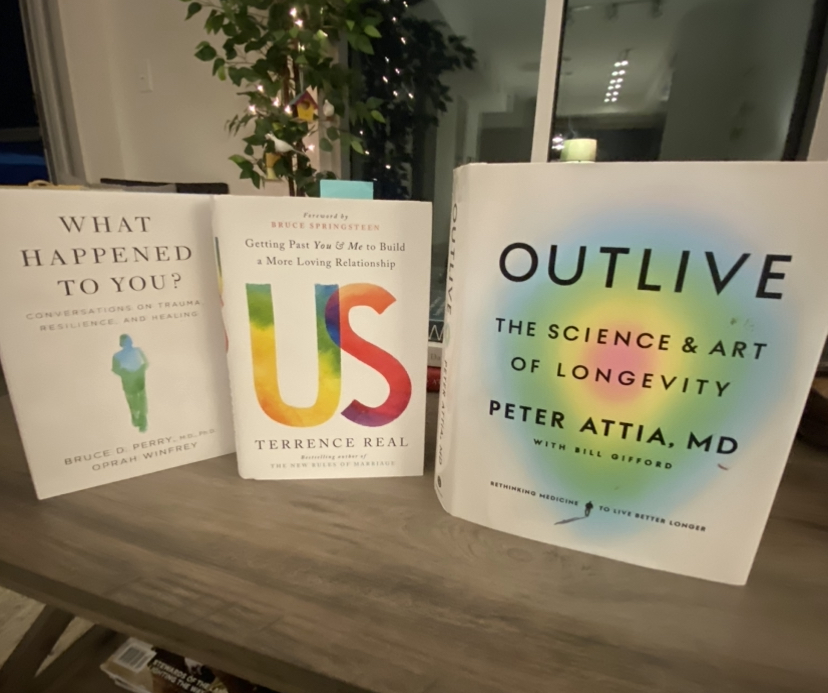




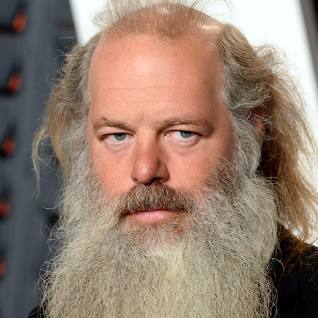


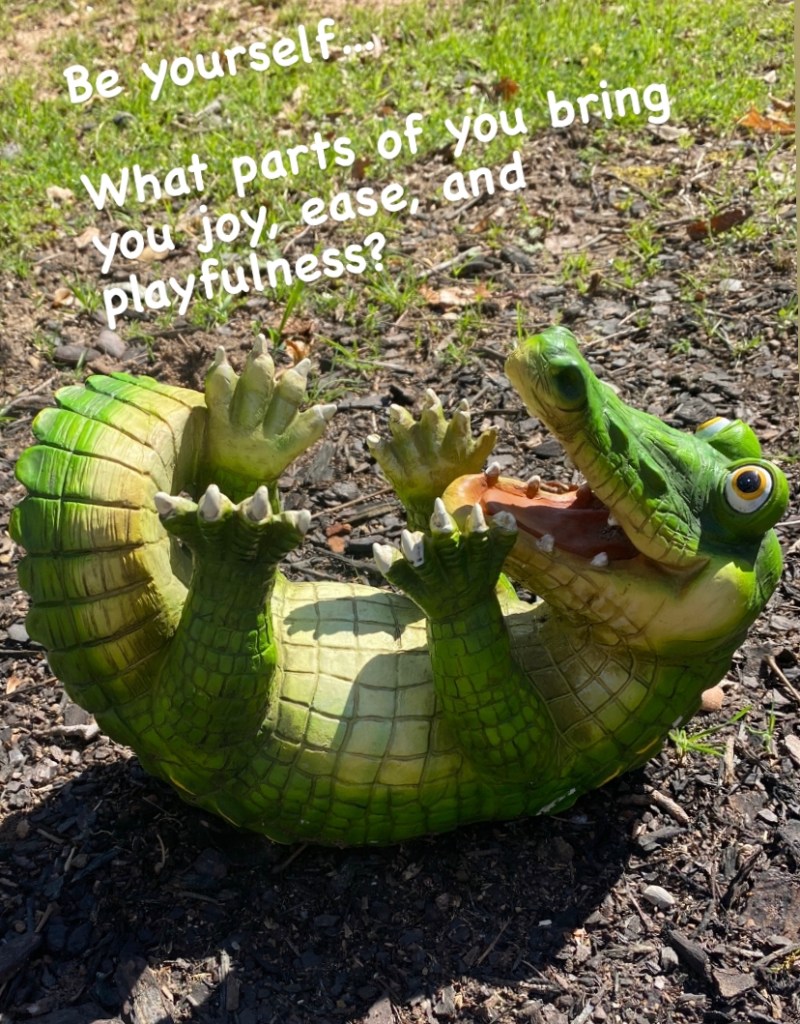






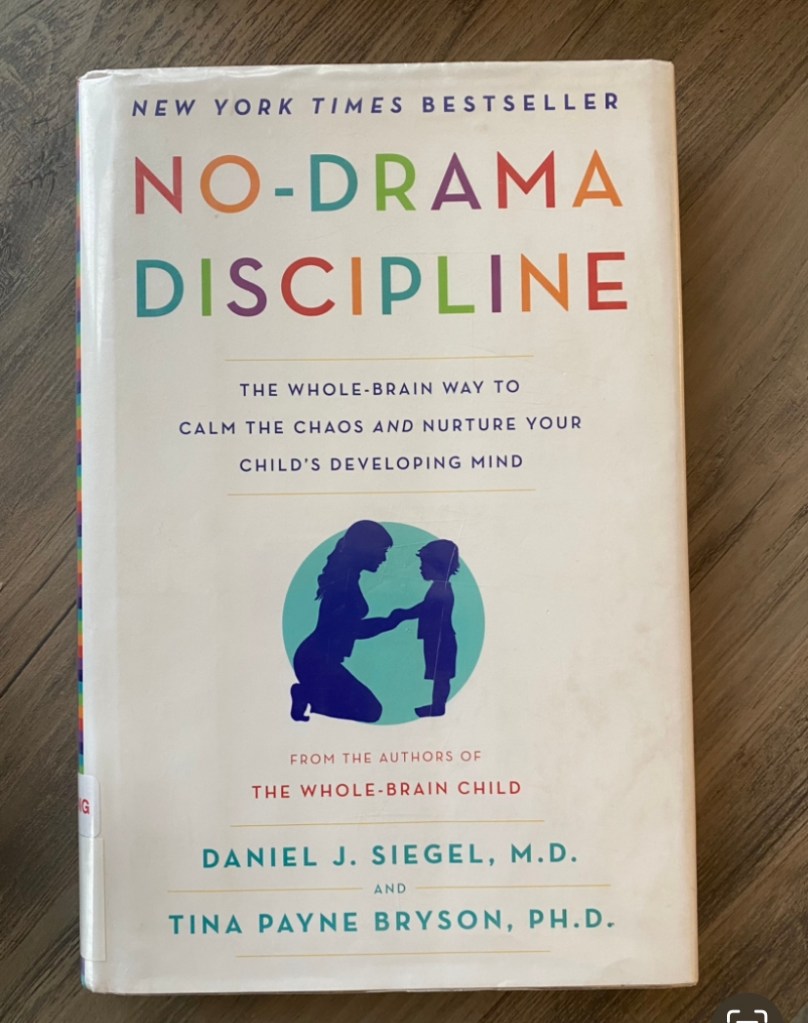

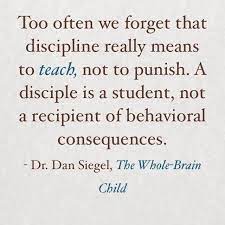

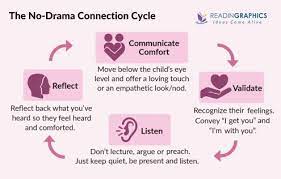
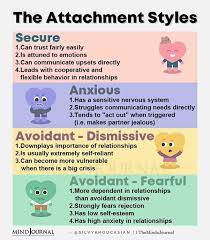


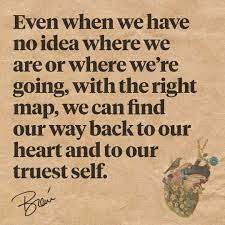


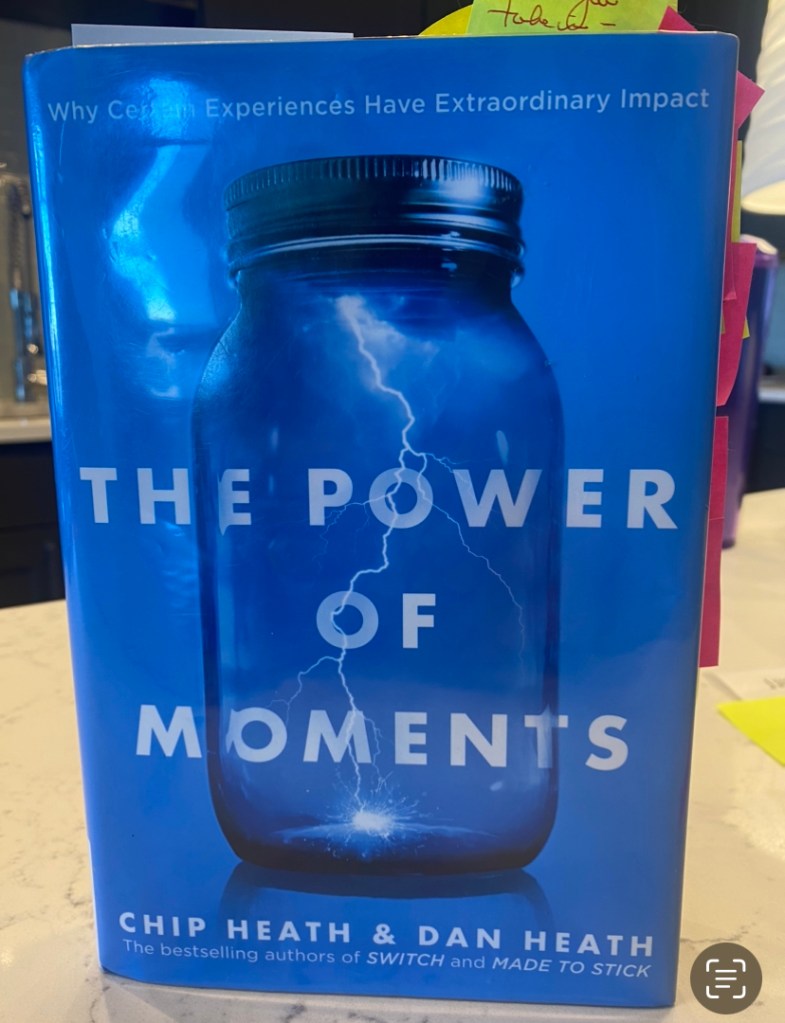
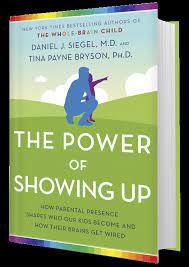



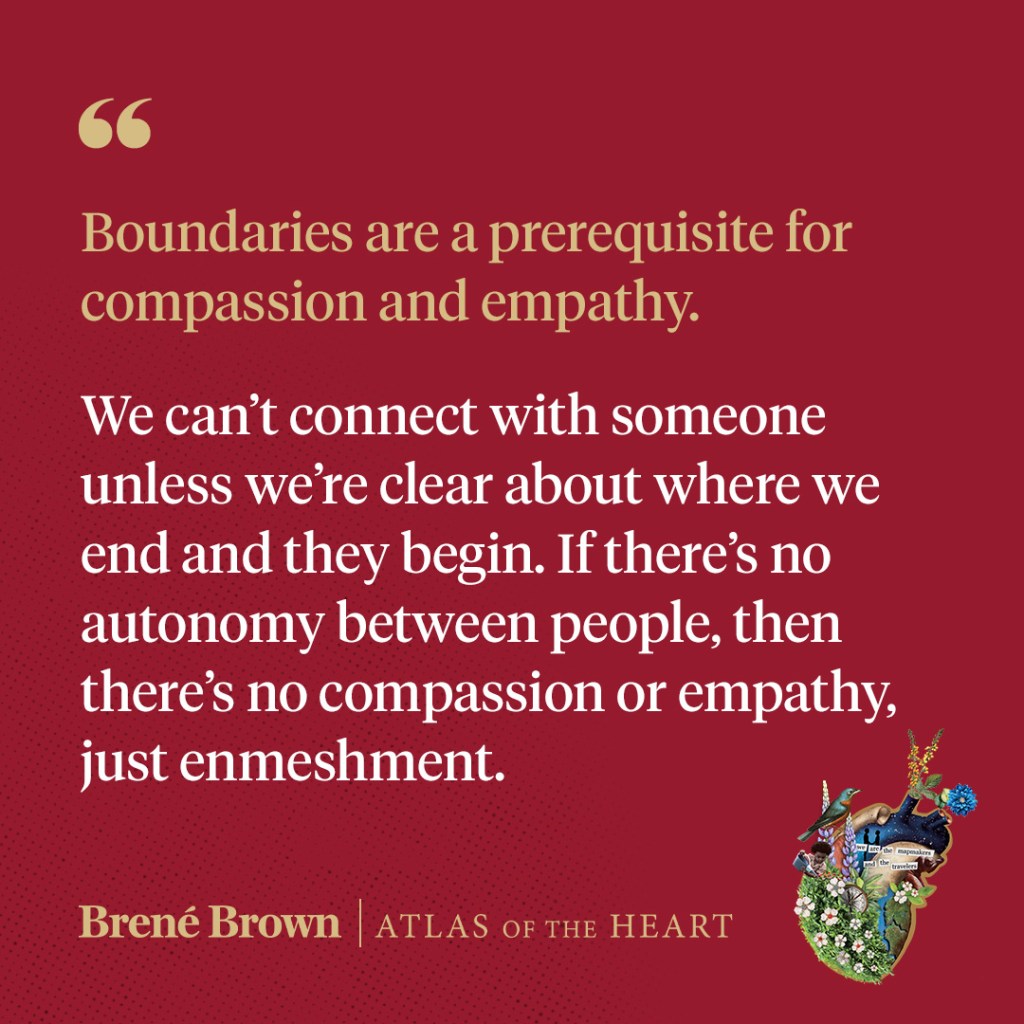


 Inspired New Horizons