Daily Gummies of Wisdom – Year End Insights

For those of you who follow my blog regularly, you may recall that I created a new feature during 2023 — occasional blog posts that featured a short collection of my Daily Gummies of Wisdom — with some expanded thoughts and reflections.

My Daily Gummies are nourishing food for thought to jumpstart your day and are intended as meaningful supplement for emotional health, self-awareness and self discovery. I launched the Daily Gummies of Wisdom email program in the spring of this year with the hope that the insight I shared might really resonate with every day life situations we all encounter.  

The biggest surprise for me personally was hearing back from so many people all across the country who found the gummies to be worthwhile, thought-provoking, motivating and inspirational. Sometimes the Daily Gummy was printed and stuck on the refrigerator for the family to see; some were forwarded to a friend dealing with the very issue that the gummy addressed; some were incorporated into sermons, support group discussions or a counseling session. A few people have shared with me that reading the Daily Gummy is now an integral part of their regular morning routine. I was deeply touched and overjoyed by the stories I’ve heard about the impacts of my Daily Gummies of Wisdom. What a gift for me — to be learning from others how they digested, metabolized and incorporated the insights into their own experiences. 

What I am learning is that real life examples do a lot to help us integrate better skills and tools in our daily lives. What could be more beneficial than hearing a true story about showing up differently changed an old relationship dynamic, solved a parenting problem, empowered others to become more true to themselves? That’s what I will be sharing more of in 2024 — the exciting changes that occur when personal growth and self discovery are visibly in action in our daily lives.

To jumpstart 2024, here is a recent Daily Gummy of Wisdom and the backstory that inspired it:

This gummy about our personal power was shared on December 11, 2023. It was inspired by two fascinating podcast conversations that unpacked “power” in a whole new way.  We hear a lot about “power” and we often have a negative association with it, such as power over, strong arming another or “disempowering” someone.

But what if we reframed it and saw power as our engine of change; how we shift from being stuck to making improvements?

The first podcast conversation that reframed my thinking about power was with Esther Perel, the renowned couples therapist and best selling author. Esther is such a compassionate. empathic and skillful couples counselor. She has a bedside manner that would be the envy of any medical professional. She possesses a rare, surgical precision to extract a couple’s key issue and open them up to seeing the deeper, loving relationship that is possible for them. Her ability to pull this out without inflicting more pain while simultaneously guiding a couple to healing, healthy connection is astounding. In a single couples session, she can remove a long-standing impediment and shift a couple from fighting WITH each other to fighting together FOR their partnership. 

Esther offers a unique perspective on power by reframing a common relationship power dynamic – the kind where one partner is strongly supported in pursuing their goals and the other partner makes a lot of sacrifice to accommodate them. Esther reminds the “accommodator” that he or she actually has tremendous power in the relationship.  If the “accommodator” stopped offering support, picking up the slack or doing more to keep the home life balanced, the other person would likely struggle to meet their goals or pursue their dreams. 

This reframing shifts the power dynamic perspective for both partners. Suddenly the accommodator clearly sees his or her own value, impact and contributions in a meaningful light. And the one who is the benefactor of all these accommodations gains a healthy awareness of all that is being offered on a daily basis to pursue a long term goal.  Esther gives the accommodator the gift of seeing his or her “agency” and the benefactor the gift of “gratitude” for the other’s contributions and sacrifices. 

Charisse Cooke, author and attachment-based psychotherapist, recently offered this tool for accommodators who are growing resentful: “match the behavior”. If you are hyper-functioning, overdoing and overextending but not getting anything in return, dial back on the energy, effort and contributions you are making to match the behavior and responses of your partner. This is a great way to correct an imbalance in the relationship dynamic.

We can restore a healthy balance in the “give and take” of our relationships when we recognize how we often give away our power and then feel unappreciated and resentful. 

I learned even more about power from a recent Huberman Lab podcast featuring Robert Greene, author of six international bestsellers. 

Robert Greene believes there is too much negative focus given to power, when in fact it has remarkable positive benefits. He shares that exercising self control is a SuperPower – especially when we are able to skillfully regulate our emotions and respond to life with calmness, clarity and objectivity. 

We give away our power unintentionally when we have knee jerk emotional reactions. We are well aware of this — often instantly regretting that we displayed such an immature response in front of our kids, friends, family or publicly. In a split second, we acted out of character and embarrassed ourselves. 

Think about a time when you witnessed an adult having a childlike meltdown and you lost a little respect for that person or it tarnished the image you once held for that person. This is how we diminish our power. 

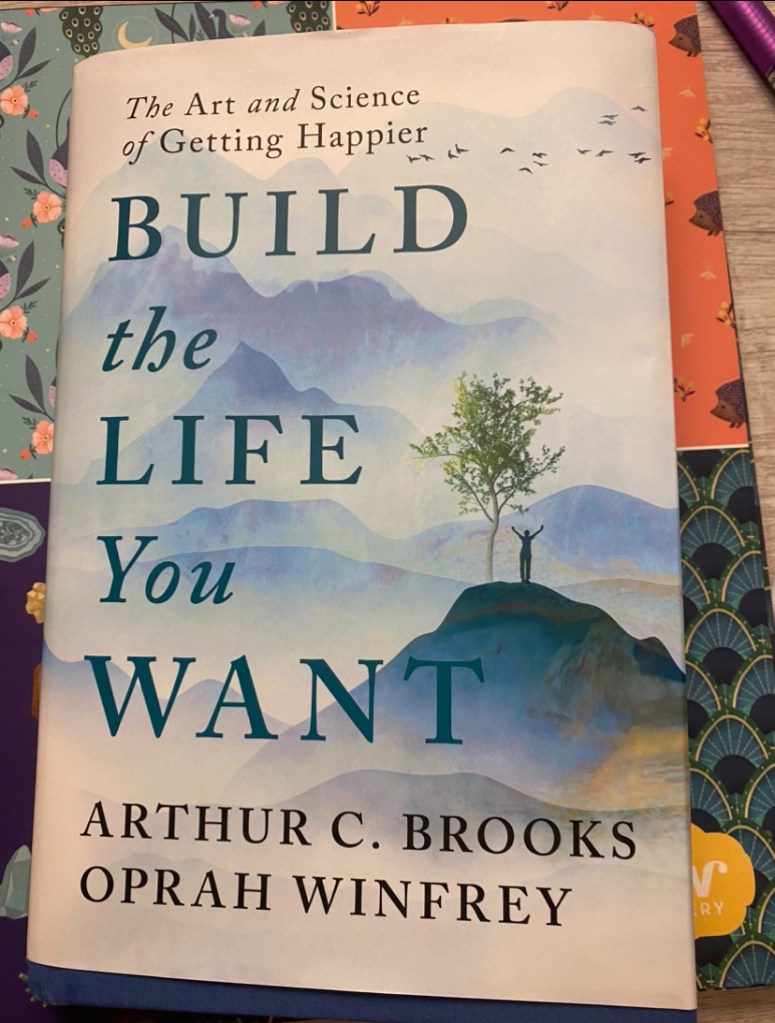
Arthur Brooks, happiness expert and another great author, recently revealed that our grandmothers gave us really good advice when they told us to “count to 10” when we were little and emotionally out of control. But now, we have science-based evidence that we really need to count to 30 – because that is how long it takes to move us from the limbic system in our brains to the pre-frontal cortex. In other words, the limbic system is where the strong emotional reactions come from — and using a 30 second pause moves us into our super-power of self-control and emotional regulation (the executive functions found in our pre-frontal cortex.)

Robert Greene urges us to not give away our personal power, but rather to own it as a super-power. Emotional self-control puts us in the driver’s seat and facilitates us showing up in life with our character, integrity and values intact. We actually have greater negotiation and strategy skills at our disposable when we show up cool, calm and collected.

FIND THE HUBERMAN LAB PODCAST on your favorite platform, including YouTube, and scroll through the episodes for the latest science on a topic that interests you.
FIND ESTHER PEREL’S PODCAST on your favorite platform — and listen in on counseling sessions to gain new insights on relationships

A Wholehearted Emotion Revolution

My last blog post was all about the importance of unpacking our family and emotional baggage — and the remarkable opportunity we have to involve four living generations in doing just that. This post is going to start by unpacking how we got here.

It is all about this moment in time where there is a growing, diverse community of people who are committed to personal growth and emotional health. Some are far along on their journey, others are just beginning and there are many smack dab in the middle. No matter where we are in our journey, we are all reaching both forward and backward – asking for more help and guidance AND offering encouragement and resources.

We did not get here by accident or all at once. We got here because of collective yearning and learning.

Over the past two decades social sciences handed off the baton to neuroscience to help us better understand what was really happening in our brains, in our nervous systems and neurobiology, and through epigenetics. Incredible discoveries were made that brought us tremendous breakthroughs in our understanding and treatment of trauma, cognitive and mental health disorders, the connection between stress and physical health and so much more. So many fields merged together to reverse engineer what we got wrong.

Ironically it was about this same time that Brene Brown started her deep diving research into shame and vulnerability. Imagine how serendipitous this was?

Of course, no one wanted to talk about shame and vulnerability – those subjects were taboo and cloaked in secrecy. That should have been our first clue she was really on to something. Brene told a hilarious story of how she could shut down a conversation with a seat mate on a plane in under 30 seconds by revealing she was a researcher – of shame and vulnerability.

Flash forward to today and those very topics open up a two hour stimulating conversation between three strangers on a plane, who share vulnerabilities as readily as Biscoff cookies, and become fast friends by the end of the flight, swapping contact information and favorite personal growth resources. (Read my recent blog post Leapfrog for that story)

That is just one shining example of how far we’ve come….and how long it has actually taken. Two decades, multidisciplines and a growing longing we were all feeling but couldn’t quite put our finger on.

Brene started her shame and vulnerability research in 2001, right before 9-11. As devastating as that massive tragedy was, there was an also a collective unity that emerged from it, at least for a while.

A decade later, in 2010, Dr. Bruce Perry published his book, Born for Love, where he warned us about our growing empathy poverty. He was shedding a light in the correlation between an infant’s environment in the first year of life and their ability to emotionally regulate in adulthood. He was sounding the alarm for where we were headed if we did not offer safety, comfort and stability for our children. If you were to go back and read that book today, you would be amazed at the amplified realities of his dire predictions for all of us, and especially for our youth. Back in 2010, we had no clue the negative impacts social media and our political polarization would be having on our mental health and empathy poverty.

Also in 2010, Brene Brown’s infamous Ted Talk on vulnerability went viral. It still stands as one of the most viewed Ted Talks in history. It turns out vulnerability wasn’t such a taboo subject after all. It just took Brene’s courage to put it all out there for us. We may not have recognized that this was a massive “me too” movement as well. It was evident that at a very grassroots level, we were longing for answers to questions no one was asking.

In August of 2010, Brene released her book “Gifts of Imperfection” and invited us to join that grassroots “wholehearted” revolution by finding the courage to tell our truth stories. Mostly she was encouraging us to stop saying (and believing) we were OK when in fact, we were not. She grounded her research in the truth that we were born worthy of love, connection and belonging.

The very same message that Dr. Bruce Perry was also telling us.

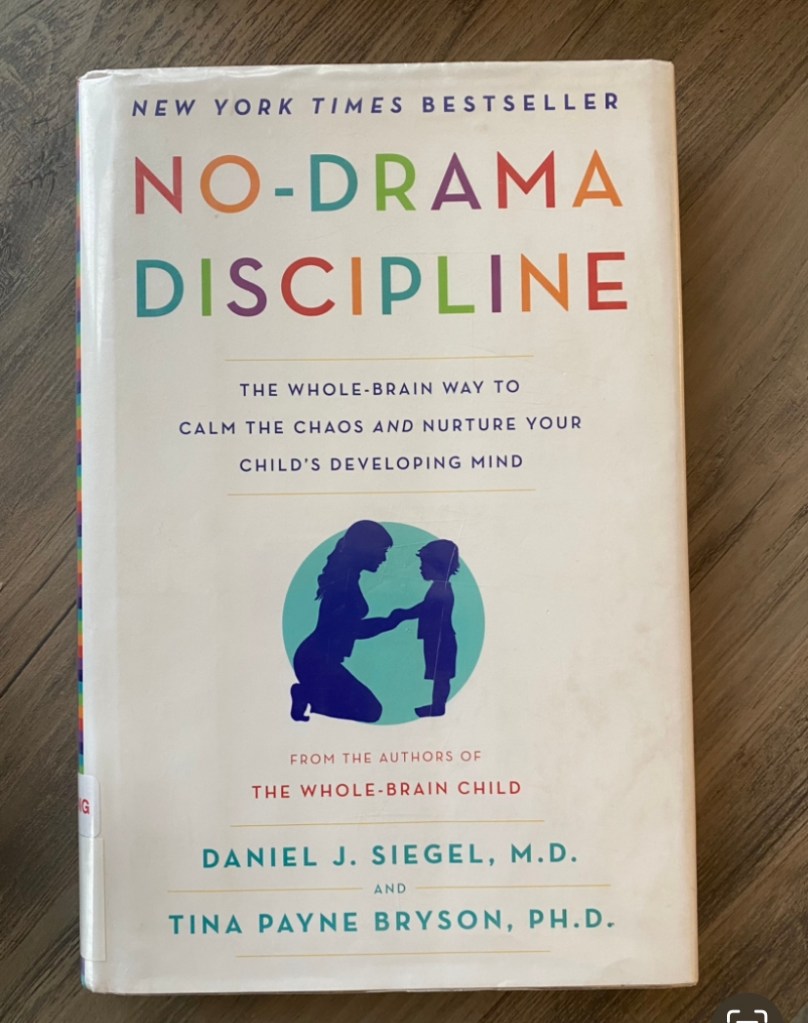
Over the coming years, Brene would publish more books including Rising Strong, Braving the Wilderness, Dare to Lead, and Atlas of the Heart. Dr. Bruce Perry co-authored What Happened to You? with Oprah Winfrey. Dr. Dan Siegel published Whole Brain Child, No Drama Discipline, Brainstorm: The Power and Purpose of the Teenage Brain and the Power of Showing Up(with Tina Payne Bryson and most recently he released Interconnected. Dr. Mark Brackett published Permission to Feel: Unlocking the Power of Emotions to Help Our kids, Ourselves and Our Society Thrive.

Rick Rubin, the renowned music producer and author of The Creative Act: A Way of Being, has a compelling way to make us stand up and take notice of what was happening in this grassroots wholehearted revolution. When an idea’s time has come, it will find a way to make itself known.

The seeds of this wholehearted, emotion revolution were scattered far and wide. They began to take hold not only in the research but within us. The self-help section of our favorite bookstores began to swell – from psychology and neuroscience, to the enneagram, to Untamed by Glennon Doyle and Clarity & Connection by yung pueblo (just to name a few).

Brene’s Netflix documentary, Call to Courage was released in April, 2019, where she invited us to choose courage over comfort in a present day culture that had us divided and disconnected. We should have buckled our seatbelts.

Less than a year later, just as Brene launched her two dynamic podcasts, Dare to Lead and Unlocking Us, the global pandemic was unfolding — and isolating us even more. Perhaps we were listening more intentionally to Brene’s guests and the deeper conversations because they were resonating on many levels.

What we had all been feeling individually for decades, was now also being felt collectively. It was becoming crystal clear that we are not only hard-wired for connection, we are inextricably inter-connected through school, the workplace, grocery store, supply chains etc.

Suddenly the topic of our emotional health was popping up everywhere. What once had only been discussed in the self-help and psychological arenas, was being mainstreamed into business podcasts, education, physical and cognitive medical fields. A magnifying glass was handed to us to see the impacts of emotional health on our children and teenagers; on all of us. Brene Brown confided in her sister series of her podcast that the pandemic puts strains on marriages and parenting we’d never experienced before. We were never meant to withstand long stretches of uncertainty without revealing our vulnerability and need for connection.

The wholehearted revolution that was afoot back win 2010, had been growing slowly. All revolutions take time to build momentum. Surely the global pandemic accelerated the swiftness of of this “wholehearted, emotion revolution.”

Dr. Mark Brackett, author of Permission to Feel, was one of Brene’s podcast guests and he shared so honestly what many already knew to be true: “The mental well being of our children and adults is shockingly poor. We have a crisis on our hands and its victims are our children.”

The warnings that Dr. Bruce Perry had offered in his 2010 book, Born for Love, stressed the importance of our community and relational scaffolding for our children. This wisdom could no longer be lost on us.

There has been a giant step forward and a big pivot in the right direction as we step back out into our new normal and begin reinventing ourselves from the inside out. The books and podcasts that are emerging now are speaking directly to the corrective actions we must take.

We must integrate our emotions in our brains and our experiences. We must unpack family and emotional baggage to stop the trauma cycles and give us space for better quality lives and health. We need to scaffold each other, especially our children, and cultivate growth mindsets. We need to shed the armor that we believed protected our vulnerability and discard outgrown behavioral patterns. We can build life skills, resource ourselves better, and rediscover our empathy and common humanity.

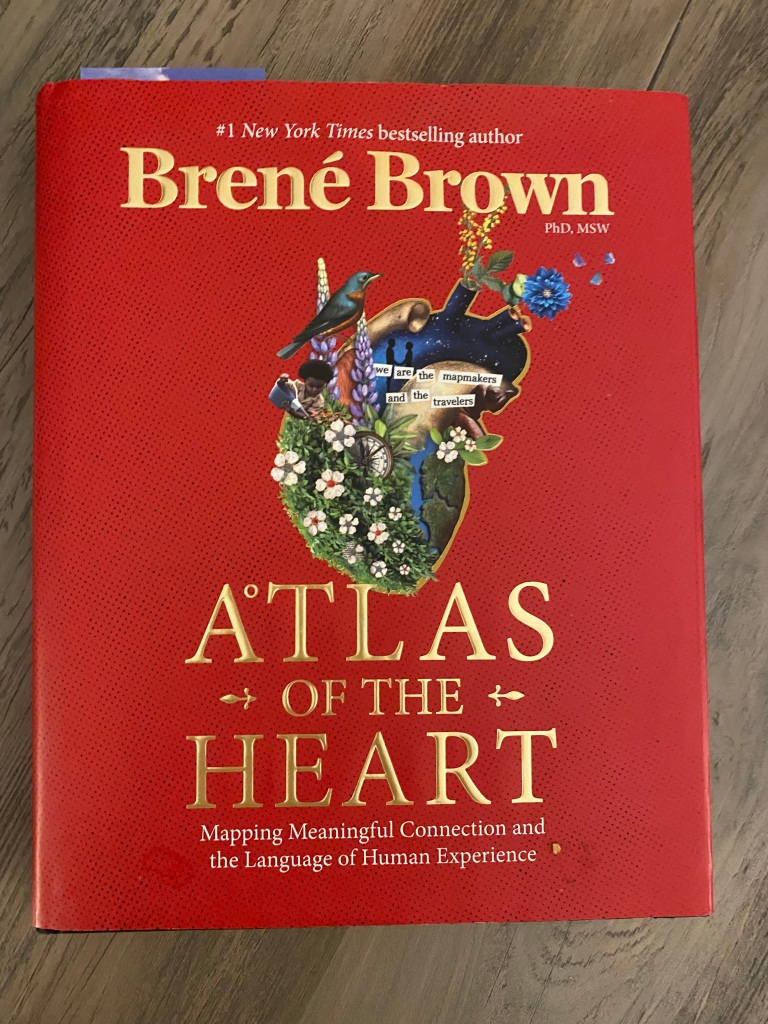
Brene Brown published Atlas of the Heart which helps us expand our understanding of 87 emotions and experiences. It is a family reference guide that supports us in helping our children and partners integrate their emotions.

Kristin Neff released Fierce Self Compassion (How Women can Harness Kindness to Speak Up, Claim Their Power and Thrive) which encourages us to treat ourselves as kindly and compassionately as we would a dear friend; and to break free from limiting gender stereotypes that has us all suppressing our emotions in harmful ways.

Dr. Gabor Mate published his phenomenal book, The Myth of Normal: Trauma, Illness and Healing in a Toxic Culture (a groundbreaking investigation into the causes of illness and a pathway to healing and better emotional health). His insights into how generational trauma get passed down through our family systems point directly to the need for us to unpack family and emotional baggage.

Dr. Peter Attia very recently released his incredible book Outlive, where he drives home the point that our emotional health is the most integral component of our lives. We can be physically health and emotionally unhealthy and we will be miserable. And in turn, we will make our families miserable. He unpacks the reasons why we’ve long heard the phrase “hurting people hurt people.”

Dacher Keltner, a renowned expert in emotional science, just released his book, Awe: the New Science of Everyday Wonder and How It Can Transform Your Life. It is the final chapter of his book, aptly entitled Epiphany, that really brings home the lessons that we have been learning over these past two decades. Dacher Keltner reflects on the work of Charles Darwin whose thinking about the evolutionary science of emotion was shaped as he cared for his 10-year old daughter Annie until her death. Dacher offers that we mimic nature as we move through our evolution (and emotional revolution); there is a decaying (shedding the old that no longer serves us), a composting (extracting the lessons and nutrients we need) and then a regrowth (which is where we are now).

We now possess better insights, research, tools and collective commitment than we have ever had before in this emotion revolution. Young people are hungry for mentors and author Arthur Brooks encourages the older generation to rediscover their purpose by stepping into that role. It is an exciting time to be alive — and be an active participant in such a healthy change.

RECOMMENDED RESOURCES:

People Don’t Change….Right?

We hear this myth all the time — “people don’t change” or “you can’t make someone change” but quite honestly, this could not be further from the truth. None of us are the same person we were last week, last month or last year. All this phenomenal change is happening with very little awareness on our part. Our brain and its remarkable process of neuroplasticity are literally changing us every single day.

Neuro means brain; Plasticity refers to the fact that the brain is always transforming itself. When you meet someone new, or learn a new fact, your brain changes its structure and function. The environment can change our brains even if we are not aware of it. Some events change the way brain cells communicate with one another, by strengthening or weakening this communication. Other events will change how the brain interprets things. All these changes end up modifying our behaviors. — excerpted from Frontiers’ article, “Neuroplasticity: The Brain Changes Over Time” 1/12/2020

Now we can see that in reality we are actually changing at all times. It is hard-wired into us and proof positive that we not only CAN change, we have been doing it all along.

What is most intriguing is that we can become an integral and proactive part of this process. Rather than resisting change, we can embrace and even empower this human superpower.

Let me reframe this in a way that will shift your perspective about “growth mindset”.

What if we thought about our ever-evolving life changes as our CV: Curriculum Vitae (which ironically is Latin for “course of life”).

What would we put on our personal life resume that is directly correlated to the changes we’ve experienced – both unconsciously through neuroplasticity and very consciously through the effort we put in to effect change?

As you are reflecting on this, ponder why we always ask older people “What would you tell your 20 year old self?”

How often do we mutter to ourselves “if I knew then what I know now?” as we reflect back on our life history and realize that we could have made much better decisions and seized opportunities we let slip through our fingers?

Let’s put that on our life resume — the things we learned later in life that often came from repeated trial and error. A little hindsight with a healthy dash of knowledge is how we acquire wisdom.

So many of our life experiences have helped us develop a whole host of skills sets we often take for granted. From parenting to career changes, to marriages and health issues, the loss of loved ones — each and every one probably revealed something we did not previously know about ourselves.

For some time now, I have been thinking that one of the best entry points for self discovery and personal growth is through understanding how our brains operate. If we learned this, we could become proactive in setting ourselves up for better life skills and fewer problems.

It is incredibly hard to “do the work” of meaningful change when we have 40, 50, or 60+ years in which we have fossilized bad habits, dysfunctional behavioral patterns, and unhealed emotional wounds.

We could be doing all the “work” in real time, when it has the biggest impact and the greatest opportunity to transform us in healthy ways. By being proactive in the “change” process, we could actually be preventing getting “stuck” in outgrown or dysfunctional responses to life. We would simply be more prepared and skillful at navigating life. We would be in a continual state of building inner resources to support ourselves in evolving positive ways.

Neuroscience is revealing to us that we can do much better at “resourcing” ourselves with good coping skills, healthy emotional responses and emotional regulation as well as the resilience, resourcefulness and capacity we get from lessons we glean from our learned experiences. Without these inner resources, we can struggle to integrate our thoughts, emotions and body when faced with challenging circumstances or trauma.

Integration is the core foundational block for us to be able to deal with our experiences in healthy ways — and for us to learn from those experiences and build a strong neural network to tap into for future reference. We need to integrate our thoughts, our emotions and our bodies if we want to be better “resourced” for handling life’s difficulties.

If we think of our behavioral patterns as “memorizations”, we can get a clear picture of how we learned as kids to respond to anger, blame, hurt or fear. Often it was not only our own emotions we grappled with, but those of our caregivers. So we “memorized” what would bring us safety, relief, a return to connection. Our little developing brains did not yet have all the executive function to reason. In fact, our brains and bodies were flooded with cortisol and adrenaline — urging us to take quick action and seeking safety ASAP. We “memorized” what the fastest track would be to return us and our caregivers back to baseline.

We really don’t learn much from memorization. It’s just a steady “rinse, repeat” pattern of responding to similar situations. A better pathway to healthy co-regulation and growing core inner resources is to really engage with our own emotions, be informed about what they are telling us, calming ourselves so we can reconnect with our executive functions and then make rational, healthy choices about how to respond. Sounds simple enough, right?

Well, it can be — but not without an understanding of what is happening simultaneously in our bodies, with our thoughts and emotions. When we are young, it would be the equivalent of trying to recite the alphabet backwards while the grade school band was all warming up! Too much distraction, too much noise — just too much.

If we have a clearer understanding of how a child’s brain develops, then we can reset our expectations about what they are actually able to process when emotions and experiences get big and bumpy. We can “meet them where they are” and save us all a lot of angst. We shouldn’t want our kids to “memorize” how to navigate life; we want to teach them how to be captains of their ship, with a breadth of knowledge, skills and resources so they can face opportunities and obstacles in healthy, dynamic ways.

As neuroscience, psychology and psychiatry all intersected to address our growing mental health crises, many phenomenal discoveries have been made. Dr. Dan Siegel recently remarked that he would have never thought 15 years ago that we would have such concrete evidence of how our brains and bodies are functioning (or not functioning). It is revelational and game-changing for every one of us.

Breakththroughs lead us right back to the root problem — and that is where real change occurs. We can proactively and meaningfully begin to implement bold new ways to teach ourselves – and especially our children – how to process emotions as they are occurring; how to get back to baseline when our emotions hijack our ability to reason and think clearly; how we co-regulate each other (the hot tip here is that we can de-escalate a situation as fast as we can escalate an already emotionally charged situation); and how to learn from our experiences in ways that “resource” us for the future.

Imagine if we re-framed our attitudes about personal growth and the need to change in a whole new way. If we truly understood how our brains, bodies, thoughts and emotions all were working to support us in such astounding positive ways, we would be approaching how we parent, how we engage in life and how we support each other in transformational and empowering new ways.

Food for thought: Can you imagine learning to drive a car without understanding how all those moving parts actually synch up and work together? Did you learn how to take care of a car when you learned to drive (about oil and gas and windshield washer fluid, about engine warning lights?). Can you imagine teaching your child to drive if you didn’t know how to drive or maintain a car? Could it be that we actually understand more about the complexities of how our cars operate and even more about awareness and skills needed to navigate traffic than we do how our very own brains, bodies, thoughts and emotions are all working to support us?

I recently listened to a thought-provoking podcast with Adam Grant and Carla Harris about becoming great mentors and sponsors. During the conversation, Carla pointed out that so many folks returned to the workplace after coming through the challenges of a global pandemic with many new skills, strengths and inner resources. She was so insightful when she noted that we should always be on the lookout for ways that we are growing through our challenging experiences. She also noted that we all have changed as a direct result of that collective experience. There are opportunities we never saw before that are now being revealed to us.

Change is a good thing….and it is the only thing that is constant. We actually can change!

RECOMMENDED RESOURCES:

Dr. Dan Siegel is one of all-time favorite resources for learning how a child’s brain develops, how our parent/child attachment styles impact our adult relationships and how we can transform all the chaos is our bodies and brains to an integrated, more healthy approach to life’s challenges. Any YouTube video featuring Dr. Siegel is sure to enlighten and inform.

https://www.youtube.com/watch?v=fwmtgrWKQrY

Dr. Andrew Huberman is my “go to” resource for all things neuroscience. He offers deep dives into so many diverse topics in this ever evolving field of research on his Huberman Lab podcasts. For smaller doses of his worthy insights, check him out on YouTube where he offers bite-sized segments from his in-depth podcasts.

This episode is definitely worthwhile for parents especially — but as always, we have to put our oxygen mask on first…so learning this information for ourselves and then applying it to our parenting skills is invaluable.

Check it out: The Science of Emotions and Relationships:

https://podcasts.apple.com/us/podcast/huberman-lab/id1545953110?i=1000514835897

When I suggest a groundbreaking parenting book, I love the added benefit that comes with it — the opportunity for us adults to revisit our childhoods through the lens of more knowledge that comes from both the book and our own lived experiences. This is hindsight infused with real life experiences and new, improved skills and learnings. My deep dive into personal growth brought me to parenting time and again.

Nuggets of Wisdom – The Gifts of Awareness

I love those “aha moments” that show up in the midst of an ordinary day. Those “aha moments” grab our attention making us more aware of things we sometimes take for granted or are often too busy to notice. Catch an”aha moment” and put it in your pocket! Start a collection of “aha moments” and watch a little magic unfold in your daily life. This Nuggets of Wisdom in this post are about creating more “aha moments” by putting a little more awareness in each day — self-awareness, present moment awareness and other-awareness.

Meditation is one of those practices that begins to show up in your daily life in organic, meaningful ways. Take listening for example — when you meditate, you learn to be free from judging your own thoughts. You become more skilled at sifting out distracting thoughts. You become more attuned to listening to understand what you are truly feeling or experiencing.

When these skills sets begin to show up as you interact with others, you will smile knowing that you are taking your meditation practice from the “cushion to the real world.”

Improved communication and connection with others is a two way street — speaking AND listening. We can become better skilled at both! A skilled listener is non-judgmental and focused on understanding how another person is truly feeling.

Practice on yourself through meditation….then try it out IRL (in real life).

As we hone our skills to become more aware of our emotions, we might be surprised to discover that all too often we are giving those emotions much more control in the heat of the moment than we would prefer. It’s time to tell our emotions that they are always welcome, but they can’t do the driving.

During the course of a normal, busy, routine and occasionally chaotic day, we are going to experience a wide range of emotions. Sometimes when we are just being bombarded with too much to juggle, we inadvertently let our emotions run the show. Often it only makes a stressful situation worse.

Hit the reset button — take a deep, calming breath BEFORE you react/respond. That breath, that pause is often just enough to create awareness that it is your emotions taking over, not your integrity. And guess what? Your kids (and others) are watching…..and they’ll mimic your stealth skills if they see you doing this “reset” in times of stress, being calmer and more reasonable in your responses. That’s a win-win in the daily course of our busy lives.

In her newest book, Atlas of the Heart, Brene Brown dives deep into helping us understand how so many emotions can look similar — and all too often, we assume that we know exactly how someone else might be feeling. Then, we respond or react to others from that place — how those same emotions would feel to us. Is it any wonder that we can really make things confusing when this occurs? First of all, we are snagged on our own emotions and that will often pull our attention away from another person and inward on ourselves. Second, we may be putting the brakes on the emotions that another person is trying to process and understand.

Brene introduces a new concept for us to embrace — story stewardship. When we become trusted stewards of others’ stories, we listen with open hearts and open minds, without judgment and with an intention of getting to better understand what their personal experience and emotions truly are.

All of us have stories that are hidden under the tip of our iceberg. It would be impossible for others to know why certain things land so hard on our tender hearts. Not everyone needs to know, or can be expected to understand, these vulnerable parts of our story. It is healing for us to share our stories with someone who has earned the right to know the depths of our experiences. It is also helping others to gain bigger perspectives, to deepen their empathy and curiosity and to release habitual judgments when we have the courage to share our stories.

One of the greatest lessons to be learned from Brene when someone trusts us enough to share their stories, is to ask the question “What does support look like to you right now?” Ask that question and wait for the answer….take it in and really listen to what someone needs. Too often, we are so uncomfortable when others are hurting we rush to fix, to distract or even turn away. Meaningful story stewardship means holding space (even when we are uncomfortable) and asking others what they need.

We sometimes fail to see, or forget about, the best parts of ourselves. When we look in the mirror, we see reflected back whatever our inner critic or racing thoughts deem appropriate to share with us. If you have a trusted friend, a caring parter or a supportive parent who reminds you of your goodness, your grit and your unique gifts, then you are truly blessed. Those people are your best mirrors — the best sources of encouragement when life gets bumpy.

It is not surprising that we often bring the best versions of ourselves to the outside world — to our workplace, our community endeavors, even to strangers in the check out line. Yet we find it more challenging to tap into those attributes with the people we know the best — and often the ones we love the most. If you have a trust buddy that reminds you of this, thank them. If you have someone who has your best interests at heart and holds you accountable to the better version of yourself, you have a committed teammate in life.

We get to be these mirrors for others all throughout life. When you spend time on your own self-discovery, you often enhance your abilities to see the strengths and gifts that others possess too. Speak up — tell others all the goodness you see. The way they make you laugh, how generous they are, how resourceful they are, how they stand up for others…..there are so many ways that each of contribute our unique gifts to the world. Sometimes we all just need a really good mirror!

The Journey

It dawned on me as I was chatting with my lifelong friend Judy that our big immersive conversations have shifted quite a bit as we progress on our personal growth journey. A few years ago, our focus was on ourselves –behaviors we wanted to change, what we wanted to heal and what lessons we were learning. While we continue to do this inner work, we have discovered that we are now more naturally attuning ourselves and our focus to others. As a direct result, our conversations reveal that we are more proactively participating in healthy ways to helping others find their own path. We feel more energized, fulfilled and purposeful. The feedback we are getting from others is reinforcing that how we are showing up for others these days is landing just as we had always hoped it would — in positive, helpful and constructive ways.

I recall telling Judy years ago about some wisdom from Pema Chodrun. In essence, Pema said that doing our own personal work was not just for ourselves, but also for others. As we peeled off layers of old baggage and outgrown behavioral patterns, others would notice we were changing. At first they might not care for it because it would feel awkward to them. Over time however, they’d witness how much calmer and present we were and they too might be inclined to do some personal growth work. Pema offered that this is how we pave the way for others. She also explained that as our energy shifts to more positive, resourceful ways to respond to life, we will organically begin to attract more of that same growth mindset energy from others. Judy and I marvel at all the truth that is packed into Pema Chodrun’s wisdom. We have witnessed this transformation in our own lives and in each other. I don’t think we will ever lose sight of all the hard work we did together over these past few years and where it lead us.

Judy and I are both Type 2’s on the Enneagram — the helper. For most of our lives, we were like first responders for family and friends. Although our life paths took us in very different directions, as we revealed our stories to each other, we could easily recognize the all-too familiar patterns of helping too much, exhausting ourselves, enabling others and diminishing our own value. That would be the unhealthy end of the spectrum for a Type 2. We made a commitment to get to the healthy end of that spectrum — together. We would help each other stay on track. To be honest, we knew that there would be times that this might be really hard especially when the truth might hurt. Yet we had a strong foundation of trust to help us with our commitment.

A trusted friend is invaluable when it comes to discovering and addressing our blind spots, tunnel vision and insecurities. It is often so much easier to divulge our fears and vulnerabilities to a friend than to our family members. It just feels safer. Brene Brown calls these our “marble jar” friends.

A marble jar friend is your advocate – and they want you to be successful, happy and to flourish. They hold your confidences, can be trusted implicitly and aren’t judgmental. They are also realists who can sit with you in your darkest hours and hold space for you to cry, to vent, to pick up the pieces. If you have one, you are so fortunate. If you have several, you are truly blessed.

So often, I have heard a soft refrain of “me too” from one of my marble jar friends when I shared something painful or shameful. I can almost feel a space opening up to pour out hard stories when those words are uttered. It feels like a trust fall — “let go, you are safe – I will catch you.”

Judy and I have certainly deepened our friendship as we ventured hand in hand on our personal growth journey. We have also witnessed how our daughters have been watching us – how we maintained a lifelong friendship (with and without social media), how we have celebrated and supported each other through many life events, and most especially how we’ve transformed into healthy versions of our type 2 selves over recent years.

It is this “witnessing” of personal growth work in action that has become the most meaningful aspect of the journey for me. My own daughter sees and feels it in my relationship with her. The same is true for Judy and her daughters. Old patterns that we once had with our daughters have faded away giving us a more expansive space for connection, encouragement and wisdom. Judy and I love helping our daughters navigate the challenges of parenting, marriage, careers, friendship, family and life with the wisdom gained from the lessons we learned the hard way and the benefits of better responses.

Others in our lives have also witnessed — and experiencedhow we are showing up much more authentically now. Just as Pema Chodrun pointed out, others are drawn to the changes they’ve noticed and are asking us about our resources and tools. We are calmer, more energetic and resourceful. We listen more and ask better questions to learn more.

Here is another heartwarming aspect of the journey for me. Where once I was often interjecting my help where it may not have been needed or wanted, I am now legitimately helping others who are expressing a desire to learn and understand.

As we moved the needle toward the healthy end of being a Helper, Judy and I also ended up more closely aligned with our true nature and our purpose, especially at this chapter of our lives. We have always had good intentions, and now we have better tools and skills to support us.

I’ve been witnessing this same progression with my several of my dearest friends. The more we are engaging in growth mindset conversations, the more we are reading, experimenting with new tools and resources and sharing ideas.

I get so inspired by my friends as they share their stories of how they are evolving in their relationships with their adult children. Especially when it becomes so evident that all the work we are doing is shining a light on a new path for that generation — that they are shedding their armor much earlier than we did.

And with any luck at all, we will help our grandchildren travel through their lives with strong emotional intelligence, a firm grasp on their own authenticity and worth, and the confidence to pursue their passions with our wholehearted support.

RECOMMENDED RESOURCES:
Being Well Podcast (Two parts) with Dr. Rick Hanson and Forrest Hanson- Debunking Self Help Myths:

https://www.rickhanson.net/being-well-podcast-dealing-therapy-trauma-and-resilience/

https://www.rickhanson.net/being-well-podcast-self-helps-biggest-misconceptions-part-2-no-pain-no-gain-hedonic-adaptation-and-meditation/

Such a great introduction to the Enneagram for anyone curious to learn more. The more you learn about all nine types, the less likely you are to take things personally — and the more likely you are to open up to understanding how another person is hard-wired and responding to life differently than you.