Build a Sophisticated Toolshed

Imagine my surprise to hear a male guest on a podcast sharing that he and his wife are now using more “sophisticated” tools to navigate life. Wow — I love that impactful word and could even feel myself leaning into it and embracing the full scope of what it feels like.

It is remarkable how one word can shift us quickly into the next level of our personal growth — and do so in a way that feels amazing.

I could see it in the body language of this middle-aged man – he was owning how empowered he felt by proactively choosing a “sophisticated” way to support his wife deal with an emotional situation. There was a sense of pride and accomplishment.

His personal story was a sliding door experience for him — one where he could see how he used to handle situations like this that usually only made things worse; and how he attended to his wife’s needs now in a more mature and skillful way. Not only did his wife get what she needed most, their personal connection deepened.

The stark contrast of how his old ways of dealing with relationship struggles pulled them further apart – and how his new and improved ways, strengthened their relationship was undeniably magical. The “before” and “after” results of using “sophisticated” tools was proof positive that he was growing in the right direction.

He had handled a common relationship issue with aplomb.

Admittedly, he shared that he used to match her emotions and they’d get in an emotional tug of war. This could lead to a stand off and for the next few hours, they’d avoid each other or poke at each other’s shortcomings. Not fun.

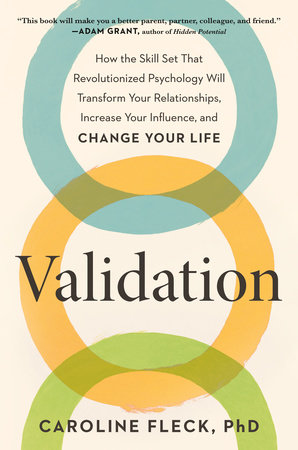
His new and improved approach of validating her feelings and her experience, of listening to understand and co-regulating her by remaining calm, felt surprisingly good to him too. A simple shift in his approach was the fast-acting remedy that produced incredible results. They were hugging and smiling in just a few minutes. For hours afterwards, they could still feel the strong intimate connection they’d made.

That young man inspired me to see what is possible as we reframe personal growth and self discovery. Yes, of course — we want to be using sophisticated tools in skillful ways to build the life we want. To become better versions of ourselves over time and to support those we love in ways that build trust, resilience and self-confidence.

We can become master craftsmen and craftswomen with some simple, impactful shifts in our language and our awareness. Who wouldn’t want to become confident enough to use “power tools” in our most treasured relationships?

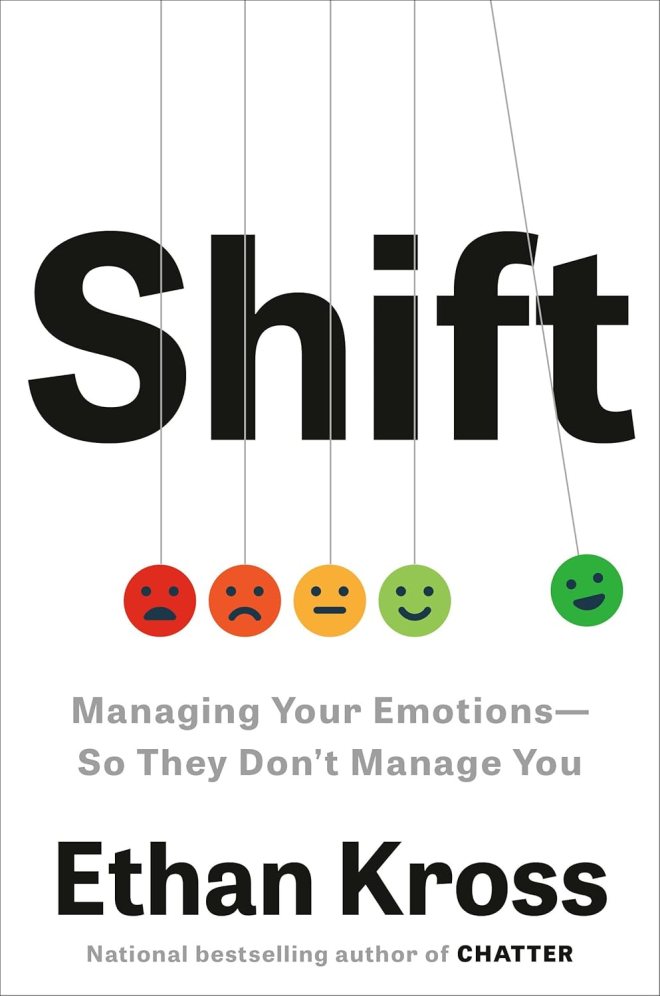
In his book, Shift, author and psychologist, Ethan Kross, reveals just how easy it is to step into using the “power tools” that proactively shift our mindsets, perspectives, emotions and perceived limitations. In fact, the concepts he details in his book could be the Starter Kit for building your own sophisticated toolshed.
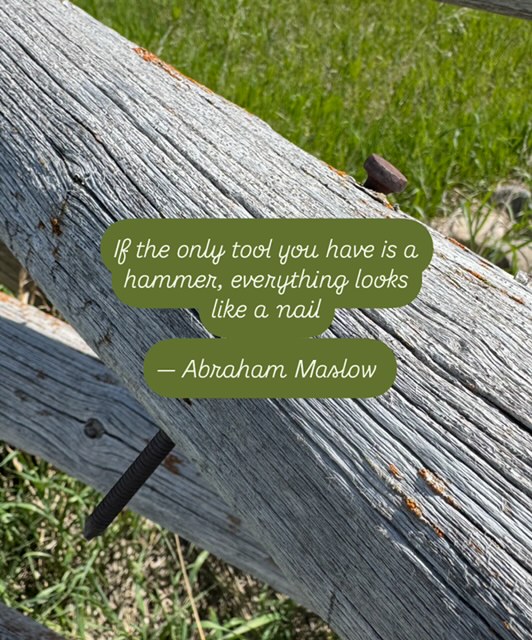
These power tools are really pretty straightforward but we frequently get hijacked by the stimulus of a situation and just reach for a hammer.

It’s our natural human tendency to rely on familiar methods or tools, even when they are not the most appropriate for a situation.

As Abraham Maslow reminded us: “If the only tool you have is a hammer, everything looks like a nail.”

It is precisely why Victor Frankl urges us to use the pause between stimulus and response to think about what is the best course of action in the long run.

Reminding ourselves that we want to be reaching for “sophisticated” power tools while we are taking that pivotal pause might be all that is needed to remind us to be more mature and intentional about our reactions. Drop the hammer and reach for the more contemporary, state of the art, power tools.

A Method and a Motto:

There is a method to stop the madness of using a hammer for everything that pops off in our lives and crops up in our relationships. It is recognizing that we human beings have a lot of variation in the way we show up day in and day out.

Some days we are far better resourced to handle blunders, mistakes and miscommunications. We can let things roll with grace and generosity.

Other days, not so much. We are irritable, easily distracted, have limited bandwidth and are running on fumes.

Even when we want to do our best, it may feel nearly impossible to pull that rabbit out of a hat.

Turns out, we unconsciously overweight and overrate what we can get in the short term. We make snap decisions and have knee jerk reactions to get satisfaction right away. We don’t like feeling uncomfortable, we want relief immediately. Winning a shouting match feels good.

But winning that shouting match only feels good for a hot minute.

That’s the unfortunate reality of overweighting what feels good in the heat of the moment. We unconsciously give too much weight to winning a fight or avoiding a conflict. We make a value calculation that is fleeting.

Dr. Falk reminds us that where we “place our attention” is the lever we can pull to override our tendency to overweight the value of a short term outcome. Play the long game. Turn attention to what matters most. Are you the kind of person who saves the day?

We aren’t little kids in a sandbox anymore. We are grown ups who calmly come in and help each other get along. We can clearly assess the situation and get back to having fun together.

In her book, What We Value, Dr. Emily Falk urges us to get intentional (especially in the heat of the moment) about shifting our attention to the long game. We will find it much easier to reach for our sophisticated relationship power tools when we focus on what we value most in the long term.

It may seem small and highly unlikely to be effective to “shift” to the long game – but it is an elevated form of delayed gratification. Do you want one marshmallow now or would you be willing to wait so that you get two marshmallows later?

Play the long game.

Turning our attention to think about what we are working towards in becoming a better person, in how we show up for others especially when it is challenging — that shifts our focus and puts more weight in the ‘value calculation” that drives our choices, behaviors and actions.

When we play the long game, we make the most of that pause between stimulus and response, by asking ourselves – “Wait a minute – let’s think about what I value most and make the better decision that aligns with my values.”

The method we can use to help us reach for power tools instead of a hammer is to shift our focus to playing the long game and matching our responses to our long term goals and core values.

The motto we create for ourselves becomes the lever we pull that opens our sophisticated tool shed. Something as simple as the golden rule can be a magical shifter in how we meet life’s moments.

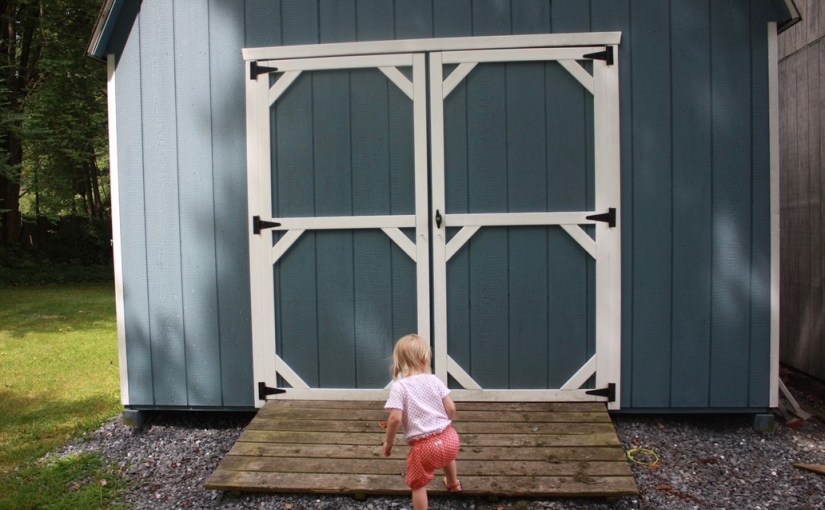
When our kids are little, we give them those brightly colored plastic replicas of lawn mowers, weed whackers and leaf blowers. Many times our kids love to store their pint-sized imitation power tools right next to the real thing in the backyard toolshed.

We would never give our kids the real deal power tools until they are old enough and mature enough to use them with great care and skill. But we do plant the seeds that they will be quite capable to use the real tools in the future.

What we know now that is backed by advances in science and psychology is that for far too long is that most of us were only taught to use a hammer to fix just about everything. But a hammer and duct tape do not build strong relationship foundations and deep connections.

As we begin to incorporate more advanced relationship tools into our daily lives, we reinforce the positive benefits we reap – and we also teach by osmosis how effective sophisticated power tools truly are – in the long run.

Think about using the mental image of a magical toolshed full of dynamic power tools that are fun to use and get the job done right the first time. We can all build that kind of toolshed, well equipped with sophisticated tools and skills easily accessed each and every day.

What motto would you put on the sign that hangs over the door of your sophisticated toolshed?

BREAK FREE FROM A VICTIM MINDSET: June 6th, 2025 episode with Scott Barry Kauffman. Prepare to be amazed at how often we get trapped in our own victim mindset. This dynamic conversation will shift you quickly to an “empowering mindset”

A Slice of Life

Did you know that the phrase “a slice of life” is actually a storytelling technique? Who doesn’t love a good story? There’s magic in stories that we find so inviting and irresistible.

When someone walks in the front door and says “wait til you hear what just happened”, we drop what we are doing and are all ears. A good story captures our curiosity, interest and attention.

It is these little “slices of life” that we share with each other throughout the day that do wonders. When we hear these stories, we come to see how familiar and normal so much of daily life really is. Everyone has issues, makes mistakes, gets embarrassed, acts silly, falls short and rises to the occasion.

When we offer each other “a slice of life” we tap into our shared human experiences. We help each other make sense of things that currently aren’t making any sense. We offer lifelines, rays of hope and footholds to see us through our challenges. We celebrate the wins, the growth spurts and the mile markers.

Our shared stories help us normalize many of the common human experiences that unfold on a daily basis and help us feel less alone in what we are experiencing. It is all too easy to gaze out our windows into the lives of others and tell ourselves a story about how smooth their life seems to be going while ours is falling apart.

We shatter that false image though when we run into our neighbor at the grocery store and she shares a relatable story about being out of milk for the pancakes her kids were craving, even though she just went for groceries yesterday. Standing there with our arms full of bread, eggs and coffee cream, we laugh along with her because we are in a similar predicament. How unexpected to be offered a “slice of life” to go along with our purchases. What had been an exasperating quick trip to the local market had a silver lining. We leave a little better fortified for the rest of the day thanks to that simple exchange in the checkout line.

Ironic isn’t it – how we all feel like we are alone in the trials and tribulations of life? Yet a single, relatable story told to us by a stranger or a friend snaps us out of this hazy myth.

What the world needs now is more stories. Brene Brown told us this decades ago. She told us that data needs stories to bring it to life — otherwise it is just facts — charts and graphs. The real life stories add backstory, personal history and lived experiences to the sensationalized soundbites we get from the news. The raw facts come to life with stories. A slice of life beats a pie chart any day of the week.

I recall a lecture from an economics professor years ago who used slices of life to teach that statistics were not just numbers and graphs — they revealed insights into the people who drive (and are driven) by the economy. He told us to look behind the numbers for the human stories. His real life examples turned dry data into compelling relatable stories that made his teachings and our learning really stick. To this day, I still recall that lesson — and it is a big reason why Brene’s call for “more stories” really resonated with me.

Stories build bridges in a variety of ways. Stories can bridge the past and the present so that we can learn the lessons without having to go through it ourselves. Ryan Holiday, author of The Daily Stoic, is a strong proponent of learning from others through story – whether it is ancient or contemporary history, business wins and fails, or people who’ve overcome tragic adversity. Stories help us build a better framework for our own problems and opportunities. History that bridges the past and the present gives us a blueprint for the future.

Another way that stories build bridges is helping us to gain insight and understanding about societal norms that shaped prior generations beliefs, behaviors and actions. In his book, The Daily Laws, Robert Greene, puts a spotlight on this by reminding us that “People were experiencing their present moment within a context that made sense to them. You want to understand that from the inside out.

Robert Greene tells us that the optimum way to fully comprehend the past is to make it come to life, to re-create the spirit and conditions of the time, to tap into the subjective experience of the storyteller. We can use our imagination to take us back in time and feel what it might have been like to live in that time period. It’s quite likely that you will do this without a second thought when you watch a holiday movie such as A Christmas Carol, It’s A Wonderful Life, or even How the Grinch Stole Christmas.

When we are listening to a story, we are opening up our natural curiosity and our imagination. Without even being consciously aware, we are feeling parts of that story too. Storytelling shifts us from being judgmental and close minded to surrendering to the magic of story. We begin to make connections and discoveries through empathy, sensory perception and our own emotional responses.

Watch a grandparent telling a story to a grandchild and you will see this magic unfolding. Often the grandparent will get down on eye level with a child or draw them into their lap. The opening line is probably not “once upon a time”, but more like “let me tell you about a time I fell off my bike”.

There is an instantaneous connection over a common shared experience. When a grandparent tells a good story, they are weaving their own real life experience into that of their grandchild’s — and offering the wisdom that small child needs to feel better, to realize how common that bike fall really is, and to have faith that they’ll have a lifetime of skillful bike riding ahead of them. The loving grandparent has just offered a slice of life through the magic of a good story.

So what is this “magic” embedded in story? Why is storytelling such an effective technique for imparting wisdom, sharing life lessons and reframing age-old conundrums? The answer is that we humans are hard-wired for story. We use story to make sense of our experiences and to give those experiences meaning – and we do it from childhood all throughout our lifetime. The magic is how our brains get activated by a story.

When we listen to a story, multiple regions in our brains come online and light up. This allows us to “live” the story we are hearing through vivid imagery, emotional engagement and sensory perception. Hormones such as oxytocin are released so we become awash in empathy and relatability.

We also experience neural coupling, where our brain and that of the storyteller actually synchronize. This becomes the mirroring that we humans do for each other. Watch a mother and her baby and you see this neural coupling in action. We get the same mirroring effect during storytelling — we reflect back to each other what we are feeling and experiencing. It is a brain connection that also makes a heartfelt bodily connection.

Mirroring may sound like new-age neuroscience lingo — yet it is hardwired into us humans. It is a phenomenal tool for emotional regulation. A mother can up-regulate her fussy baby to a happy state using facial expressions and cheerful tone of voice. She can down-regulate her baby into a calm state before nap time with a soft-toned, soothing lullaby. We do this mirror processing without a conscious thought as we listen to the stories our children, spouses and friends tell us. It is a fluid process of reflecting back and forth, validating how someone feels and acknowledging that we understand. We might even share a similar story of our own. We create bonds of trust and acceptance through mirroring.

So now you know where the magic in storytelling is coming from — it is coming from our brains and bodies as we “synch” up and absorb the encompassing, rich context offered by the storyteller. It is a shared human experience.

Storytelling is one of the most effective ways to teach and learn. It is how ancestors passed knowledge about culture and heritage from one generation to the next. It is how wise sages impart wisdom through parables and fables — offering us a poignant “moral to the story”. Stories are how we preserve precious memories of loved ones we’ve lost and keep them alive in our hearts.

Perhaps most importantly, it is the small “slices of life” storytelling that really nourish us on a daily basis. When we are offered a slice of life, our brains get activated in the best possible ways. As we listen to our child tell the tale of a food fight in the school cafeteria, or our spouse unravel the details of tense work project – we are making neural connections and building bridges in our relationships. We are synching up! What an antidote to all the disconnect we get from having our faces in our devices.

We get micro doses of empathy, curiosity and fresh perspectives with each little “slice of life” we hear or tell. Our small stories help us see each other in all our technicolor glory — as we reflect back and forth, the normal realities we all face. Some days we are the windshield and some days we are the bug. Our colorful, animated, entertaining stories help us understand and relate to each other much better.

Brene Brown is right — we need more stories. We can bridge divides, build a better future and find acres of common ground through storytelling. Offer a slice of life to others whenever possible. And when someone offers you a slice of life, savor it!

NOTEWORTHY RESOURCES:

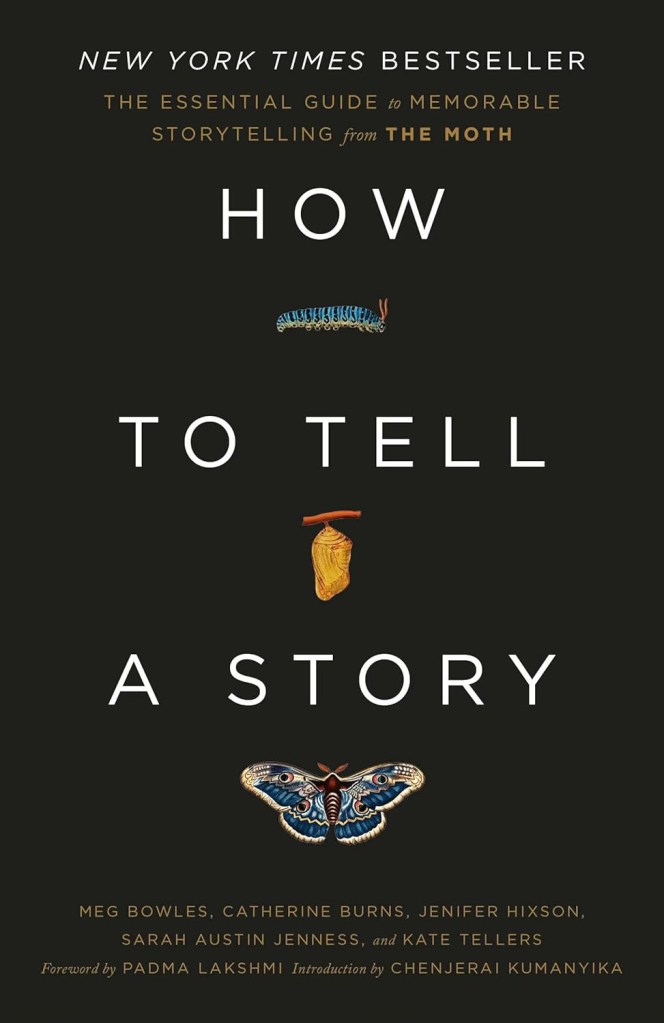
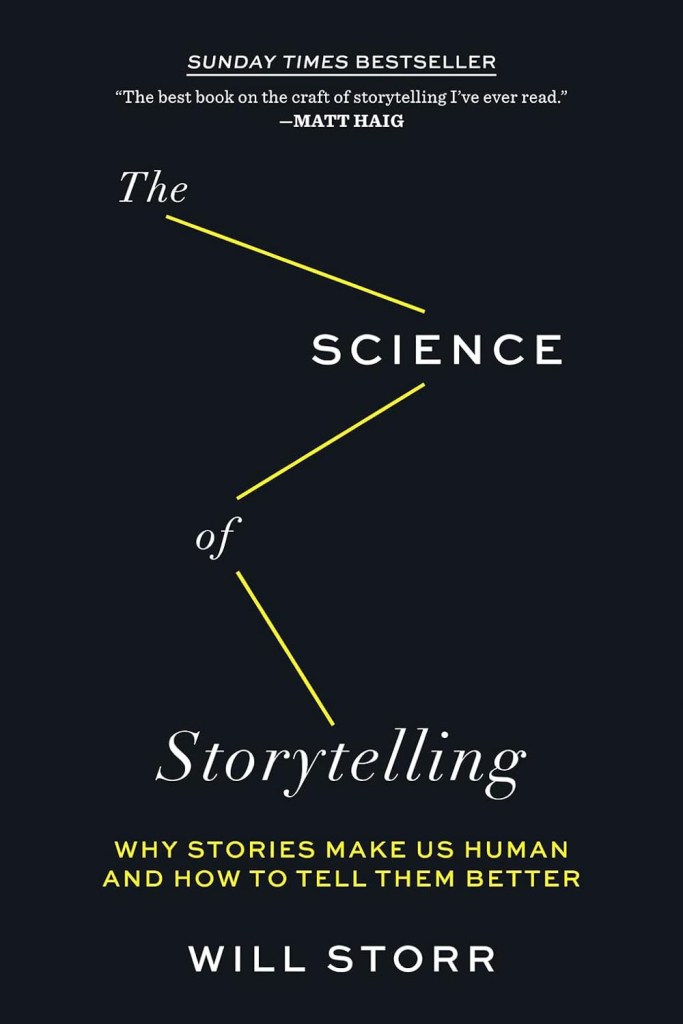
NEW YORK TIMES BESTSELLER • Now in paperback and featuring new material, the definitive guide to telling an unforgettable story in any setting, from the storytelling experts at The Moth

“From toasts to eulogies, from job interviews to social events, this book will help you with ideas, structure, delivery and more.”—CNN
Award-winning writer and acclaimed teacher of creative writing Will Storr applies dazzling psychological research and cutting-edge neuroscience to our myths and archetypes to show how we can write better stories, revealing, among other things, how storytellers—and also our brains—create worlds by being attuned to moments of unexpected change.

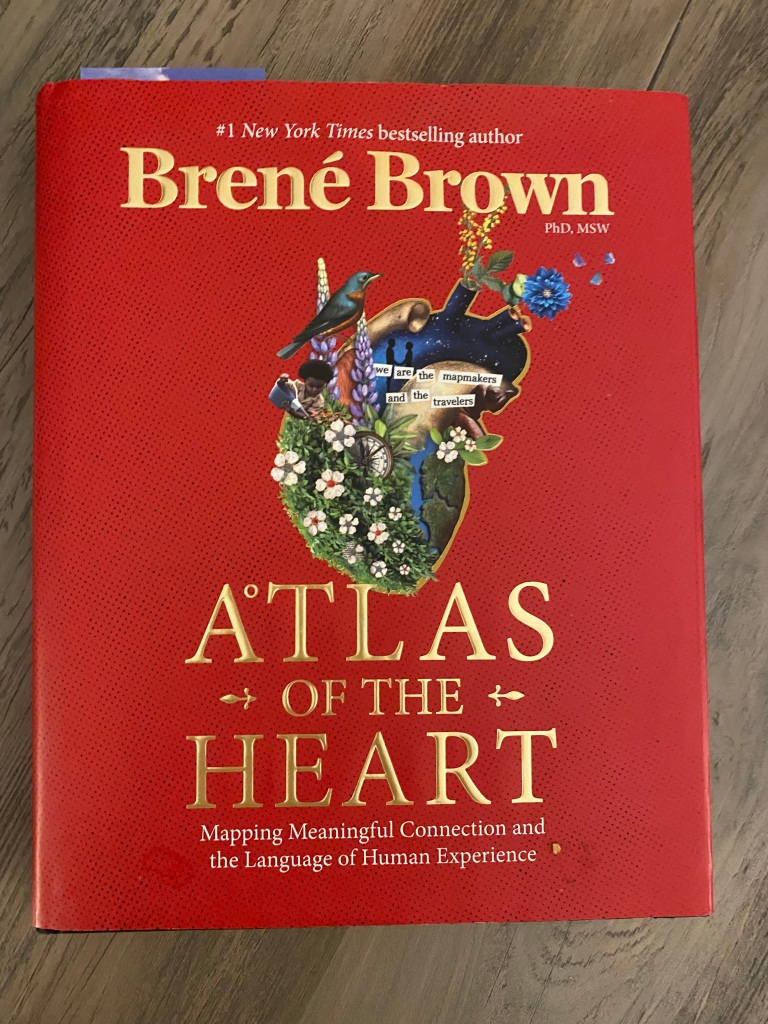
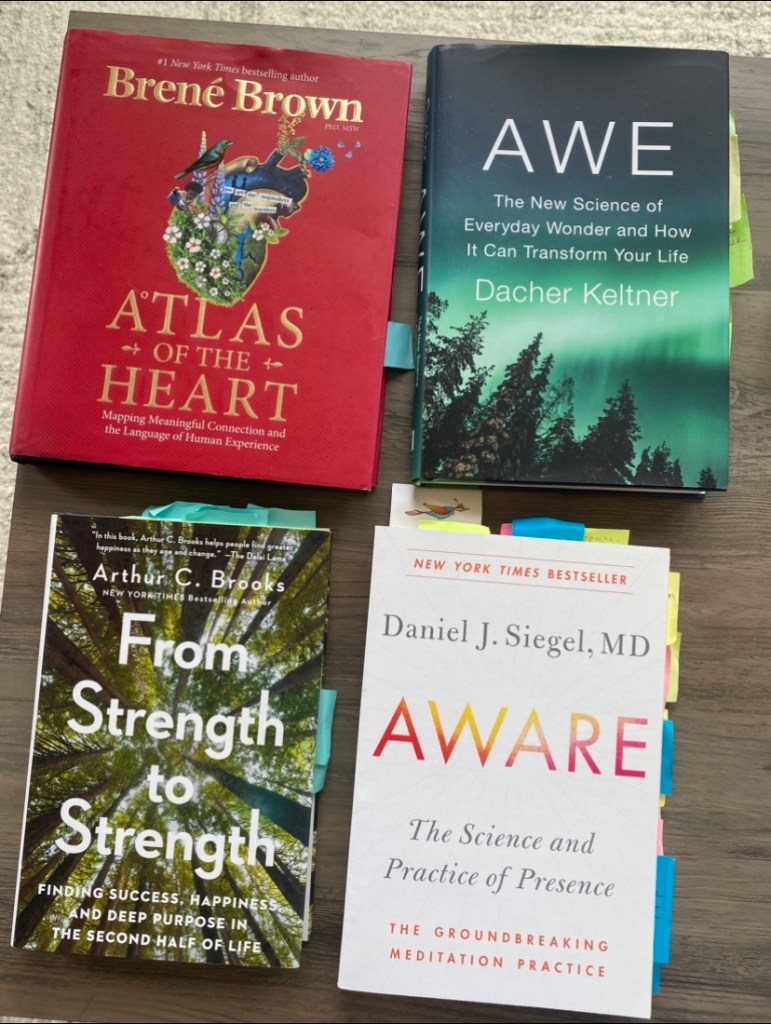
Brene Brown’s Reference book on 87 common emotions and experiences is the perfect resource for discovering “the places we go” and “the stories we tell ourselves” in everyday life.

Self-Discovery & Sturdy Leadership

It was a handwritten note in an unexpected thank you card that opened my eyes. As I read what was written just for me, I had a realization that how my family member saw me and how I saw myself were one and the same. I was completely caught off guard by this moment. It was a graduation day for me too. Eight years of investing in self discovery and personal growth culminated in this moment where someone on the outside saw who I am on the inside.

How often do we reach a major milestone in our lives — get that diploma or promotion — and fail to synthesize how all that hard work, discovery and new information truly shapes us? To “synthesize” something means to “combine a number of things into a coherent whole.”

Perhaps that is the ultimate goal of self discovery and personal growth work – to take apart and rebuild a better framework and foundation for ourselves. The kind of framework that enables us to be consistent in who we are and how we show up regardless of the role we play or the company we are keeping.

Modern lingo calls this “being our authentic self” which sounds just a little too woo-woo and gauzy; a bit like having a fairy godmother wave a magic wand and we are instantly transformed. No wonder people get the big idea that it just means showing up unfiltered and fearless about being our raw selves. Children are authentically themselves and we all know the challenges that both kids and parents face.

We use the word “work” in association with personal growth, self-development and emotional regulation because it is work. We do have to learn how to use tools and skills instead of defenses and coping mechanisms. We have to practice these new tools in all kinds of situations in order to become skillful in all our human interactions.

It’s time we reframe self-discovery and personal growth as a fundamental stage in our adult development. It is a pivotal time to step back from the memorized patterns of behavior we learned in childhood and swap them out for fluid, flexible and healthier responses to life. A key aspect that is often overlooked and under-discussed is that we can “synthesize” what we learn about ourselves while we fold in better skills and tools.

Have you ever wondered why friends or colleagues see you so differently than your family members? Get your pick axe out and chip away at the obvious: Are you more “you” with them than you are at home? At home, do you feel like you have to make others happy, keep the peace and not speak up when you really want to? Are you more at ease with friends or at work in having hard conversations and speaking your truth?

In the self discovery process, we often find that we are more our “authentic” selves with some meaningful and mature filters when we are at work or with friends. Clearly we can do this — show up as our better selves and work harmoniously together.

The graduate level of self discovery and personal growth work comes when we start to practice our self-awareness and better skills in our most sacred relationships. This is not for the faint of heart.

We’ve all heard the profound wisdom that the only person we can truly change is ourselves. Yet bringing a changed version of ourselves into our family units is scary business. Each member of our family is quite familiar and even comfortable with how we are, how we show up. They are comfortable with our “unfiltered” self even if it makes them very uncomfortable. Our brains are prediction machines and our bodies are well trained to respond to familiar behavioral patterns. We memorize the patterns of anger, frustration, fear and dis-regulation of our family members and we rely on fight, flight, freeze or fawn to help us cope. It’s a comfort zone when we are in discomfort.

Think of this whole delicate dance like a game of Parcheesi — we just want to get to “safety” as quick as possible — and to allow our nervous systems to calm down. It is in this supposedly safe space that we make up a story to make sense of what just happened. It is also where we confirm (and memorize for future use) what worked.

When a child experiences a dis-regulated parent, they quickly learn what works to calm that parent. Feeling safe with the one person who is supposed to take care of them becomes paramount. The root cause of our unhealthy coping skills and dysfunctional behavioral patterns is from daily exposure and experiences of adult emotional dis-regulation. We humans co-regulate each other. But we should not be expecting our children to do the heavy lift of managing our adult unchecked emotions.

Take note of the reactions and behavioral patterns that you unconsciously fall into with your family members; and contrast that with how you respond in a similar situation with a stranger. Where are you most in control of your emotions and skillful in your responses? Most of us will agree that we act with more calmness and clarity when we are NOT emotionally triggered or intimately invested.

Our family members give us the greatest challenges and the biggest rewards when we are working on self-discovery and personal growth. It is the truest test of our ability to shift into a “sturdy leader” role for the people we love unconditionally. Like parenting, it is the hardest job we will ever do — and the most rewarding when we meet with success.

Remember though that our family members are very familiar with our old ways of reacting and behaving, so when we change and try new skills and tools — we have to be prepared for some pushback. It is not just our own pattern of reactive behavior that we are changing. It is also how that change messes up the memorized prediction process of our family members.

We don’t have a fairy godmother for this dichotomy either. We have to remain steadfast in our self control and courage. We are in this for the long game – and it will take tenacity and practice to stay the course.

This is why I like the term “sturdy leader” so much better than “authentic self”.

Ryan Holiday, author of the Daily Stoic, grounds us in this concept by reminding us to ask one big question before we react: “Given my current role, how can I contribute in a positive way?”

When we are at work or with our best friend, this happens so automatically that we don’t even need to think about it. We intuitively know that our role in these moments is to help others be successful. We offer support, scaffolding, empathy and calmness with remarkably fluid ease. We are not just authentically ourselves — we are sturdy leaders.

Dr. Becky Kennedy uses the term “sturdy leader” as a substitute for “parent”. Again, she uses a term that grounds us immediately in our current role. As a parent, we are incredibly careful to make sure our child receives the best environment to be successful when we choose a babysitter, a coach, a teacher or a camp experience. Dr. Becky reminds us that we have young children with developing brains that simply aren’t capable of emotional regulation yet. We are the training wheels for those little developing brains. Yet so often, we are not scaffolding our kids with some training wheels — we are simply showing them that we lack discernment and control too.

Imagine a set of cookie cutters handed down from one generation to the next. Patterns, if you will, that have worked for centuries to handle emotional outbursts and dysfunction. They are now rusty and misshapen, but we still use them. Doesn’t anyone want to get more creative with a dynamic new cookie shooter? We have better tools and resources available today for parenting (i.e. sturdy leadership) based in psychology and neuroscience. They are safer, healthier and more productive (just like car seats and bike helmets).

The goal of self-discovery and personal growth work is to become a consistent, sturdy leader. To synthesize who we truly are in all aspects of our life – and most importantly, in our relationships.

To synthesize means to combine and make a coherent whole. When we are invested in doing our personal growth “work” we are combining the best attributes of ourselves with healthy relationship skills and tools. Yes, we are our authentic self – but with diplomacy, integrity and values as guardrails. We are more grounded in who we are becoming – a consistent and sturdy leader.

When we can be more fluid stepping into our various roles — without shape shifting, people pleasing, and negotiating for our value — we strengthen the parts of us that we love the most. We bring the best parts of ourselves to the foreground. We are anchored in emotional integrity. This is how we become practiced in showing up consistently no matter our role and who we are with at the time.

Like anything worth pursuing, self discovery and personal growth require discipline, courage and daily practice. Too often we shy away from the opportunities to test our progress that is presented to us every day with the people we love the most.

Imagine what might happen if we had a family meeting and mapped out a fresh approach to helping each other with self discovery and personal growth? Even the kids would welcome this change. We can all be sturdy leaders for each other — and especially in families, because we get to practice taking turns doing just that. Some days we are better equipped to be the sturdy leader than others. Every family member gets opportunities to participate and practice new skills and tools. Rather than memorizing and mimicking old cookie cutter behavioral patterns, we get front line practice in meaningful life skills in the safety of our own home with the people who love us. This is the better framework and foundation we want to be giving each other. Sturdy leadership for every role we have in our ever-changing lives no matter the stage of life we are in. A nugget of wisdom here: teachers and students learn from each other; it is miracle grow for better responses to life.

Most of the trusted resources that I turn to for self discovery and personal growth work, will openly confess that this a lifelong process and one that only atrophies if we aren’t putting in the daily practice. Ryan Holiday says that parenting is one of the richest environments to test our mettle. In fact, he has Dr. Becky Kennedy’s book, Good Inside, at the top of his recommended reading list in his own bookstore, The Painted Porch.

It turns out that this “work” is as beneficial and rewarding as the workouts we do to stay physically fit. We know that we are up to the challenge when we are physically fit — whether that challenge is competing in a 10K or running across a busy street to grab our child chasing a ball.

Ryan Holiday urges us to be proactive and be at the ready when it comes to how we handle life and our relationships. Do the work — every day, he advises. Make self discovery and personal growth a priority so that you can be the sturdy leader your family, friends and colleagues every single day, in a variety of situations.

This brings me back to that handwritten card. The reason that it opened my eyes to the dividends that come from doing the “work” and putting in the daily reps, is that it felt like validation. The work is having positive impacts and is bringing me closer to being my true self no matter who I am with and the experiences we share.

I want this incredible feeling for everyone – a consistent and steady ease of being ourselves and being a sturdy leader for others.

The Daily Stoic – Ryan Holiday https://dailystoic.com/podcast/

Dr. Becky Kennedy hosts her own podcast, has authored this book, Good Insider and has recently launched the Good Inside App. Her work and all her resources are changing how we parent and become sturdy leaders in all our relationshipshttps://www.goodinside.com
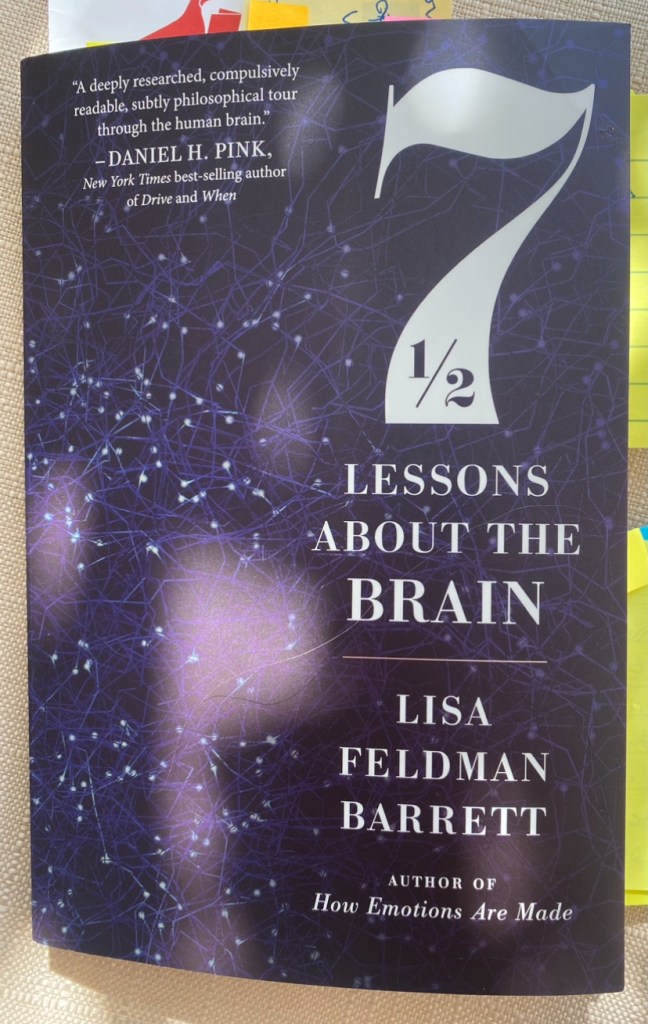
Dr. Lisa Feldman Barrett gives us this quick read that explains all about our brain’s prediction processand how to vastly improve it.

Connective Tissue

A few years ago, I started to notice that the more I was really getting to know myself, the greater my curiosity about others. Even when I watched a Netflix series or read a compelling fiction book, I found that I was more empathetic with the characters and their backstories. Truth to be told, I discovered that I could see parts of my own life reflected back to me in their experiences and reactions. It was also easy to see the patterns of cause and effect that we messy human beings bring to our relationships.

It dawned on me that I was now engaging with books and shows on a deeper level and I loved it. I was able to feel and relate to so many characters almost as if I knew them personally. The story lines and plot twists of shows like This is Us or Parenthood were intimately familiar. Some felt like they had been pulled right out of my own family history. It was easy to readily identify with characters and events because I too “have been there”.

Conversations with some of my closest friends revealed that the same thing was happening for them. As they deepened their own self awareness, they too were more intrigued by the complexity of their favorite characters in a book or tv series. They could recognize blind spots and insecurities that contributed to missteps and bad decisions.

Discussing episodes of these shows with friends was much like being in book club with a fascinating twist — our focus was on the whole of the family dynamics and how one issue could cause a cascade of varying problems amongst the family members. We could clearly see the through line that ran from childhood experiences right into the adult lives of each family member.

These mini series became a classroom for recognizing familiar behavior patterns and coping mechanisms. We got a zoomed-out view of how complicated families are. We gained a deeper understanding of what drives people to make some of the choices they do; again, because in many cases, we too “had been there”.

While my friends and I laughed that it is easy to recognize the many fault lines in family dynamics when we simply watching a show, we did agree that we gained from observing the bigger picture. These programs give the viewer a different vantage point; we get an abundance of nuance and context from so many different perspectives and experiences. That is rarely the same lens we use in our own complex family dynamics.

Perhaps the biggest takeaway is that we rarely know our family members as well as we think we do.

Another is that we rarely know the “whole” of each other.

I titled this blog post “connective tissue” because that is what we are growing and strengthening when we become cycle breakers and agents of change.

I am a firm believer that replacing that tightly woven yet constantly unraveling fabric of complicated family dynamics with healthy “connective tissue” is the ultimate safety net for our families and relationships.

Dr. Michael Gervais (one of the world’s top high-performance psychologists) shares this wisdom with us: “To lay the foundation for a strong sense of self, the prime dictum is to not focus on the self. The way to do this is not to think less of yourself, but to think of yourself less often.”

The real value of personal growth and self discovery happens in relationship with others. When we truly get to know ourselves well and change how we show up, that’s where meaningful change occurs. When we take Dr. Gervais’ advice to heart, we build a strong foundation of who we are and who we wish to become. We pay attention to how we get unmoored from ourselves in our relationships with others.

This is a giant step in building healthy connective tissue. It’s sticking to our core values and getting more consistent in behaviors and skills that match who we want to be. We can cultivate greater self awareness about how we show up at work vs. how we behave at home, how we act with parents and siblings vs. our own kids and friends. It’s exhausting to shape shift and adapt to all these different relationships if we are constantly matching the environment instead of who we really are at the core.

So often in the self help space, we are told to shed outgrown behavioral patterns that we learned in childhood. Yet they are second nature to us and fit like our favorite pair of comfy jeans. Eventually a good friend or our spouse is going to tell us that it is time to ditch the well worn jeans — they look terrible, no longer fit the body we now have and surely don’t match who we are today.

The same is true with childhood coping skills and poor emotional regulation. They are just old jeans that need to be tossed and replaced with something that makes us feel like a million bucks when we put them on. And while the jeans become a staple in our wardrobe, we can dress them up or down depending on what we are stepping into. Our strong sense of self is that great pair of new jeans. The jacket, the hat, shoes or other accessories are all the skills and tools we use when stepping into relationships with others.

A strong sense of self is our core foundation for everything we do and all the relationships we are in. We become more consistent in how we show up whether we are at home, work or community. When people describe us to others, they capture the essence of who we really are — across all our relationships.

A core reason why family dynamics are the most challenging is that we have a long history of shape shifting, people pleasing, shrinking or puffing up to get our needs met and to also feel a sense of belonging. One false move and we become an outcast. Misunderstandings, rifts and estrangements are so commonplace for this very reason.

Remember that takeaway from the mini series I mentioned above — We have no idea of all the nuance and context of our family members unique emotions and experiences. If we don’t even know ourselves well, how could we possibly know others? And if we are all donning different behavioral patterns to “make things work”, it’s unlikely anything actually stands a chance of working.

A little perspective here: Even if your sibling is only two years older or younger than you, their childhood experiences can be remarkably different. First of all your parents were not the same that they were when you came into the world. They learned a lot from raising you and they adapted in a lot of new ways. What might have changed in your parent’s lives in that time span? Job change, relocation, loss of a parent, health issues, financial struggles? Life events have an impact on parents and kids. If there is a five year or greater age difference in siblings, then essentially it can be like being raised in two remarkably different families.

Healthy connective tissue for family dynamics has to replace the old tangled web we weave by losing ourselves in multiple identities. No wonder our relationships are so complicated.

Our sense of self, our identity, gets shaped and molded like Playdoh when we are growing up. By the time we reach adulthood, we’ve been cut, pounded, stretched and kneaded so many times that we have a hard time figuring out who we really are. It’s unfortunate that most of our self worth and self identity is under constant scrutiny and subject to change at any given moment throughout childhood.

“The world will ask you who you are, and if you don’t know, the world will tell you.” — Carl Jung

Being a change agent and breaking generational family cycles, starts with us. Once we free ourselves of behavioral patterns that keep us stuck, we have more wiggle room for self discovery — and to forge the identity we truly want. We can spend our energy on getting consistent with who we are, rather than exhausting ourselves to fit in.

We need to get very clear on our own identity and self worth. Again, this is a familiar refrain in psychology and the self help space, but it is not cheap talk. It is only when we know our worth and what is critically important to us that we can use a relationship tool like boundaries. Boundaries help others recognize how we want to be treated. Every time you set a boundary, you are getting clearer with yourself about your value and worth.

For the record, when we use boundaries in parenting instead of punishment or dismissive attitudes, we are leading by example. We teach our children not only how to treat us and be respectful, but also how to use this invaluable tool in their own lives (both when they are young and when they are adults).

The fear of other people’s opinions is yet another detriment to really getting to know ourselves intimately.

Most of us lived in this thick fog of other’s opinions all throughout childhood; especially with those old parenting models that did not integrate emotions into our experiences. Kids were told they were too much, too sensitive, too bossy, too timid. First and foremost, we were labeled by behaviors and those identifies stuck with us. — you’re a jerk, you’re a good girl, you’re perfect, you’ll never amount to anything. Secondly, we had to wrestle with these assessments of who we were while trying to figure that out for ourselves. Most of our childhood behavioral patterns and coping skills are rooted in the “fear of other’s opinions” – at home, in school and beyond.

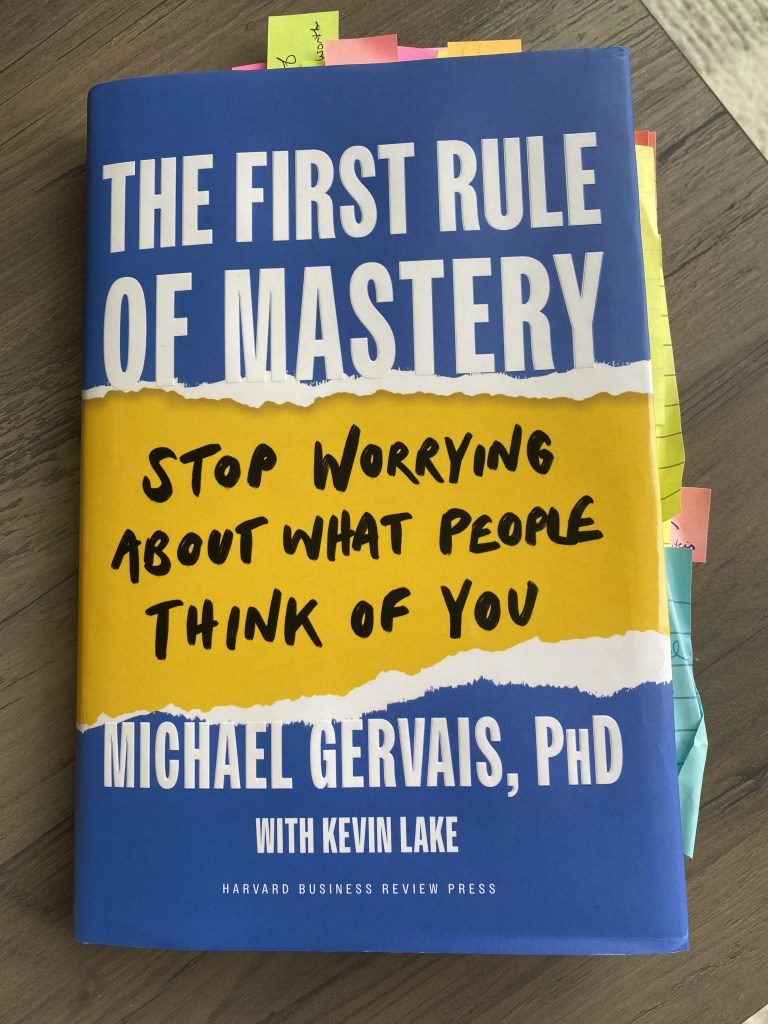
“Identity is our subjective sense of self built on our experiences, beliefs, values, memories and culture. It’s a set of physical and psychological characteristics that is not shared with anyone else. Often derived in relationship or comparison to others, our identity provides a framework to better understand our place in a complicated social world. “ — excerpted from the book The First Rule of Mastery by Dr. Michael Gervais.

“When we have fused ourselves to an identity that is not true to who we are, or to an identity that’s too narrow to contain the whole of who we are, or to an identity incapable of incorporating new information and growing, the opinion of another can feel like an assault where our survival is at stake.” – excerpted from The First Rule of Mastery by Dr. Michael Gervais.

When you let these two excerpts soak in, you can see why we get so confused about who we are. The first excerpt addresses how we make sense of the world when we are kids. It is a private internal narrative we create about who we are. We create it when we are young and powerless and that identify feels vulnerable and in need of protection even when we are older.

The second excerpt reveals why we develop coping skills and behavioral patterns. Our identity does leave us vulnerable to the slings and arrows of other’s opinions so we develop armor to protect who we believe we are.

It’s that armor that gets in the way of us really knowing who we are; and it gets very complicated by the fact that we keep returning to home base to figure it out. Yet, that identity we created at home when we were young no longer feels like it fits who we’ve become.

Without honest self-awareness, it is incredibly hard to see how we stay stuck in an identity we’ve long outgrown and how we stay trapped (especially in our families) in old limiting beliefs about who we are.

We are not the same person we were when we were 5, 10 or 15. We are works in progress throughout our entire lives. A pivotal shift in our mindset around our personal identity is to recognize and embrace this.

We change over time and that is a marvelous thing. We are not forever stuck in an old story, or shackled to a troubled childhood, or doomed to relive an old trauma like a recurring nightmare. We would never want this for our children. When we get clear about who we are, we can parent from our most authentic sense of self. It frees us from protecting our kids unnecessarily from the things that once had a big impact on us.

Just imagine the positive difference we are making for younger generations, when we steer them clear of the pitfalls that derailed us from building the life we wanted. Today we have better life skills and relationship tools to teach them. We have a much-improved parenting model and are integrating their emotions into their developing complex brains. We are validating each other’s emotions and experiences which is the preventative medicine for suppressed emotions and unprocessed trauma. We recognize that rupture and repair strengthens our relationships and builds enduring trust. In fact, we normalize the fact that ruptures happen in life and we have a responsibility to repair our most valued relationships. We are learning the integral role body budget plays in our daily lives and the importance of sleep for our brain health.

Most importantly, we can help our young people develop a strong sense of self and be the scaffolding they need through all the growth spurts and life changes they will surely have.

This is an extensive list of key components of “connective tissue” for our families. It’s so much more beneficial than what most of us experienced — because we don’t put each other in boxes, but rather we give each other room to grow – with a big safety net underneath. We encourage each other to explore, discover, stretch, try new things, experiment — with the confidence that they can express themselves honestly and will have the support and guidance they need and deserve.

Dr. Michael Gervais has a nugget of wisdom that he shares on his Finding Mastery podcast that serves as a core reminder for the changes we want to make: No one does it alone.

If you struggle with FOPO –the Fear of Other People’s Opinions, you will love this book. Check out Michael Gervais podcast too — Finding Mastery


LISTEN TO DR. ANDREW HUBERMAN’S CONVERSATION WITH PARENTING GURU, DR. BECKY KENNEDY, author of Good Inside This Episode is entitled Protocols for Excellent Parenting and Improving Relationships of All Kinds https://podcasts.apple.com/us/podcast/huberman-lab/id1545953110?i=1000646851810
If you are unfamiliar with Internal Family Systems, you might be surprised to learn that it is all about YOU not your whole family! Discover all the parts of you that have something to offer about what is most important to you and how to best take care of YOU!

The More We Share, the More We Discover

I have been keenly observing how interactions and conversations have been shifting in profound ways over recent months. It is with great enthusiasm that I am sharing with friends, family and my book club about my experiences while traveling. From Uber drivers to seat mates on planes, hospitality staff, new neighbors and a helpful UPS business owner, more people are sincerely plugged in to self-awareness and personal development. It’s astounding how we’ve shifted from shallow “how’s the weather” conversations to more in-depth and meaningful ones where people are sharing their remarkable personal stories.

I can almost feel the needle and thread stitching together a new tapestry, weaving our own stories and experiences into the bigger picture of others. It feels good to have these rich conversations and to be learning so much.

Some of my most fascinating conversations have been occurring in the self help section of book stores. I’m drawn to book stores — whether it is my local independent one, Quail Ridge in Raleigh NC, or the one my family visited in Scottsdale on vacation, the Poisoned Pen. On a recently layover in Chicago, I hopped off the plane and went straight to Barbara’s Bookstore in the bustling terminal where I ended up having a 45 minute conversation about Outlive and Dr. Peter Attia.

If I had a nickel for every time someone mentioned Andrew Huberman and his podcast, I could fly across the country multiple times.

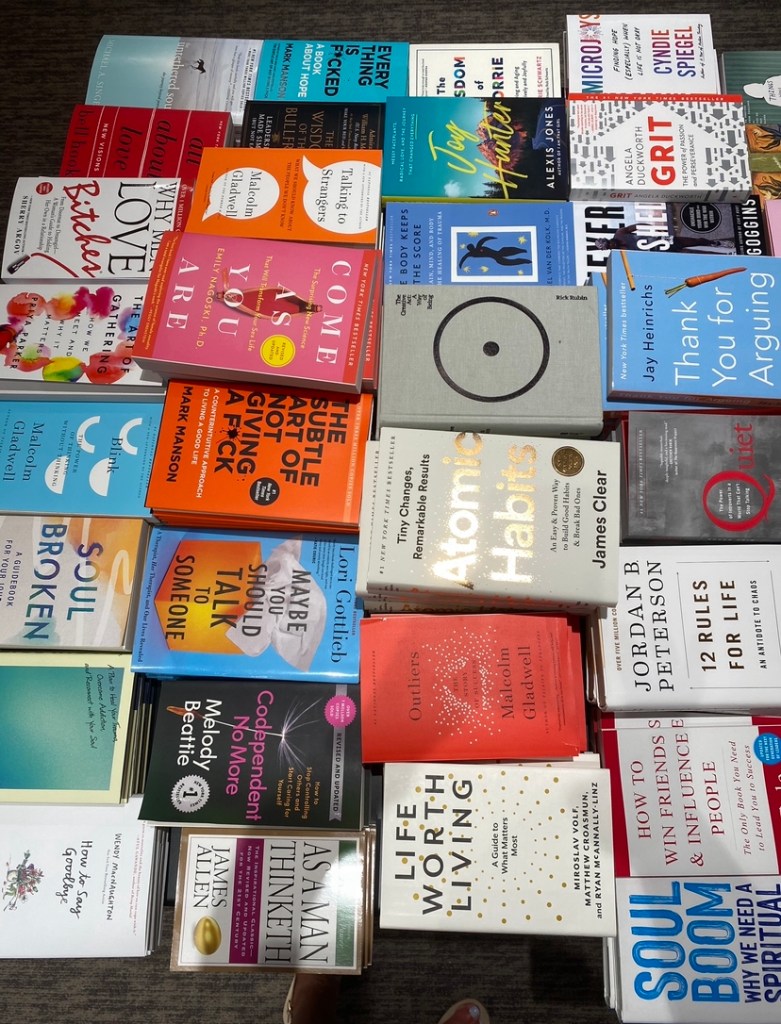
I confess that I make a beeline to the self help or parenting sections of book stores — eager to see if there is something new to learn and perhaps more enthused to see who is browsing those sections. It’s so uplifting to see young parents, grandparents, mid-lifers, couples and singles all choosing books to help them navigate wherever they are in life. A smile stretches across my face as I take in the transformation that has occurred in the self-help section of bookstores.

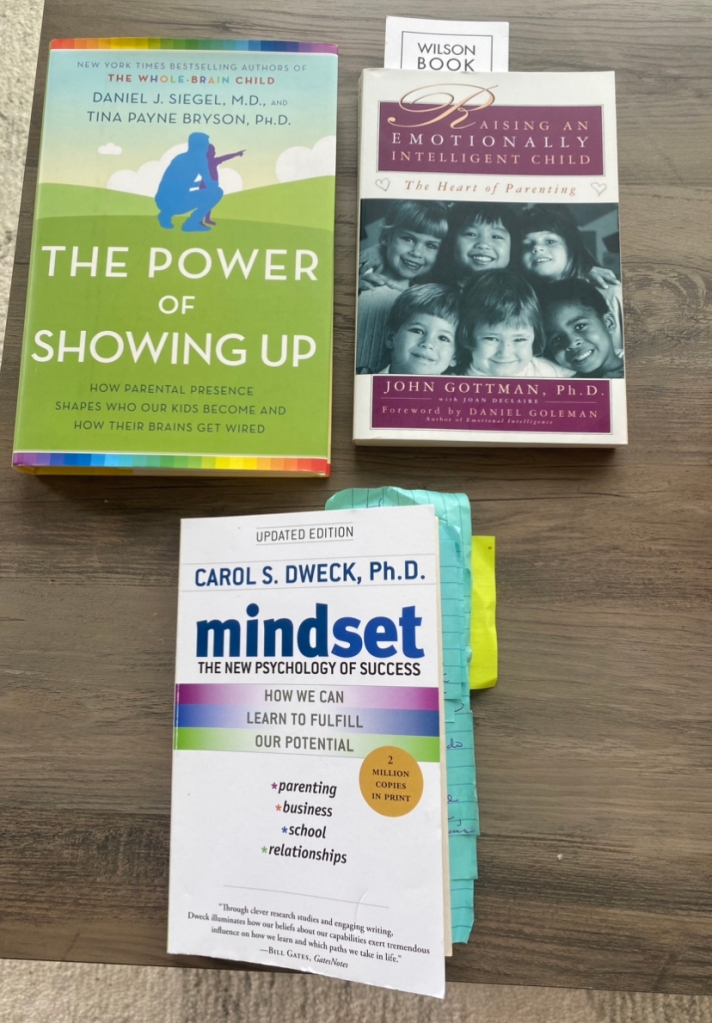
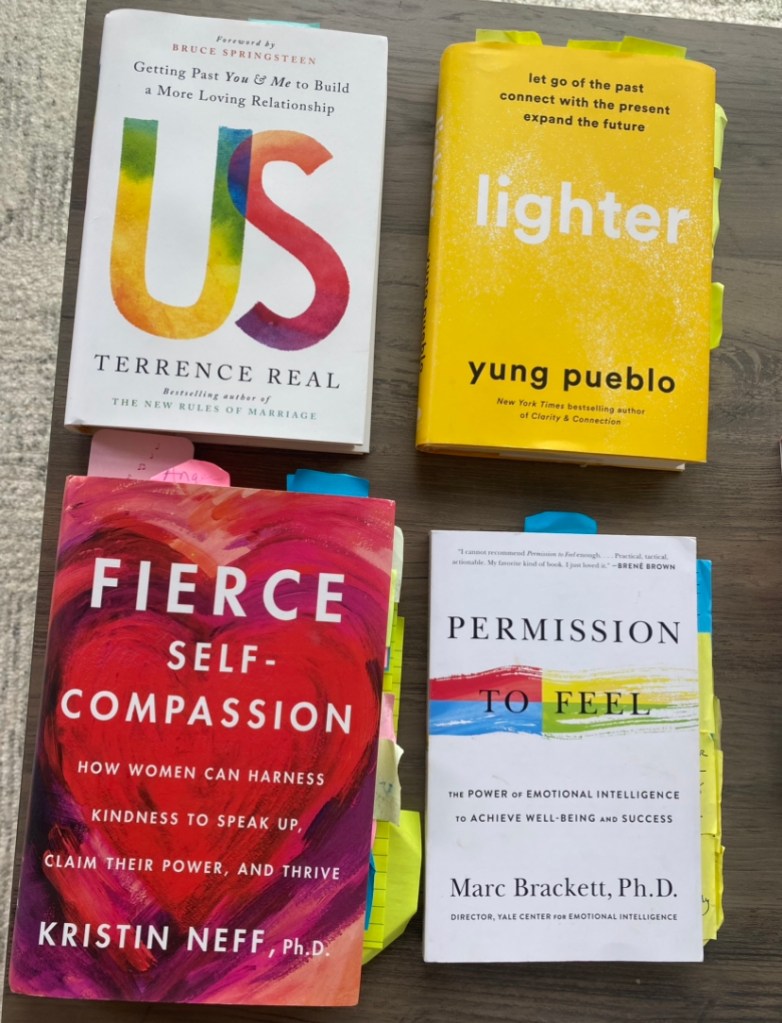
Inviting tables of colorful books with intriguing titles pull us in like magnets. To me, these books fit together like pieces of a complex, compelling puzzle. It is not at all surprising that subjects like parenting, mindset, awe, emotions, grief and longing, relationships, atomic habits, boundaries, longevity, purpose and neuroscience are all landing on the same table.

All of these varied subjects are intrinsically connected. We want better relationships — with our kids, our partners, our friends and extended family. We want to know ourselves better. Now we know that the work starts with us, that our emotional health is integral to our overall quality of life and that it needs the same attention as our physical health.

Just a few decades ago, many of these amazing books and resources were segregated; psychology, mental health, diets and exercise, how to guides, hard to understand neuroscience, Buddhist meditation. Then all these various modalities and fields began to intersect — and suddenly authors, researchers and podcasters were quoting each other’s work and having each other as guests. They began to “connect the dots” about our human need for connection. They began to see how all their independent work and findings were actually linked together.

It seems that “overnite” there has been a great convergence of all the individual pieces coming together to form one incredible, dynamic “big picture”.

The best part of our “overnite” awareness is that it is out in the open with all the personal growth and self discovery work that needs to be done. That is so evident in these amazing conversations I have been so fortunate to have with all kinds of people — in the bookstore, on the plane, at the coffee shop, in my writing classes and especially with my friends who are also on the journey.

I recall when I was struggling in my mid-40’s with what Brene Brown called the mid-life unraveling period, I would discreetly make my way to the self help section of Borders, scanning the book titles and the shoppers around me, tucking my book of choice under my arm. I would stand at the counter like a nervous adolescent girl buying tampons with an older teen boy as the checkout clerk. Judgment and shame washing over me. It felt like a public confessional that I did not have my life together.

Hooray for this major shift in acceptance that we all need help!

Today, the inviting and bulging self help section of bookstores often takes center stage. I listen to shoppers enthusiastically sharing with others what they’ve read, what they are working on with spouses, teens or toddlers and even themselves. We have normalized these conversations. Wow.

No one is slinking to the check out counter with their books, workbooks and journals discreetly tucked under their sweaters or shoulders. It’s almost a badge of honor to waltz up to the checkout line proudly displaying copies of Outlive by Dr. Peter Attia, Fierce Self Compassion by Kristin Neff, Lighter by yung pueblo or Set Boundaries, Find Peace by Nedra Tawwab. I’ve witnessed some of the most astounding conversations happening in the checkout line between customers as they swap stories, insights and book recommendations.

The seeds of our current emotion revolution and our emotional health have landed everywhere now. The subject comes up in business, leadership and innovation podcasts. It certainly comes up regularly for influencers like Adam Grant, Malcolm Gladwell, James Clear, Ryan Holiday, Dr. Peter Attia and Dr. Andrew Huberman. Yes, emotional health and doing our self-discovery work is now a mainstreamed topic of conversation. It is being folded in as the missing piece of our bigger puzzle.

The more we know, the more we grow.

When I first committed to a deep dive into my own personal growth, I was intrigued by Dr. Rick Hanson’s book Hardwiring Happiness, but I did have a hard time wrapping my head around understanding what he meant by “neurons that fire together, wire together.” While I loved the concept of neuroplasticity, I really didn’t have a solid foundation of understanding about the whole brain/body connection.

Today, we have ready access to understandable knowledge of how our brains and bodies operate, the role our nervous system plays and the importance of integrating our inner world of emotions and feelings with our executive functions of our brains. This core knowledge helps us parent better and teach our kids the emotional awareness and regulatory skills that we ourselves were never taught.

What we have before us is a collective effort to help us all live healthier, more satisfied, balanced lives. We are all playing an important role in this integral work when we are invested in our own emotional health and parenting with this upgraded, whole brain model. In her book, Mindset, Dr. Carol Dweck, shares with us that many of us grew up with a societal model of fixed mindset both at home and in school. Is it any wonder that we often then developed limiting beliefs about ourselves and became both the judged and the judgers. Dr. Dweck underscores that we can all work towards developing “growth” mindsets for ourselves and our children, but to recognize that we move toward a growth mindset by taking a journey.

As I travel and interact with others, it is very apparent that quite a few folks have decided to take that journey. We can help each other and in turn help ourselves by continuing to have these more connecting, meaningful conversations. By sharing our stories and experiences, we help others find common ground and encouragement. When we share our favorite resources with others, we help the researchers, authors, mentors and educators reach more people with their incredible work.

There is no denying that our emotional health is the cornerstone of our overall quality of life and meaningful connection with those we love. Unpacking our emotional baggage frees up a lot of space in our hearts and brains to move more fluidly through life, building resilience and enabling us to show up more authentically, more skillfully and much happier.

Let’s do this!

RECOMMENDED RESOURCES:
PODCASTS and BOOKS

Fantastic Podcast with renowned couples therapist Esther Perel, who supported Dr. Peter Attia through his own personal growth journey https://podcasts.apple.com/us/podcast/where-should-we-begin-with-esther-perel/id1237931798?i=1000618302924
Everyone is abuzz about Dr. Andrew Huberman – his neuroscience podcasts on relevant topics are chockfull of the knowledge we need about our brains. Check out the most recent episode about growth mindsets and beliefs
https://podcasts.apple.com/us/podcast/huberman-lab/id1545953110

Dr. Peter Arria, author of Outlive, is a dynamic resource for understanding why our Emotional Health matters. Listen to this short clip with Esther Perel https://www.youtube.com/watch?v=E6xc-WuROXY

The Being Well Podcast with Dr. Rick Hanson and his son Forrest Hanson is a perennial favorite of mine for years. Check out this recent mailbag episode on criticism, anxiety and dysfunctional family systems https://podcasts.apple.com/us/podcast/being-well-with-forrest-hanson-and-dr-rick-hanson/id1120885936?i=1000621375400