
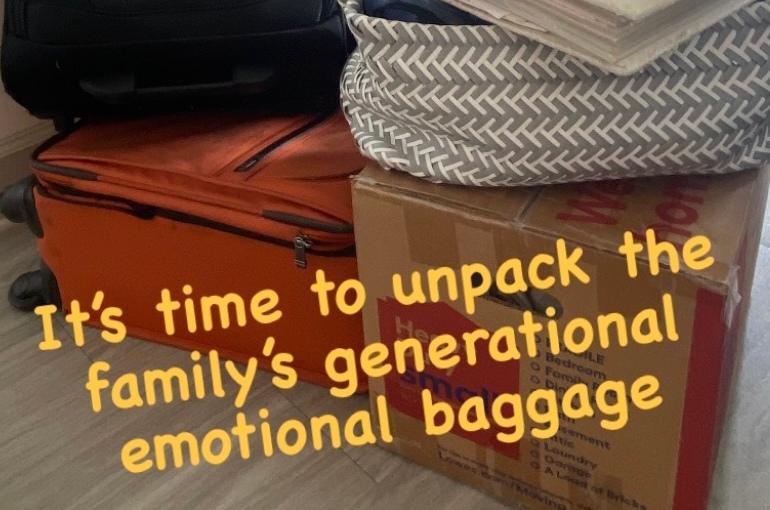
It’s no surprise that we all have family and emotional baggage that has never been unpacked – mostly because it feels like opening Pandora’s box. Who would ever want to do that?
What if we were to reframe it as exploring a treasure chest instead? The clues to unanswered questions; the keys to unlock some of our hidden assets; a mystery solved; a weathered, yellowing journal of unknown and revelational history.
We are fearful of what we might discover in our family and emotional baggage. Many of us don’t care to relive the painful memories we stashed in there decades ago. But we are not the same as we were then – we are older, have had more life experiences under our belt and have more nuanced perspectives. Maybe we can unpack the baggage and clear up much needed space for a lighter way of being.
We are not alone when it comes to complex family histories and generational patterns. We are all in the midst of a big unraveling of old societal conditioning, gender stereotyping and poor parenting models. As Maya Angelou espouses “when you know better, you do better.” Thanks to the major breakthroughs in neuroscience, psychology and emotional science, we now have much better resources and tools available to us for personal growth, self-awareness, relationships and parenting.
In fact, it is these very breakthroughs that provide an entirely different framework for hard conversations and more productive dialogue about the elephant in the room –debilitating family dynamics.
If we wait until parents or grandparents pass away, we miss asking the questions we would like answered. Have you ever sifted through cardboard boxes of old photos and had no idea who the relatives were or the stories that went with each photographic memory? It is just like that with family baggage. So many secrets boxed up and sealed tight. If family members are courageous enough to enter into these challenging conversations with honesty and a desire to learn, it will jettison that cumbersome family baggage.
Just look around at all the complex family dynamics the next time you attend a graduation, wedding, family reunion or holiday gathering. You can readily spot familiar family patterns, passed down from one generation to the next, taking its toll on our younger generations; families dealing with the same adversities, just a different cast of characters.
The baggage may be invisible, but its impacts are as apparent as blue eyes, tall stature, the shape of a mouth or nose and even personality traits.
No generation is immune from common life events including genetic health issues, divorce, co-parenting, behavioral issues, co-dependency, estrangements, blended families, addiction, mental health issues and trauma. Hard things happen in life. We can, and must, stop making them harder than they need to be.
Today, we have the rare opportunity to involve four living generations — grandparents, parents, siblings and grandchildren — to do the work necessary to break generational trauma and address dysfunctional behavioral patterns. It may be the first time ever that we also have evidence and impetus to come together to do this multi-generational unpacking of emotional and behavioral baggage.
A good starting point would be to collectively acknowledge that the old ways of parenting and dealing with emotions are primary root causes of ongoing family dysfunction and our growing emotional health crisis. We got it wrong and now we need to be actively involved in turning the tide on that old paradigm. Just acknowledging this truth can lift the fog of shame, guilt and blame. These conversations are long overdue and we don’t want our grandchildren being burdened by the weight of unhealthy, unproductive family secrets. We can stop spreading harmful patterns and limiting beliefs from one generation to the next.
When we can overlay the new template for parenting and emotional health onto our past experiences, we gain clarity where once there was only murky confusion. There are a lot of stories embedded in our family history that are horribly inaccurate. Imagine discovering this and realizing that we’d been making incorrect assumptions and judging others when we really could have been showing up and offering each other support and emotional scaffolding.
Yes we are afraid to have those hard conversations, mostly because we are feeling very strong negative emotions arise in us each time we even think about it. It would be analogous to refusing to go to the doctor for a suspicious lump. We can no longer afford to let our fear and anxiety prevent us from learning and discovery.
The biggest challenge in having these hard conversations and unpacking family baggage together is the massive entanglement of old, unprocessed emotions, traumas and false narratives about each other. The only way we can do this work is to become very skillful in interpersonal and emotional skills.
If we are going to do a deep dive into the dark, deep waters of our generational family history, we want a seasoned, skillful dive master and tools to help us see clearly, cut those falsehoods that keep us tethered, and avoid getting re-snagged on past trauma. Emotional triggers, limiting beliefs, fixed mindsets and jagged remains of adversities are hard to navigate without compassion, empathy and powerful listening skills.
For the record, we may have attempted to do this in the past, but all we really had to guide us was “hindsight”. While hindsight can shine a light on our regrets and help us own the consequences and outcomes of our choices, it often leaves us at a dead end. Problem identified, but no meaningful path to healing and prevention.
In 2009, Dr. Dan Siegel introduced a new concept for personal growth and self-awareness. He was planting the seed of what would become “other awareness”. But there was no way for us to get to “other awarenesss” without knowing ourselves deeply. Dr. Siegel called his revolutionary personal transformation concept “mindsight”. Mindsight picks up where hindsight stopped. No more dead ends.
Dr. Siegel framed “mindsight” this way: It is a powerful lens through which we can understand our inner emotional lives with more clarity, integrate our brain and our emotions, and enhance our relationships with others.
Mindsight is how we put our own oxygen mask on first. There is no way that we can be of meaningful value in helping others on their emotional health journey if we ourselves haven’t done our own work. Full stop.
In my previous blog post, “Learning What We Need to Teach”, I shared the steps and the benefits of Dr. Siegel’s concept of mindsight and whole brain parenting. Doing the hard work and committing to a lifetime of personal growth is not for the faint of heart. But as we often say with physical fitness, “no pain, no gain”.
Dr. Siegel encourages us to use this “mindsight” lens to go back and look at our own childhood to discover how our experiences and our caregivers shaped us. Imagine being able to do this – AND have conversations with siblings, parents and grandparents about those experiences that would provide context and nuance, not to mention long overdue accountability and the possibility of repair.
Do you know what your emotional triggers are? Are you aware of the limiting beliefs that were baked into your inner critic when you were a child? Are you still having meltdowns like a two year old when big emotions consume you? Do you expect more emotional regulation and better coping skills from your partner, kids or friends than you can muster in stressful situations?
These are the warning signs of compromised emotional health. If we do not attend to our emotional health, two things will happen — (1) our physical health and quality of life will also be compromised and may even go into serious decline; (2) we will pass down to our children similar unhealthy emotional patterns. Ignoring our emotional health has perpetuated the multigenerational family dysfunction since the dawn of time.
When Dr. Dan Siegel introduced mindsight in 2009, he was an advance scout for what has now broken wide open into the mainstream of our lives. Over the past two decades, multi disciplines have merged and reverse engineered what we need to do in order to address our growing mental health crises.
We need to undo and unlearn all the things we got wrong about parenting, about emotions and about relationships.
It has taken several decades, a ton of research, and more family heartaches and brokenness than we can imagine to bring us to this moment in our collective evolution. We are now able to visibly see and feel why we need to commit to this work when we look at our children and grandchildren. Not only do they deserve better, we are motivated by our hearts to take this work seriously.
In the past, each generation entered adulthood and parenthood with a strong desire to do better than the prior generation. Good intentions, but faulty information and poor diagnostic tools. We labeled kids, rather than naming emotions. We unplugged their first love language (emotions) as soon as they learned to talk and express themselves. We had blindspots and blurred life maps. We unconsciously repeated the same old patterns and reactions from which we recoiled or hid from as kids. We numbed our pain rather than extracting it and healing.
The reverse engineering that neuroscience, psychology, epigenetics, neurobiology, emotional science and social sciences have done is now extending a call to action that cannot be ignored. This call to action is meant for all of us — all 4 generations to become involved. We need to do some serious excavation work on generational baggage.
We each need to make our own emotional health a priority. We need to plug it back into the core foundation of a meaningful, satisfying and rewarding life. We need to upgrade our default systems that were never integrated in childhood. Plug those emotions into our operating systems and get more skillful at regulating them, learning from them and growing because of them. We need to unpack emotional and family baggage that is putting more obstacles in our way than we realize.
We do not have to wait until we are at the master class level to dive into teaching our kids and helping our partners. We can learn together. In fact, our children and grandchildren are the best teachers in the world. If we can step back and ask ourselves, “what did I need when I was their age?” we will instinctively know how to meet the moment. Instead of asking “what’s the matter?” we can pivot and learn by asking them “What matters most?”
This blog post is the first of a new series I’ll be sharing about the life-changing benefits of personal growth and self-awareness not only for our own quality of life, but for all of our relationships. Let’s explore how we got here, what is fresh and new for our emotional health, what we are discovering about the connection between fixed mindsets and limiting beliefs, better ways to help kids through divorce and blended families how we can improve the education system from preschool to college and so much more.
There is an “emotion revolution” rising from the ashes of old parenting models, lack of emotional regulation into our human operating system, and the hard lessons learned through a global pandemic. Are you in?
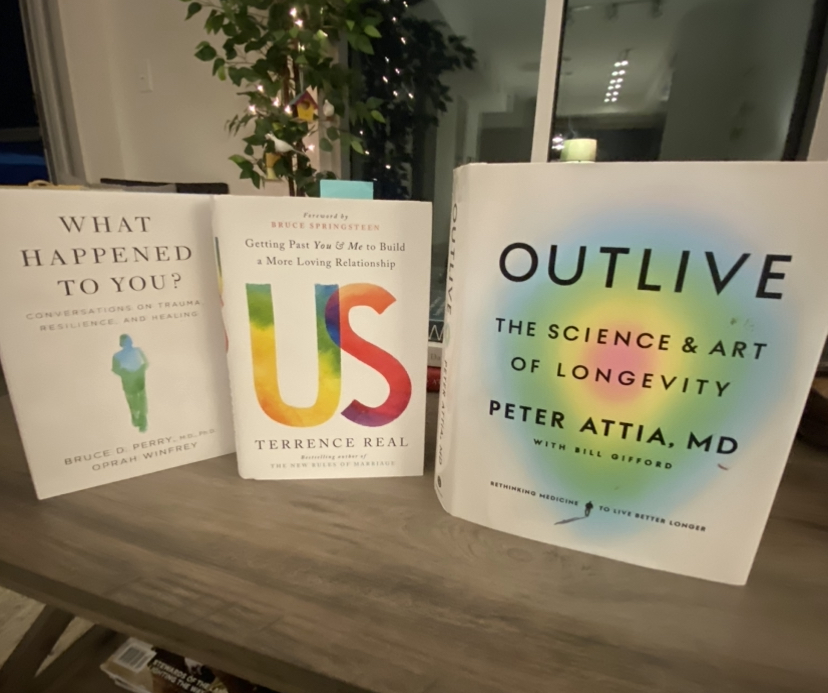
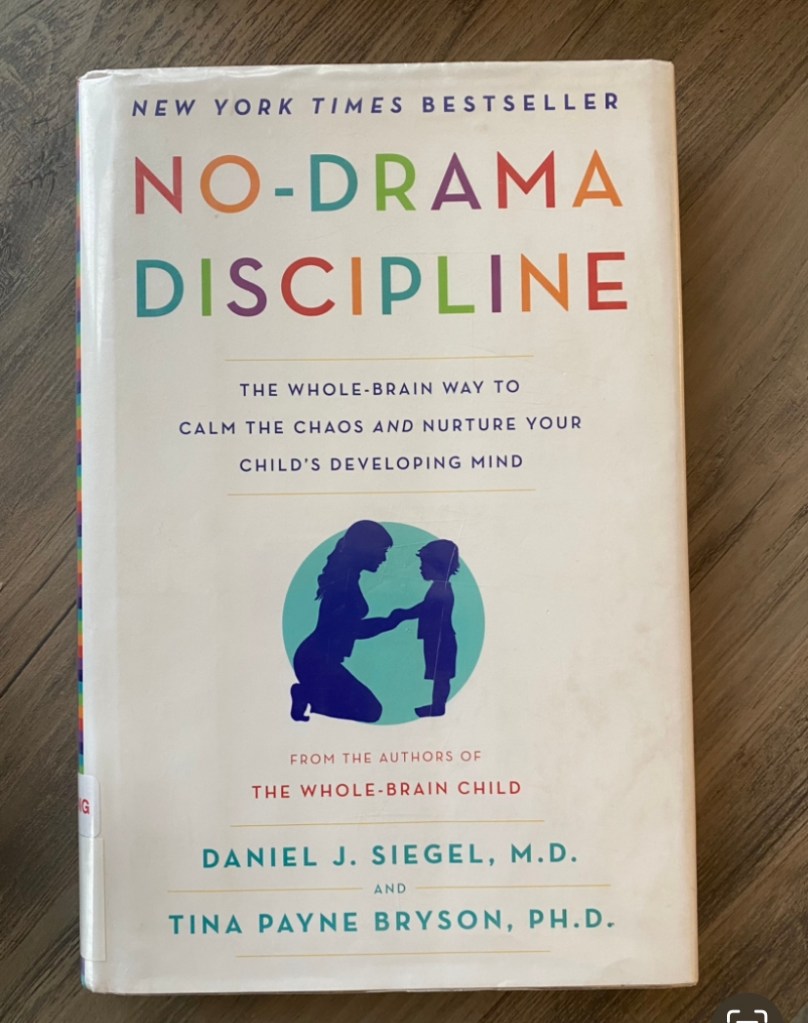
RECOMMENDED RESOURCES:
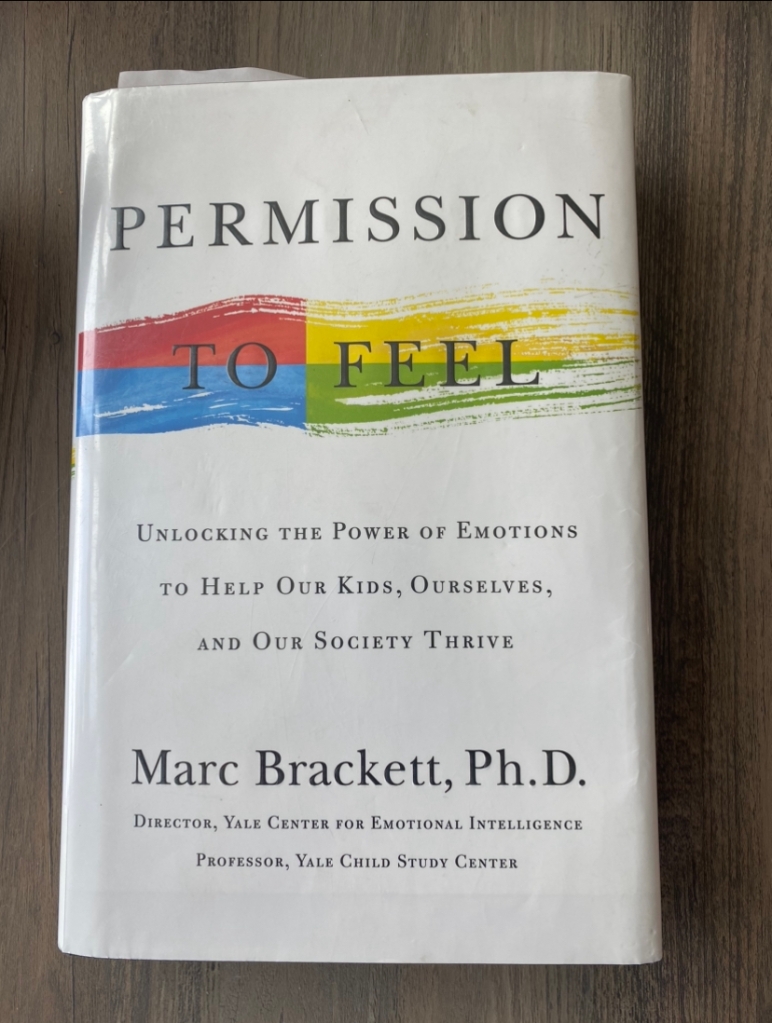
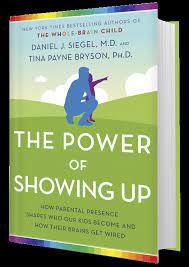



 Inspired New Horizons